TL;DR: The Adventurer’s Summary
The Nkyinkyim Museum in Nuhalenya is an essential cultural site. Understanding the nkyinkyim museum entry fee is the first step in planning your trip. We recommend confirming current pricing before departure, as fees contribute directly to the upkeep of Kwame Akoto-Bamfo’s impactful sculptures.
Visiting the Nkyinkyim Museum in Nuhalenya is a transformative experience. Offering a deep look into the history of the African diaspora through hauntingly beautiful sculpture. Before you travel to this open-air site in the Ada district, it is important to understand the Nkyinkyim museum entry fee and the logistics of getting there. This guide serves as your comprehensive resource for navigating the museum. Ensuring you are fully prepared for a meaningful day of reflection and learning in Ghana.
Understanding the Nkyinkyim Museum Entry Fee and Contributions
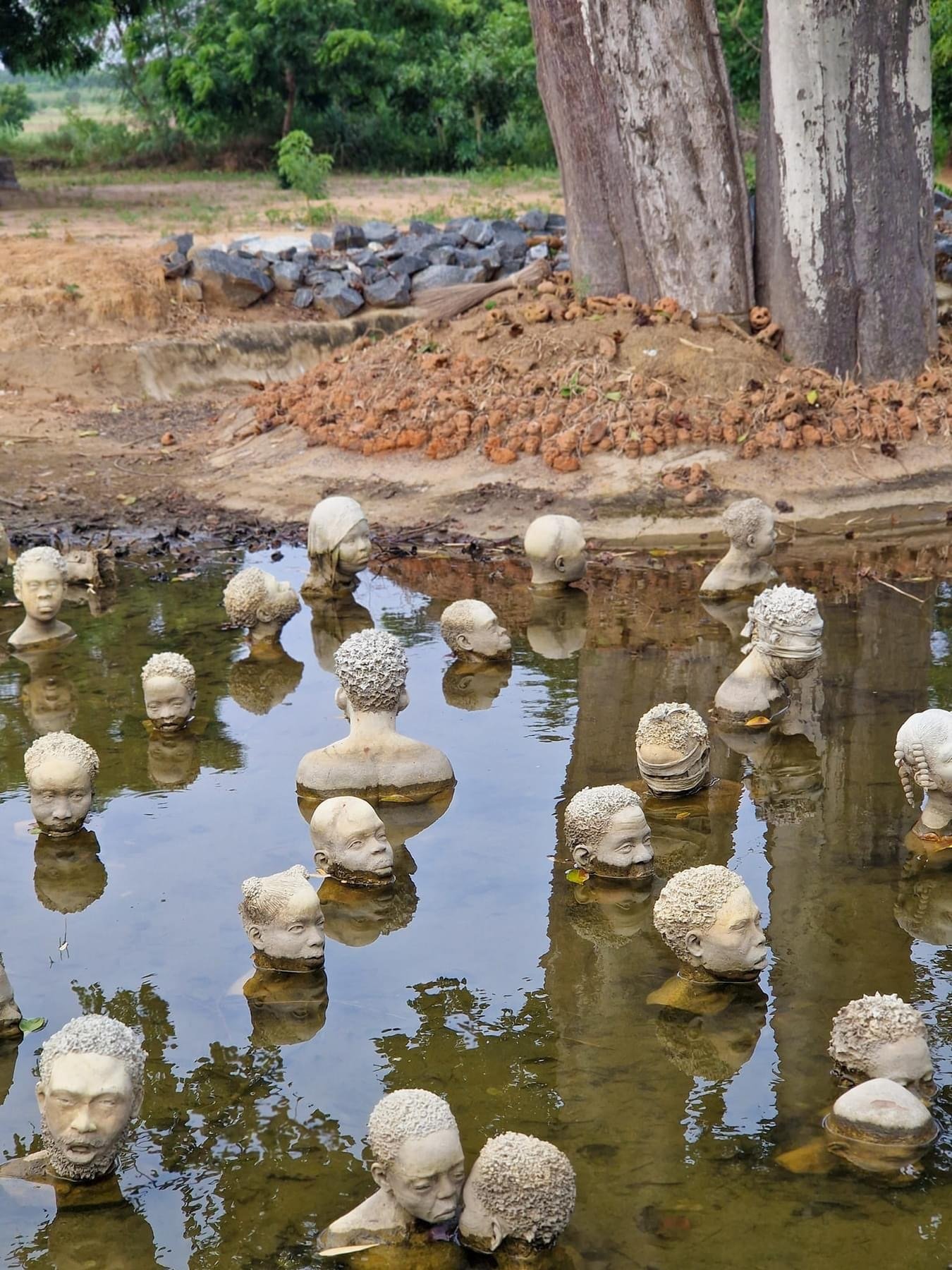
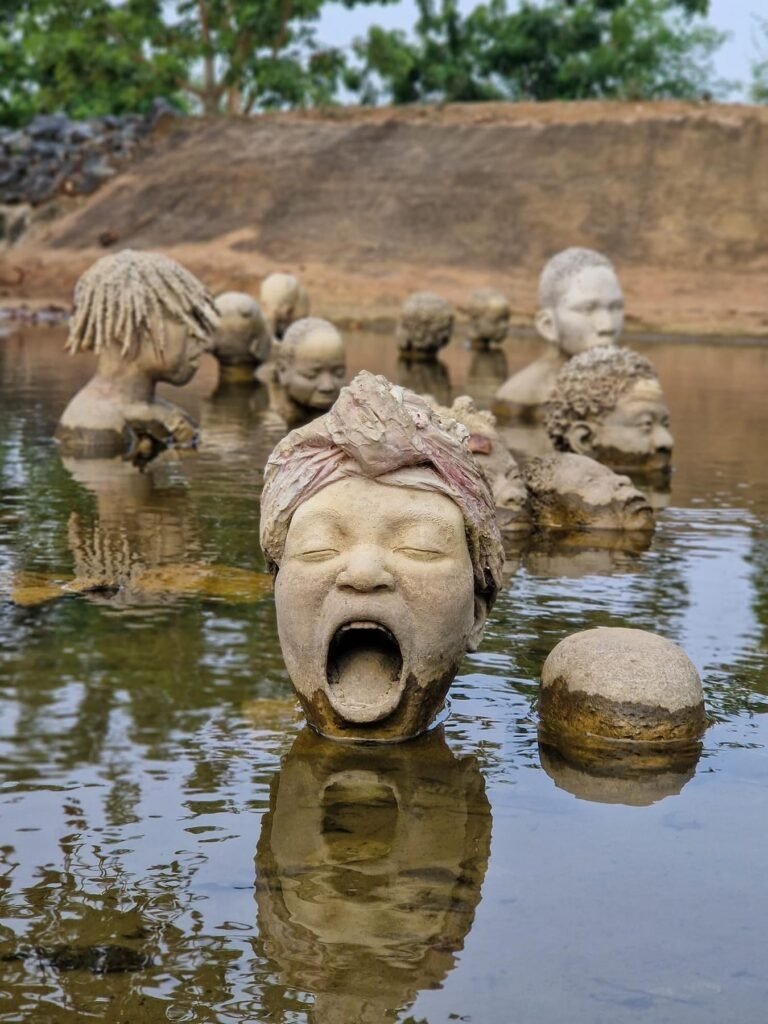
The Nkyinkyim Museum is not a traditional indoor gallery. It is a site-specific outdoor installation that requires significant maintenance. As you plan your visit, note that the Nkyinkyim museum entry fee functions primarily as a contribution toward the preservation of these massive, hand-sculpted concrete figures. Unlike state-run institutions with fixed, rigid pricing, this site is managed independently. Meaning contributions help sustain the artistic vision of Kwame Akoto-Bamfo.
When budgeting, it is helpful to carry enough cash in Ghanaian Cedis (GHS). While electronic payment methods are becoming more common in Accra, rural areas like Nuhalenya may occasionally experience connectivity challenges. We suggest keeping a small surplus in cash to cover potential guide fees, photography contributions, or small local purchases. For the most accurate and up-to-date pricing, it is always wise to consult the Ghana Tourism Authority official portal to verify if there have been recent updates to entry requirements or visitor protocols.
Transportation: How to Reach Nuhalenya
Getting to the museum requires intentional travel planning. Most visitors arrive from Accra. The most common public transport route involves taking a tro-tro from the Tudu station in Accra toward the Ada district. Be sure to inform your driver that you are disembarking in Nuhalenya. Upon arriving in the main town, you will likely need to hire a local taxi or a motorcycle taxi. Known as an ‘okada’, to take you the final distance to the museum gate.
Traveling independently is rewarding, but it can be demanding. For those who prefer a guided experience, relevant descriptive anchor text can provide a structured, stress-free alternative. Private tours typically include door-to-door transportation. Ensuring you do not have to negotiate local fares or navigate rural terrain on your own.
The Artistic Vision of Kwame Akoto-Bamfo
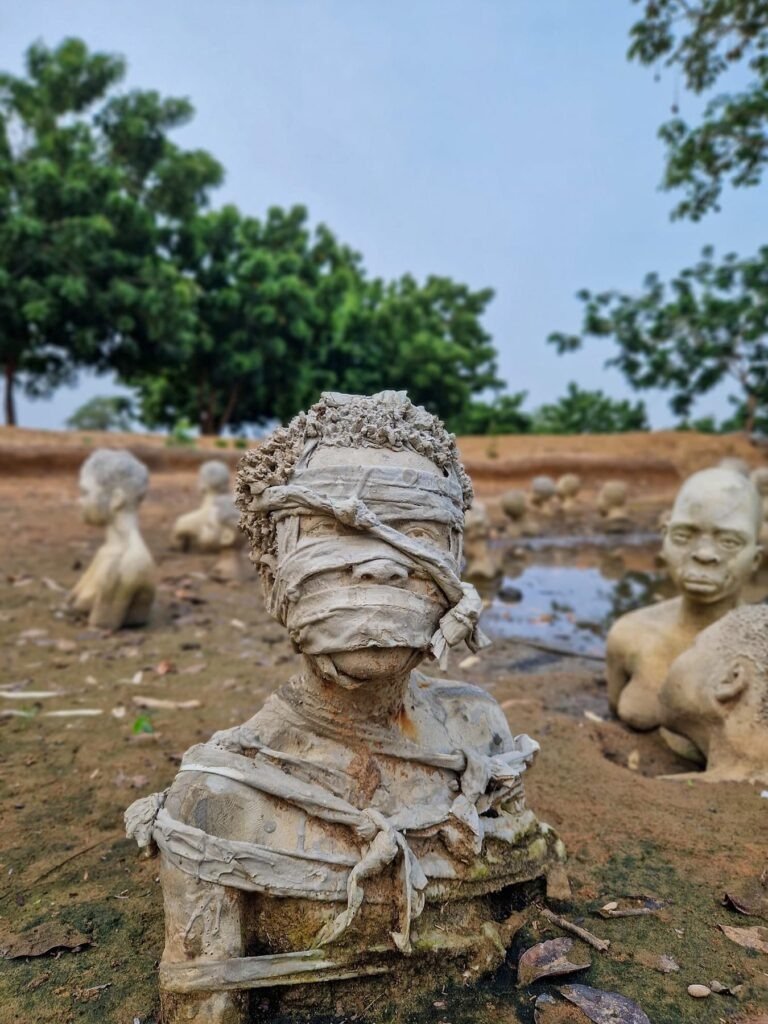
The Kwame Akoto-Bamfo artworks found here serve as a profound, poignant memorial to the victims of the Trans-Atlantic Slave Trade. Walking through the rows of statues, you will notice the raw, emotional expressions captured in every face. These are not merely art pieces; they are historical reflections of resilience, grief, and the unbreakable spirit of ancestors. Because the museum is located outdoors, the shifting sunlight and changing weather patterns create a dynamic backdrop that makes every visit unique.
You should plan to spend at least two hours at the site. It is a place intended for quiet contemplation rather than a quick walkthrough. The natural terrain is the base for these sculptures, meaning you will be walking across earth and sand. While the path is generally flat, it is not paved or wheelchair accessible in the traditional sense, so please wear comfortable, sturdy footwear suitable for rural conditions.
Discover Ada Nkyinkyim Museum Tour | Crocodile Island & Aqua Safari First, our Ada Nkyinkyim Museum Tour takes you on…
Site Amenities and Visitor Comfort
Because the Nkyinkyim Museum is located in a rural, open-air setting, you should not expect standard museum amenities like cafes, climate-controlled gift shops, or extensive restroom facilities. It is vital that you carry your own drinking water and sun protection, such as a hat or umbrella. The intensity of the sun in the Ada region can be draining, especially during the middle of the day. Plan your visit for the early morning or late afternoon to maximize comfort.
Regarding restrooms, facilities are very basic. Most visitors prefer to utilize the restrooms at their hotel or accommodation in Ada or the nearby Volta River resorts before heading to the museum. If you are traveling as part of a tour group, check with your operator about scheduled stops to ensure you have access to proper facilities along the way.
Planning Your Itinerary in the Ada Region
Your trip to see these powerful sculptures is best combined with other local attractions. The Ada region is home to the stunning Volta River estuary, where the river meets the Atlantic Ocean. Spending a day or two in the area allows you to balance the solemn, educational experience of the museum with the relaxing atmosphere of the coast. If you are curious about how to manage your daily expenses while visiting regions outside the capital, our guide on budgeting for your trip to Ghana provides realistic benchmarks for local accommodation and meal costs.
Independent travelers should prioritize safety and preparedness. Download offline maps of the Ada district before leaving areas with reliable internet. Ensure your mobile phone is fully charged and that you have a power bank. Even in rural areas, the locals are generally welcoming, but it pays to be self-sufficient. If you have questions about the current condition of the roads, your hotel reception in Ada will usually have the most current information, as they communicate frequently with local drivers and transport hubs.
Finally, remember that this site is deeply sacred to many people. While photography is usually permitted for personal use, please remain mindful of others who may be there for purposes of mourning or reflection. Treat the space with the same respect you would offer a memorial or a place of worship. This respect helps preserve the integrity of the site for future generations who wish to connect with history through these incredible works.
Discover Ada Nkyinkyim Museum Tour | Crocodile Island & Aqua Safari First, our Ada Nkyinkyim Museum Tour takes you on…
Frequently Asked Questions (FAQ) Nkyinkyim museum entry fee
The entry fee is generally modest and functions as a maintenance contribution. Because the site is independently managed, it is best to check the latest updates on the official tourism authority website or contact a local tour operator just before your visit to get the most accurate current price in Ghanaian Cedis.
Yes, the museum is open to visitors of all ages. However, due to the sensitive and solemn nature of the artwork, it is recommended that parents accompany children throughout their walk through the exhibits.
There are no restaurants or cafes within the museum grounds. Please ensure you bring enough water and snacks for your visit, especially during hot weather, as you will be exploring an outdoor area with limited shade.
Most travelers take a tro-tro from the Tudu station in Accra to the town of Ada. Once in Ada, you can hire a local taxi or motorcycle taxi to drive you directly to the museum entrance in Nuhalenya.
The museum is set on natural ground with sandy, uneven pathways. It does not currently have paved, wheelchair-accessible trails. Visitors with limited mobility should take this into account and prepare for walking on natural terrain.
Yes, photography for personal, non-commercial use is generally allowed. However, please maintain a respectful distance from the sculptures and be mindful of other visitors who may be using the space for reflection or mourning.