TL;DR: The Traveler’s Summary
The journey between Ghana’s capital and the Ashanti Region is evolving with the Accra-Kumasi expressway. While the complete vision of an Accra–Kumasi expressway is a phased national infrastructure project, travelers should currently expect a mix of dualized highway, active construction zones, and occasional single-lane bottlenecks. Always allow for flexibility in your schedule, especially when traveling during peak holiday periods or the rainy season.
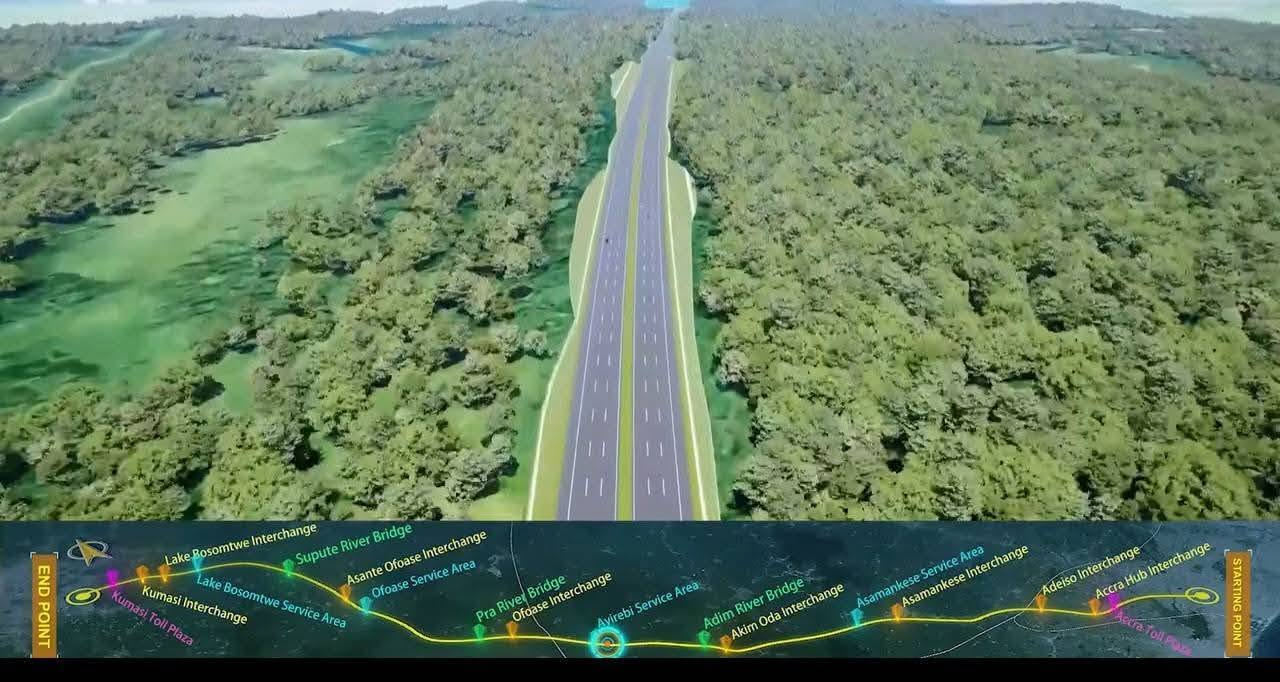
Connecting Ghana’s administrative capital to its cultural heartbeat requires careful navigation of one of the country’s most vital transport corridors is the Accra–Kumasi expressway. Whether you are traveling for business, returning to family in the Ashanti Region, or exploring Ghana’s inland beauty, the state of the road significantly impacts your experience. The ongoing development of the accra–kumasi expressway represents a major investment in the nation’s logistics network. This initiative aims to improve regional connectivity, boost trade efficiency, and eventually reduce transit times between these two urban powerhouses through comprehensive road dualization and modern safety features.
Understanding the Accra–Kumasi expressway development
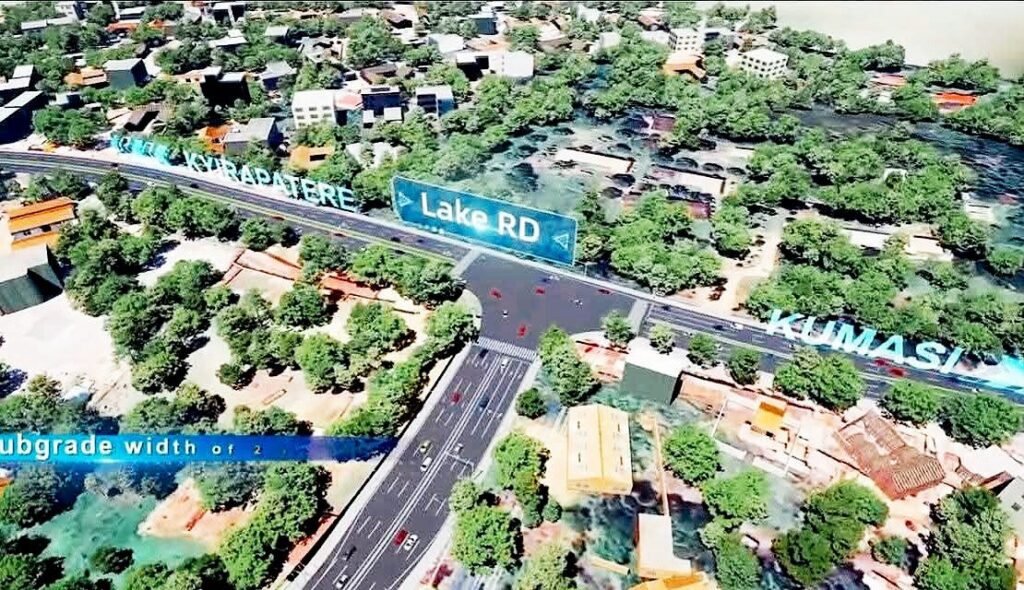
The N6 highway, which is the Accra-Kumasi expressway serves as the backbone of Ghana’s transit system, linking Accra to Kumasi. The ambitious six-lane highway project has been conceptualized to manage increasing vehicular traffic, particularly heavy haulage trucks transporting goods from the Tema Port to the north. Achieving a consistent, high-speed corridor requires massive engineering feats, including the design of major by-passes construction to move transit traffic away from dense town centers like Suhum and Nsawam.
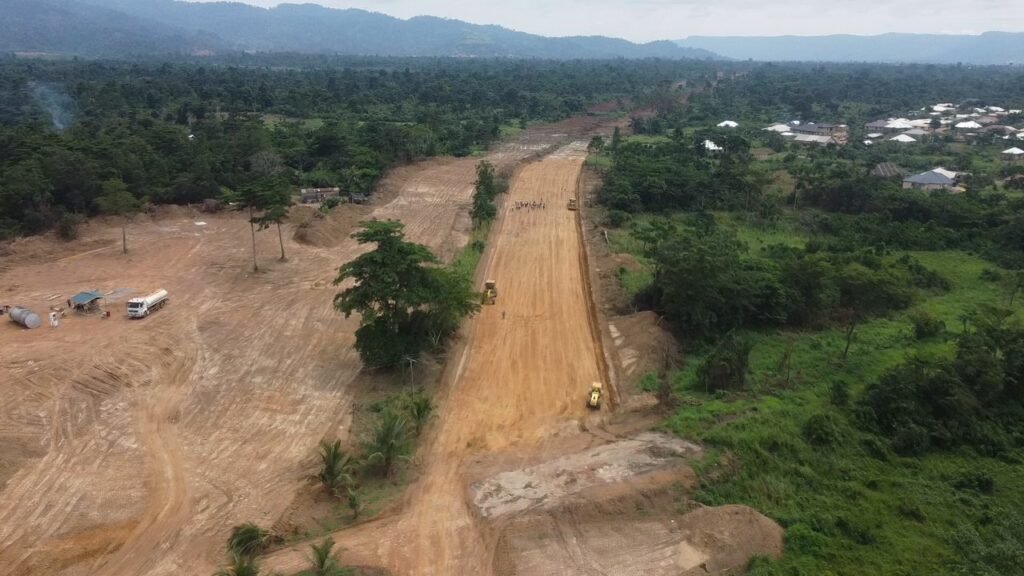
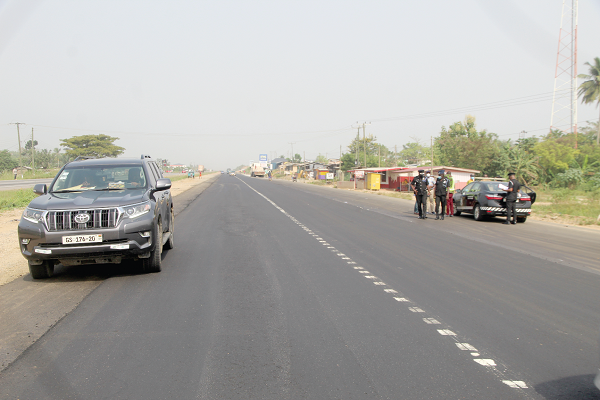
As part of broader Ghana infrastructure development, the project is executed in distinct phases. Some sections now offer smooth, dual-carriageway driving, while other areas are still undergoing preliminary earthworks or final paving. Travelers should view this road not as a finished high-speed facility, but as a major work-in-progress. This means you will frequently transition between modern dualized lanes and traditional two-lane segments where patience and defensive driving are essential for safety.
Project timelines and milestones
The timeline for the full realization of a world-class expressway is complex. Infrastructure projects of this scale in West Africa face inherent challenges, ranging from budgetary adjustments to environmental impact assessments. While government authorities occasionally release milestone targets for specific bridge completions or road segments, these should be treated as flexible estimates. The current focus remains on decongesting town centers via by-passes rather than a single, continuous completion date for the entire length. Regular updates are published by the Ghana Highway Authority, which remains the primary source for technical information regarding road viability.
Impact on travel times and logistics
Calculating your total Accra to Kumasi travel time requires accounting for these infrastructure shifts. Under ideal conditions, the drive typically spans four to five hours. However, construction-related lane shifts or heavy traffic can extend this to six or seven hours during peak times. The most significant benefit of recent improvements is the reduction of idling time at major intersections, which has helped cargo logistics remain more predictable than in previous years.
To avoid the heaviest traffic, many seasoned travelers choose to depart early, often before 5:00 AM. This approach helps clear the outskirts of Accra before commuters and heavy-duty trucks dominate the road. If you find yourself traveling mid-day, be prepared for increased interactions with transit coaches and freight vehicles that slow the flow of traffic on single-lane stretches.
Discover Ada Nkyinkyim Museum Tour | Crocodile Island & Aqua Safari First, our Ada Nkyinkyim Museum Tour takes you on…
Road safety and local commuting
Construction zones naturally alter road safety dynamics. The presence of heavy machinery and temporary barriers requires heightened driver vigilance. For local commuters living near these road segments, the construction has created both opportunities and challenges. While the new road offers better access to markets, the temporary nature of construction signage and the narrowing of shoulders demand cautious navigation. Always maintain a safe following distance, as sudden braking by heavy vehicles is common in work zones.
For those interested in the details of passenger services on this route, comparing different long-distance bus providers is a wise first step. High-quality operators often adhere to stricter safety protocols and use vehicles that are better maintained for long-distance highway travel. Choosing a reputable operator adds a layer of safety and consistency to your trip, regardless of the current construction status.
Toll collection and usage policies
A common question among drivers concerns the current toll pricing structure. Following government policy shifts, the collection of road tolls has been suspended on major highways, including the N6. Travelers should not encounter active toll booths for payment purposes at this time. However, as transport policy is subject to change, it is advisable to keep a small amount of cash as a precaution and check local media for updates. There is currently no unified electronic payment methodology for tolls in place, so the suspension simplifies the financial requirements for your trip significantly.
Volta Region Nature Tour, first, our team picks you up early at any location in Accra. Before starting the drive,…
Practical tips for a smooth road trip
Preparation is the best way to handle the unpredictability of a long-distance drive in Ghana. Before departing, perform a basic vehicle check: monitor tire pressure, brake fluid, and engine cooling levels. The heat of the day, combined with stop-start traffic, can stress older cooling systems. Pack adequate drinking water, snacks, and a portable charger. While the route passes through major towns where basic amenities are available, relying on these stops can add hours to your total journey if you are on a strict schedule.
Documentation is also key. While checkpoints are less common than in the past, maintaining current driver’s licenses and vehicle registration is mandatory. Keep these documents in an easily accessible location. If you are hiring a private car or taxi, ensure the driver is experienced with the route and has a reliable vehicle that can handle the mix of dualized highway and uneven road sections.
Finally, respect local road culture. The N6 is a vital lifeline for all Ghanaians. Patience with other drivers—particularly those operating large commercial trucks under challenging conditions—is essential for a peaceful journey. If you are feeling fatigued, do not hesitate to stop in towns like Nkawkaw or Konongo. These locations provide plenty of safe parking options and local food outlets that allow for a necessary recharge before completing the final leg of the drive into Kumasi.
Frequently Asked Questions (FAQ) for Accra–Kumasi expressway
No, the road is currently a mix of dualized sections and single-lane stretches. It is undergoing a phased improvement process rather than being a finished, uniform high-speed expressway.
As of the most recent policy updates, the collection of road tolls on this route has been suspended. Always verify before departure, as government policies can change.
A standard drive takes about four to five hours. We recommend budgeting at least six hours to account for traffic, potential road work delays, and necessary rest stops.
Many travelers prefer established long-distance coach services, which use professional drivers and maintained vehicles. If driving yourself, ensure your vehicle is serviced and travel during daylight hours.
Yes, major towns along the corridor, such as Nkawkaw and Konongo, offer numerous options for refueling, dining, and taking breaks during your journey.