TL;DR: The Adventurer’s Summary
Ghana offers diverse landscapes for those who enjoy being active outdoors. Successful outings require planning for tropical climates, securing local guides, and respecting protected areas. Always check current weather and permit conditions before you head out on the trails.
Hiking in Ghana provides an unparalleled opportunity to immerse yourself in the country’s vibrant natural landscapes, from the coastal forests of the south to the dramatic highlands of the east. While many international travelers visit Ghana for its rich cultural history, the country’s outdoors offer a hidden treasure trove for those who prefer exploring on foot. This guide covers everything you need to know about navigating terrain, ensuring wilderness safety, and preparing for the unique demands of the West African climate.

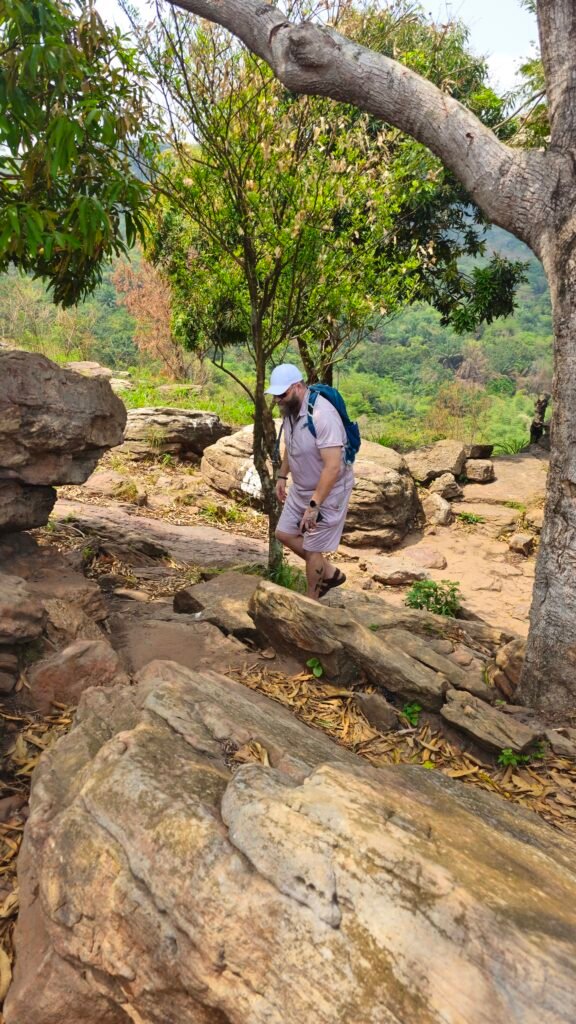
Essential Tips for Hiking in Ghana
Understanding the basics of trail navigation is the first step toward a safe experience. Many of the most scenic paths are not marked with permanent signage, making the risk of disorientation very real in dense forest environments. Consequently, hiring a local guide is standard practice throughout the country. A skilled local guide does more than keep you on the correct path; they offer invaluable context regarding the local ecosystem, tribal history, and seasonal changes that affect trail conditions.
The tropical climate requires a strategic approach to hydration and physical exertion. You should aim to start your treks at dawn to avoid the most intense midday sun. This is when wildlife is most active and temperatures remain at their most manageable. Always carry more water than you think you need, supplemented by electrolyte tablets, as the humidity can lead to rapid fluid loss.
Choosing Your Trekking Gear
When selecting your trekking gear, prioritize durability and breathability. Lightweight, long-sleeved clothing is essential to provide protection against the sun and various insects. Sturdy, closed-toe footwear with aggressive tread is non-negotiable, as trails often feature a mix of slick mud, loose rock, and uneven roots. Your backpack should be comfortable and ventilated; if you are carrying equipment for a long day trip, keep your pack weight under 15% of your total body weight to prevent undue strain.
Maintaining Hiking Fitness
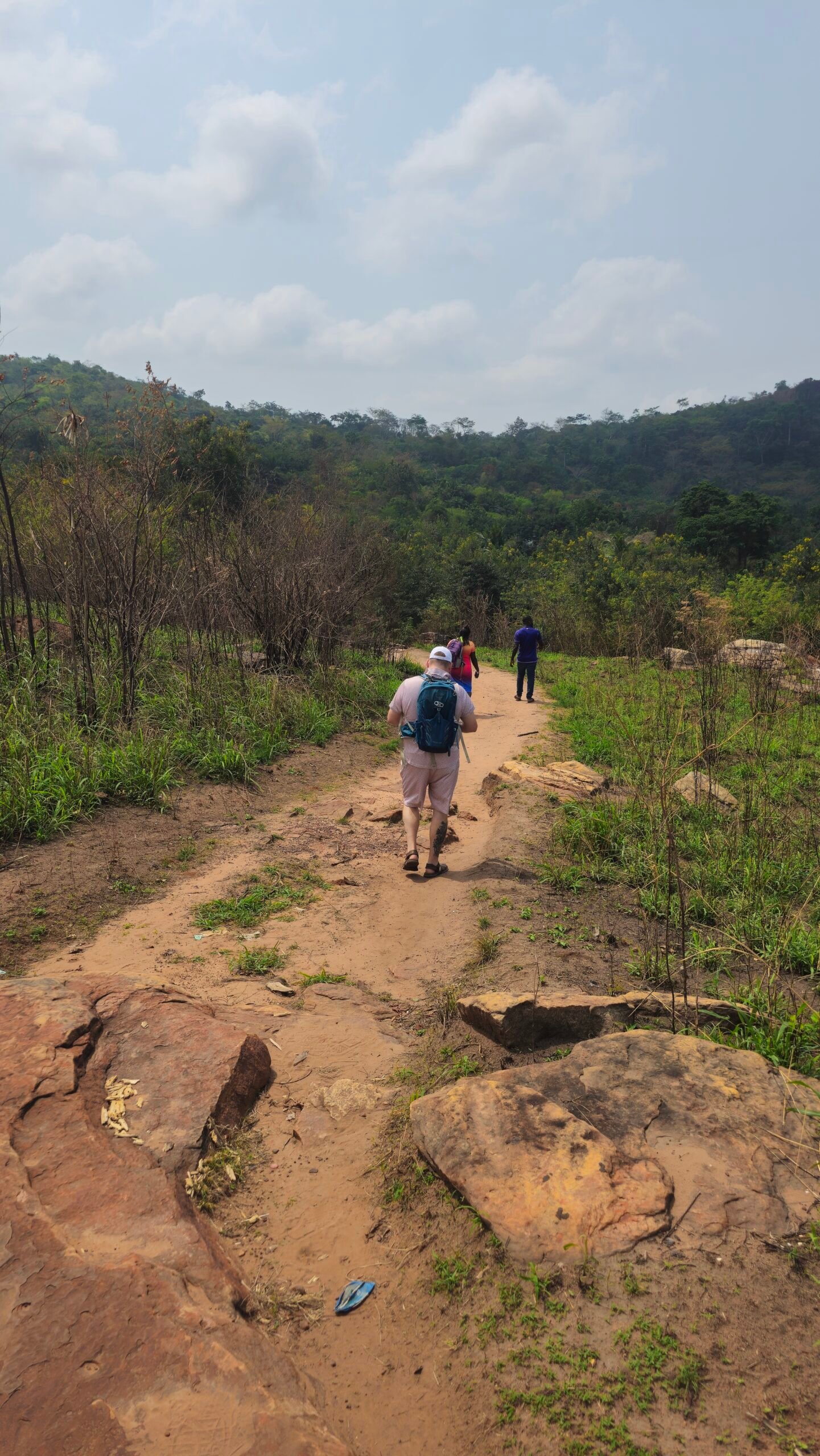
Before you commit to challenging, multi-hour excursions, it is crucial to assess your current level of hiking fitness. Ghana’s topography, particularly in the Volta Region, includes steep, vertical inclines that can quickly challenge those who are not prepared. Begin your trip with shorter, flat loops to gauge how your body reacts to the local humidity levels. Recognizing the early warning signs of fatigue is a cornerstone of wilderness safety. If you feel dizzy, excessively hot, or winded, prioritize resting in the shade and rehydrating immediately.
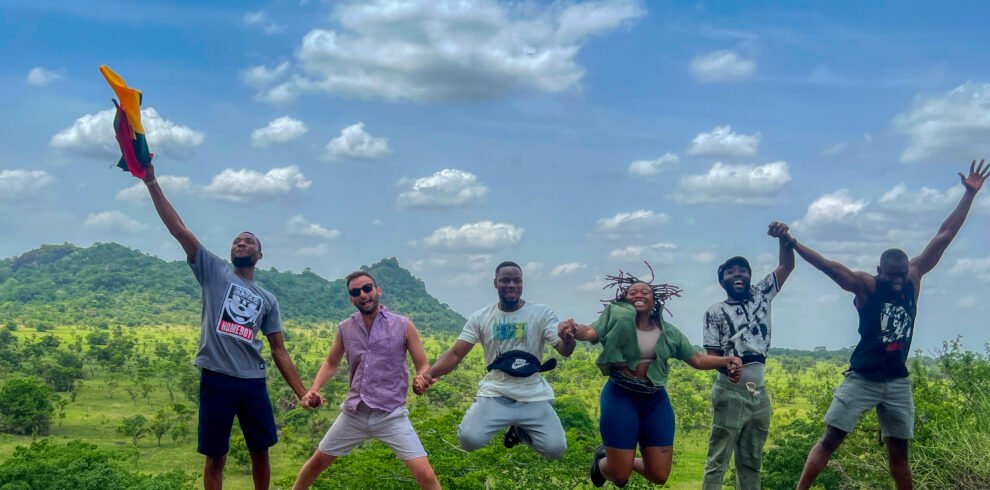
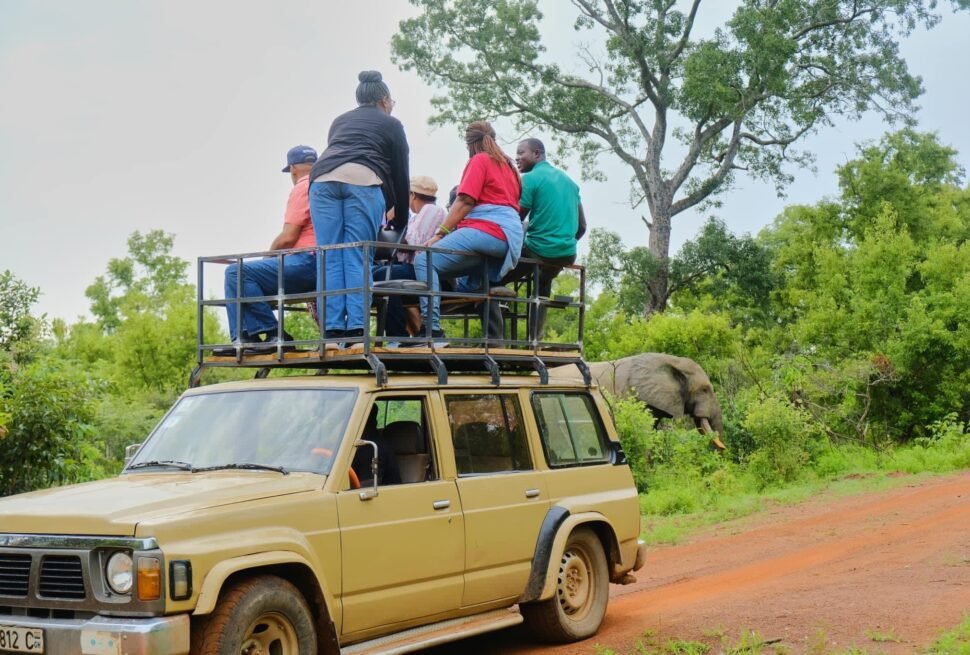
Discover Shai Hills Safari Tour | Ghana Experience Our Shai Hills Safari Tour First, nature lovers discover an eco-friendly wildlife…
Real-Time Trail Conditions and Permits
Trail conditions in Ghana are highly dynamic, often shifting due to seasonal rainfall patterns. During the peak of the wet season, popular routes can become flooded or dangerously slippery. Before finalizing your plans, it is vital to contact local tourism offices to request real-time updates. These offices can provide information on maintenance status and ensure that no severe weather events have closed your intended route.
Regarding logistics, most protected areas require an entry fee that directly supports conservation efforts. You can verify requirements and find further resources on the official Ghana Forestry Commission website. Always carry local currency in smaller denominations, as digital payment infrastructure is often limited in remote, rural areas. Confirm your permit requirements in advance, as some sensitive biological sites require prior notification before arrival.
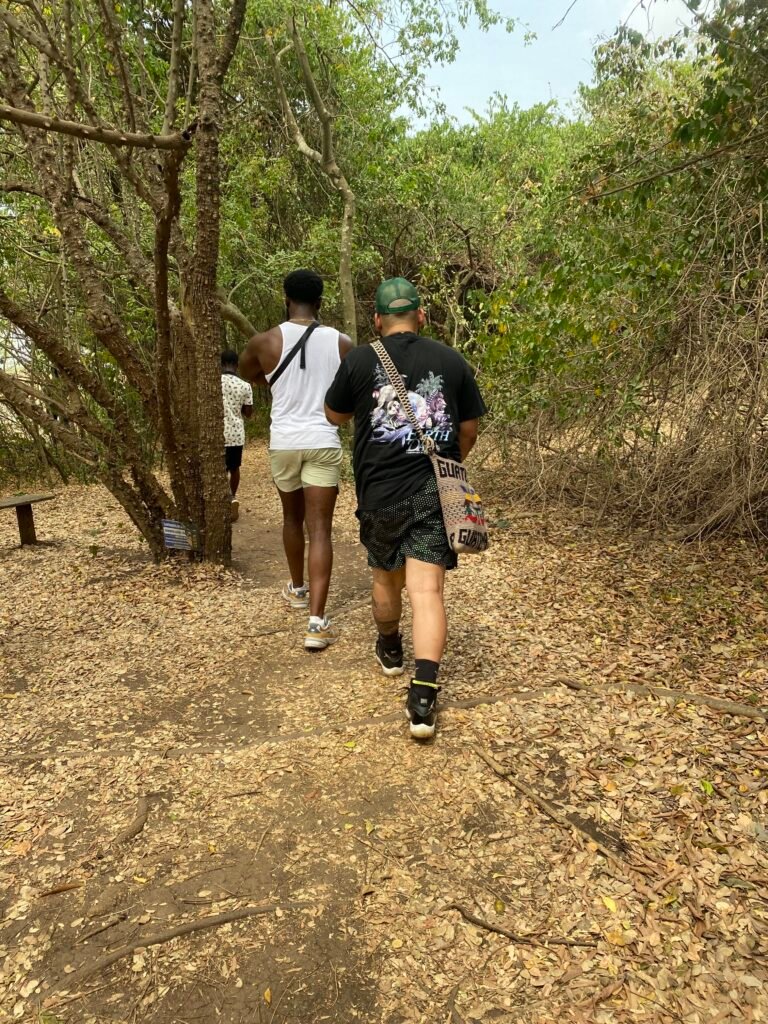
Accessibility Assessments for Every Hiker
Not every path offers the same level of accessibility. Hikers with different fitness levels should explicitly look for trail classifications. “Moderate” trails typically feature well-trodden paths with gradual elevation, while “strenuous” routes may involve scrambling or very steep staircases. For those looking for a stress-free experience, consider booking an expert-led tour in the Volta Region, which provides logistics and pacing adjustments suited to your group’s specific capabilities.
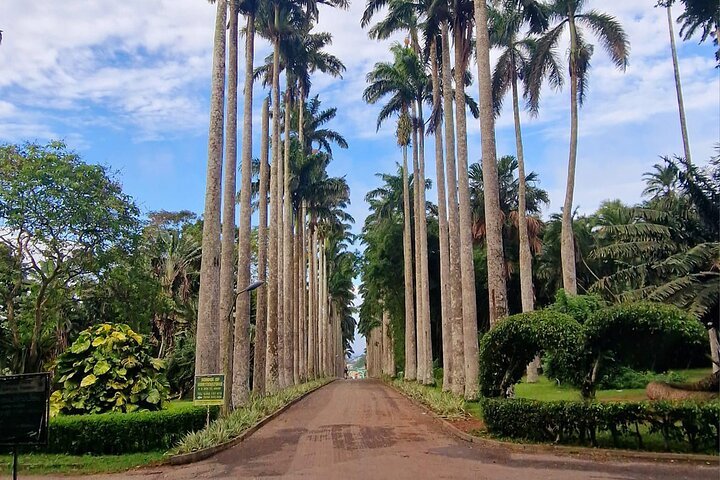
Discover Aburi Botanical Gardens Tour Experience Our Aburi Botanical Gardens Tour First, nature lovers explore four iconic destinations in Ghana's…
Transportation and Logistics
Transport logistics are perhaps the most common hurdle for independent hikers. While tro-tros (shared minibuses) serve most parts of Ghana, they often operate on irregular schedules that do not align well with early-morning trail departures. For the best experience, consider hiring a private vehicle for the day. This provides the flexibility to leave when you want and ensures you have a reliable way back from remote forest locations.
Beyond transportation, consider where you will sleep. Many trailheads are situated in remote locations where accommodation is limited. Searching for nearby eco-camps or community-managed guesthouses allows you to wake up near the starting point of your walk. This reduces travel time on the day of your hike, leaving you more energy for the actual trail and providing a deeper immersion into the local environment.
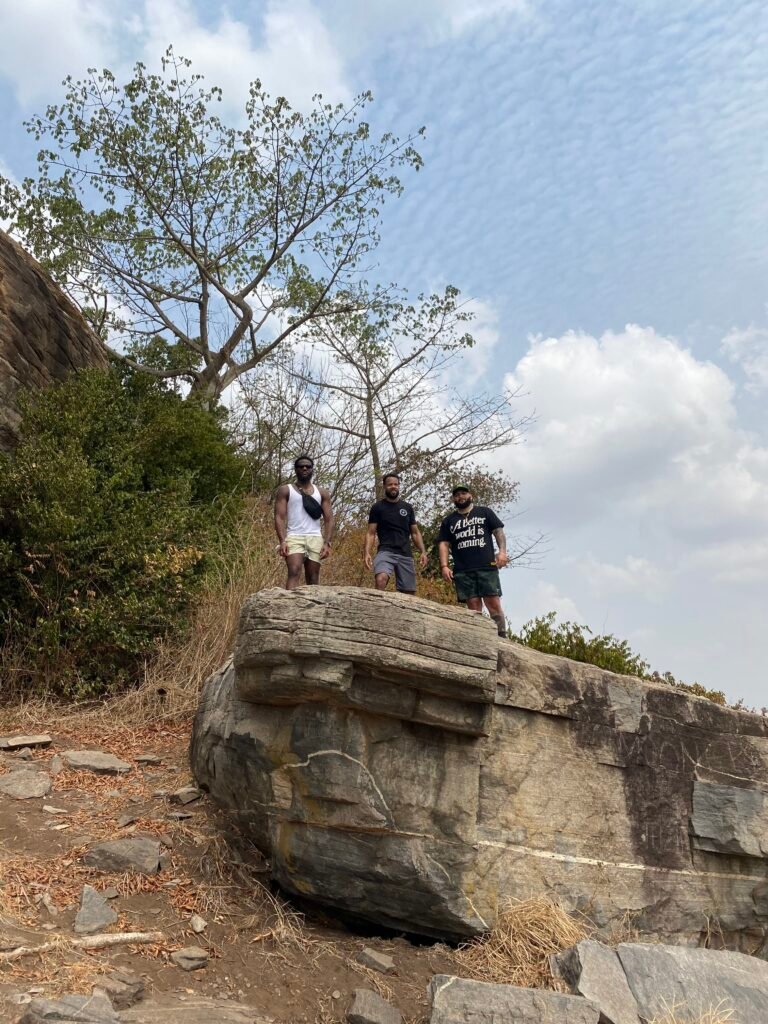
Frequently Asked Questions (FAQ) for hiking in Ghana
While some well-marked paths can be traversed independently, hiring a local guide is strongly recommended for almost all forest trails. A guide provides safety, ensures you do not get lost on unmapped paths, and offers valuable cultural insights.
The dry season, typically extending from November to March, offers the most consistent conditions for outdoor exploration. Trails are less muddy, and the skies are generally clearer, making it the preferred season for most visitors.
Yes, as with any tropical environment, the wilderness is home to various wildlife. You can minimize risks by wearing sturdy, high-cut boots, keeping to cleared paths, and listening closely to the safety briefings provided by your local guides.
You should arrive fully prepared with your own gear. Most remote trailheads do not offer rental services, and finding high-quality specialized items like broken-in hiking boots or specific hydration bladders can be difficult in rural areas.
Most national parks operate on a cash-only basis for entrance fees at the gate. Always carry enough local currency to cover entry fees for yourself and your guide, as digital payment systems or card terminals are rarely available at remote trail locations.