TL;DR: The Adventurer’s Summary
Saving money in West Africa is about local integration. Opt for public transport like VIP buses, eat at chop bars, and prioritize local SIM cards for data. Always carry physical cash in smaller denominations to avoid exchange friction.
Planning an expedition through West Africa often feels daunting because of perceived costs, but mastering effective budget travel tips will allow you to explore this vibrant region without draining your finances. Achieving a successful, low-cost journey requires a strategic shift in perspective, focusing on local habits rather than international comforts or luxury-standard amenities. By balancing your resources and embracing authentic local experiences, you can extend your travel duration significantly.
Essential budget travel tips for the savvy explorer
The first step in your strategy involves smart logistics. Expensive flights often derail a trip before it even begins. To manage your airfare costs, use flight aggregators that allow for flexible date searching and price alerts. Booking at least three months in advance remains a golden rule for securing cheaper flights, especially when flying into major regional hubs. Once you arrive, the real work of managing daily expenses begins.
If you need help planning your daily spending, you can review how far does $100 go in Ghana today? A Practical Budget Guide to understand realistic local pricing. This resource provides a clear breakdown of costs for food, transport, and lodging.
Maximizing your daily budget through local choices
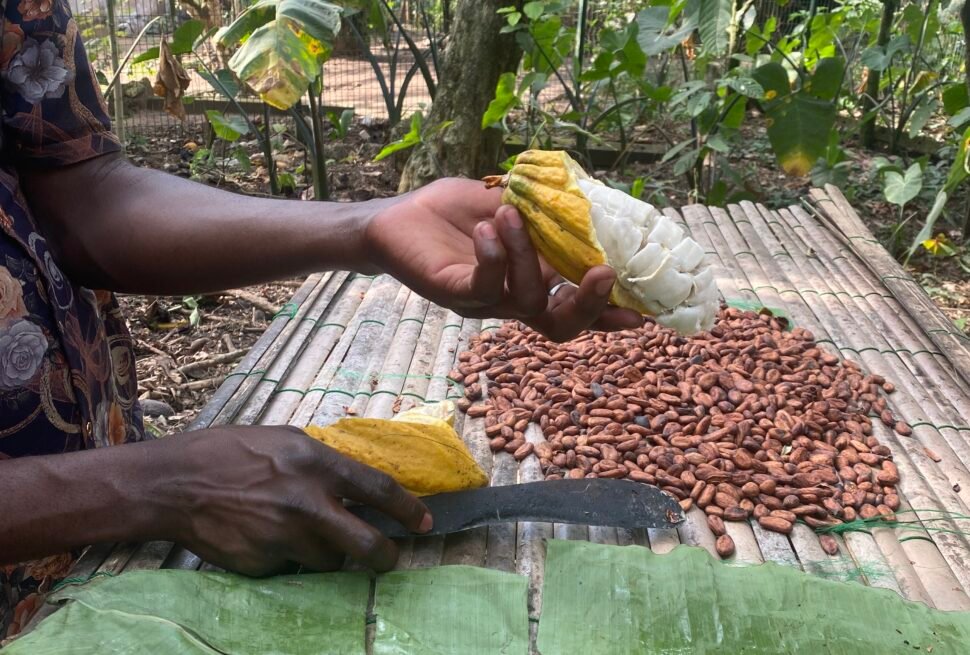
Food represents a major portion of any travel budget. Relying on hotel restaurants will quickly deplete your funds. Instead, seek out local eateries known as chop bars. These spots offer authentic, hearty meals for a fraction of the cost found in tourist-heavy establishments. Buying fruit and water from local market stalls keeps you hydrated and fueled affordably. While major capital cities like Accra or Lagos may offer more luxury-budget dining options, rural regions offer significantly lower costs if you adapt to local seasonal ingredients.
Accommodation also requires a strategic approach. While luxury resorts exist, budget friendly accommodation is widely available if you know where to look. Guest houses and local hostels often provide clean, safe, and social environments. When booking, check online reviews specifically mentioning cleanliness and location to ensure value for your money. For solo travelers choosing these alternatives, look for properties with 24-hour reception or those located within bustling community centers, as these naturally provide better security through passive surveillance.
Navigating transportation costs
Transportation serves as the backbone of your journey. Renting a car is rarely the most cost-effective option for a solo traveler. Public transport, including regional VIP buses and shared taxis, allows you to move between cities cheaply. Always ask locals about the standard price before entering a shared taxi to avoid overpaying. Official bus terminals offer more reliable, fixed pricing compared to private transit touts. We recommend verifying routes via the official Ghana government portal for any travel advisories or infrastructure updates that might impact road travel.

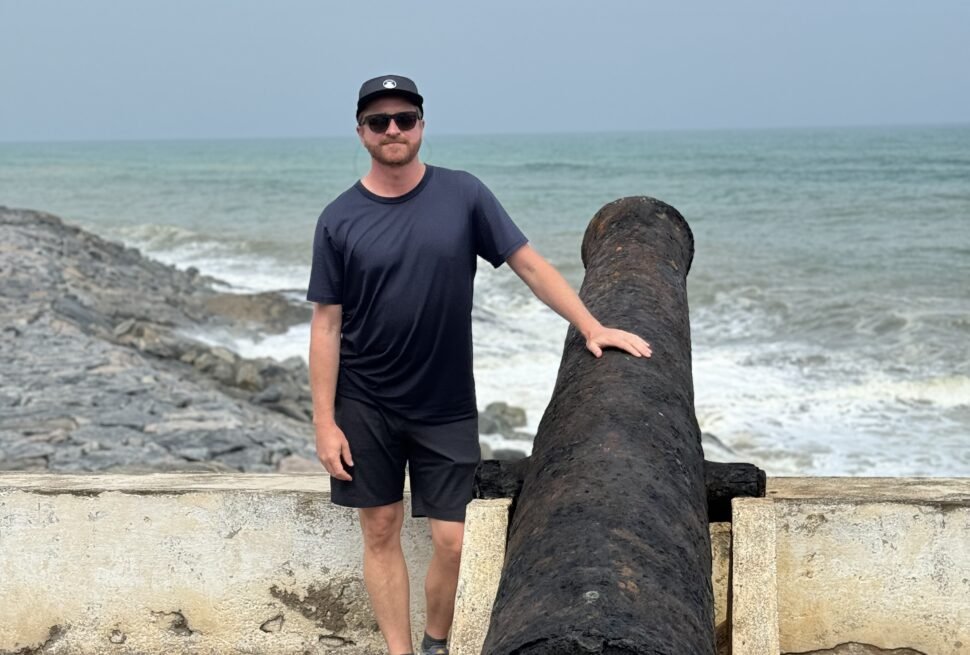
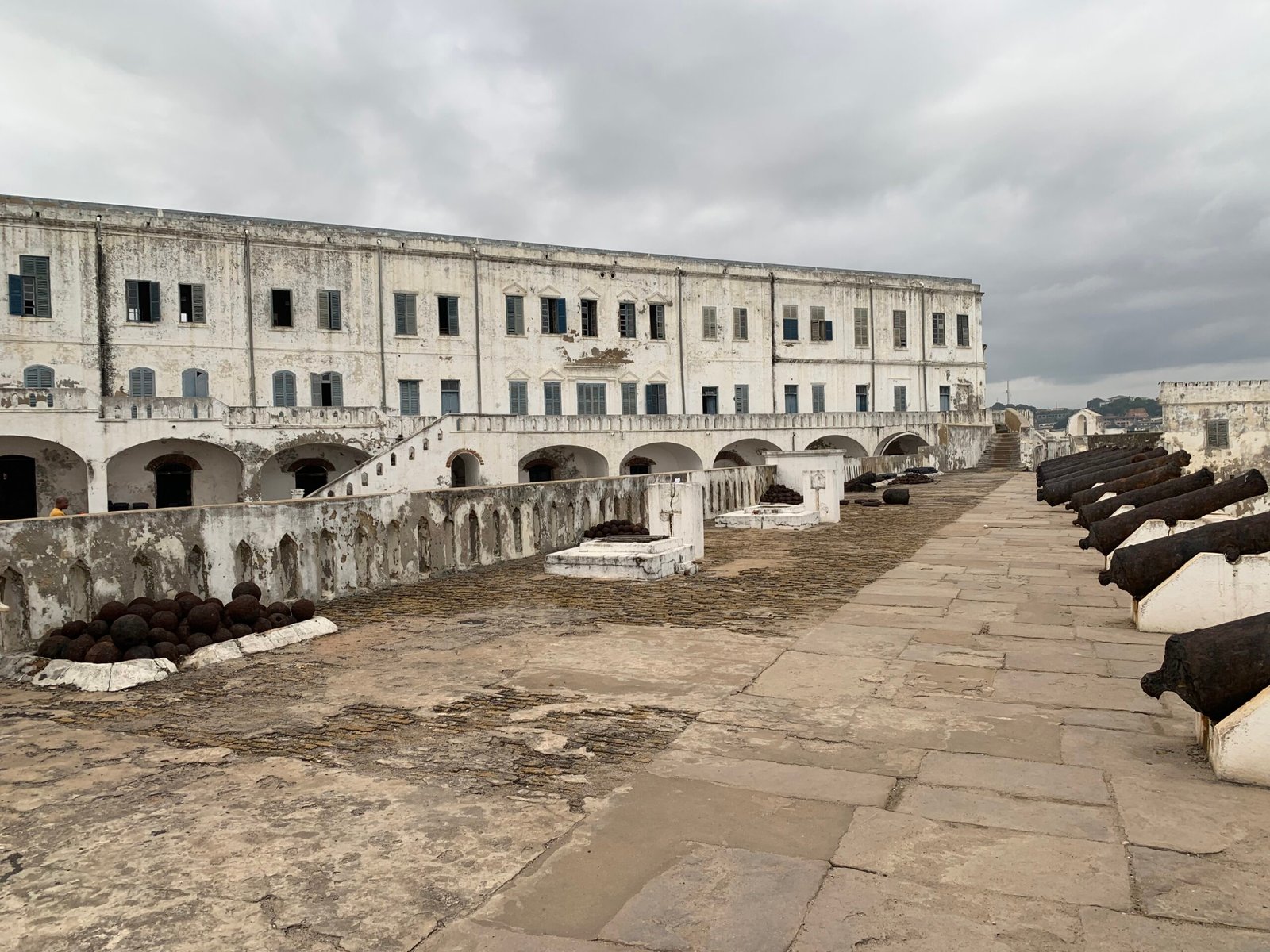
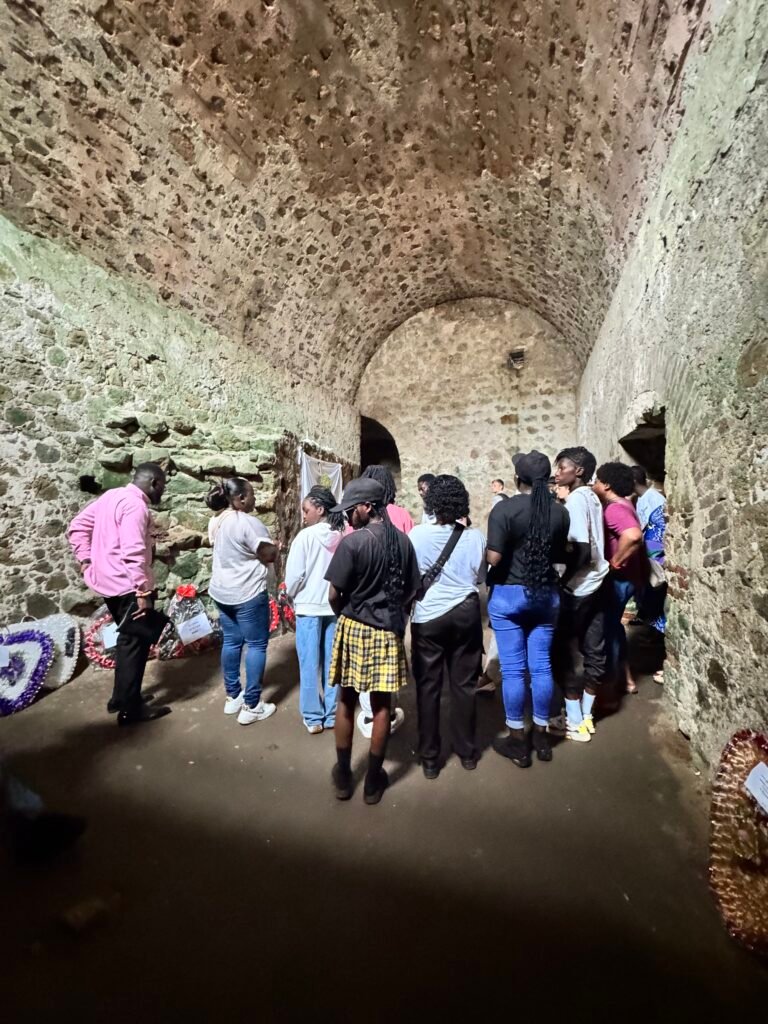
Discover Cape Coast Historical Tour First, three iconic landmarks—Cape Coast Castle, Elmina Castle, and Kakum National Park—weave compelling stories of…
Managing money and currency fluctuations
Exchange rates can fluctuate rapidly across the West African sub-region. To mitigate this risk, avoid changing large amounts of currency at airports, where rates are typically poor. Banks and authorized exchange bureaus generally provide better rates. While some travelers prefer using a multi-currency travel card, physical cash remains king in many rural regions. Always carry enough local currency for your immediate needs and a backup supply of US Dollars or Euros for emergencies.
Regarding real-time currency management, most travelers do not have access to instant, dynamic pricing tools for local markets. Instead, observe the market rate at a reputable bank on your first day and use a basic currency conversion app to track your daily spend. Maintaining a spreadsheet of expenses is one of the most effective travel money saving strategies to ensure you remain within your projected budget for the duration of your stay.
Safety and security for budget travelers
Solo travelers often worry about safety when choosing cheaper accommodations. However, simple precautions bridge the gap between low costs and personal security. Always choose places with 24-hour reception or secure fencing. Keep your valuables locked in a travel safe or leave them behind entirely if they are not needed. Furthermore, share your detailed itinerary with a trusted friend or family member before moving to a new destination. Staying informed ensures that your low-cost choices never compromise your well-being.
When selecting budget accommodation, prioritize properties located within populated areas rather than remote, isolated outskirts. Use reputable booking platforms that verify guest reviews. If you are staying in a shared dorm, ensure you have a sturdy padlock for your locker. These small investments in security go a long way in providing peace of mind while traveling on a shoestring.

Experience the Cape Coast and Elmina Tour First, this Cape Coast and Elmina Slave Castle Tour provides a profound journey…
Advanced travel budget planning
Effective travel budget planning goes beyond just spending less; it involves prioritizing where your money brings the most value. Consider the difference between high-traffic tourist hubs versus secondary towns. In secondary towns, your dollar will stretch twice as far. Spend time researching your next destination’s cost of living by looking at local price indices for basic goods like bottled water and local staples.
Additionally, consider the seasonal aspect of your trip. Visiting during the low season can significantly reduce accommodation costs, though you must weigh this against potential weather impacts. Keep a “buffer fund” for unexpected costs—this is essential for any long-term traveler. If you monitor your spending trends weekly, you can pivot your strategy if a specific city or region is proving more expensive than anticipated. Flexibility is the ultimate hack for any long-term budget traveler.

Frequently Asked Questions (FAQ) for budget travel tips
Use a mobile spreadsheet or note-taking app to record every expense immediately, so you do not forget the costs at the end of the day. This helps you identify where you can trim your budget in real time.
Generally, yes, if you choose busy stalls with high turnover. High customer traffic usually indicates fresh food and good hygiene. Always prioritize cooked, hot food over pre-cut salads or raw items when eating at markets.
Carry a mix. While ATMs are available in major cities, cash is essential for transport and rural markets where card machines are non-existent. Always keep a backup of USD or Euros in a separate, secure location.
Always ask multiple locals or your hostel staff for the standard “going rate” before approaching a taxi driver or bus terminal clerk. Never accept the first price offered without conducting a quick, informal price check.
Traveling with a partner often reduces costs significantly, as you can split the price of accommodation and private transport between two people. Shared rooms and group transport rates are almost always more economical per person than solo rates.
The best hacks involve local integration: use local SIM cards to avoid roaming charges, travel during daylight hours to save on night transport surcharges, and use local markets to shop for snacks instead of buying at tourist-centric convenience stores.