
TL;DR: The Adventurer’s Summary
Sustainable tourism is about more than just avoiding plastic bottles. It requires a commitment to local economies, cultural respect, and environmental stewardship. By choosing small-scale accommodations, respecting wildlife habitats, and supporting local artisans, you can ensure your travels foster positive change rather than depletion.
Sustainable tourism is a transformative approach to exploring the globe that seeks to minimize the negative impacts of travel while maximizing the benefits for host communities and ecosystems. When you choose to travel responsibly, you are actively participating in a global movement to preserve the cultural and natural heritage of the destinations you visit. This guide provides actionable insights to help you navigate your next journey with awareness, ensuring that your footprints contribute to long-term positive change rather than degradation.

Understanding Sustainable Tourism in Practice
At its core, this concept is often misunderstood as being strictly about environmental protection. However, true success in this field balances three critical pillars: economic viability, social equity, and environmental conservation. When you visit a new location, you should aim to contribute to the economic prosperity of the local residents, respect the social fabric of the community, and protect the fragile environments that make the destination special.
Economic viability is arguably the most direct way for travelers to influence change. When you book a multinational hotel chain, a large portion of your travel expenditure flows out of the country to foreign shareholders. In contrast, by choosing locally owned lodges, guesthouses, or homestays, your capital circulates within the immediate community. This supports family-run businesses and contributes to regional sustainable development goals, allowing local communities to retain the wealth generated by their own heritage sites.
Distinguishing Genuine Sustainable Tourism from Greenwashing
As travelers become more conscious of their impact, many companies have begun to leverage the popularity of green travel. This has led to the rise of ‘greenwashing,’ where businesses market themselves as eco-friendly without implementing verifiable changes. To identify a truly responsible operator, look for transparency in their daily operations. A genuine provider will openly share details regarding their waste management systems, water usage, and staff compensation packages.
Certification programs serve as a helpful, though not exhaustive, indicator of quality. Frameworks like the Global Sustainable Tourism Council (GSTC) criteria provide a baseline for assessing sustainability. However, remember that many small-scale, community-run initiatives may lack the funds for formal certification while performing better on the ground than massive resorts with high energy consumption. Look for evidence of local procurement—do they buy food from regional farmers? Do they hire local staff for management roles? These are often better indicators than a shiny eco-badge.
Actionable Habits for the Modern Traveler
Adopting responsible habits is about shifting your perspective on how you occupy space in a new culture. It does not require a total sacrifice of comfort; rather, it requires intentionality. Start by packing reusable items. Bringing a high-quality water filtration bottle can eliminate dozens of single-use plastic bottles from your trip, which is critical in regions where waste management infrastructure is limited.
Respecting local customs is equally vital. Before you even arrive, spend time researching cultural etiquette. Always ask for permission before taking photographs of individuals or sacred spaces. When you engage in sustainable tourism, you are supporting tours that emphasize deep connection over mass-market consumption.
Transportation is another area where small changes yield big results. While flying is often necessary for long-distance travel, once you land, try to limit private transfers. Opting for shared taxis, public buses, or trains not only reduces your carbon footprint but also places you in a more authentic setting, offering a deeper understanding of local life. Even in rural areas, taking time to walk or hire a local guide for cycling tours can dramatically change the nature of your visit.

Experience the Best of Mole Park Wildlife Safari Mole Park Wildlife Safari is Ghana's largest game park, providing the ultimate…
The Role of Environmental Conservation
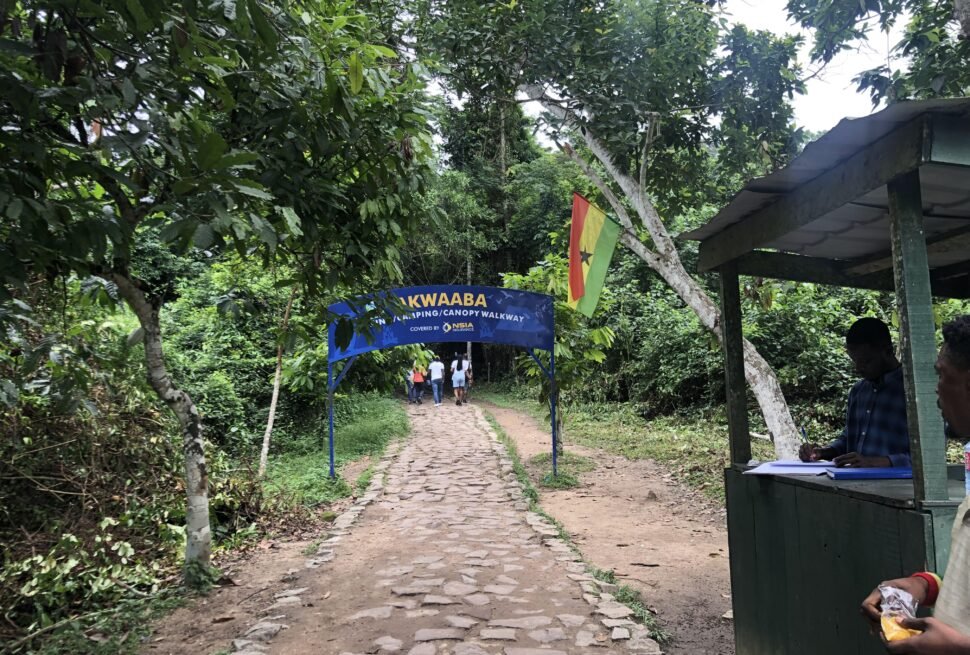
Environmental conservation is the bedrock of long-term viability for the tourism industry. When visiting protected areas, the most effective habit is strict adherence to ‘leave no trace’ principles. Stick to designated trails to avoid trampling native flora, and maintain a respectful distance from all wildlife. Feeding or habituating animals to human presence disrupts natural behaviors and can lead to dangerous dependency.
If you are planning to visit protected parks or heritage sites, it is helpful to consult the UNESCO World Heritage Centre guidelines to understand the specific ethical requirements for international visitors. These standards ensure that your visit helps fund the protection of these sites through entry fees and permit costs, which directly support ranger patrols and conservation technology.
Beyond parks, consider your daily consumption of resources. Electricity and water are precious commodities in many developing regions. Treat your usage as if you were in a host’s home: turn off lights, shorten your showers, and avoid unnecessary air conditioning. By being mindful of your individual consumption, you reduce the strain on local infrastructure.

Socio-Economic Impact of Your Visit
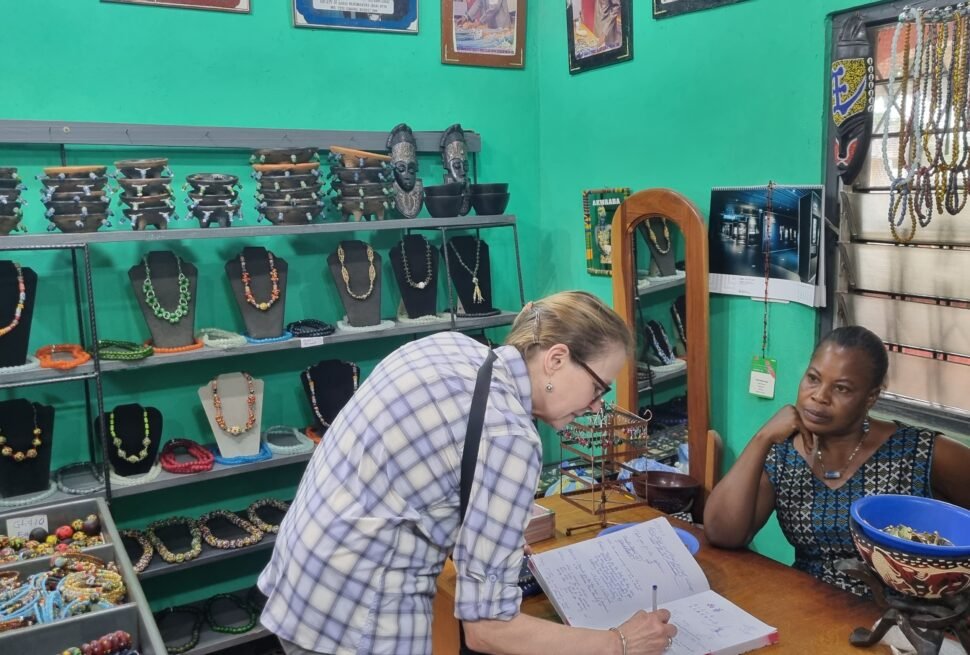
The social component of responsible travel involves viewing your visit as a reciprocal relationship. When buying souvenirs, skip the mass-produced trinkets sold in souvenir shops. Instead, seek out direct artisan markets where you can purchase crafts from the people who actually produced them. This direct support helps preserve traditional skills that might otherwise be lost in a globalized economy.
Additionally, prioritize local food systems. Eating at local restaurants, markets, and street stalls boosts regional agriculture. Avoiding products that are heavily imported helps to lower the carbon cost of your diet while ensuring your money reaches local farmers and food workers. This creates a cycle where your presence rewards the community for preserving its own traditions, environment, and culture.
Consider also the concept of ‘community-based tourism.’ This model involves local communities managing tourism services themselves. When you choose to participate in community-led village tours or homestays, you are helping to ensure that the profits are distributed fairly among the participants. This is the ultimate goal of ethical travel: to leave the destination better than you found it, with stronger community ties and preserved natural habitats.

Discover Shai Hills Safari Tour | Ghana Experience Our Shai Hills Safari Tour First, nature lovers discover an eco-friendly wildlife…
Frequently Asked Questions
The most effective starting point is reducing your reliance on single-use plastics and shifting your budget toward locally owned accommodation and transport. These choices immediately reduce your environmental impact and keep your money circulating within the local economy.
Look for concrete evidence of their policies. A truly responsible operator will clearly describe how they manage waste, source food, and ensure fair pay for their staff. If they cannot provide these details, they may be greenwashing.
Public transportation is more energy-efficient per person compared to private transfers. Using shared transport reduces the overall number of vehicles on the road, decreases total emissions, and often provides a much more authentic look at the local way of life.
Yes, tipping is an important part of responsible travel, provided it is done in accordance with local standards. Fair tipping supports the livelihoods of service workers and helps bridge income gaps, especially in regions with seasonal tourism patterns.
Your visit provides critical financial resources through entrance fees to parks and conservation areas. These funds are used to pay for park rangers, wildlife protection projects, and habitat restoration, which are vital for maintaining the health of the ecosystem.
Yes, individual actions aggregate into significant change. When travelers consistently demand eco-friendly practices and support local businesses, the tourism industry is forced to adapt its business models to meet that demand, leading to broader systemic change.