
TL;DR: The Adventurer’s Summary
Mole National Park is Ghana’s premier destination for wildlife viewing, particularly renowned for its elephant population. Located in the Northern Savannah region, access is best via Tamale. Plan for at least a three-day trip to accommodate travel logistics from Accra. Always hire a certified guide for walking safaris, consult your doctor regarding malaria prophylaxis, and verify the latest entrance fees with the Forestry Commission before departing.
Mole National Park stands as the jewel of Ghana’s conservation efforts. Offering travelers a rare and authentic experience in the heart of West Africa. Unlike the highly commercialized reserves found in East or Southern Africa, this sanctuary provides an intimate connection with nature within a sprawling savannah woodland habitat. Whether you are traveling specifically for elephant tracking or seeking a serene escape from the energetic pace of Accra. Understanding the logistics of this remote region is the first step toward a successful journey.
Planning Your Trip to Mole National Park
Planning a trip to northern Ghana requires attention to detail, particularly regarding the long transit from the coast. Most international visitors arrive in Accra, and from there, the journey to the park is significant. For those on a limited schedule, the most efficient method is a domestic flight from Kotoka International Airport to Tamale Airport. Several regional carriers operate this route daily, and the flight typically takes around one hour.
If you prefer an overland journey to experience the changing landscapes of Ghana, you can board a long-distance bus from Accra to Tamale. Be prepared for a journey that can last between 12 and 15 hours depending on road conditions and traffic. Once you arrive in Tamale, the final leg to the park involves a journey of approximately three hours. You can hire a private taxi, which offers the most flexibility, or opt for a shared minibus, known locally as a tro-tro, for a more budget-friendly approach. For breakdown of local transit choices, read our guide on navigating travel from Tamale to the Mole National Park entrance.
Understanding Fees and Access
Financial planning is essential when visiting protected areas in Ghana. Entrance fees are categorized based on residency status, distinguishing between international visitors, regional citizens, and domestic residents. These fees support the essential work of the Forestry Commission in maintaining the ecosystem and protecting the resident elephant population. Because prices are subject to periodic adjustments, we strongly recommend checking the official Ghana Forestry Commission Wildlife Division website for the most accurate and current tariff schedule before you travel. You should also ensure you carry sufficient Ghana Cedis, as local facilities at the park are often unable to process international credit cards.
The Experience of Elephant Tracking
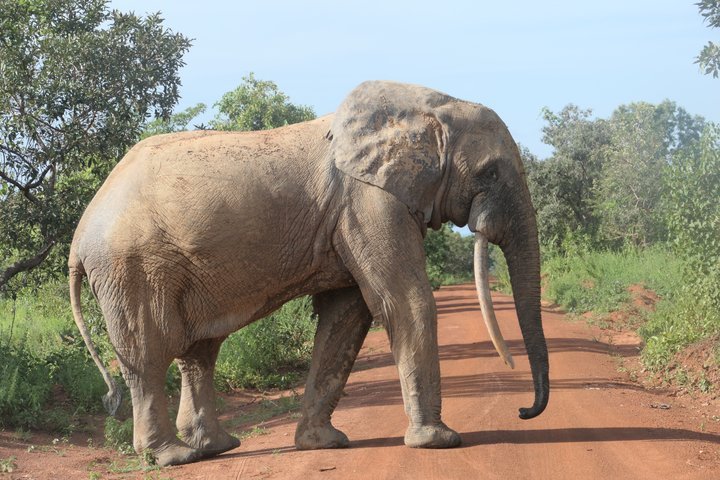
The quintessential experience here is undoubtedly the walking safari. Unlike other destinations where viewing is strictly limited to enclosed vehicles, the park allows visitors to explore the savannah on foot, led by an experienced professional guide. This proximity to wildlife, particularly the herds of African elephants that congregate at the watering holes, is transformative. During the peak dry season, which generally runs from November to April, the thinning vegetation makes spotting animals significantly easier.
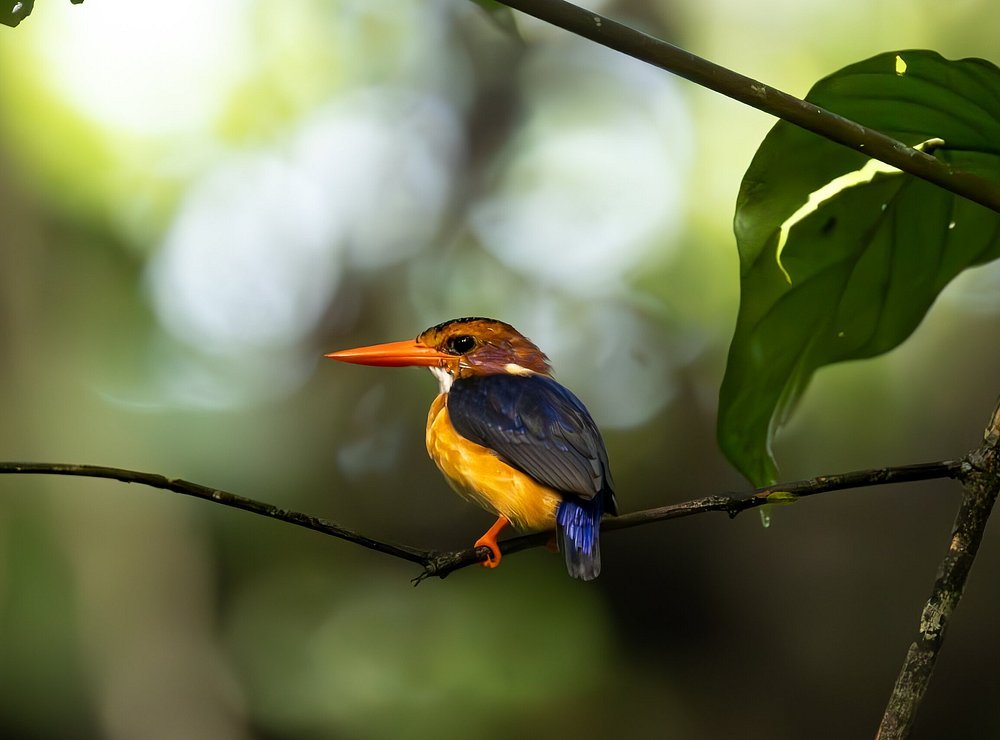
Beyond the iconic elephant encounters, the park is a sanctuary for diverse wildlife, including kob antelopes, hartebeests, waterbucks, and warthogs. The avian population is equally impressive. Drawing birdwatchers from across the globe to identify species within the unique savannah woodland habitat. Morning walks are typically scheduled early, starting around 7:00 AM, to capitalize on the cooler temperatures and higher animal activity levels before the midday sun peaks.
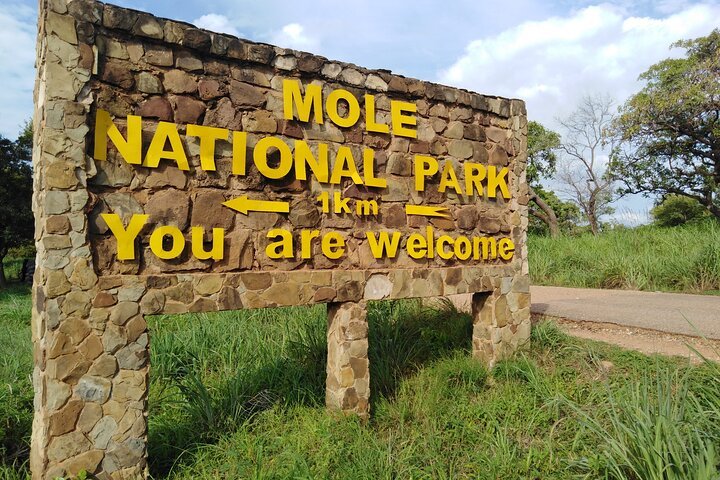
Experience the Best of Mole Park Wildlife Safari Mole Park Wildlife Safari is Ghana's largest game park, providing the ultimate…
Health and Safety Protocols
Visiting remote northern regions requires strict adherence to health guidelines. Malaria remains a risk in this part of the country; therefore, you should consult your healthcare provider. Or a travel clinic at least six weeks before departure to discuss a course of malaria prophylaxis. Additionally, ensure your routine vaccinations are up to date and that you have your yellow fever vaccination card on your person, as immigration officials may require proof of immunization upon entry to Ghana.
Safety within the park is maintained by strict park regulations. Walking safaris must always be conducted with a licensed ranger who possesses deep knowledge of animal behavior. Always listen carefully to your guide’s instructions; if they advise staying quiet or keeping a specific distance, follow those directions without hesitation. Furthermore, pack adequate protection against the sun and insects. High-SPF sunscreen, wide-brimmed hats, and DEET-based insect repellent are essential items for any successful safari. The combination of high temperatures and harsh UV rays can lead to rapid dehydration, so keep a reusable water bottle filled and drink frequently, even if you do not feel thirsty.
Where to Stay and Local Culture
The most iconic accommodation option is the Mole Motel, situated on an escarpment overlooking the park. Its location provides an unparalleled vantage point for observing animals from the viewing deck, particularly during the sunset hours. Staying here allows you to immerse yourself in the natural rhythm of the savannah. Nearby, you will find the historic village of Larabanga, home to one of the oldest mosques in West Africa. A short visit to this community provides fascinating insights into the local culture and architecture. Offering a perfect complement to your nature-focused itinerary.
When staying at the motel or in the surrounding area, remember that facilities can be modest. Electricity may be subject to occasional disruptions, and water usage should be minimized to support the park’s sustainability efforts. Bring a headlamp or flashlight for walking around at night and consider bringing a portable power bank for your electronics, as outlet access can be limited. The atmosphere among travelers is generally communal, with guests often congregating in the shared dining areas to share stories of their daily sightings. Embracing this communal spirit is part of the charm of visiting this unique destination.
Experience the Best of Mole Park Wildlife Safari Mole Park Wildlife Safari is Ghana's largest game park, providing the ultimate…
Frequently Asked Questions for Mole National Park
The dry season, from November to April, is widely considered the best time to visit because the sparse vegetation makes wildlife easier to spot and the elephants frequently gather at the lodge’s watering hole.
Yes, walking safaris are safe as long as you are accompanied by a certified park ranger. These professionals are trained to navigate the bush and manage encounters with wildlife, keeping you at a respectful and safe distance.
You should withdraw enough cash in Tamale before heading to the park. ATMs are scarce, and the lodge may not always have functional card machines, so having local currency is essential for paying your entry fees and guide tips.
Most foreign nationals require a visa to enter Ghana. You should apply at your nearest embassy or consulate well in advance of your trip. Ensure your passport is valid for at least six months beyond your departure date.
Pack lightweight, breathable, neutral-colored clothing made of natural fabrics like cotton or linen. Long sleeves and trousers are recommended to protect against both intense sun and biting insects during your morning or evening walks.
You can visit during the rainy season, which occurs from May to October, but be aware that the landscape becomes very lush, making wildlife harder to spot. Some park roads may also become difficult to traverse during heavy rainfall.


[…] planning your Mole National Park: The Complete Guide to Ghana Wildlife Safaris, you must account for daily entry fees. As of recent updates, park entrance fees for non-resident […]