TL;DR: The Adventurer’s Summary
Accra is a city of layers. To experience the best of it, prioritize the Kwame Nkrumah Memorial Park for history, the Arts Centre for souvenirs, and Osu for nightlife. Use ride-hailing apps like Uber or Bolt for reliable transport, and always carry local currency (GHS) for smaller vendors. Safety is high, but exercise normal caution in crowded markets like Makola.
Accra is the heartbeat of Ghana, a sprawling, energetic metropolis where colonial history meets rapid modernization. If you are preparing for your first West African adventure, finding the right places to see in Accra can be overwhelming due to the sheer volume of activity. This guide breaks down the essential landmarks, cultural hubs, and logistical necessities to ensure your trip is seamless, from understanding entry fees to mastering local transport etiquette.
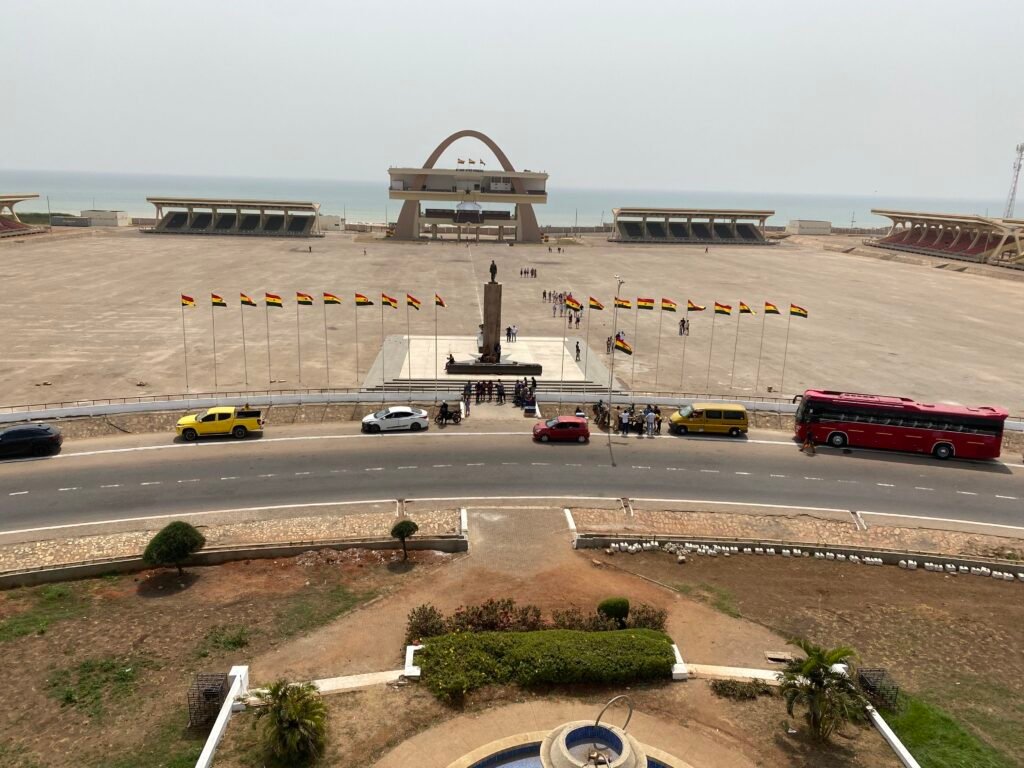
Essential Places to See in Accra for History Buffs
Accra is a city defined by its fight for independence and its rich pan-African heritage. You cannot visit the capital without paying respects to its founding fathers and understanding the national story.
The Kwame Nkrumah Memorial Park is arguably the most significant site in the city. It serves as the final resting place of Ghana’s first president. The surrounding park is peaceful, featuring bronze statues and a museum detailing his life. It remains a primary hub for those interested in the history of independence. For more details on planning your visit to this landmark, read our Kwame Nkrumah Memorial Park: A Complete Visitor Guide.
Nearby, Independence Square stands as a massive monument to national pride. It hosts major parades and celebrations. While you are there, take a moment to observe the Black Star Gate, which symbolizes the guiding star of African freedom. Entry to the public square is generally free, though specialized tours may require a donation or guide fee.
Immersing Yourself in Culture and Art
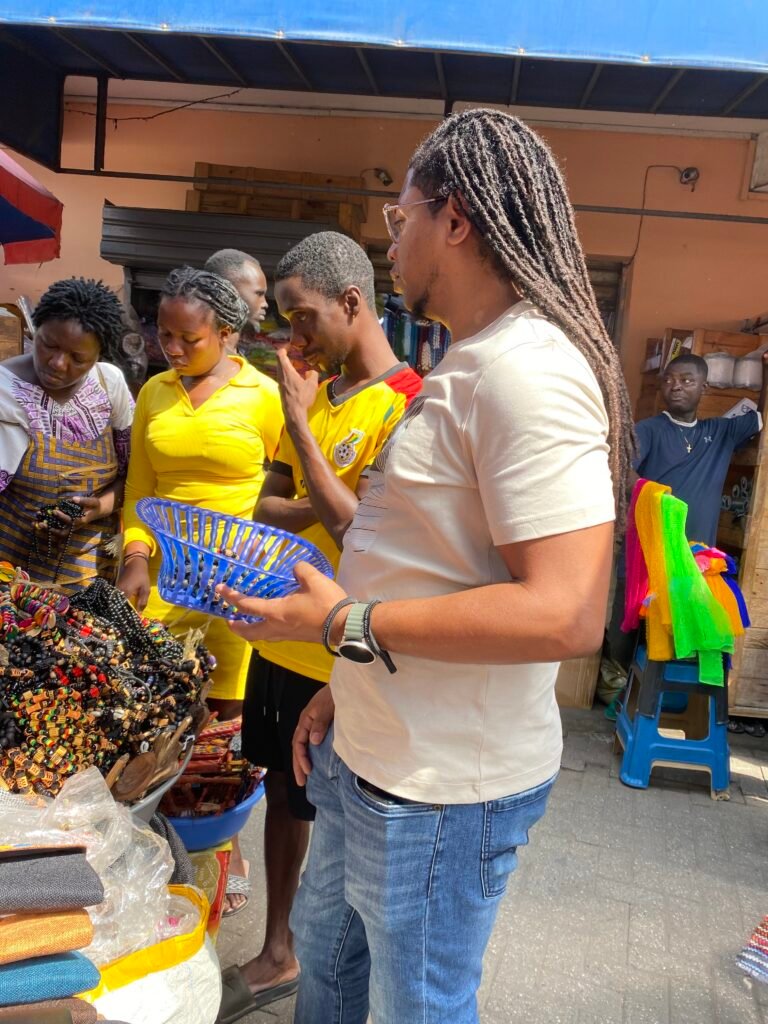
Beyond the monuments, the soul of Accra is found in its art and social spaces. The Centre for National Culture, often called the Arts Centre, is the go-to spot for traditional crafts, beads, and textiles. While it is a bustling marketplace, it is also a cultural education. You must be prepared to bargain, as it is a standard part of the shopping experience here. Carry small denominations of GHS to facilitate these transactions.
If you prefer a more refined artistic experience, visit the Nubuke Foundation. This space supports contemporary Ghanaian art and hosts frequent exhibitions. It is tucked away from the city noise and offers a quiet retreat for art lovers. Another site worth visiting is the Jamestown district. Here, you can see the historic lighthouse and experience the rugged, historic charm of one of the oldest parts of the city. Accessing Jamestown is best done via ride-hailing apps, as the winding streets can be difficult to navigate for unfamiliar visitors.
Logistics: Transport and Entry Fees
Navigating Accra can be an adventure. Public transport, known locally as “tro-tros,” is inexpensive and a cultural staple, but it can be confusing for first-time visitors due to non-standardized routes and stops. For reliability and safety, I strongly recommend using ride-hailing apps like Uber or Bolt. These apps offer transparent, upfront pricing and built-in GPS tracking, which is ideal for tourists visiting landmarks in Accra.
When planning your budget for entrance fees, keep in mind that most museums and parks charge a tiered system. International visitors typically pay between 50 GHS and 150 GHS for entry to major historical sites, while local residents pay reduced rates. Prices are subject to change based on government policy, so always check with site management or hotel concierges upon arrival. It is best to carry cash in GHS for these payments, as digital payment infrastructure at smaller ticket kiosks is not yet universal.

Discover Accra City Day Tour | Ghana Discover Our Accra City Day Tour First, travelers experience the energetic pulse, rich…
Safety, Etiquette, and Cultural Norms when it comes to places to see in Accra
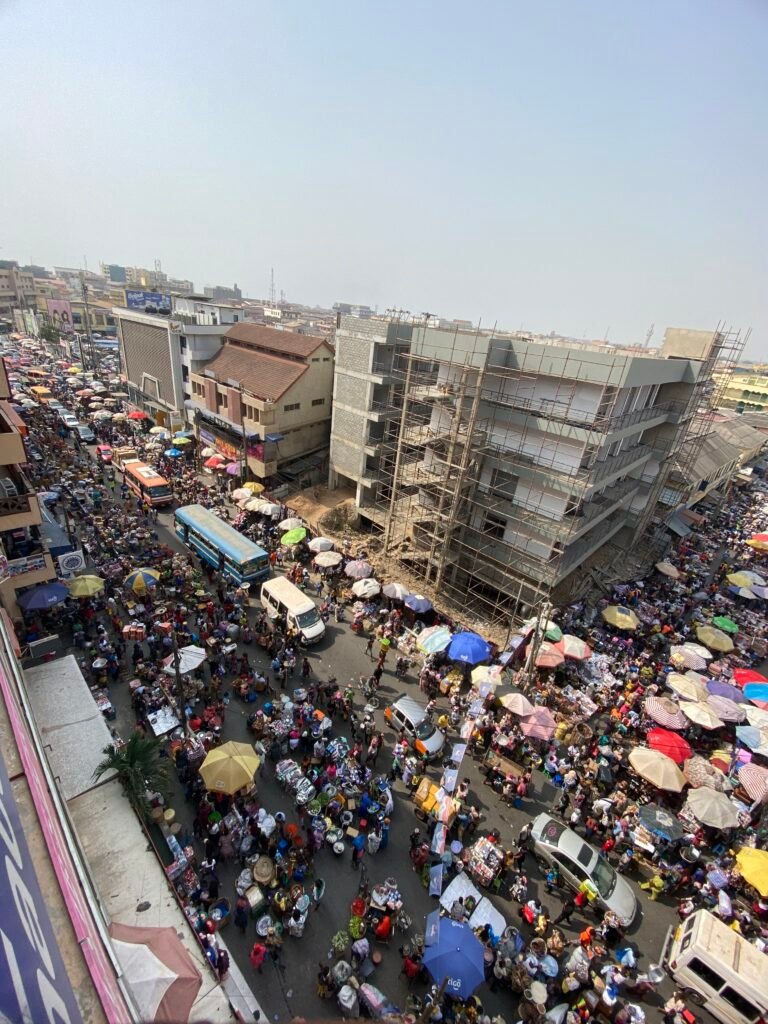
Accra is generally a safe city for international travelers. However, common sense applies. Avoid walking alone late at night in unlit areas, and keep your belongings secure in crowded spaces like Makola Market, where pickpocketing can occur in the high-density environment. If you take photographs, always ask permission first, especially when photographing locals, street vendors, or government buildings, as this is a matter of basic courtesy.
Ghanaians are known for their immense hospitality, but they also value modesty. When visiting religious sites or government offices, ensure your shoulders and knees are covered. Furthermore, always use your right hand when shaking hands or passing items to others, as this is a key cultural norm in West Africa. Using your left hand is considered disrespectful in many traditional contexts.
Official Travel Resources for places to see in Accra
For the most updated information on national sites, opening hours, and regional travel regulations, the Ghana Tourism Authority provides the official guidelines for visitors. Their website is an essential tool for checking seasonal events, such as the famous Chale Wote Street Art Festival, which brings Jamestown to life each year. Using official sources ensures you are getting the latest details on park accessibility and public holidays that might affect operating hours.
Packing for Accra requires preparation for the humid, tropical climate. Prioritize light, breathable clothing, a reusable water bottle, and high-SPF sunscreen. Also, consider bringing a high-capacity power bank. Between navigating your route via apps and taking photos of your journey, your mobile devices will drain quickly. Stay hydrated and ensure you have a basic first-aid kit with rehydration salts, especially if you plan on extended days of outdoor sightseeing.

Discover Accra Nightlife Tour | Afrobeats & Food Overview Discover Our Accra Nightlife Tour First, party lovers and culture seekers…
The Atlantic Ocean
If you enjoy photography, try to visit the coastal areas during the “golden hour” just before sunset. The light hitting the Atlantic Ocean provides a spectacular backdrop for capturing the local fishing boats in Jamestown. Remember that the weather remains warm year-round, so scheduling your sightseeing for the early morning or late afternoon helps you avoid the harshest midday sun while visiting the top places to see in Accra.
When interacting with locals, a simple greeting goes a long way. Phrases like “Agoo” (to announce your arrival) or “Akwaaba” (welcome) are deeply appreciated by hosts. Engaging with the community adds significant value to your trip. Whether you are at a local cafe or a museum, being open to conversations can provide a much deeper insight into the local lifestyle than a guidebook ever could. Accra is a city that rewards those who are patient, observant, and respectful of local customs.
Finally, always keep a copy of your identification and embassy contact details stored separately from your original documents. While Accra is welcoming, being prepared is the hallmark of an experienced traveler. By following these guidelines, you will find that the city is incredibly accessible and that the local culture is one of the most vibrant you will ever experience in Africa. Enjoy your journey through the capital city.
Frequently Asked Questions (FAQ) for places to see in Accra
Yes, Accra is generally safe and very welcoming to solo travelers. Use ride-hailing apps for movement, stay in reputable neighborhoods like Osu, Cantonments, or Labone, and you will find it quite manageable.
The best time is during the dry season, from November to March. The weather is less humid, and the Harmattan breeze makes the temperature significantly more pleasant for exploring outdoors.
Most international travelers require a visa to enter Ghana. Check the latest entry requirements on the official website of your local Ghanaian embassy or consulate well before your scheduled departure date.
While large hotels, upscale restaurants, and some malls accept international credit cards, cash remains king in most other places. Always have GHS on hand for markets, taxis, and small shops.
A local meal at a street-side restaurant can cost as little as 30-50 GHS, while a full meal in a mid-range or fine dining establishment can range from 150 to 300 GHS per person.