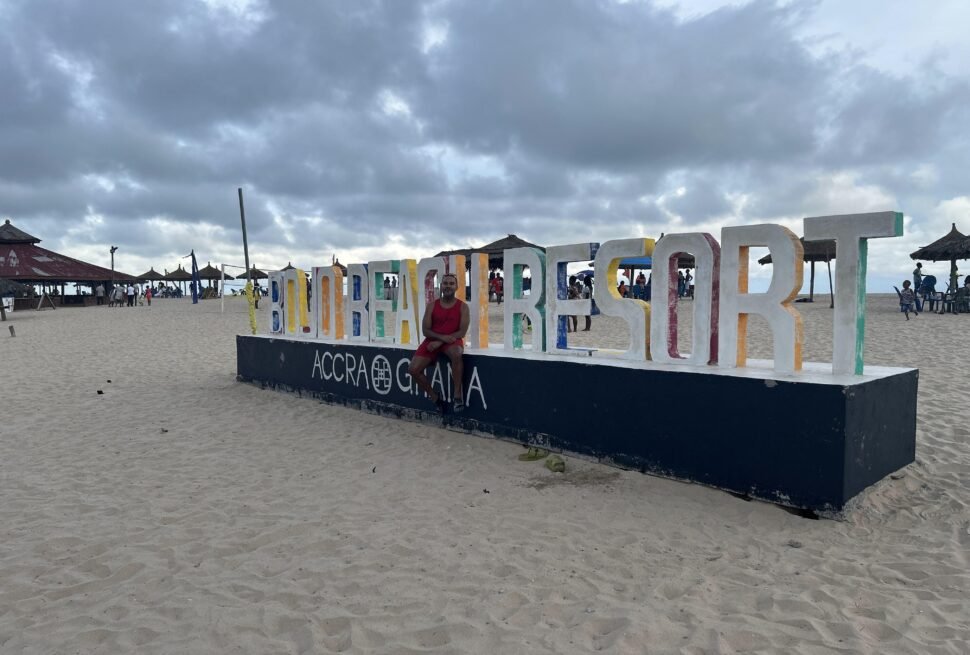
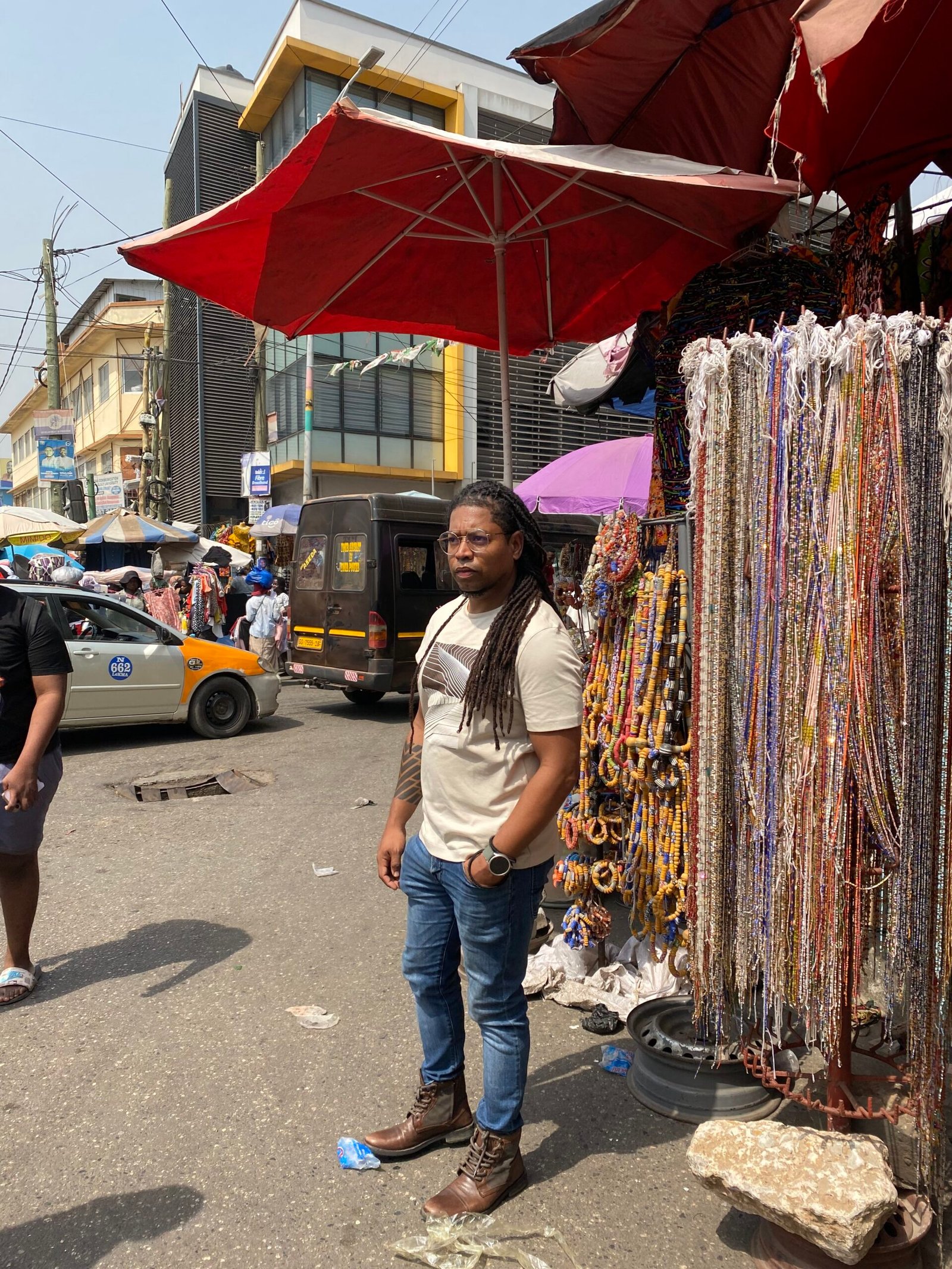
TL;DR: The Adventurer’s Summary
Accra is a bustling, energetic metropolis. Prioritize the Independence Arch, the Kwame Nkrumah Memorial Park, and the vibrant arts scene in Jamestown. Use ride-sharing apps like Uber or Bolt for safe transit. Always carry some physical Ghanaian Cedis for market purchases and follow local etiquette, such as using your right hand for greetings.
When you start planning your trip and researching the best things to do in Accra Ghana, you quickly discover that this city is the rhythmic heartbeat of West Africa. Accra is a unique destination where colonial-era history seamlessly blends with a forward-thinking, modern creative energy. Whether you are a first-time visitor or a returning traveler, knowing exactly what to do in Accra Ghana will help you navigate this sprawling capital with confidence and ease. From the salty breeze of the Atlantic coast to the colorful chaos of central markets, this city promises an authentic experience for every visitor.
The Top Things to Do in Accra Ghana
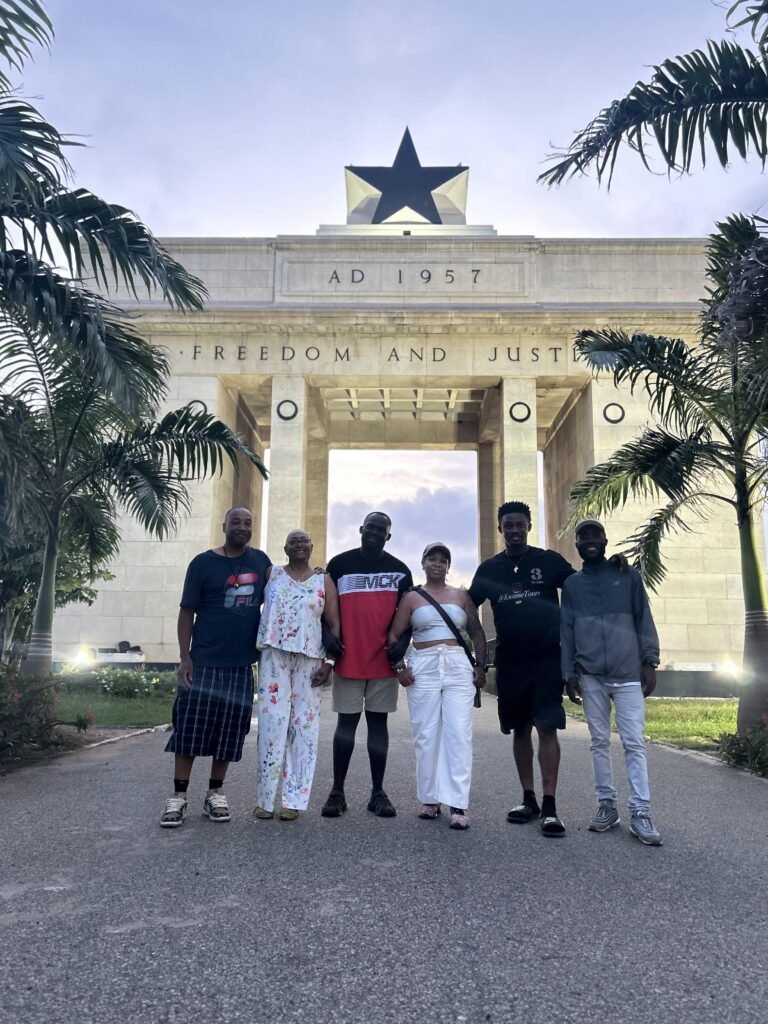
Your journey should begin by visiting the city’s landmark sites. These locations provide the necessary context to understand modern Ghana. The Independence Arch and Black Star Square are perhaps the most iconic landmarks in the city. They represent the country’s hard-fought struggle for sovereignty. Entrance to the plaza is generally free, but keep in mind that photography near official government buildings can sometimes be restricted. Always ask a local guide if you are unsure.
Next, you must visit the Kwame Nkrumah Memorial Park. This site honors Ghana’s first president and father of Pan-Africanism. The park recently underwent significant renovations, offering a beautiful, landscaped environment that houses a museum and a mausoleum. For international visitors, the entrance fee is currently approximately 50 GHS, though you should always confirm the exact rate upon arrival as tourism policies can fluctuate.
Exploring Accra’s Artistic Districts
Jamestown is arguably the most authentic neighborhood you can visit. Known for its distinct colonial lighthouse and weathered, character-filled architecture, it is a hub for history and local life. Walking tours here are essential to avoid missing the nuance of the local fishing community and the historic forts. If you want to dive deeper into the intersection of tradition and modern artistry, book a guided Accra City Day Tour to navigate these narrow streets safely and learn the local history from an expert.
For those interested in the contemporary arts, the Osu district is the place to be. It serves as the primary heartbeat of the city’s nightlife and creative scene. You will find independent galleries, craft shops, and cozy cafes tucked away on quiet side streets. It is the perfect spot to spend a long afternoon after exploring the historical museums in the city center.
Practical Logistics for Your Ghana Travel Guide
Navigating Accra requires a bit of patience. The city’s traffic, famously referred to by locals as “go-slow,” can be quite intense during peak hours, specifically between 7:00 AM and 9:00 AM, and again from 5:00 PM to 7:00 PM. As a strategic traveler, you should plan your daily activities by district to minimize time spent in transit.
When considering transportation, avoid the informal “tro-tros” if you are short on time or unfamiliar with local routes. While they are a cultural staple, they can be confusing for visitors. Instead, rely on reliable ride-sharing applications like Uber or Bolt. These services provide transparent pricing and GPS tracking, which significantly improves your safety and peace of mind. Always ensure your driver has a high rating and verify the vehicle’s license plate against the app before entering.
Regarding safety, Accra is generally very welcoming to international tourists. However, standard urban precautions apply. Keep your belongings secure in high-traffic areas like the Makola Market. Avoid walking alone in dimly lit or deserted areas late at night. Instead, stick to popular hubs like Osu or Cantonments for evening dining. For official health guidelines and country-specific tourism updates, consult the official Ghana Tourism Authority website before finalizing your itinerary.

Discover Accra City Day Tour | Ghana Discover Our Accra City Day Tour First, travelers experience the energetic pulse, rich…
Currency and Budgeting when considering things to do in Accra Ghana
The Ghanaian Cedi (GHS) is the standard currency. While major hotels and upscale restaurants accept credit cards, you must keep cash on hand for markets, local transport, and smaller street vendors. Small denominations are crucial for tipping and paying for smaller services. ATMs are widely available in most shopping malls, but you should prioritize those attached to major, reputable banks to minimize the risk of card issues and lower transaction fees.
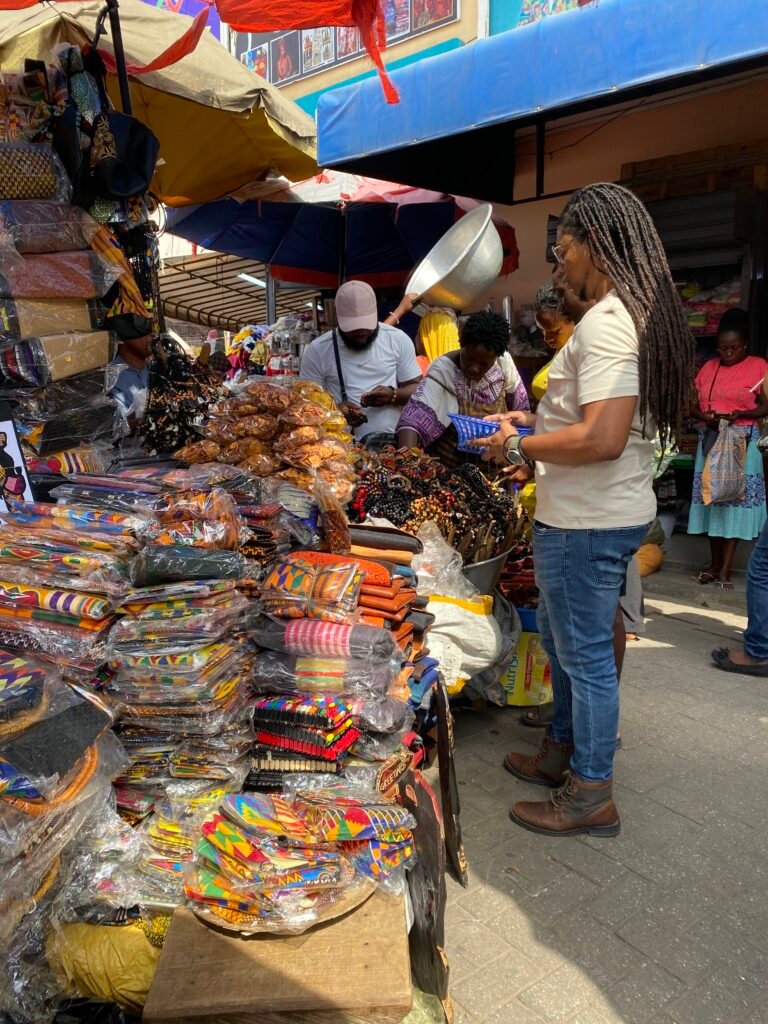
Budgeting for entrance fees to major cultural sites is relatively straightforward. Most major museums and historic landmarks charge between 30 and 60 GHS for non-residents. Factor in roughly 100 GHS per day for mid-range meals and approximately 150 GHS for local transportation via ride-share apps. If you plan to shop for traditional Kente textiles or souvenirs at the Arts Centre, always be prepared to negotiate your prices politely. Negotiation is a standard part of the local shopping culture in Ghana.
Staying Connected and Comfortable, to do in Accra Ghana
Mobile data is both affordable and incredibly reliable in Accra. Upon landing at Kotoka International Airport, you can easily purchase a local SIM card. Providers like MTN offer excellent 4G coverage throughout the city. Staying connected via a local network will make it much easier to use map applications and ride-sharing services throughout your stay.
Packing for a trip to Accra requires light, breathable clothing. The humidity can be significant, especially during the wetter months. Carry a light rain jacket if you are visiting between May and July. Additionally, carry a reusable water bottle, but only fill it with filtered or treated water. Sun protection is absolutely non-negotiable; even on overcast days, the equatorial sun remains strong. Use high-SPF sunscreen and wear a hat to ensure you remain comfortable during long days of exploration.

Discover Accra Nightlife Tour | Afrobeats & Food Overview Discover Our Accra Nightlife Tour First, party lovers and culture seekers…
Frequently Asked Questions (FAQ) for to do in Accra Ghana
Generally, yes, but you should stick to well-lit, populated areas like Osu. Avoid walking in deserted industrial or coastal areas after dark, and always utilize a ride-sharing app or an official taxi when moving between neighborhoods at night.
Most international travelers require a visa to enter Ghana. Please ensure you check the specific requirements on the official government portal for your nationality at least one month before your scheduled departure date.
The most secure way is to use an official airport taxi available at the terminal or a pre-booked ride-sharing service. Avoid accepting unsolicited offers from individuals outside the terminal arrivals area who are not official transport representatives.
Ghanaians are exceptionally polite and communal. Always use your right hand when shaking hands or passing items to others, as the left hand is often considered unclean for these tasks. Always ask permission before taking photos of individuals.
The dry season, which runs from November to March, offers the most pleasant, sunny weather for outdoor exploration and city sightseeing. The humidity is lower, making it the most comfortable time for walking tours.