TL;DR: The Adventurer’s Summary
Accra is a vibrant, safe, and culturally rich capital. Key sites like the Kwame Nkrumah Memorial Park and Independence Arch are essential. Always carry small denominations of GHS for entry fees, dress modestly for religious sites, and use ride-hailing apps like Uber or Bolt for reliable transport.
Exploring the best tourist sites in Accra provides a window into the soul of West Africa. As the capital of Ghana, this city balances rapid modernization with profound historical roots. Whether you are navigating colonial-era architecture or sampling world-class Jollof rice, this guide ensures your visit to Ghana’s bustling gateway is seamless, safe, and deeply rewarding.
Essential Tourist Sites in Accra and Historic Landmarks
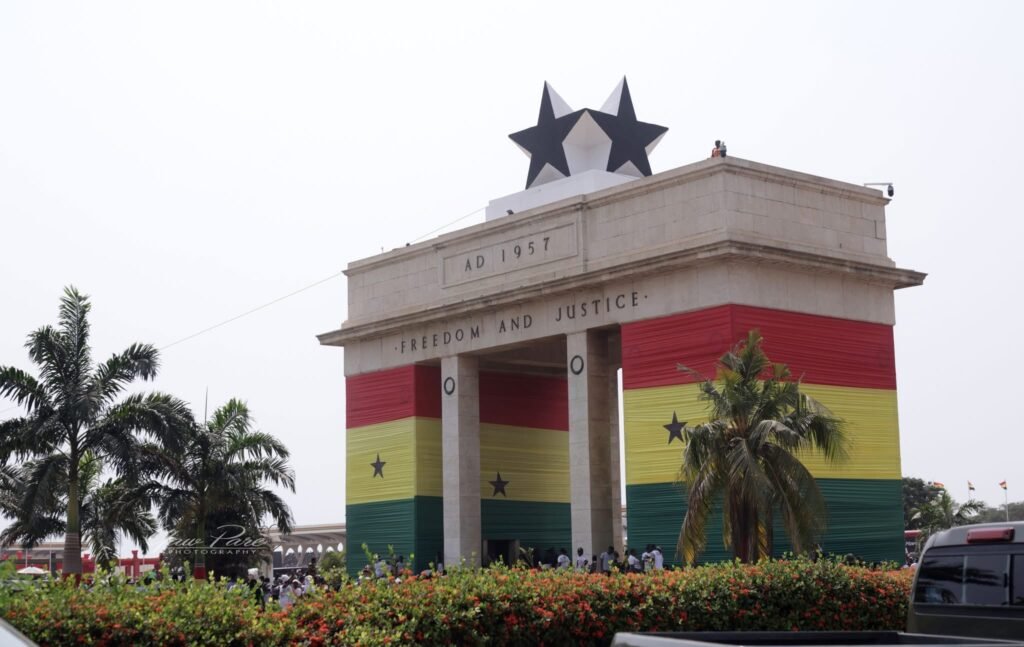
Many travelers begin their journey at Independence Square. This vast space hosts significant national events and houses the striking Independence Arch. It is the premier location for understanding Ghana’s hard-fought path to independence. When visiting, remain mindful that local security often monitors the area; while casual photography is generally permitted, using professional equipment or drones without prior authorization can lead to questioning.
A short distance away, the Kwame Nkrumah Memorial Park remains a non-negotiable stop. Dedicated to the nation’s founding president, this park was recently renovated to offer world-class museum facilities. It provides a quiet, contemplative atmosphere that stands in stark contrast to the city’s lively streets. Admission for international visitors is typically set at a reasonable fee paid in Ghana Cedis (GHS), and the grounds are open daily from morning until early evening.
For a deeper look into the colonial past, Ussher Fort and the nearby James Fort offer haunting insights into the history of the transatlantic slave trade. While these sites are in various states of preservation, they remain critical touchstones for visitors interested in history. Plan to hire a local guide, as having someone who can explain the nuanced history of the Jamestown area significantly improves the experience.
Cultural Anchors and Artistic Hubs
Accra is a canvas of vibrant creativity. The Artists Alliance Gallery, curated by famed Ghanaian artist Ablade Glover, is arguably the best destination to view high-quality contemporary and traditional art. It is a sprawling, multi-story building located along the coastal road. You can easily spend several hours here exploring bronze sculptures, paintings, and intricate textiles. Entry is generally free or available for a modest donation, making it one of the most accessible cultural stops in the city.
If you want to experience the pulse of commerce, visit the Makola Market. This is not your typical tourist attraction; it is the beating heart of local life. Expect a sensory overload of sights, sounds, and scents. If you prefer a more relaxed craft experience, head to the Accra Arts Centre. This is the place to test your bargaining skills. Vendors are accustomed to negotiation, so be polite but firm when discussing prices for handicrafts or Kente cloth.
Practical Logistics for Visiting Accra
Navigating the city requires preparation. Traffic in Accra, locally known as ‘go-slow’, can turn a twenty-minute journey into an hour-long ordeal. Always check your transport time estimates using ride-hailing apps like Bolt or Uber before departing. These services are safer and more transparent than flagging down random taxis. They eliminate the frustration of fare negotiation, ensuring you arrive at your destination with minimal stress.
When it comes to financial logistics, cash remains king. While major hotels and upscale malls accept international credit cards, street vendors, local museums, and smaller historic sites prefer Ghana Cedis. Keep small denominations on hand for entry fees and tips. If you find yourself in need of up-to-date travel advice, visit the official Ghana Tourism Authority website to confirm current opening hours for major sites before you head out for the day.

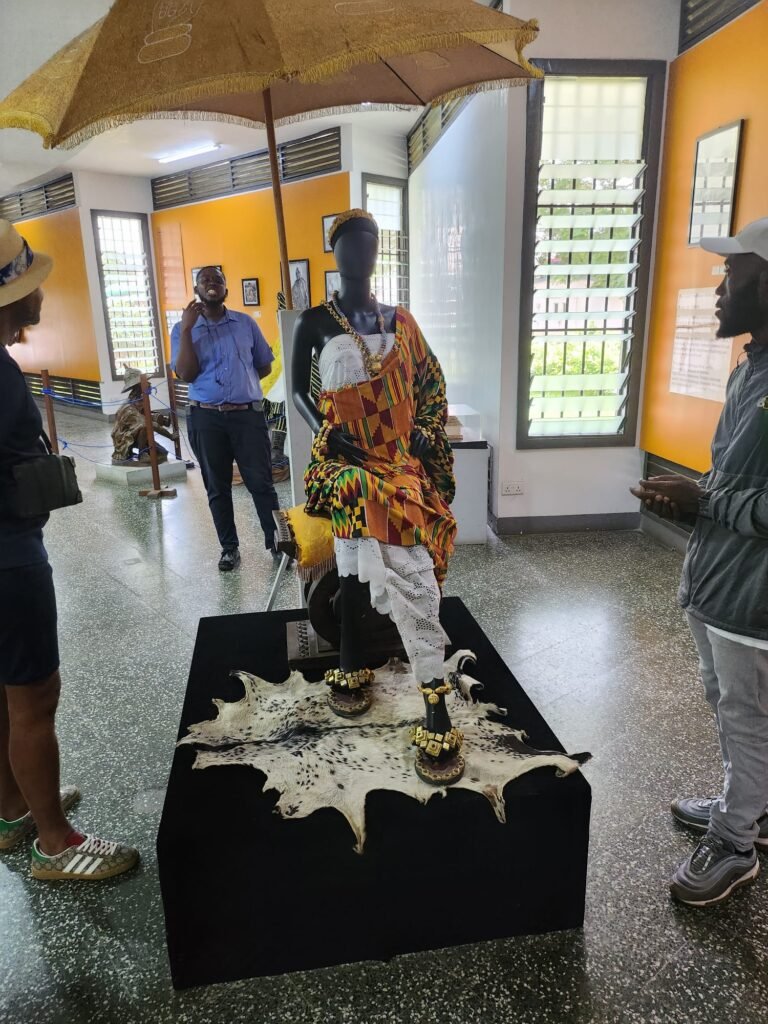
Discover Accra City Day Tour | Ghana Discover Our Accra City Day Tour First, travelers experience the energetic pulse, rich…
Visitor Etiquette and Safety Guidelines when it comes to tourist sites in Accra
Accra is a cosmopolitan city that prides itself on hospitality, but it holds conservative values regarding public dress. When visiting religious buildings, mosques, or traditional palaces, ensure your attire is modest—covering both shoulders and knees. Photography of government buildings, police stations, and military installations is strictly prohibited. Always seek permission before capturing images of locals at work; a quick, friendly request is standard etiquette that will usually be met with a smile.
For your personal safety, exercise standard urban caution. Keep your valuables secured in a crossbody bag rather than a backpack. Avoid walking in unlit areas at night, and always utilize ride-hailing services after dark. If you are exploring the city, check out our recommended Accra city tours to see how an organized itinerary can help you navigate the capital safely.
Maximizing Your Time and Itineraries
To make the most of your stay, organize your sightseeing geographically. Spending your morning in Osu allows you to enjoy colonial history before heading to a beachside lunch at Labadi. If the crowds at Labadi Beach feel overwhelming, head further west to Kokrobite. The atmosphere there is far more relaxed, perfect for those wanting to watch the sunset with a cold drink in hand. Remember to sample local cuisine like Red Red or Waakye while exploring these districts; the food scene is an attraction in its own right.
If you are planning to travel during the holiday season, such as December’s ‘Year of Return’ events, expect significantly higher traffic and larger crowds at all major attractions. Book your local guides and accommodation months in advance during these periods. Outside of the festival seasons, the city moves at a pace that allows for more spontaneous exploration, providing a better opportunity to interact with local residents.
Finally, consider the weather. The dry season, stretching from November to March, offers the most pleasant conditions for walking tours. However, even during the dry season, carry water and wear sunscreen. Humidity remains a factor regardless of the time of year. If you plan on doing a walking tour, schedule it for the early morning before the sun reaches its peak strength, typically before 10:00 AM.
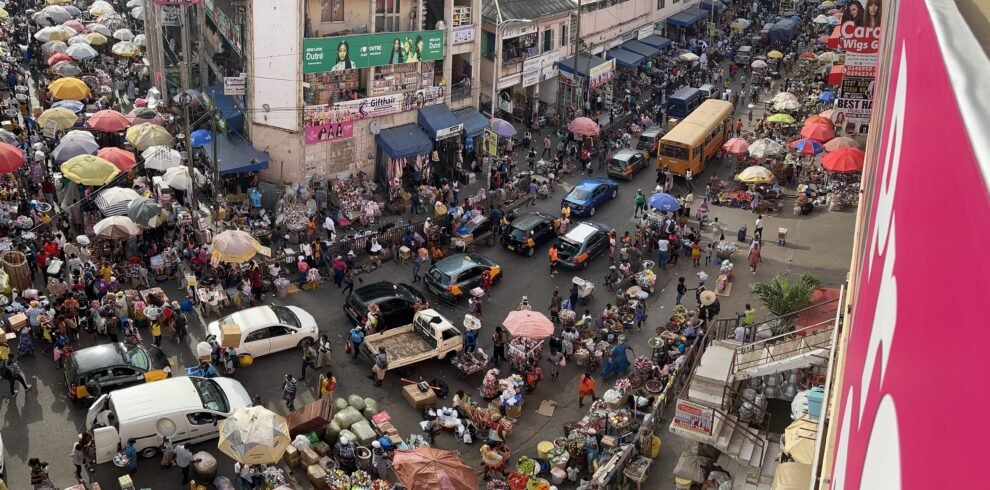
Discover Mokola Market Kantamanto Thrift Tour What to Expect on Our Market Tour First, our Mokola Market Kantamanto Thrift Tour…
Frequently Asked Questions (FAQ) for tourist sites in Accra
The best time to visit is during the dry season from November to March. The weather is sunny and significantly more comfortable for spending long hours outdoors.
Yes, most international travelers require a visa or an e-visa to enter Ghana. Verify requirements with your local Ghanaian embassy or consulate well before your departure date.
Walking is generally safe in busy, commercial districts like Osu during the day. However, always prioritize using ride-hailing services after dark and avoid walking alone in unlit or deserted areas.
Yes, most popular sites charge an entry fee for international visitors, ranging from 20 to 100 GHS. Prices are subject to change, so keeping a small buffer of cash is recommended.
The currency is the Ghana Cedi (GHS). While cards are used in high-end establishments, cash is necessary for most markets, local transport, and smaller attractions.
Photography of military installations, police stations, and government buildings is strictly prohibited. Always ask for permission before taking photos of people or private market stalls.