TL;DR: The Adventurer’s Summary
Ghana is a premier destination for those seeking a mix of deep history and vibrant culture. Key highlights include the Cape Coast Castle, Mole National Park, and the bustling markets of Accra. Travelers should budget for entrance fees in GHS and prioritize local ride-sharing or organized transport to navigate between sites efficiently.
Planning a trip to West Africa often leads explorers to the warm, welcoming shores of Ghana. With a rich cultural heritage and a landscape that shifts from bustling coastal cities to lush northern savannahs, it is no surprise that visitors are increasingly drawn to explore the best Ghana tourist attractions. Whether you are a history buff, an eco-traveler, or someone looking to immerse yourself in local traditions, this country offers an experience like no other. This comprehensive guide will help you navigate the top sights, logistics, and etiquette required for a seamless journey.
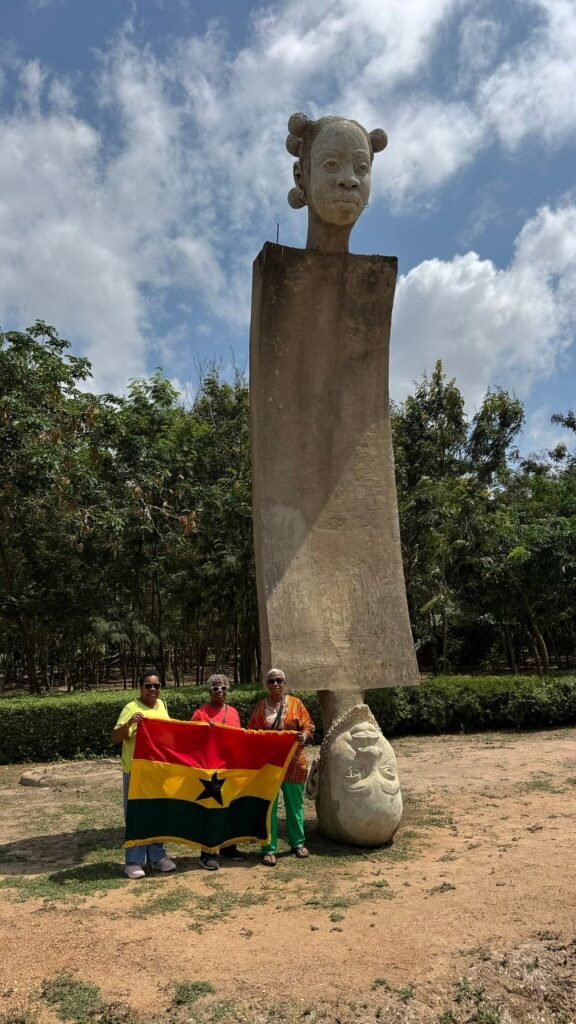
Understanding Ghana tourist attractions and regional diversity
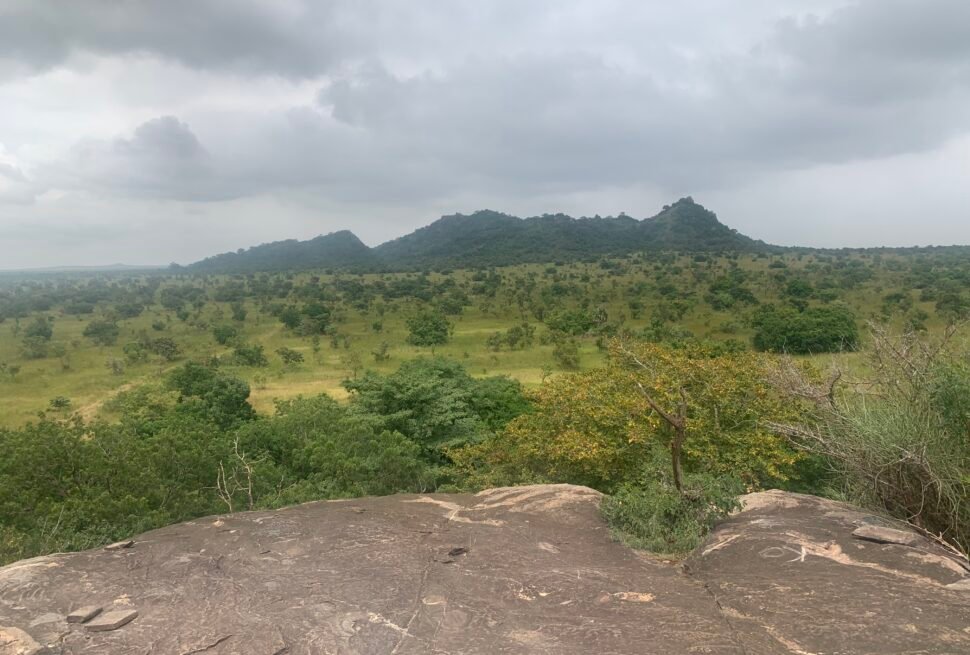
To truly appreciate what Ghana has to offer, you must understand its regional diversity. The southern belt, including Accra and the Central Region, is heavily defined by its colonial past, vibrant coastal energy, and urban development. In contrast, the northern regions offer vast wild spaces and traditional mud-brick architecture, perfect for those interested in eco-tourism. Navigating these distances requires significant planning, as the country is larger and more varied than it appears on a simple map.
Most international travelers arrive via Kotoka International Airport in Accra. From here, you have easy access to the capital’s museums and art galleries. However, to see the true breadth of the country, you should head west or north. For a structured look at the capital, check out this Accra city day tour to get your bearings before heading out to the more remote regions.
Ghana tourist attractions, Historical slave trade sites and cultural heritage
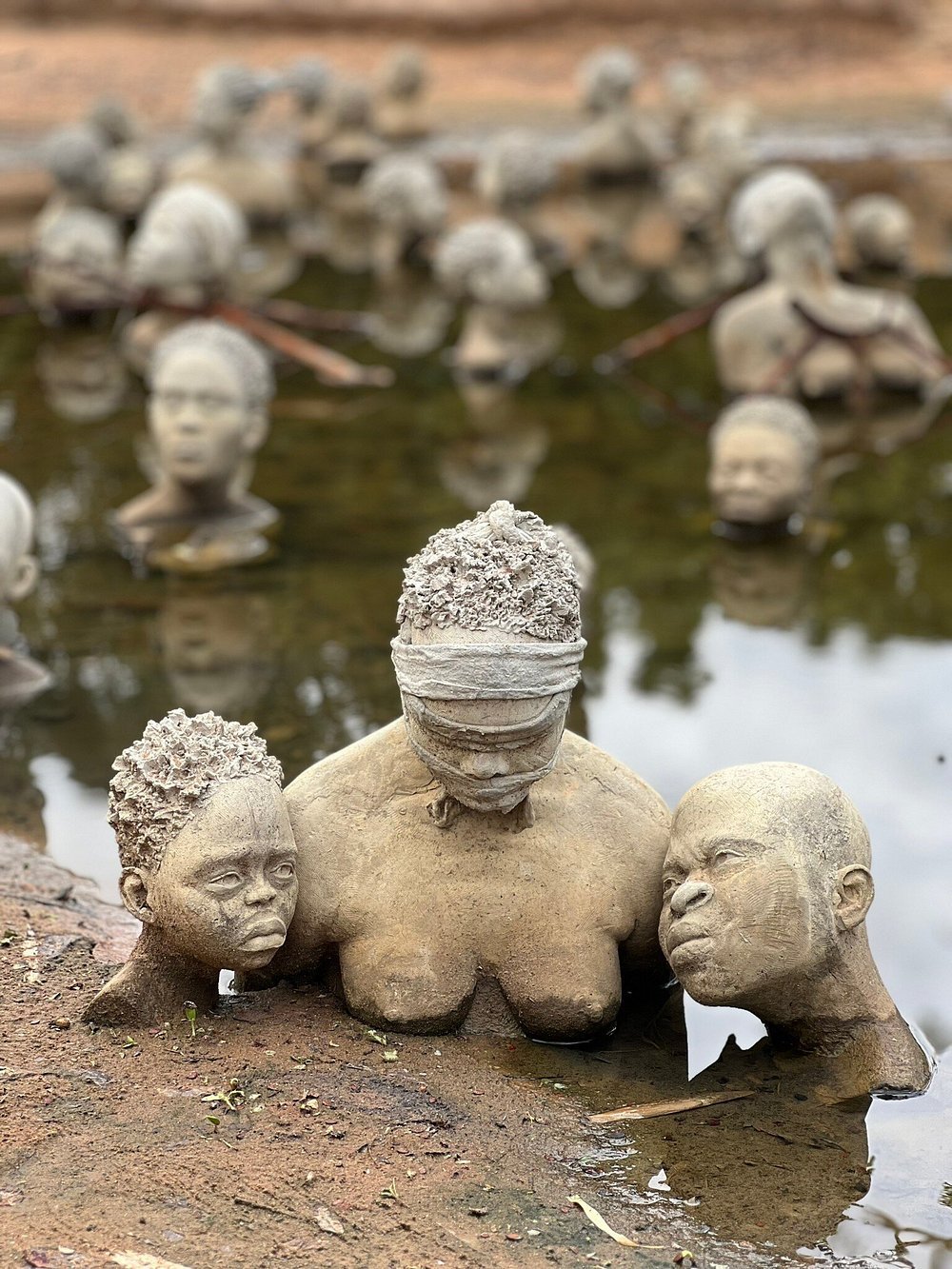
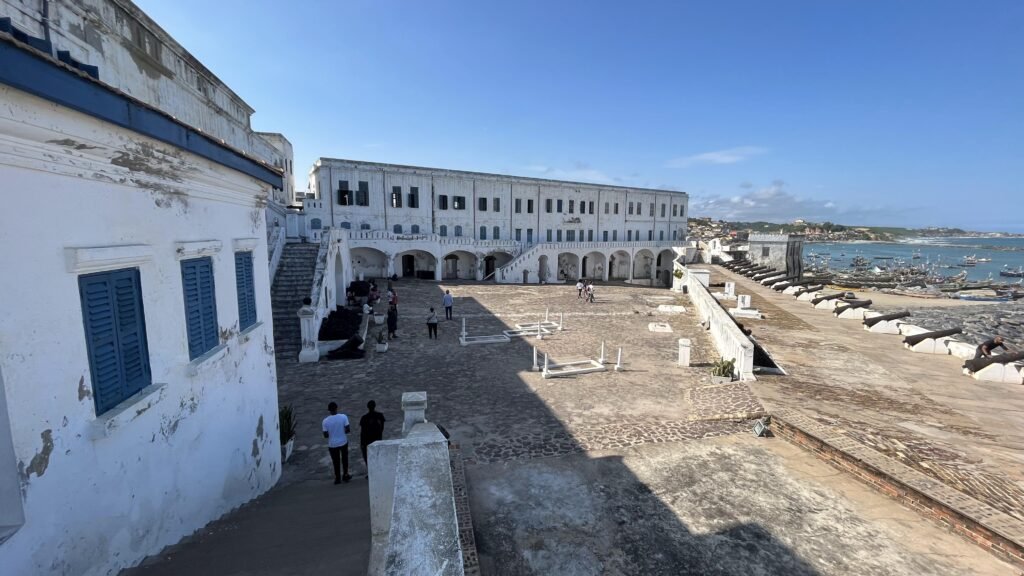
One of the most profound aspects of a trip here is visiting the historical slave trade sites. These landmarks serve as important, albeit sobering, reminders of human resilience and the global history of the diaspora. The most famous sites, Cape Coast Castle and Elmina Castle, are located along the central coast.
When visiting these sites, please maintain a respectful demeanor as these are places of deep cultural memory. Admission fees are typically charged in GHS and are subject to change; expect to pay between 40 GHS and 100 GHS for non-residents depending on the site. It is wise to carry small denominations of cash. Most guided tours run throughout the day, but arriving early—around 9:00 AM—helps you avoid the heat and the largest crowds. Always check the latest operational status via the official Ghana Tourism Authority website before setting off.
Top eco-tourism destinations in Ghana
If you prefer nature over history, Ghana’s eco-tourism sector is booming. The crown jewel is undoubtedly the north. Many travelers flock here specifically for the safari experience at Mole National Park. You can expect to see elephants, antelopes, and diverse bird species in their natural habitats. Entry fees for international visitors are usually structured as a daily park access charge, and you must hire a local ranger for walking safaris, which is an additional, mandatory cost.
Unlike the coastal cities, the north requires more logistical planning. The journey from Accra to northern parks can take several hours by road or a short domestic flight. Because of the distances involved, many travelers opt to hire a driver or join a group tour to make navigation seamless. Remember that eco-tourism sites often have specific rules regarding waste and interaction with wildlife. Always follow the instructions provided by your local guide to ensure a responsible and safe experience.
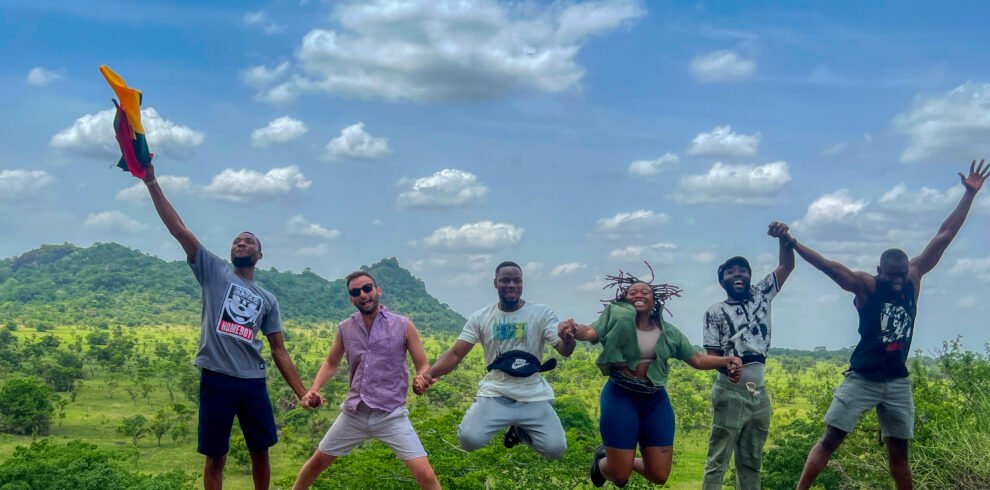
Discover Shai Hills Safari Tour | Ghana Experience Our Shai Hills Safari Tour First, nature lovers discover an eco-friendly wildlife…
Navigating Ghana: Practical transport and ground rules
Navigating Ghana requires a mix of patience and planning. For city travel in Accra, Kumasi, or Takoradi, ride-sharing apps like Uber or Bolt are generally the safest and most efficient options. They provide transparent pricing and GPS tracking, which helps avoid common misunderstandings with local taxi drivers. If you are traveling long-distance, private, air-conditioned bus services are superior to the local “tro-tros” for long-distance comfort, though tro-tros are an essential cultural experience for shorter, budget-friendly trips within the cities.
Regarding money, always have cash in GHS for small transactions. While credit cards are increasingly accepted in high-end hotels and restaurants in Accra, markets, local stalls, and remote heritage sites rely exclusively on cash. Also, consider the best time to visit. The harmattan season (December to February) brings dry, dusty winds, which can affect visibility at nature reserves, while the rainy season (roughly May to July) can make some unpaved roads in the north difficult to pass.
Safety, etiquette, and responsible tourism
Ghana is widely considered one of the safest countries in West Africa for travelers. However, common sense remains your best tool. Keep your belongings secure in crowded markets and avoid displaying large amounts of cash. When visiting rural villages, it is customary to greet the elders or the chief if you are planning to stay for an extended period. This simple gesture of respect opens doors and creates a more meaningful connection with the local community.
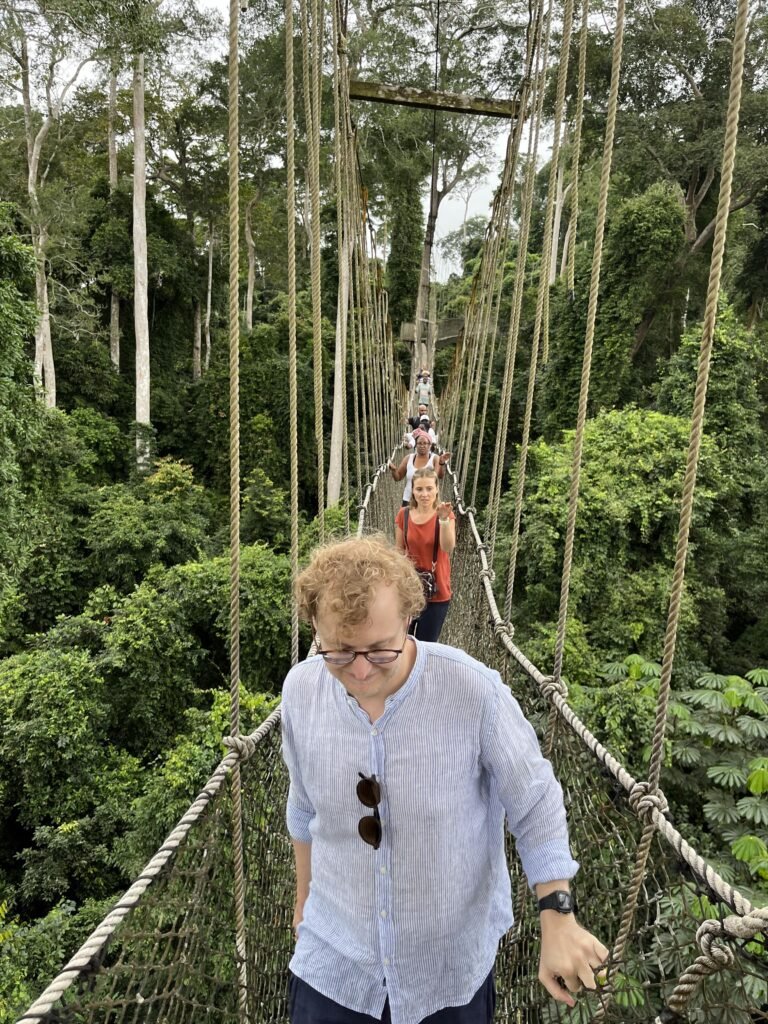
Respectful photography is another key aspect of cultural etiquette. Always ask for permission before taking photos of individuals, especially elders or those in traditional dress. In many communities, a small gesture of appreciation or just a polite conversation goes a long way. Ultimately, your time here will be defined by the people you meet and the stories you hear. Whether you are exploring the canopy walk at Kakum National Park or sampling local Jollof rice in a busy street stall, approach the experience with an open mind. Ghana rewards those who are patient, observant, and willing to step off the beaten path.
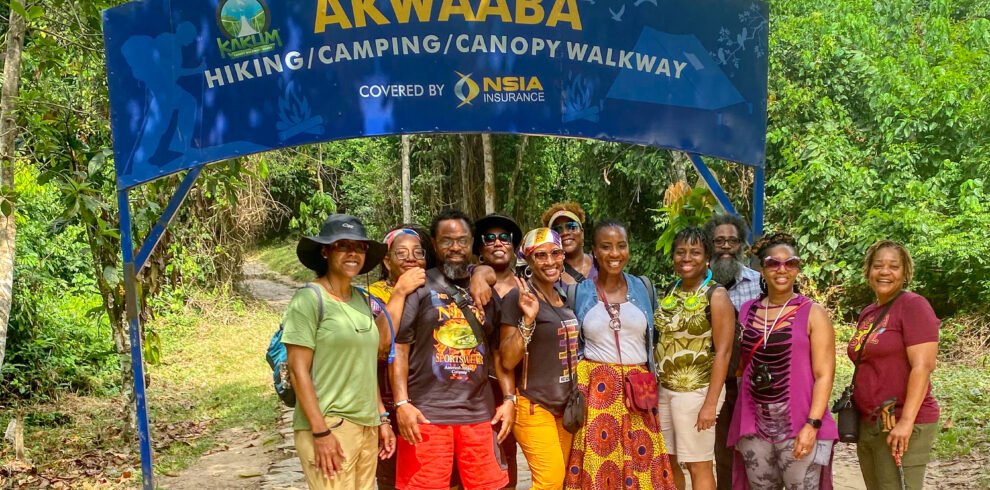
Discover Cape Coast Historical Tour First, three iconic landmarks—Cape Coast Castle, Elmina Castle, and Kakum National Park—weave compelling stories of…
The hidden gems of Ghana tourist attractions
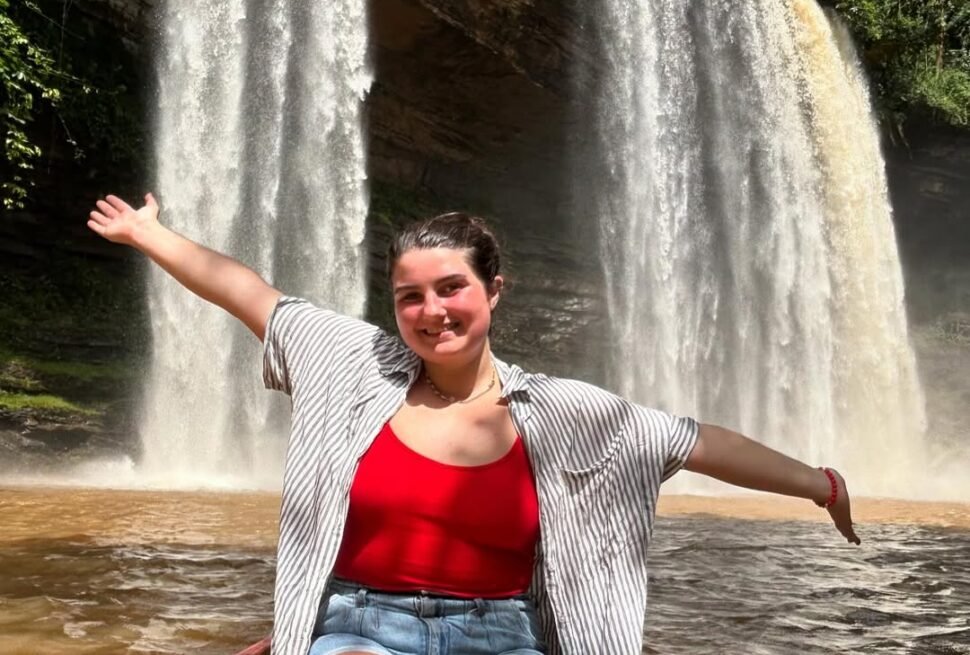
Beyond the major sites, consider the hidden gems of the Volta Region or the beaches of the Western Region. Places like Wli Waterfalls or the coastal towns of Busua offer a slower pace of life. These locations are less crowded and provide a chance to connect with local fishermen and weavers. When visiting these smaller communities, remember to engage with local guides to support the local economy directly. By choosing local guides and community-based projects, you ensure that your tourism spending directly benefits the families and conservation efforts in those specific areas.
Preparation for your trip should also include health and safety considerations. Ensure your vaccinations are up to date and carry a basic first-aid kit, especially if you plan on trekking in the northern parks. While bottled water is widely available, try to reduce plastic waste by using refillable bottles where filtered water is provided. Small changes in how we travel can have a significant positive impact on the environment of the destinations we visit. As you plan your itinerary, keep flexibility in mind, as transport schedules in Ghana can change with little notice. Building in a buffer day between your arrival and your first major tour, as well as a buffer day before major travel connections, will save you significant stress in the long run.
Frequently Asked Questions (FAQ) for Ghana tourist attractions
The dry season, running from November to March, is generally considered the most comfortable time for travel as the weather is less humid and the skies are clear, making it perfect for safari and beach visits.
Yes, malaria is present throughout the year in Ghana. You should consult your doctor or a travel clinic for advice on prophylaxis before your trip and remember to use mosquito repellent consistently.
Carry enough GHS for daily expenses, as rural areas lack ATM access. Tipping is not strictly required but is appreciated for good service in restaurants and by guides. Always round up your fare when using ride-sharing apps.
Most nationalities require a visa to enter Ghana. Check with your local Ghanaian embassy or consulate at least two months before your intended departure date, or check if you qualify for an e-visa or visa-on-arrival program.
While there is no strict legal dress code, it is recommended to dress modestly, especially when visiting religious sites or traditional royal palaces. Light, breathable fabrics are best in the tropical heat, and covering shoulders and knees is generally considered respectful.