TL;DR: The Adventurer’s Summary
Kumasi is the cultural heart of Ghana. You should prioritize visiting the Manhyia Palace Museum, the Okomfo Anokye Sword site, and the bustling Kejetia Market. Plan for at least three days to fully absorb the region’s depth. Always hire a local guide for the markets to ensure safety, use reputable private drivers for inter-site travel, and carry local GHS currency in small denominations for fees and tips.
Kumasi tourist attractions serve as the gateway to understanding the soul of the Ashanti Empire. As the capital of the Ashanti Region and the historic seat of the Asantehene, this city offers a profound immersion into traditional West African customs, living history, and rapid urbanization. While coastal Accra buzzes with maritime energy, Kumasi moves to the rhythmic beat of deep-rooted heritage. This guide is designed to help you navigate the rich tapestry of the city, ensuring your visit is both logistically smooth and culturally enriching.
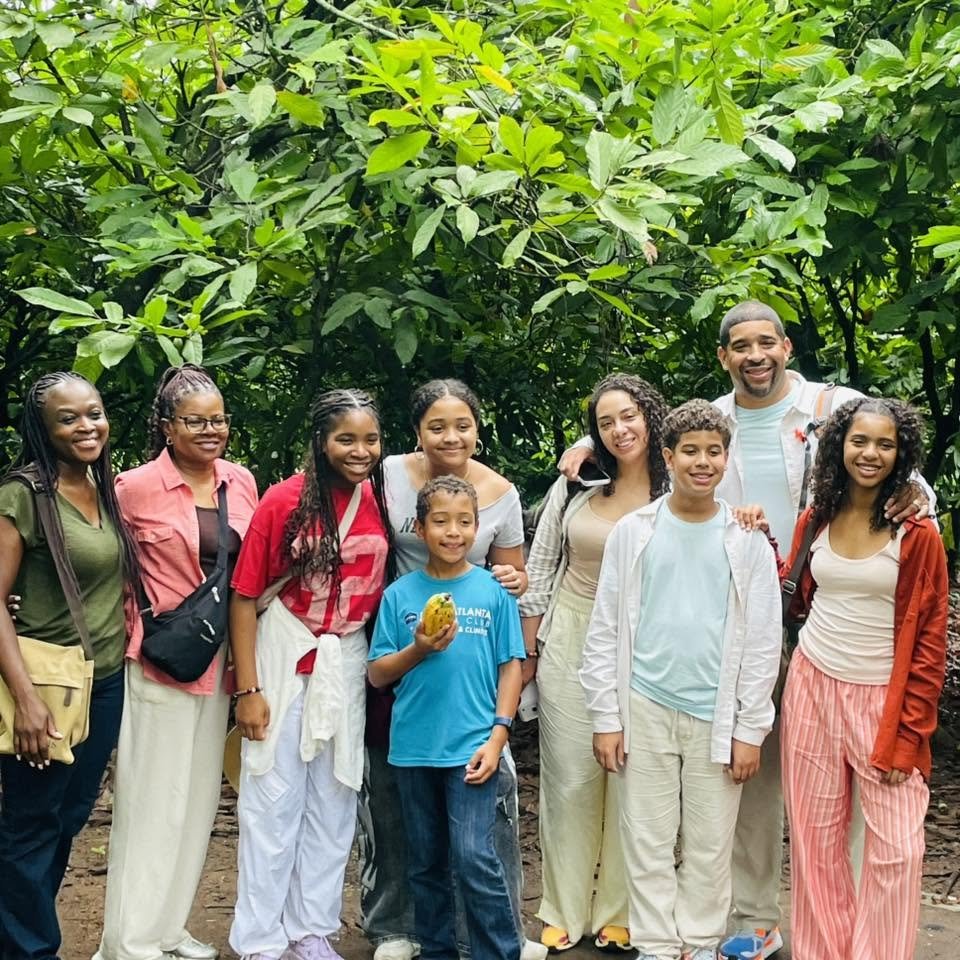
Essential Kumasi tourist attractions for your itinerary
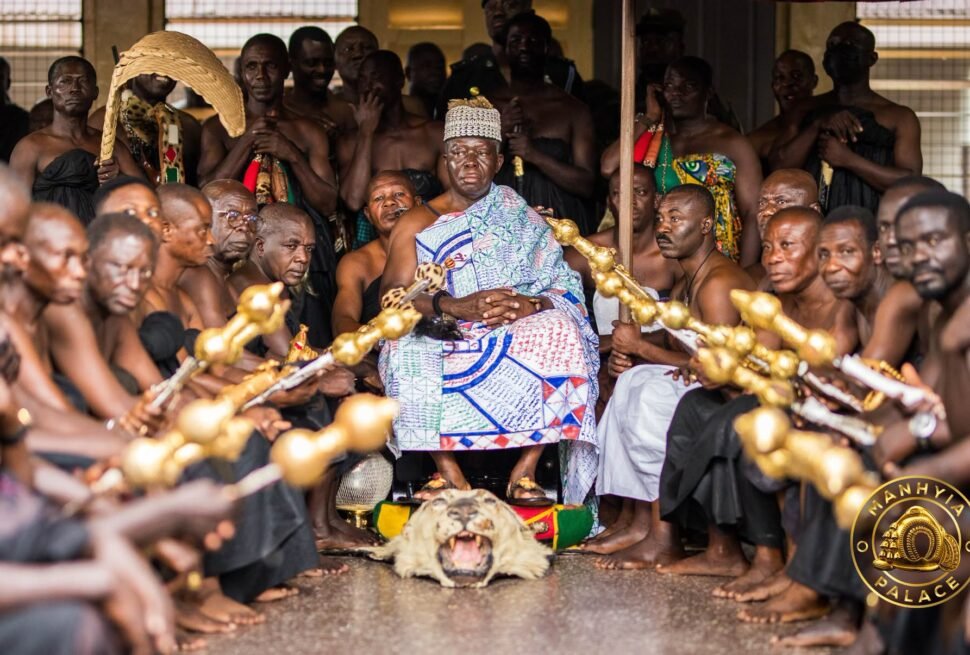
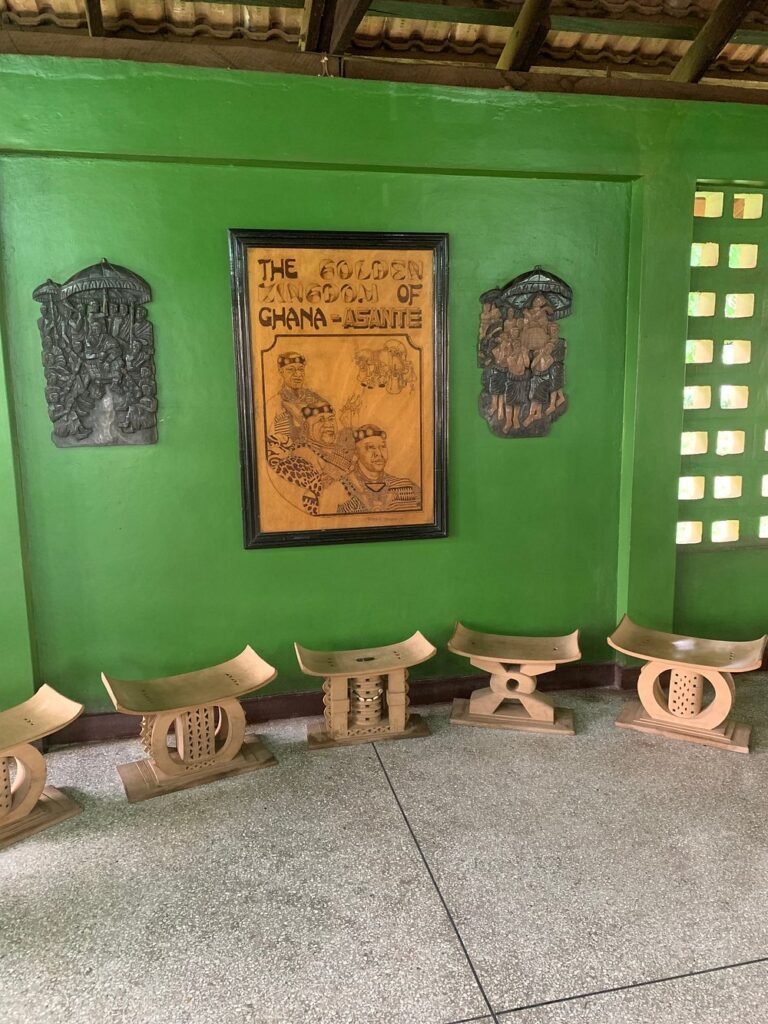
Exploring the Ashanti region requires a strategic approach. To experience authentic Kumasi cultural heritage, you must prioritize sites that define the region’s resilience. The Manhyia Palace Museum is the undisputed highlight, housing regalia and artifacts that recount the lineage of the Asante kings. Visitors can expect a guided walk through history, typically lasting one to two hours. It is advisable to arrive early, around 9:00 AM, to avoid the heat and the peak of school tour groups.
The Okomfo Anokye Sword Site
Located on the grounds of the Komfo Anokye Teaching Hospital, this site is steeped in spiritual and historical significance. It is said that the legendary priest Okomfo Anokye struck this sword into the ground, and it has remained immovable for centuries, marking the birthplace of the Golden Stool. Today, entrance fees are approximately 25 GHS for international visitors. The site is open daily from 8:30 AM to 4:30 PM. Remember that this is a place of reverence; maintain a quiet demeanor and follow the instructions of the site custodian.
Kejetia Market: A Guide for Travelers
No visit to the city is complete without experiencing the Kejetia Market, the largest open-air market in West Africa. Navigating this labyrinthine space can be daunting, but it is an essential slice of local life. We highly recommend you book a guided walking tour to safely navigate the narrow alleys and interact with artisans without feeling overwhelmed. Professional guides can help you identify high-quality Kente cloth and genuine Adinkra fabrics while ensuring your personal items remain secure. Always keep your bags in front of you and avoid flashing expensive camera equipment or large sums of cash.
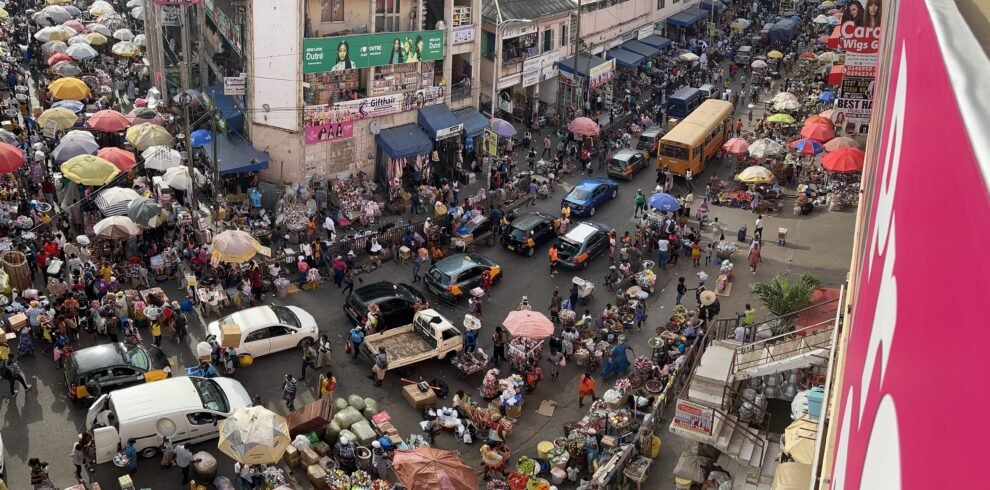
Discover Mokola Market Kantamanto Thrift Tour What to Expect on Our Market Tour First, our Mokola Market Kantamanto Thrift Tour…
Practical logistics and cultural etiquette
Understanding the local protocol in Kumasi is as important as visiting the sites themselves. The region operates under a strong traditional hierarchy. When engaging with locals or visiting palace grounds, modest dress—covering shoulders and knees—is expected. If you wish to photograph individuals or sacred objects, always ask for permission first; this is a sign of respect that goes a long way with the local community. For the latest travel advisories and regional cultural updates, you should monitor the Ghana Tourism Authority website before you plan your daily excursions.
Regarding transportation, public ‘tro-tros’ are efficient for locals but can be confusing for travelers. For the best experience, request that your hotel arrange a private hire driver. A private driver provides climate control, reliable navigation through the congested Central Business District, and wait-time flexibility at various landmarks. Expect to pay between 200 and 400 GHS for a full day of private driver services, depending on the distance covered. Ensure your driver is comfortable waiting at designated spots near the major historical sites, as parking at these landmarks can be extremely limited.
Accessibility and infrastructure
Accessibility at Ashanti historical landmarks is gradually improving, but visitors should have realistic expectations. Many of the older, traditional structures feature stairs, uneven stone pathways, and narrow corridors. Wheelchair access is limited at some historical sites. We recommend calling ahead to specific museums to inquire about current infrastructure. If you have mobility challenges, prioritize the modern museum wings which often have ground-floor accessibility features. Always verify the status of these amenities at least 48 hours prior to your visit.
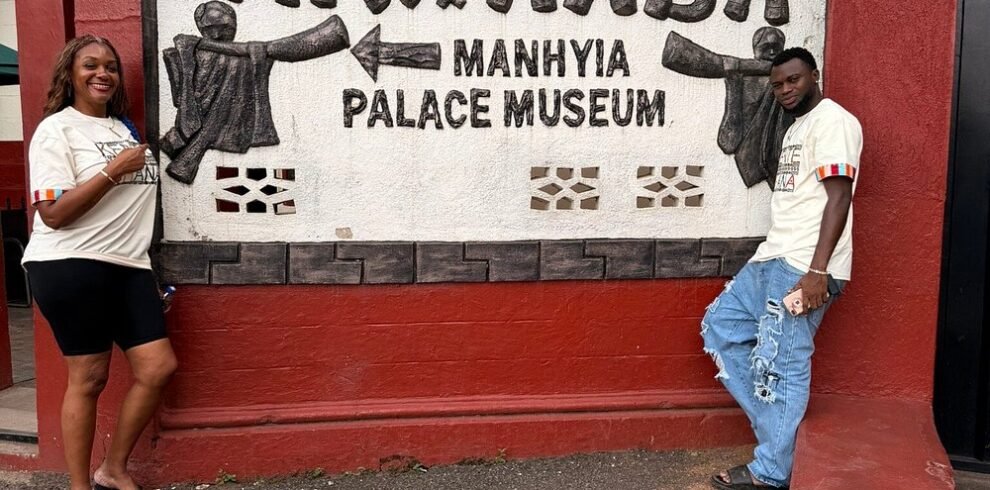
Discover Kumasi History Day Tour | Ashanti Region Experience Kumasi History Day Tour & Ashanti Region Heritage First, culture lovers…
Planning your duration and scope when considering Kumasi tourist attractions
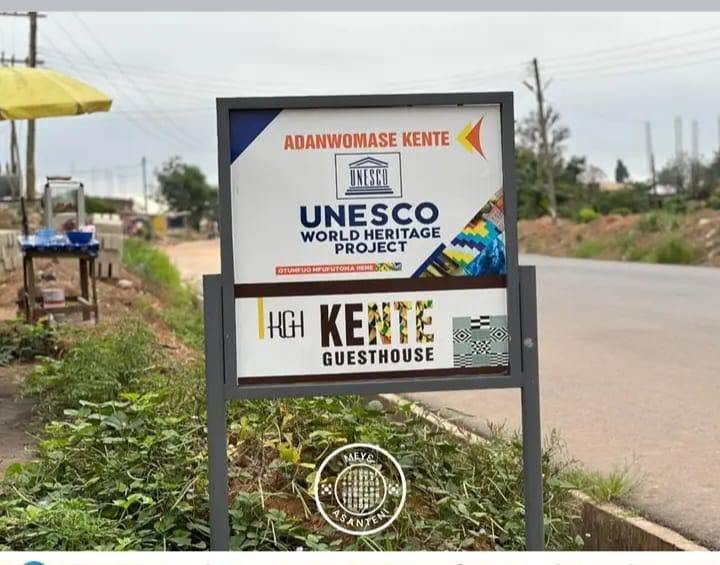
While many travelers treat Kumasi as a single-day stopover, you will miss the true depth of the Ashanti culture with a rushed visit. We suggest a minimum of three days. Dedicate your first day to the inner-city landmarks like the Manhyia Palace and the Okomfo Anokye Sword site. Spend your second day deep-diving into the Kejetia Market and local artisanal centers. On your third day, take a trip to the nearby craft villages. Villages like Ntonso (famous for Adinkra printing) and Bonwire (the home of Kente weaving) provide incredible insight into the traditional crafts that sustain the local economy. These villages offer a quieter, more personal experience compared to the intensity of the city center.
When you explore these villages, try to buy items directly from the weavers and stampers. This ensures your money supports the local artisans directly. Prices are often negotiable, so approach these transactions with a friendly, respectful attitude. Remember that many of these workshops operate on a traditional schedule; they may be less formal than city businesses, and business hours might occasionally shift based on community events or traditional ceremonies.
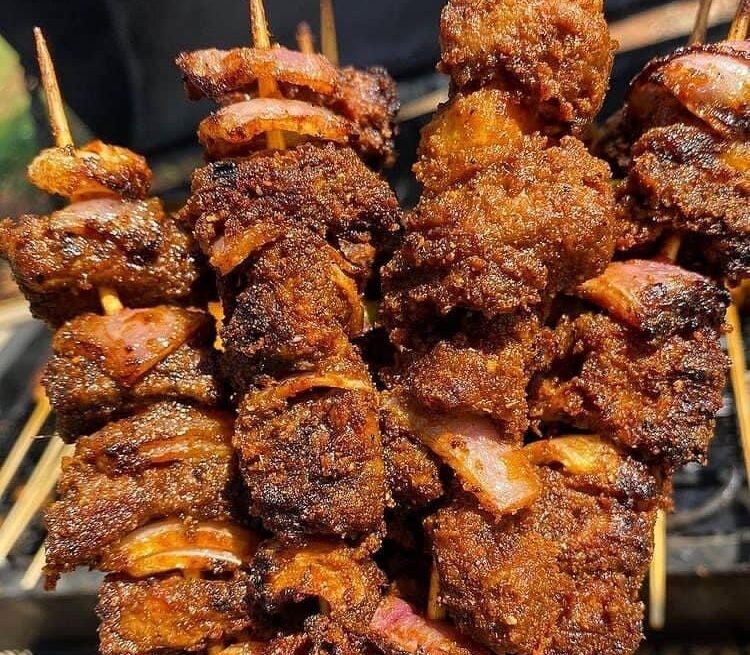
Finally, immerse yourself in the culinary scene. Trying authentic ‘fufu’ with light soup or ‘red red’ (black-eyed peas with fried plantain) is a cultural activity in itself. Eating at a local, high-traffic eatery is generally safe and a great way to observe the daily flow of Kumasi life. By engaging with the locals respectfully, you transform your trip from a simple checklist of sites into a meaningful cultural exchange.

Frequently Asked Questions (FAQ) for Kumasi tourist attractions
The best time to visit is during the dry season, between November and March. During these months, the weather is more comfortable for walking, and you avoid the heaviest rainy season, which can occasionally impact regional transport routes.
Yes, certified professional guides are available through local hotels, reputable travel agencies, or the regional office of the Ghana Tourism Authority. Always ask to see their credentials before agreeing to a booking.
The market is generally safe, but it is extremely dense and crowded. We strongly recommend hiring a local guide to help you navigate the corridors and ensure your personal belongings remain secure. Avoid carrying large amounts of cash.
Yes, carrying local currency (Ghana Cedis) is essential. While hotels and some modern restaurants take cards, most entrance fees at historical sites and payments for artisan crafts at local workshops are strictly cash-based. Use small denominations to make transactions easier.
Accessibility varies significantly by site. While modern museums have improved, many historic landmarks have uneven terrain or stairs. It is essential to contact the site management directly or ask your hotel concierge to confirm current accessibility before your visit.