TL;DR: The Adventurer’s Summary
Kumasi is the heartbeat of Ashanti culture. Must-visit spots include the Manhyia Palace Museum, the Kejetia Market, and the Kente villages of Bonwire. Budget at least three days for your itinerary. Use ride-hailing apps for city transit and carry small denominations of GHS for entry fees and tips.
Kumasi holds a special place in the heart of Ghana. As the former seat of the Ashanti Empire, it remains a bustling center of tradition, craftsmanship, and history. If you are planning a visit, understanding the most significant Kumasi tourist sites is essential for a meaningful experience. From royal palaces to vibrant markets, the city offers a deep look into West African heritage that every traveler should witness at least once.
Essential Kumasi Tourist Sites for Every Itinerary
The city is vast, but the most important landmarks are well-connected and offer distinct insights into the region. First, your journey should start at the Manhyia Palace Museum. This site serves as the official residence of the Asantehene and provides an intimate look at the lineage of the Ashanti kings. As a royal site, ensure you dress modestly. Entry fees for international visitors are typically around 40 GHS, though prices may fluctuate. Please note that photography inside the main museum galleries is often restricted or requires an additional fee of 20 GHS, so always ask the curator before snapping photos.
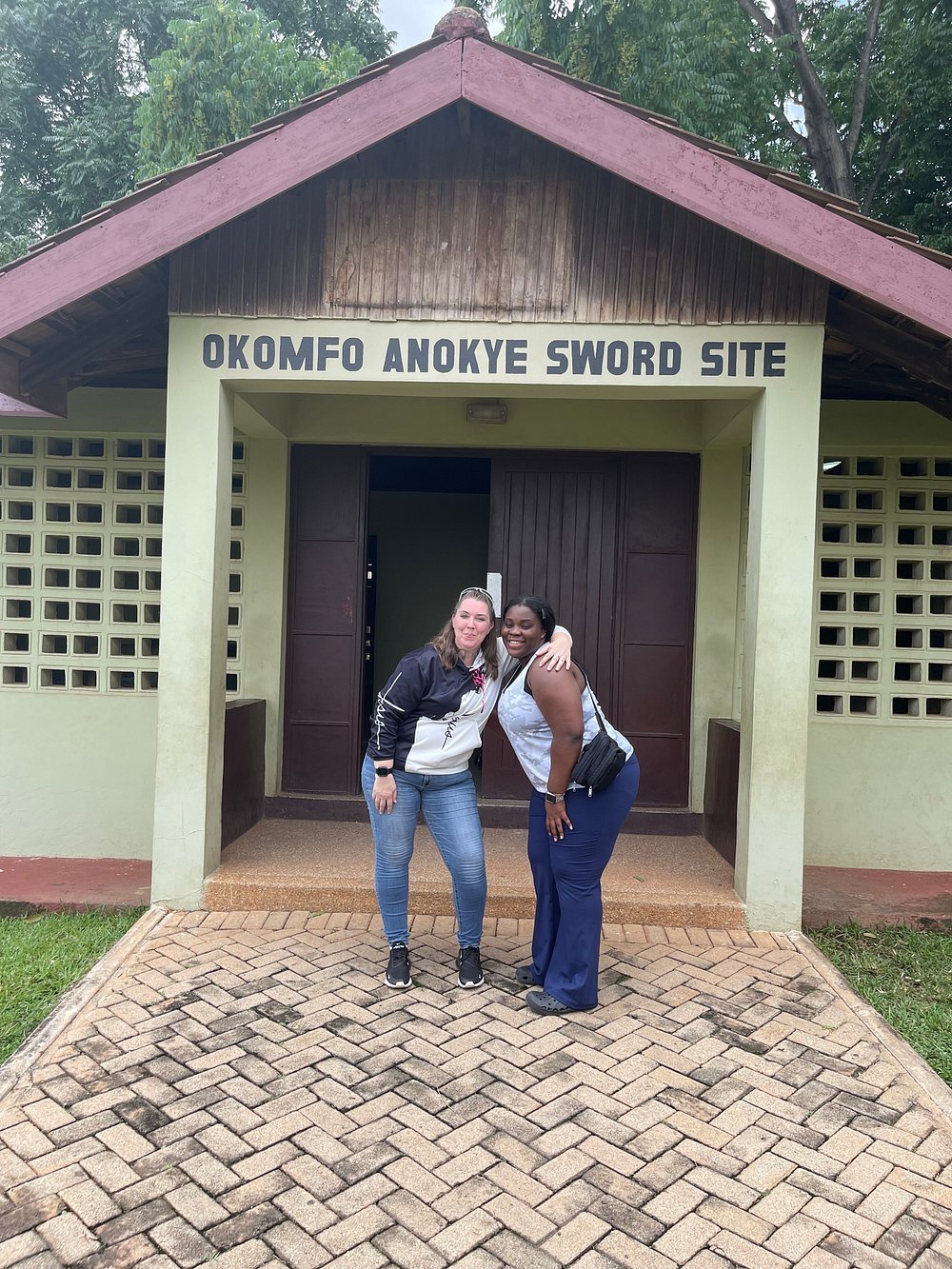
Afterward, head to the Okomfo Anokye Sword Site. This location is legendary in Ashanti history, as local tradition holds that the sword was struck into the ground by the legendary priest Okomfo Anokye and remains immovable today. The grounds are expansive, offering a peaceful environment compared to the city center. It is an excellent spot for history enthusiasts to spend an hour or two soaking in the significance of the Ashanti Kingdom culture.
Immersing in Ashanti Kingdom Culture
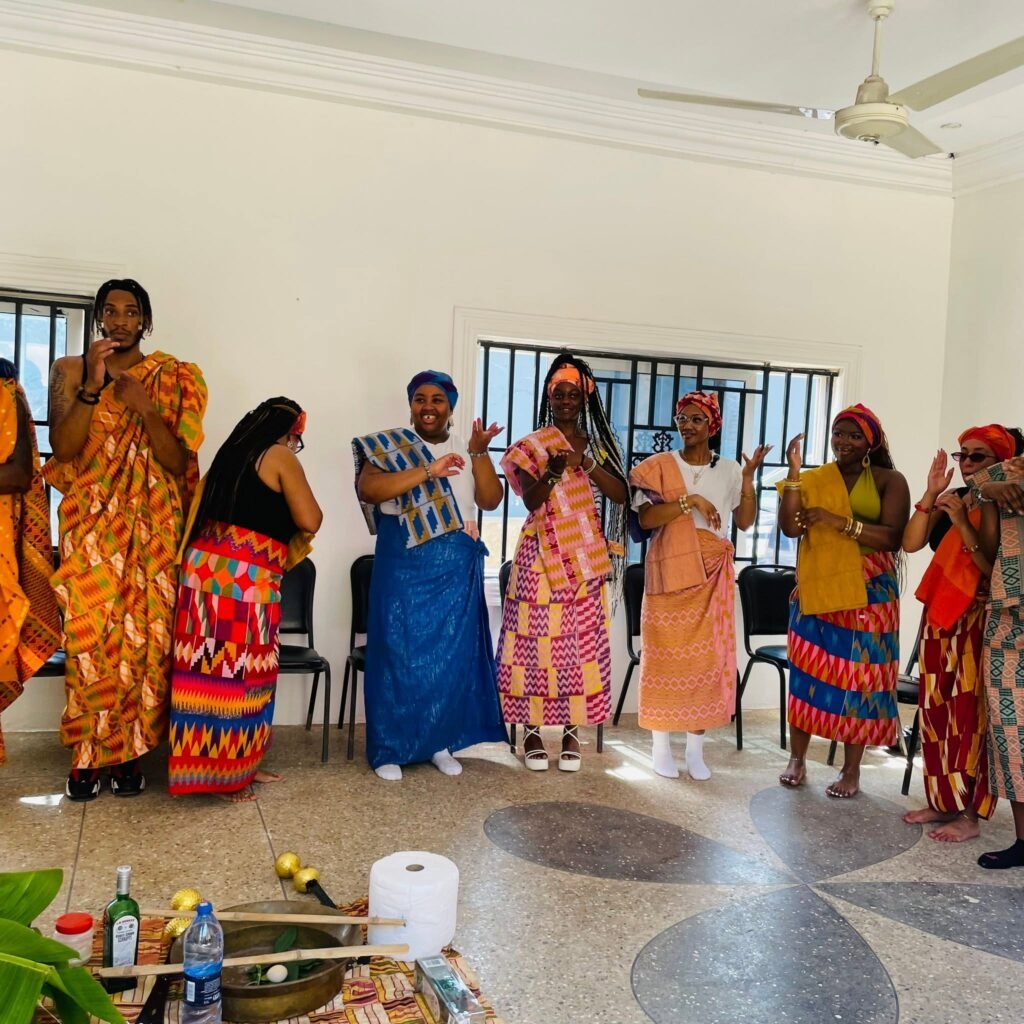
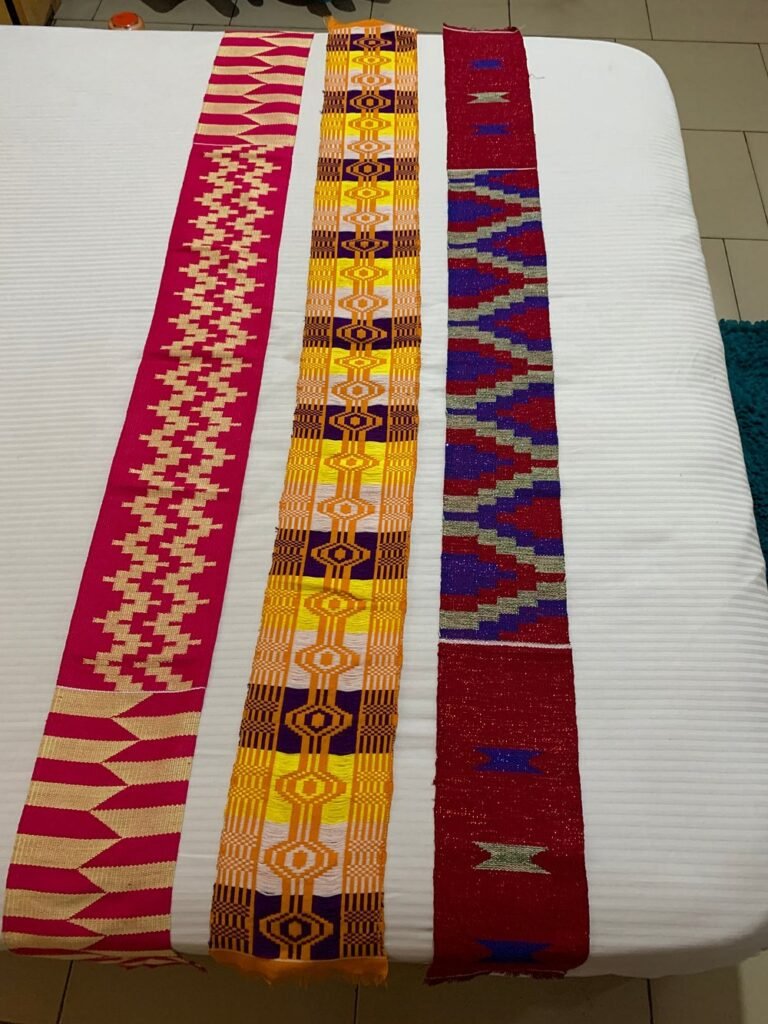
No trip to the region is complete without witnessing traditional Kente weaving. The Bonwire Kente village is the most famous location for this craft. You can watch master weavers create intricate silk patterns by hand, and many travelers purchase authentic textiles directly from the artisans. If you are interested in deeper cultural immersion, you should also look into traditional Ashanti etiquette for visitors to Kumasi to ensure you show proper respect to elders and local community members during your interactions at these workshops.
Additionally, the Kejetia Market is a sensory experience like no other. As one of the largest open-air markets in West Africa, it serves as the commercial heart of the city. While it can be overwhelming, it is the premier place to find local fabrics, jewelry, and traditional medicines. Always keep your valuables secure, and consider hiring a local guide to navigate the dense aisles; a local guide for a half-day tour typically charges between 100 and 150 GHS. While restrooms are limited, major shopping sections are increasingly installing basic facilities, but it is wise to carry your own sanitary essentials.
Nature and History Beyond the City
If you prefer a quieter pace, take a Lake Bosumtwi excursion. This massive meteorite impact crater is considered sacred by the Ashanti people. You can rent a local boat to drift across the calm waters or hike the surrounding hills for incredible views. It provides a peaceful contrast to the chaotic energy of downtown. Most boat operators charge roughly 50 to 80 GHS for a trip, depending on the duration and your negotiating skills. Ensure you have cash on hand, as there are no digital payment points in the lake vicinity.
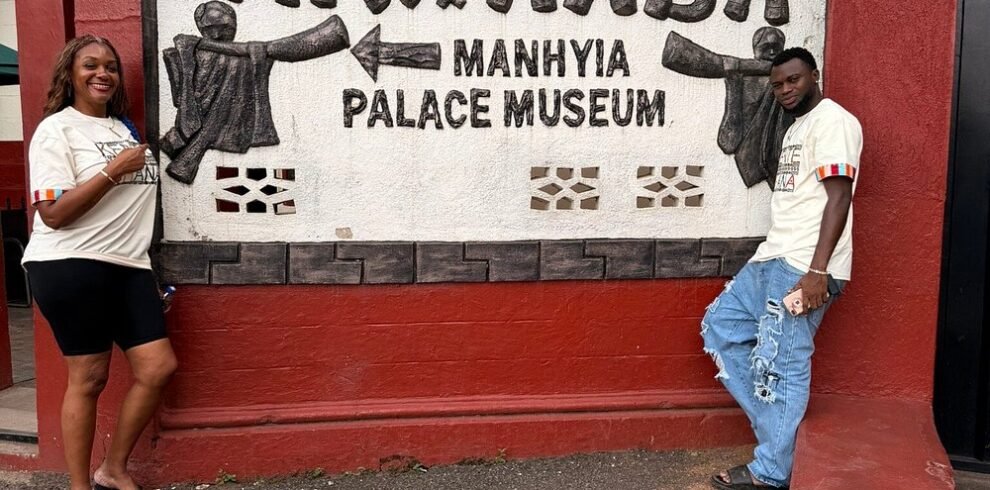
Discover Kumasi History Day Tour | Ashanti Region Experience Kumasi History Day Tour & Ashanti Region Heritage First, culture lovers…
Practical Logistics and Accessibility
Navigating these locations requires careful planning. Most sites open between 9:00 AM and 5:00 PM, though some close for lunch hours or on public holidays. For those with mobility challenges, accessibility is improving but remains inconsistent. Many historical buildings involve stairs and lack ramps, so travel with a companion if you require physical assistance. Hiring a private vehicle for the day is the most reliable way to ensure you have a comfortable seat and a flexible schedule. Costs for a private driver typically range from 300 to 500 GHS per day, depending on your route.
Public transport, known as tro-tros, is efficient but often challenging for tourists unfamiliar with the chaotic route system. Instead, use a reliable ride-hailing app, which offers fixed pricing and GPS tracking. This is significantly safer and more convenient for visiting scattered attractions. Regarding parking, the Palace and major tourist hubs offer secure, gated parking, usually for a modest fee of 5 to 10 GHS. Always keep an eye on your vehicle, and if you are using a driver, ensure they are waiting in a designated parking zone.
For detailed information on current regional developments, public holidays, or potential site renovations, visit the Ghana Tourism Authority official website. They provide accurate updates that could affect your travel plans, such as sudden closures for traditional Ashanti ceremonies or local festivals which may temporarily restrict access to certain landmarks.
Stay Ready when considering Kumasi tourist sites
To further prepare for your trip, consider the seasonal climate. The best time to visit is during the drier months, from November to March, when outdoor sites are more accessible and less prone to muddy, difficult terrain. During the rainy season, some paths around Lake Bosumtwi may be slippery, so pack sturdy footwear. Always keep a digital copy of your itinerary and emergency contacts on your mobile device. If you find yourself in a bind, Kumasi locals are generally very hospitable and happy to direct travelers to the nearest landmark or safe transport hub.
Finally, remember that respect for local customs is the cornerstone of a successful trip to the Ashanti region. When visiting shrines, sacred groves, or royal residences, asking permission is essential. Even if you see a sign that allows entry, a polite nod or greeting to a local caretaker can make a world of difference. Your willingness to learn and engage with the local culture will make your experience far more enriching than simply ticking sites off a list.
Discover Kumasi History Day Tour | Ashanti Region Experience Kumasi History Day Tour & Ashanti Region Heritage First, culture lovers…
Frequently Asked Questions (FAQ) for Kumasi tourist sites
Most museums permit handheld cameras, but they often charge an additional fee of 20-50 GHS for photography. Always ask permission before taking photos of people or sacred objects to respect local cultural norms.
Using a private car hire or a reliable ride-hailing app is highly recommended. It saves significant time and provides a more direct, secure route compared to navigating public transport systems.
Yes, modesty is required. Visitors should avoid wearing short skirts, sleeveless tops, or revealing clothing. Dressing respectfully is a key part of showing honor to the Ashanti royal tradition.
Tipping is not mandatory, but it is highly appreciated. A gesture of 20-40 GHS is a thoughtful way to thank your guide for their expertise, especially if you spend a significant amount of time with them.
Most sites are family-friendly, though the busy Kejetia Market can be intense and crowded for young children. Always keep children close and consider shorter, focused visits if traveling with little ones.