TL;DR: The Adventurer’s Summary
Ghana offers a rich tapestry of experiences, from coastal history to vast northern wildlife reserves. Successfully exploring these tourist sites in Ghana requires planning for regional transit, carrying local currency (GHS), and verifying current entry fees via the Ghana Tourism Authority.
Planning a trip to West Africa begins with identifying the premier tourist sites in Ghana and their locations. Ghana is a country of immense cultural depth and natural beauty, requiring travelers to understand regional geography to move effectively between bustling urban centers and remote natural wonders. This guide provides essential insights into how to reach these landmarks, what to expect upon arrival, and the logistical realities of traversing this diverse nation.
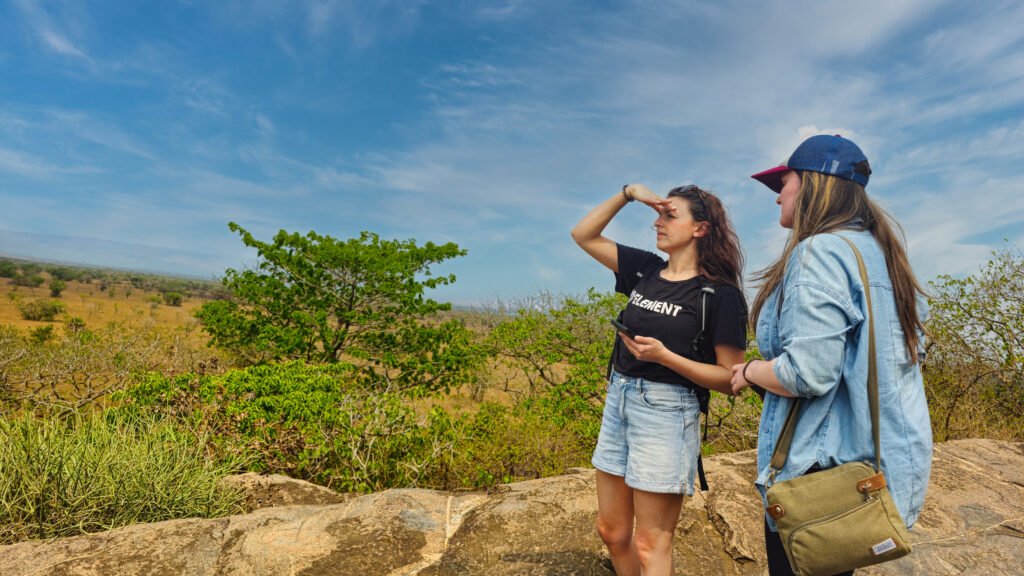
Exploring the top tourist sites in Ghana and their locations
Ghana comprises sixteen distinct regions, each offering unique attractions that contribute to the country’s status as a leading travel destination. For many visitors, the experience begins in the Greater Accra Region, where historical monuments like Independence Square sit alongside vibrant local markets. Moving toward the Central and Western regions, travelers encounter the legacy of the transatlantic slave trade and serene, palm-fringed beaches. Conversely, the northern Savannah region invites those seeking adventure, wildlife, and ancient mud-brick architecture.
Coastal Heritage: Cape Coast and Elmina
The central coast serves as the heart of Ghana’s historical tourism. Cape Coast Castle and Elmina Castle are among the most visited, and for good reason. These structures hold immense historical weight and provide an essential look into the history of the region. Visitors should allocate at least half a day to tour the dungeons and museums on-site. Entry fees for international visitors are typically higher than those for locals, often ranging between 50 and 80 GHS. Accessibility at these historic sites is limited for those with mobility issues due to steep stone stairs and uneven terrain, though staff are generally helpful.
Wildlife and Nature: Northern Regions
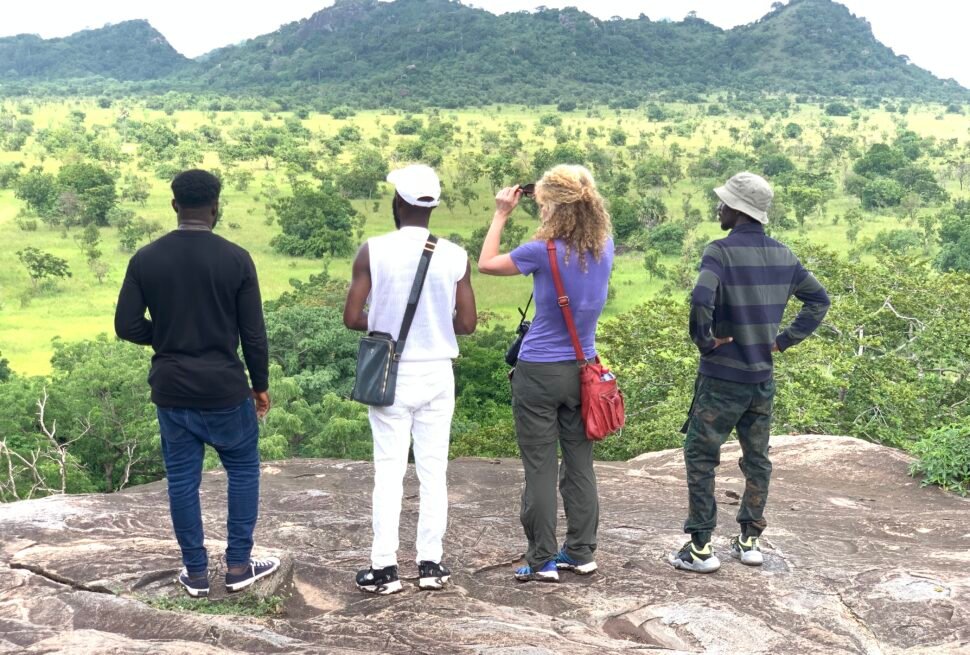
The Savannah Region is home to Mole National Park, the country’s largest wildlife refuge. Here, you can encounter elephants, antelopes, and hundreds of bird species. To reach this remote destination, most travelers fly into Tamale from Accra, followed by a three-hour drive to the park entrance. Public transport options like ‘tro-tros’ are available but often unreliable for long-distance, rural travel; therefore, hiring a private driver or using a tour operator is highly recommended. The infrastructure inside the park includes viewing platforms, which offer partial accessibility, but walking safaris require a reasonable level of physical fitness.
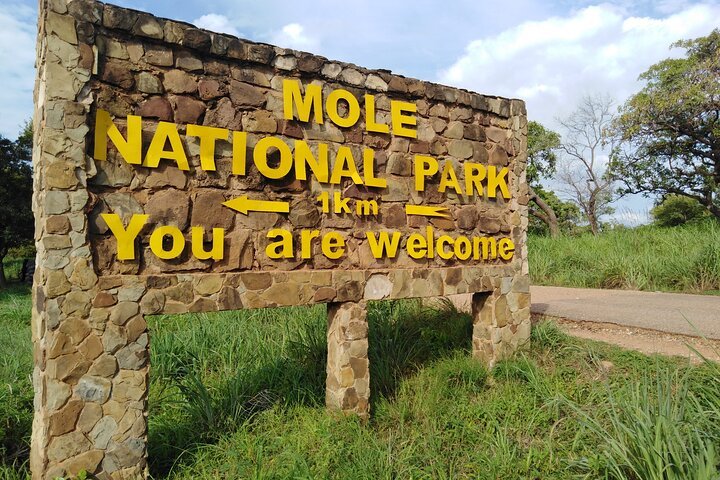
Experience the Best of Mole Park Wildlife Safari Mole Park Wildlife Safari is Ghana's largest game park, providing the ultimate…
Logistics: Navigating Between Destinations
Navigating between these tourist sites in Ghana requires a pragmatic approach to transport. The State Transport Company (STC) offers the most reliable intercity bus service, connecting major cities like Accra, Kumasi, and Tamale. For travel to remote areas, consider renting a 4×4 vehicle with a local driver. Always carry enough cash in Ghana Cedis (GHS), as rural areas lack reliable electronic payment infrastructure. Mobile money platforms are widespread, but international visitors often find cash the most convenient method for park entry fees and artisanal purchases.
Regarding infrastructure, restroom facilities at major tourist hubs have improved significantly in recent years. While high-traffic sites offer standard western-style amenities, rural locations may feature basic facilities. We recommend always carrying hand sanitizer and tissue. As it is a standard travel habit for those traversing the West African landscape. For detailed, real-time updates on national monument statuses and official fee structures, refer to the Ghana Tourism Authority website.
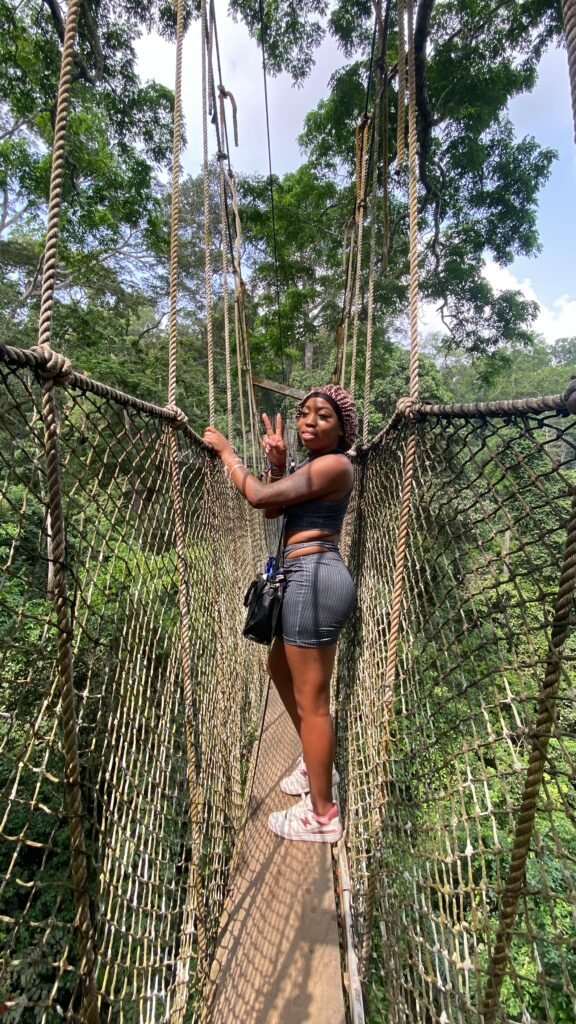
Travel Tips and Safety
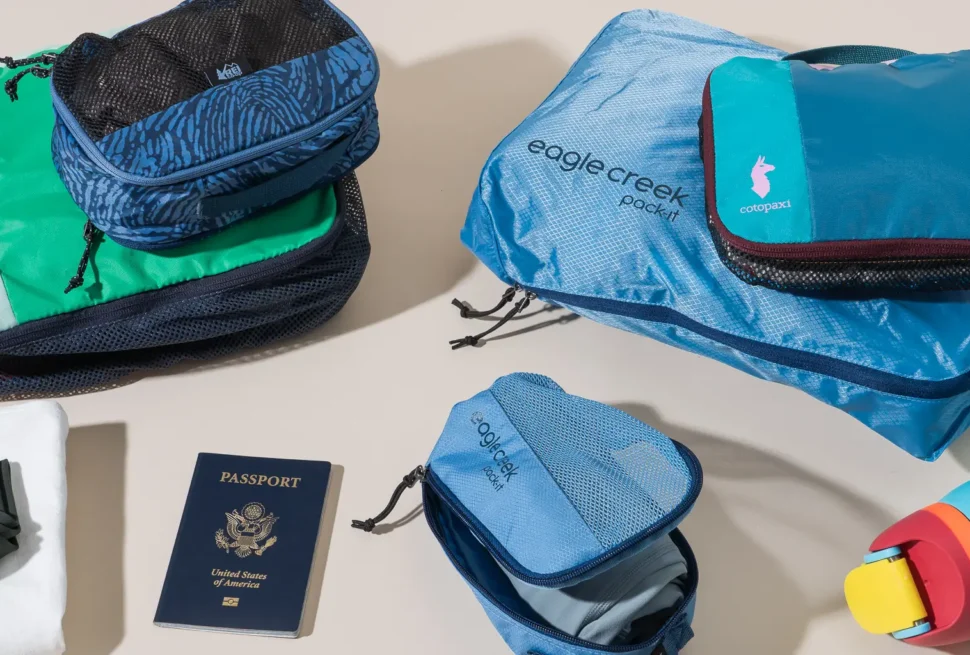
Ghana is one of the safest countries for international travelers in Africa. Standard safety precautions apply: keep your passport and valuables in a secure, hidden pouch, and always use registered, identifiable transport services. When traveling during the harmattan season (November to February), pack a light mask or buff, as the dry, dusty air can be pervasive. Be prepared for these environmental factors. It makes your journey across the best travel destinations in Ghana much smoother.
Beyond the primary sites mentioned, many hidden gems await the adventurous. For example, when you read our detailed regional travel guide, you will discover that the Volta Region offers stunning waterfalls and mountain treks that are often overlooked by first-time visitors. Planning your itinerary around these regional clusters will save you hours of travel time. And help you engage more deeply with the local culture.
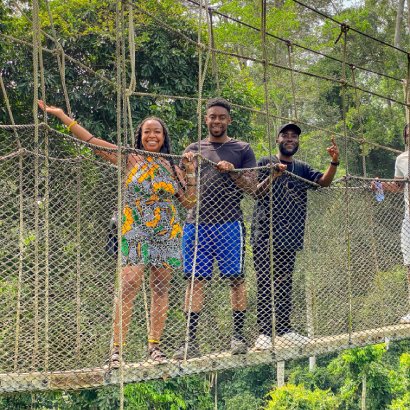
Experience the Cape Coast and Elmina Tour First, this Cape Coast and Elmina Slave Castle Tour provides a profound journey…
Frequently Asked Questions
While major urban centers are connected by well-paved highways, reaching remote sites often requires a mix of public and private transport. Hiring a local driver is usually the most efficient and comfortable choice for international travelers.
The Ghana Cedi (GHS) is the only currency accepted for entrance fees at national parks and historical sites. Always ensure you have sufficient cash on hand before setting off for remote locations.
Many historical sites in Ghana were built centuries ago, which limits wheelchair accessibility. However, modern tourist infrastructure in larger cities and at major natural parks is slowly improving to better accommodate diverse visitor needs.
Yes, most international travelers require a visa to enter Ghana. It is essential to apply through your nearest Ghanaian consulate or embassy well in advance of your planned travel dates.
The dry season from November to April is considered optimal. During this time, the roads are easier to navigate, and wildlife is more concentrated around water sources in northern parks, making for better viewing experiences.