
TL;DR: The Adventurer’s Summary
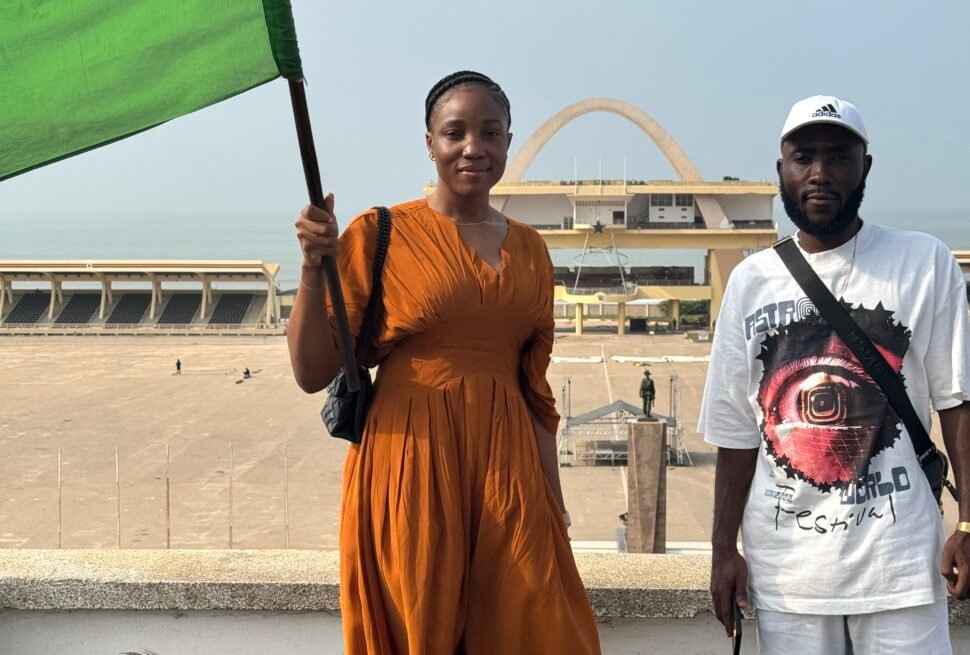
Kumasi is the heartbeat of Ghana’s culture. Key highlights include the Manhyia Palace Museum, Kejetia Market, and the Okomfo Anokye Sword site. Travelers should budget for modest entrance fees (typically 20-50 GHS) and embrace local transport like tro-tros. Respect for traditional customs remains essential.
Kumasi attractions define the cultural essence of Ghana, offering visitors an intimate look at the traditions of the Ashanti Kingdom. Known affectionately as the Garden City, Kumasi serves as the spiritual and political center for the Asante people. Whether you are a history enthusiast, a lover of traditional crafts, or a curious traveler, this city provides an authentic encounter with West African heritage. Navigating the rolling hills and vibrant streets requires a blend of curiosity and preparation. This guide provides the practical details, historical context, and essential tips needed for a seamless exploration of the region.
Essential Kumasi attractions and Cultural Landmarks
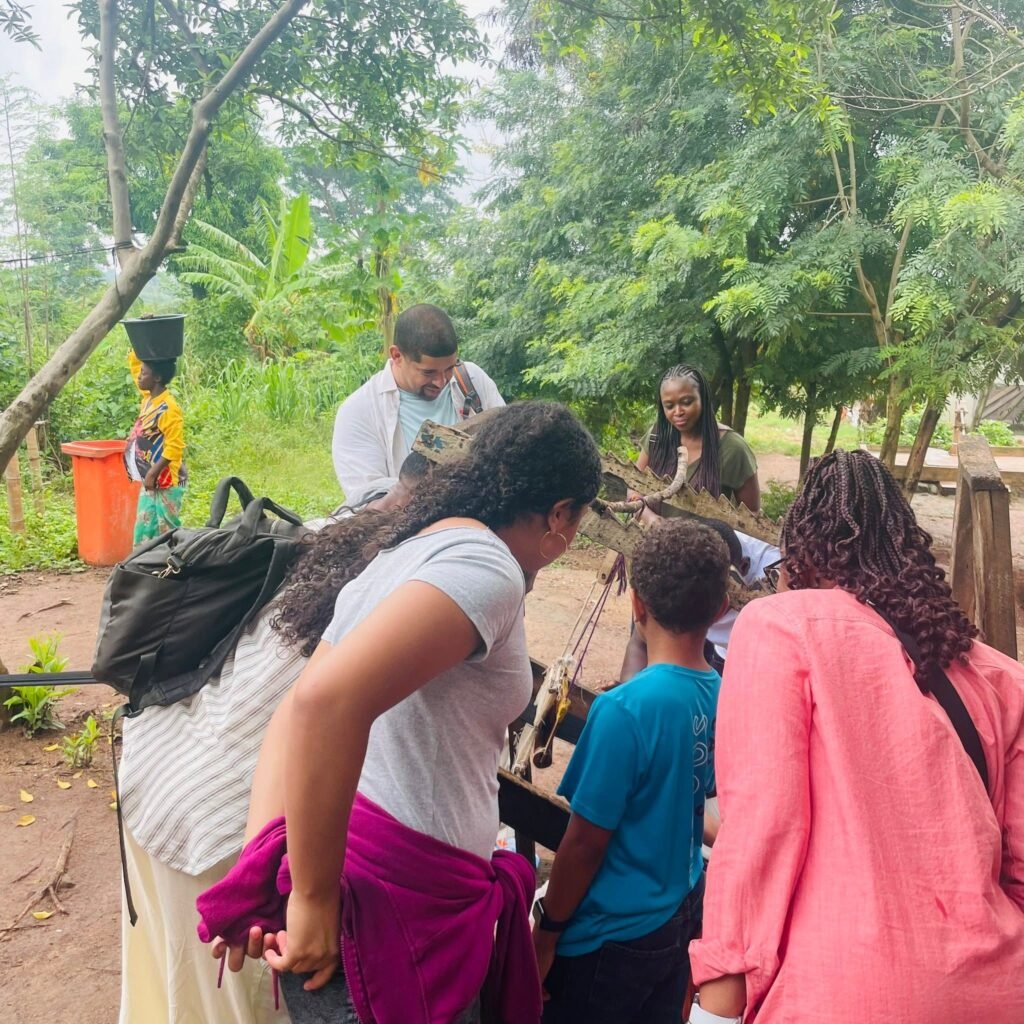
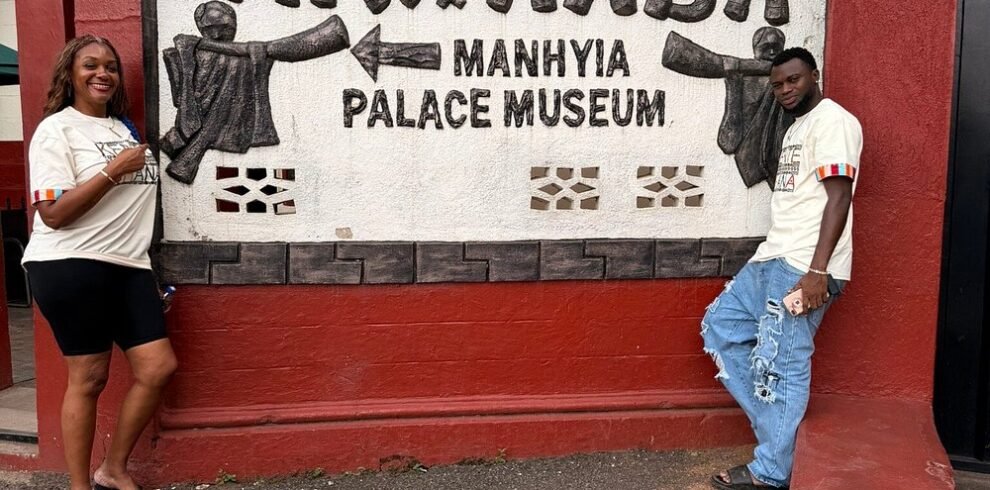
To truly understand the heartbeat of the Ashanti region, you must prioritize sites that tell its story. The Manhyia Palace Museum is the crown jewel of local history. It offers an immersive look into the lives of past Asante kings, displaying royal artifacts, regalia, and historical records. As you walk through the palace grounds, you will appreciate the architectural significance and the solemn weight of history. Note that this is a site of great cultural respect; modest dress is required, and photography rules can change, so always ask your guide before using your camera.
No visit is complete without experiencing the sheer scale of the Kejetia Market. Often cited as the largest open-air market in West Africa, this massive hub is where the city’s commerce comes alive. You will find endless rows of Kente cloth, spices, fresh produce, and handmade tools. Navigating these narrow, bustling aisles requires patience. It can be overwhelming, but it is an unparalleled opportunity to engage with local traders. If you prefer a curated historical perspective, we recommend this Kumasi history day tour to ensure you do not miss the hidden narratives of the market and the surrounding districts.
Historical Sites and Asante Culture
The Okomfo Anokye Sword site is a legendary landmark that captures the imagination of every visitor. Local lore suggests this sword was driven into the ground by a great priest centuries ago, and despite many attempts, it remains immovable. It represents the spiritual foundation of the Asante Empire. Beyond the sword, the Prempeh II Jubilee Museum provides further context on the transition of the Ashanti monarchy into the modern era. When visiting these locations, you are engaging with living history that is still deeply integrated into the daily life of local residents.
Practical Logistics and Transport when considering Kumasi attractions
Getting around Kumasi is part of the adventure. Most visitors arrive via the main highway from Accra. For updated information on national transit safety and road networks, you can consult the official Ghana Standards Authority for the latest guidelines. Once you are in the city, transportation options include taxis, which are the most convenient for tourists. Keep in mind that these vehicles rarely use meters, so you must negotiate your fare before starting the journey. Taxis are generally affordable, but having an idea of the distance will help you agree on a fair price.
Public transport is dominated by tro-tros, which are colorful, crowded minibuses. While they are significantly cheaper than taxis, they can be challenging for those unfamiliar with the routes. For accessibility concerns, it is worth noting that many historical sites feature uneven terrain, stairs, or sand-heavy paths. If you have mobility restrictions, hiring a private driver for the day is the most efficient and comfortable solution. They can navigate the traffic, provide waiting time at your destination, and offer local insights during your transit.
Discover Kumasi History Day Tour | Ashanti Region Experience Kumasi History Day Tour & Ashanti Region Heritage First, culture lovers…
Budgeting for Your Trip for Kumasi Attractions
Budgeting is straightforward once you know the basics. Major historical sites typically charge entrance fees ranging from 20 to 50 GHS. These fees often include a guided tour, which is highly recommended for obtaining a deeper understanding of the exhibits. Always carry small denominations of the Ghanaian Cedi (GHS), as change can be difficult to find in busy markets. It is customary to offer a small tip to guides who go above and beyond, though this is entirely at your discretion. For dining, budget roughly 50-100 GHS per day if you stick to a mix of local eateries and mid-range restaurants.
Safety and Cultural Etiquette
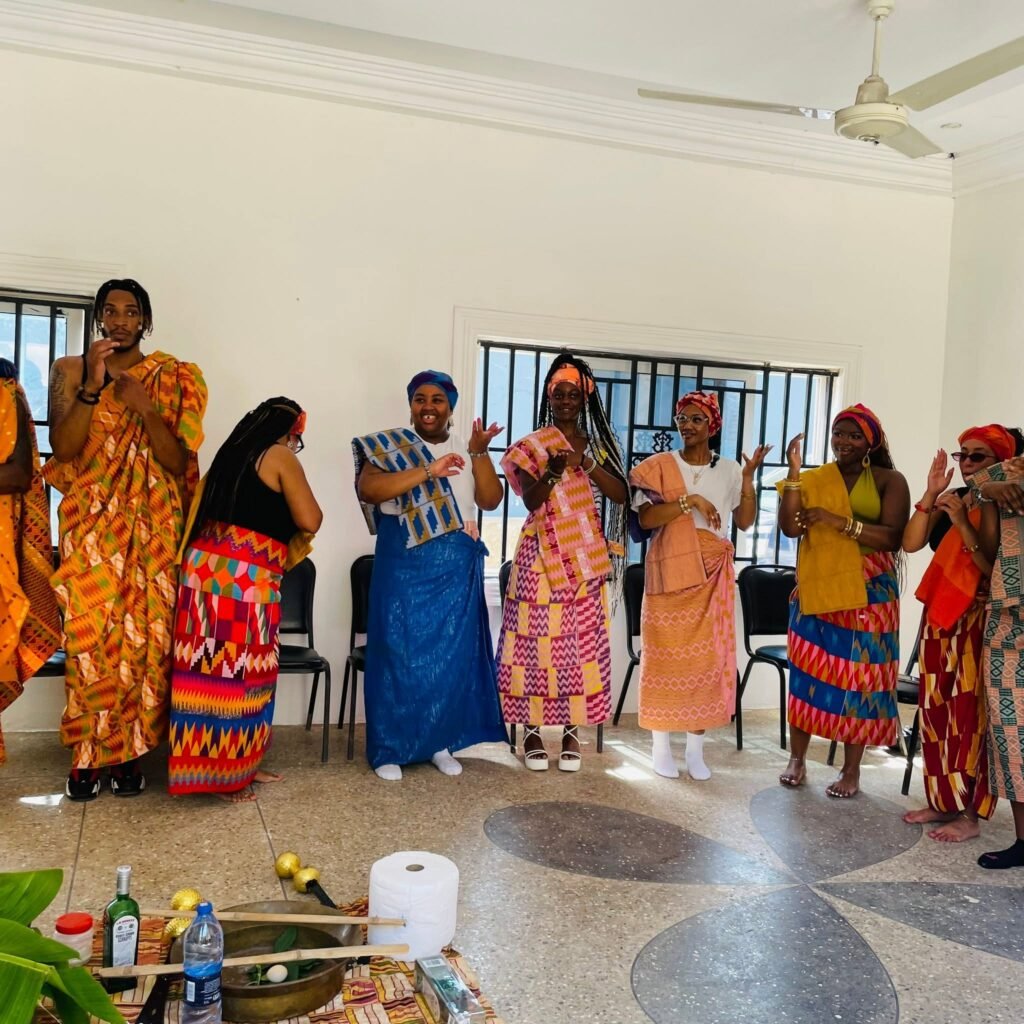
Kumasi is generally safe, but standard urban precautions apply. In densely populated areas like Kejetia Market, keep your belongings secured and be mindful of your surroundings. Cultural sensitivity is the key to a positive experience. Greetings are essential in Ashanti culture. A polite, friendly greeting in the local Twi language, such as “Me ma wo akye” (Good morning), will open doors and build instant rapport. Always ask for permission before taking photographs of individuals, especially elders or those performing traditional roles.
Regarding hygiene, stick to bottled water and be discerning about street food. While the food is incredibly flavorful, those with sensitive stomachs should start by eating at reputable stalls or established restaurants. If you encounter any health issues, the city center boasts several private clinics that provide quality medical services for international visitors. By respecting the local pace of life and maintaining an open, polite attitude, you will find that Kumasi is one of the most welcoming destinations in West Africa.
Discover Kumasi History Day Tour | Ashanti Region Experience Kumasi History Day Tour & Ashanti Region Heritage First, culture lovers…
Frequently Asked Questions (FAQ) for Kumasi Attractions
Yes, Kumasi is widely considered safe for solo travelers. Like any major city, it requires standard common sense regarding your valuables and personal safety at night, but the people are generally very helpful and welcoming toward tourists.
The best time to visit is during the dry seasons, specifically between November and March. The weather is cooler and less humid, which is ideal for exploring outdoor markets and historical walking tours.
Yes, cash is king in Kumasi. While high-end hotels and some restaurants accept credit cards, most entrance fees, markets, and local transport services require the Ghanaian Cedi in cash. Always carry smaller notes to avoid change issues.
Accessibility is limited in many of the older traditional sites, which often have uneven ground or stairs. It is advisable to contact specific venues or your tour operator in advance if you require assistance or special accommodations.
Tipping is not strictly mandatory but is greatly appreciated for good service. A range of 10 to 20 GHS is a reasonable tip for a standard site tour, though you may tip more if your guide provided exceptional service or spent extra time explaining local customs.
While you can explore the city center on your own, having a local guide is highly recommended for sites like the Manhyia Palace or the Okomfo Anokye site. Guides provide context that is often missing from signage, enriching your overall experience of the Asante heritage.