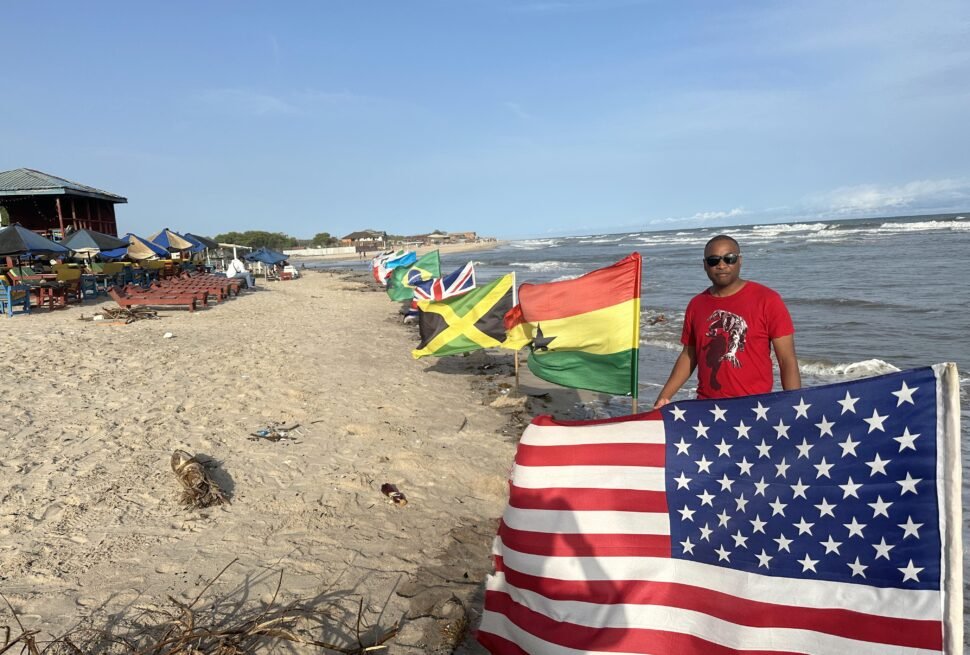
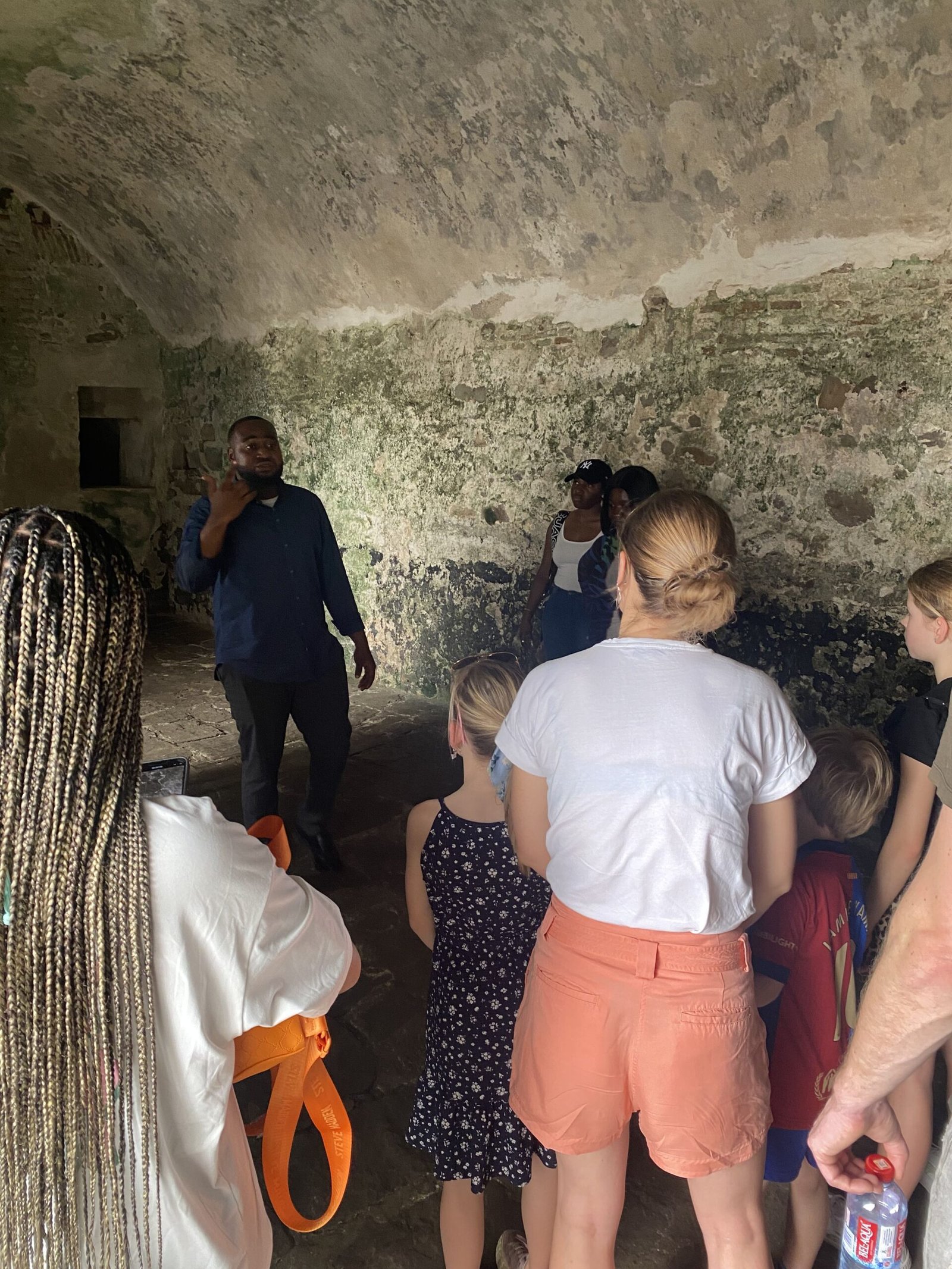
TL;DR: The Adventurer’s Summary
Ghana is a vibrant destination blending rich history, coastal beauty, and northern wildlife. To optimize your visit, prioritize professional operators for logistical support, maintain a flexible daily budget of 800-1,200 GHS for mid-range travel, and ensure all health precautions like yellow fever vaccinations are handled well in advance.
Finding the top travel and tours in Ghana is the most effective way to ensure a seamless experience in this culturally rich West African nation. Whether you are seeking historical depth at the Cape Coast Castle, vibrant markets in Accra, or the tranquil beauty of Mole National Park, a well-structured itinerary is vital. By leveraging professional local expertise, you can navigate complex logistics, secure reliable transportation, and access authentic cultural experiences that might otherwise remain hidden from independent travelers.
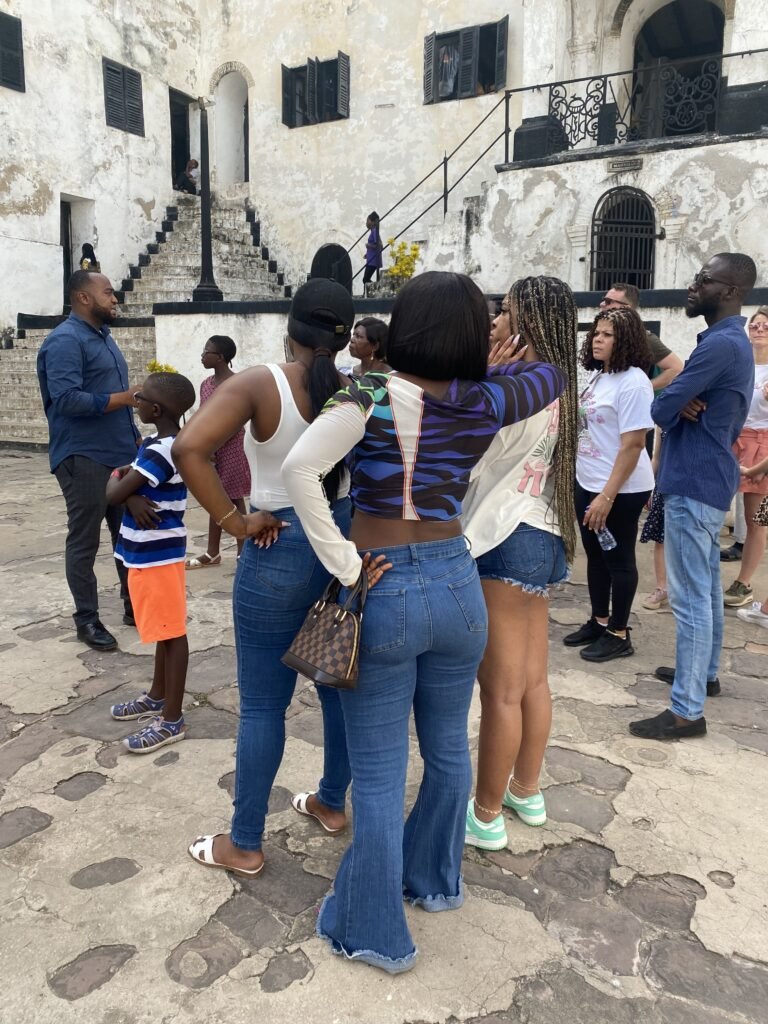
Understanding the Top Travel and Tours in Ghana
Identifying the right travel agency in Ghana involves evaluating their capacity to handle both urban and rural itineraries. A reputable agency provides more than just transport; they offer essential visa processing services and can secure accommodations that meet international safety standards. When searching for Ghana tour operators, look for those with a proven track record of facilitating smooth travel experiences across the diverse regions of the country. Professionalism is key, particularly when dealing with long-distance transfers between the southern coast and the northern savanna.
Curated Tour Packages vs. Independent Travel
For many, curated tour packages offer the best balance of structure and freedom. These packages typically include private drivers, knowledgeable local guides, and pre-vetted lodging. If you value efficiency, exploring our curated travel packages allows you to maximize your limited time without the stress of managing daily logistics. While independent travel is possible, it often requires significant time spent on public transit and negotiating private car hires, which can be challenging during the peak rainy season.
Practical Logistics and Itinerary Planning
Planning your trip requires a clear understanding of costs. A standard mid-range itinerary for a solo traveler generally requires a budget of 800 to 1,200 GHS per day. This estimate covers high-quality local guesthouses, private driver hire for inter-city travel, and diverse dining options. It is crucial to note that international flights are excluded from this daily estimate. When visiting multiple regions, budget for longer travel times, as road conditions vary significantly outside the major urban centers.
Transportation remains the backbone of any successful Ghana trip. While the VVIP bus network is an excellent, reliable option for connecting Accra, Kumasi, and Tamale, hiring a private vehicle is highly recommended for rural explorations. Ensure that your chosen service provider offers full insurance and experienced, licensed drivers. For official guidance and travel mandates, always refer to the Ghana Tourism Authority before finalizing your bookings.
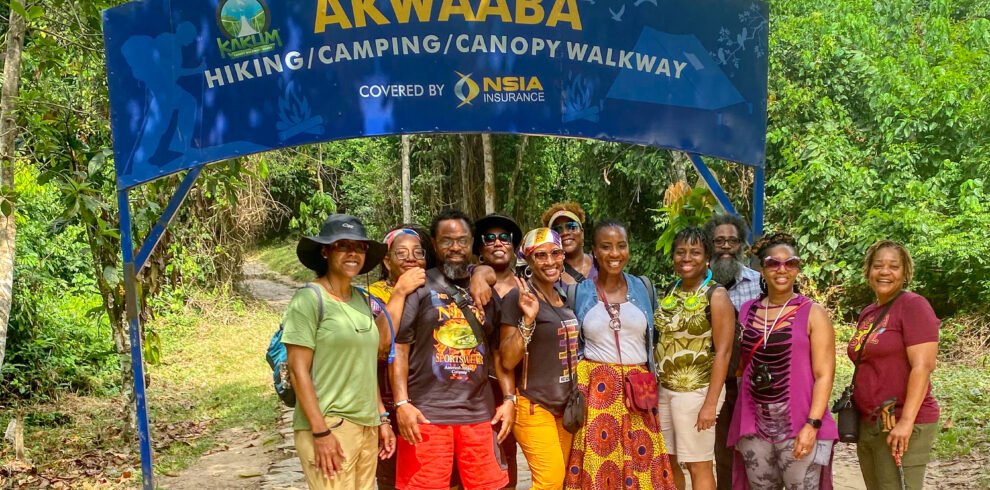
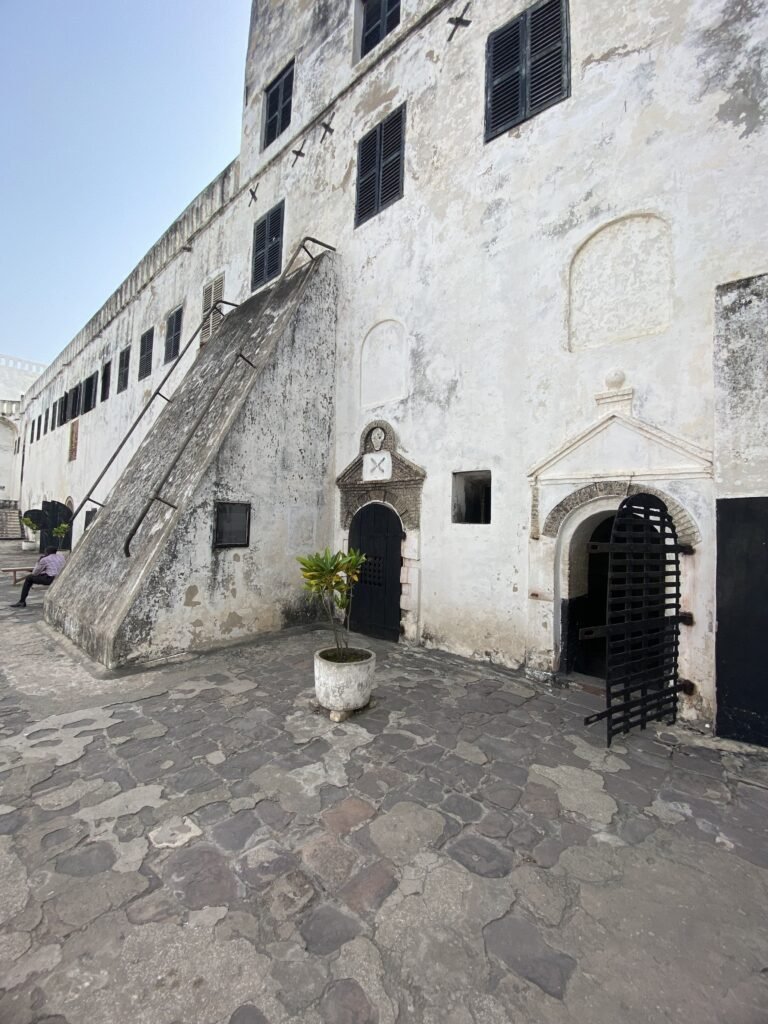
Discover Cape Coast Historical Tour First, three iconic landmarks—Cape Coast Castle, Elmina Castle, and Kakum National Park—weave compelling stories of…
Safety and Health Advisory
Safety in Ghana is high, but standard precautions are essential for all international visitors. A yellow fever vaccination certificate is a mandatory entry requirement; carry your original card at all times. Regarding health, malaria prophylaxis is strongly advised. Stick to bottled or purified water exclusively, and maintain a basic first-aid kit for minor emergencies. While Accra boasts modern hospitals, health facilities become more sparse as you move into the Northern Region, necessitating careful, pre-planned medical safety steps.
Deepening Your Ghana Travel Experiences
True Ghana travel experiences often exist away from the main tourist circuits. Consider spending time in the Ashanti Region to witness traditional kente weaving workshops in Bonwire, or visit the remote artisan villages where age-old customs remain intact. These hyper-local activities are best accessed through a professional guide who can bridge language gaps and facilitate meaningful interactions with local elders. Embracing these niche activities provides a much deeper understanding of Ghanaian heritage than a standard resort-based vacation could ever offer.
Avoiding Common Traveler Mistakes
A common mistake is trying to see too much of the country in too little time. Ghana is larger than many realize, and transit can be slow. Build buffer days into your schedule to account for road traffic or changing weather. Furthermore, always keep physical copies of your essential documents, such as your passport and visa, rather than relying solely on digital files. Lastly, avoid booking tours through unverified individuals at transit hubs; only engage with established agencies to ensure quality and accountability.
Frequently Asked Questions (FAQ) for top travel and tours in Ghana
The dry season, from November to March, is widely considered the best time for travel. During this period, humidity is lower, and it is significantly more comfortable for extended outdoor excursions and wildlife viewing in the north.
Yes, most foreign nationals require a visa to enter Ghana. It is recommended to contact your local Ghanaian embassy or high commission at least three months prior to your intended travel date to ensure all paperwork is processed in time.
The local currency is the Ghanaian Cedi (GHS). While US Dollars and Euros can be exchanged in cities, it is best to carry a mix of cash and access funds via ATMs located in major metropolitan centers. Rural areas operate almost exclusively on a cash basis.
Ghana is generally very family-friendly, and the culture places a high value on children. With proper planning regarding hydration, sun protection, and a manageable, non-rushed itinerary, families can have a rewarding and safe experience.
For long-distance travel, domestic flights operate between Accra and hubs like Tamale. Alternatively, private hire vehicles offer the most flexibility, while the VVIP bus service is a cost-effective, reliable, and comfortable option for inter-city travel.