
TL;DR: The Adventurer’s Summary
Ghana is arguably the most accessible destination for West Africa solo travel. It offers a warm culture, English-speaking locals, and reliable transit options. Stick to major routes like the Accra-Kumasi-Cape Coast circuit for your first visit. Use mobile money for payments, download ride-sharing apps, and always confirm transport fares in advance to ensure a smooth experience.
Planning your first Ghana solo journey is an exciting step into one of the most welcoming nations on the continent. Known as the gateway to West Africa, the country balances rich historical depth with a vibrant, modern atmosphere. Whether you are seeking cultural immersion in Kumasi or relaxing along the coastline of the Central Region, navigating the country alone is entirely achievable with the right preparation.
Understanding the Ghana solo travel landscape
Many travelers wonder, is Ghana safe for solo travelers? Generally, the country is stable and hospitable. Most locals are incredibly helpful, and the tourism infrastructure is growing rapidly. However, like any destination, maintaining situational awareness is key. For those considering a solo travel Ghana experience, the most important rule is to stay visible during the day and avoid unnecessary late-night travel on rural roads.
Black solo travel Ghana experiences are particularly rewarding. Visitors often find a sense of ancestral connection and cultural belonging. Because the country is a hub for the African Diaspora, you will frequently meet other solo travelers and locals who are eager to share their heritage. Embrace the social nature of the country; Ghanaians are famously friendly, making it easy to strike up conversations.
Practical logistics and navigation
Efficient movement is the secret to a stress-free trip. In Accra, download Uber or Bolt. These apps are the standard for safe, cashless transit. They eliminate the need to negotiate fares, which is a common point of friction for newcomers. Always verify the driver’s plate number before entering the vehicle. If you find yourself in an area without app coverage, ask your accommodation staff to book a reputable taxi for you.
For communication, do not rely solely on hotel Wi-Fi. Purchase a local SIM card immediately upon arrival at Kotoka International Airport. MTN is widely considered the most reliable network for national coverage. Request a 10GB to 20GB data bundle, which usually costs around 100-200 GHS. This ensures you can access Google Maps, ride-sharing apps, and mobile money services consistently. Registering your SIM is mandatory, so ensure you have your passport ready for the vendor.
Cashless payments are increasingly common. Mobile Money (MoMo) is the backbone of the economy. You can link your local SIM to a mobile money wallet, which allows you to pay at many vendors and pay for services without physical cash. For the most updated travel regulations, refer to the official Ghana Tourism Authority website.
Navigating regional transit safely
Moving between regions requires more planning than city travel. The most common method for backpackers is the ‘tro-tro,’ a shared minibus. These are incredibly affordable but can be chaotic. They depart only when full. If you prefer comfort and predictable timing, opt for luxury bus services like VIP Jeoun or STC. These companies operate dedicated stations and offer reserved seating for long-distance routes.
If you are traveling long distances outside the main highways, consider private car hire. While more expensive, it provides security and flexibility. Always ask your accommodation host to recommend a trusted driver. Never hail unknown private vehicles on the side of the road. When using public transport, keep your bags with you at all times, preferably in your lap or tucked firmly under your seat. For solo female travel Ghana journeys, sticking to STC buses is often recommended for peace of mind and higher safety standards.

Discover Accra City Day Tour | Ghana Discover Our Accra City Day Tour First, travelers experience the energetic pulse, rich…
Budgeting for your solo adventure
Your budget will depend heavily on your travel style. A shoestring backpacker can survive on 300 to 500 GHS per day, covering dorm-style accommodation, street food, and tro-tro fares. If you prefer boutique hotels and air-conditioned private taxis, budget closer to 1,500 to 2,500 GHS per day. It is helpful to set aside a buffer for emergencies.
Street food is delicious and very affordable. Look for busy spots with a high turnover of customers; these are usually the safest and tastiest. Entry fees for major attractions, such as the Cape Coast Castle or Kakum National Park, are typically priced differently for international visitors, often ranging from 100 to 250 GHS, so carry a little extra cash in GHS for these moments. Remember to keep your receipts and carry a photocopy of your passport.
Staying safe and respectful
Respect local customs to ensure a smooth trip. Ghana is a conservative society. Dressing modestly—covering shoulders and knees—is highly appreciated, especially in rural areas or when visiting religious sites. Always greet elders and locals with a handshake or a polite nod; failing to acknowledge someone before asking for directions is considered impolite.
When you are solo, trust your intuition. If a situation feels uncomfortable, walk away. Most interactions in the country are positive, but it is important to stay cautious. Keep your valuables, like your passport and extra cash, in a hidden money belt. Use the hotel safe for your primary documents while you are out exploring during the day. Always share your travel itinerary with a trusted friend or family member back home, and check in regularly.
In addition to these tips, ensure your health is covered. Consult a travel clinic for recommended vaccinations, such as yellow fever, which is mandatory for entry. Pack a basic first-aid kit, including malaria prophylaxis, and stay hydrated with bottled or treated water. Being prepared allows you to focus on the incredible sights and experiences that await you in this beautiful nation.
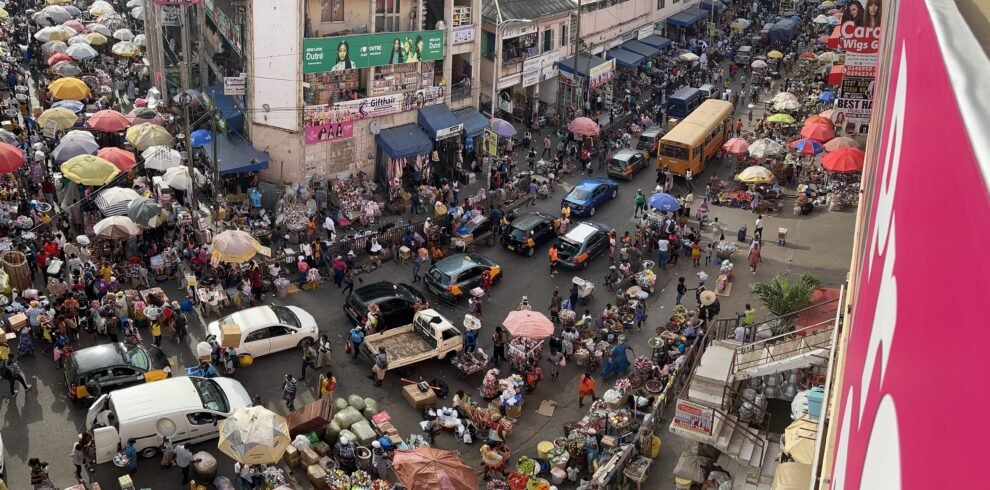
Discover Mokola Market Kantamanto Thrift Tour What to Expect on Our Market Tour First, our Mokola Market Kantamanto Thrift Tour…
For those interested in longer stays, consider joining local community groups or Facebook expat networks. They often provide insights into local events, hidden gems, and updated safety tips. Engaging with these communities can bridge the gap between being a tourist and feeling like a resident. Your willingness to learn and adapt is your best tool for a successful, rewarding experience in West Africa.
Frequently Asked Questions (FAQ) for Ghana solo travel
Generally, it is advised to avoid walking alone after dark, especially in unlit or unfamiliar areas. Use ride-sharing apps like Uber or Bolt if you must move about the city at night, as they provide tracking and safer, vetted vehicle options.
Use state-run buses like STC for inter-city travel and official ride-sharing apps like Uber or Bolt for city navigation. Avoid hailing random taxis off the street; always use apps or official hotel-recommended services.
Most foreign nationals require a visa to enter Ghana. Ensure you check with your nearest Ghanaian embassy or the official government portal well before your departure date to avoid travel complications.
The currency is the Ghanaian Cedi (GHS). While cities are adopting digital payments, always carry some physical cash for markets, rural shops, and small vendors who may not accept cards or mobile money.
Tipping is not strictly mandatory but is deeply appreciated for good service at restaurants or by private tour guides. A small token of 5-10% of the total bill is considered generous and helpful.