
- 20
Ghana is a vibrant country in West Africa, known for its rich history, cultural diversity, and political significance.
Featured
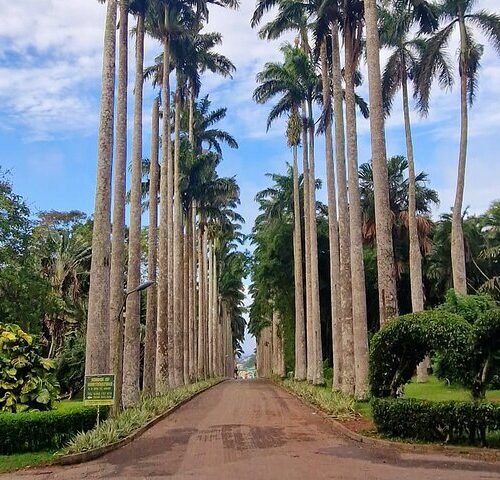

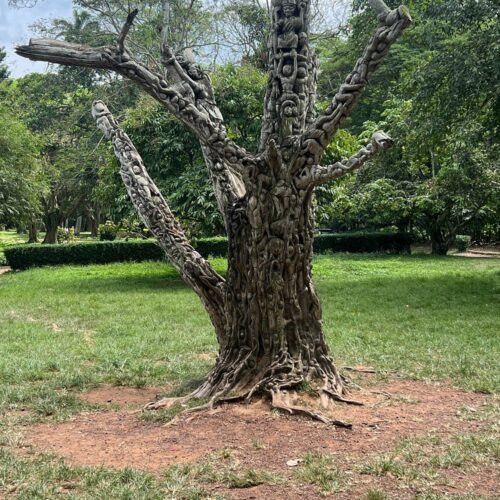
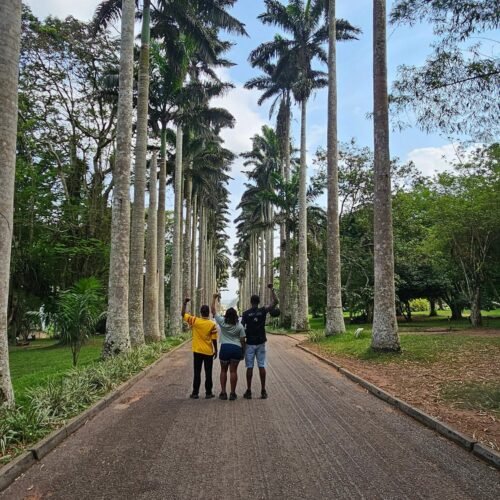

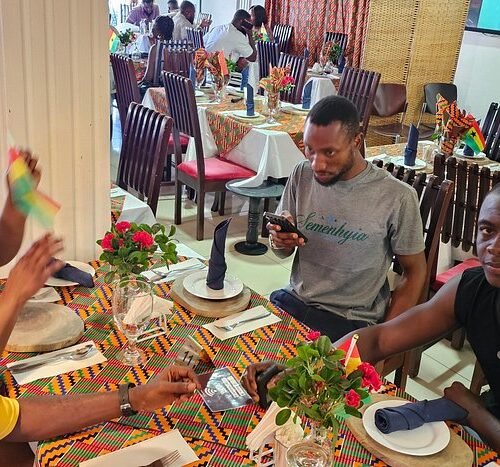

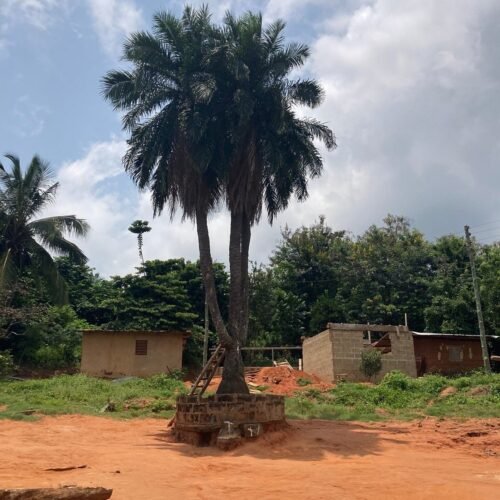


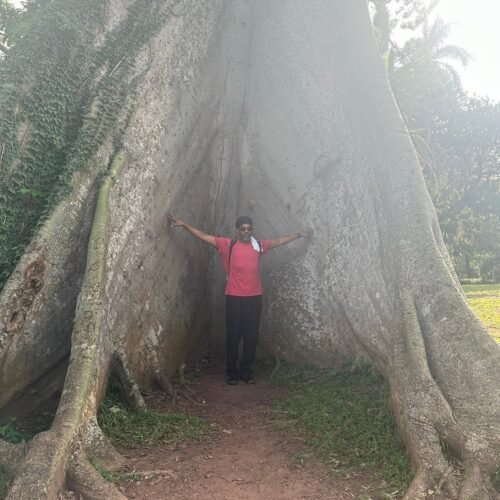
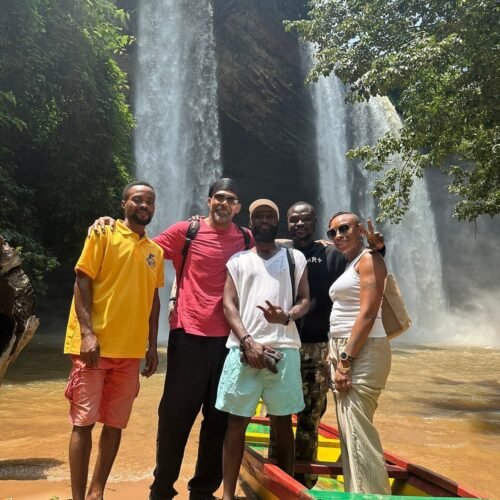
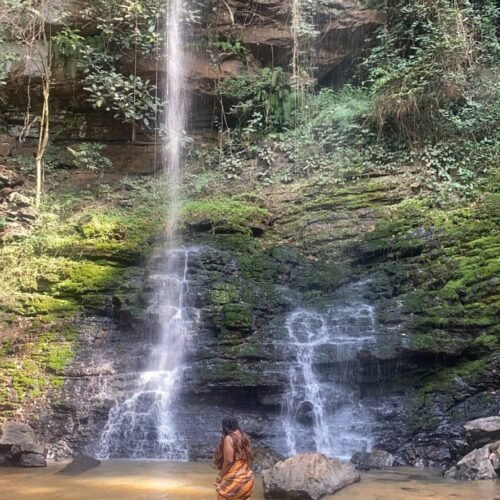

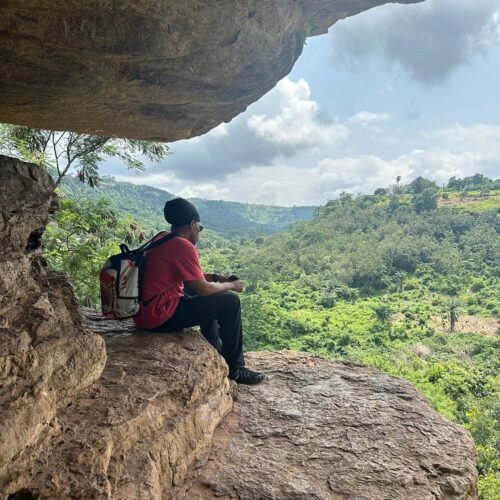
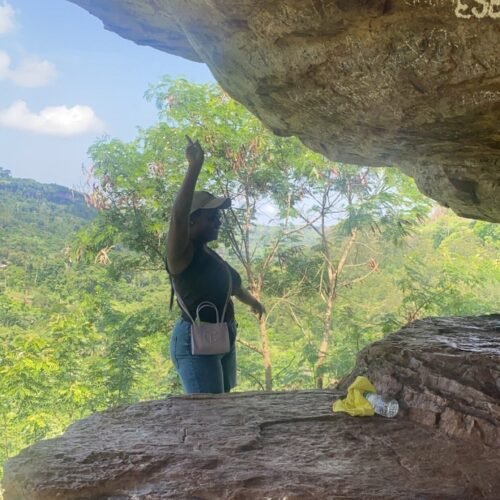


Map
Our tours always offer something extra & special. Our experienced tour guides will make your adventures in Ghana truly memorable. You'll have a professional driver...
Duration
9 Hours
$180
Next Departures
July 28, 2026 (Available)July 29, 2026 (Available)July 30, 2026 (Available)
Featured




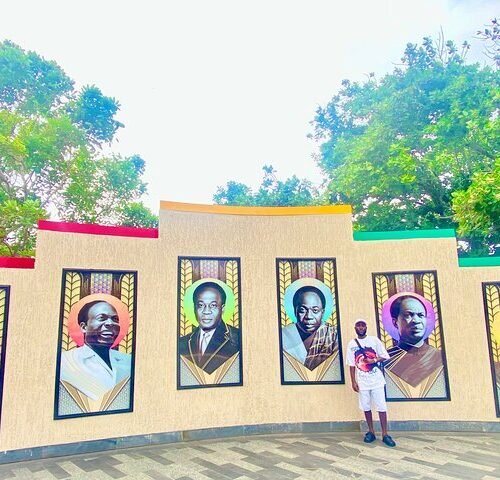

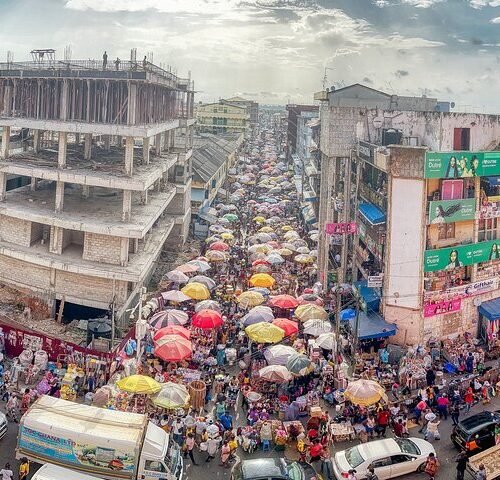

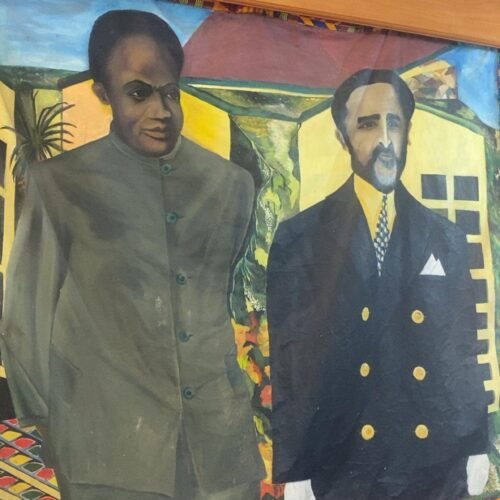
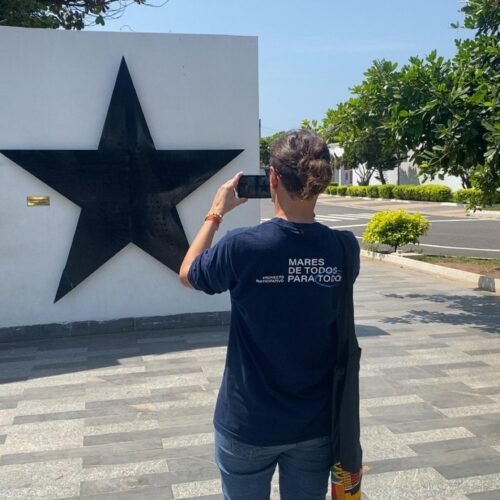
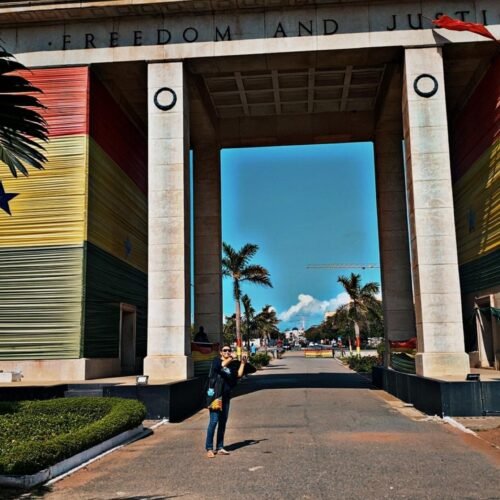
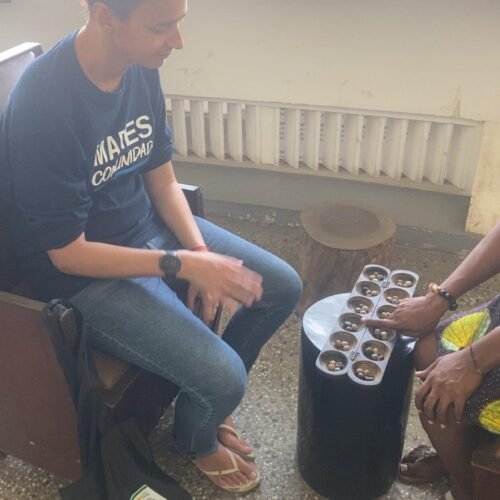


Map
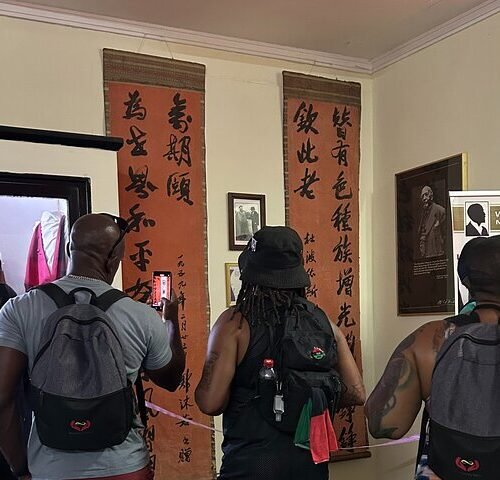
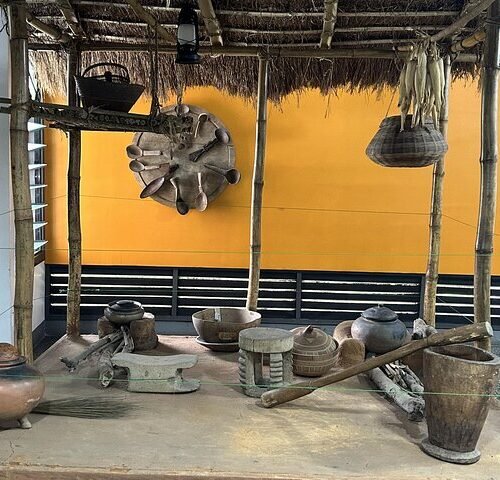
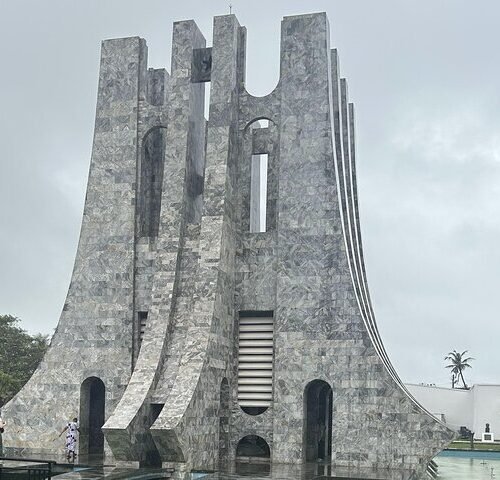
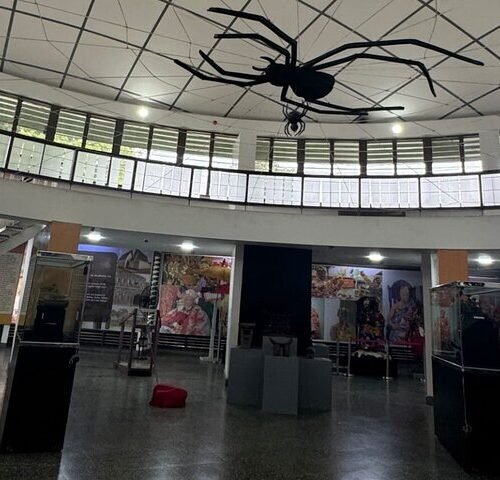
With expert guides our tours gives you more and are tailored to your interests, covering topics such as local cuisine, customs, way of life, and...
Duration
12 Hours
$95
Next Departures
July 28, 2026 (Available)July 29, 2026 (Available)July 30, 2026 (Available)









Map
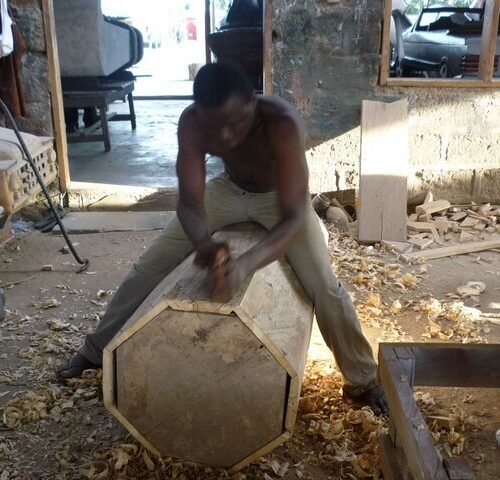
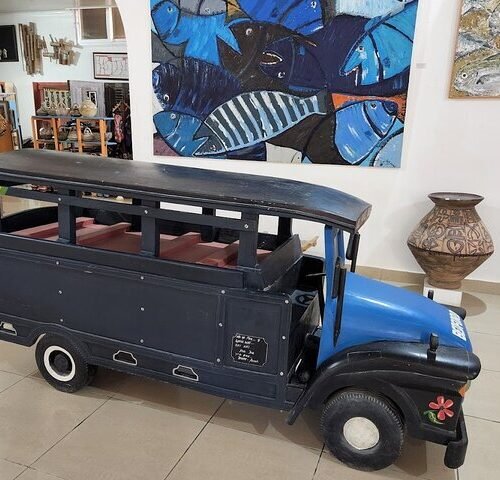
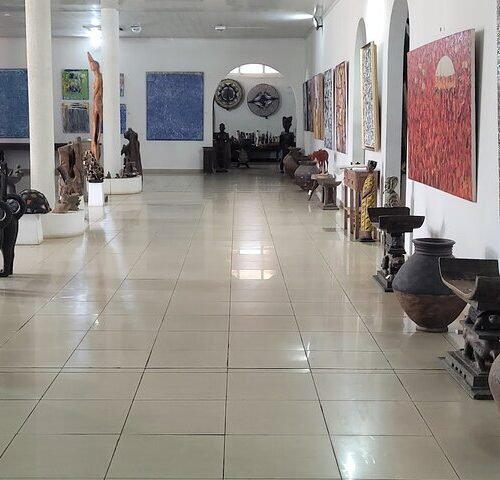
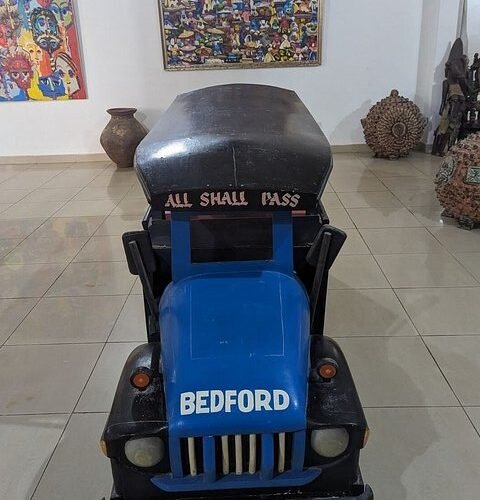
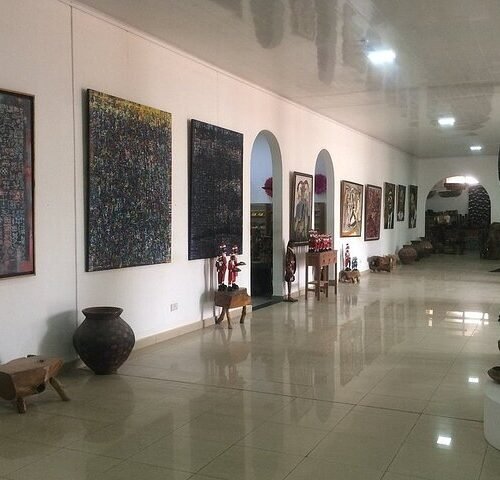
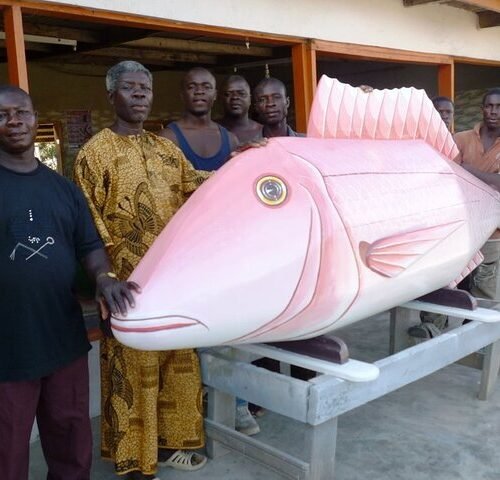
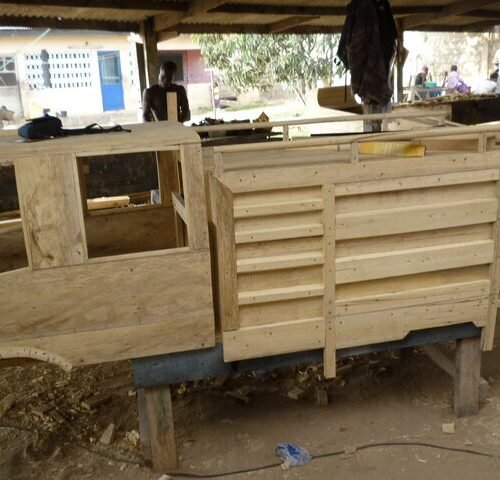
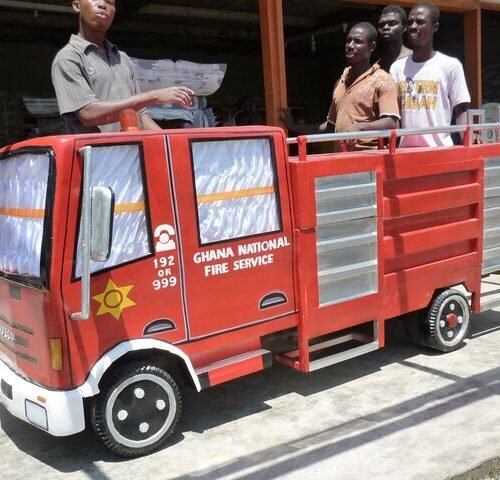
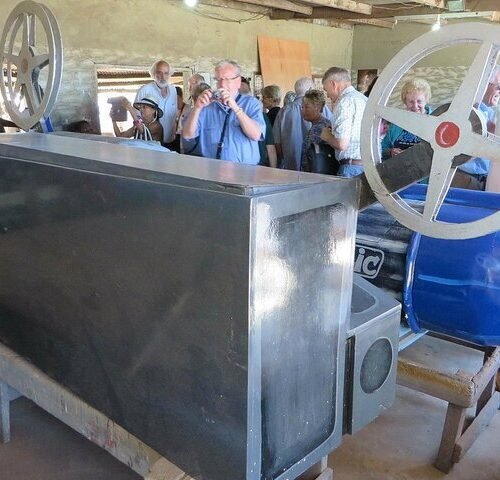
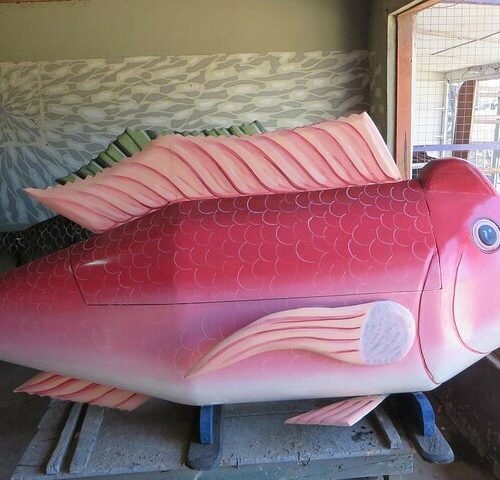
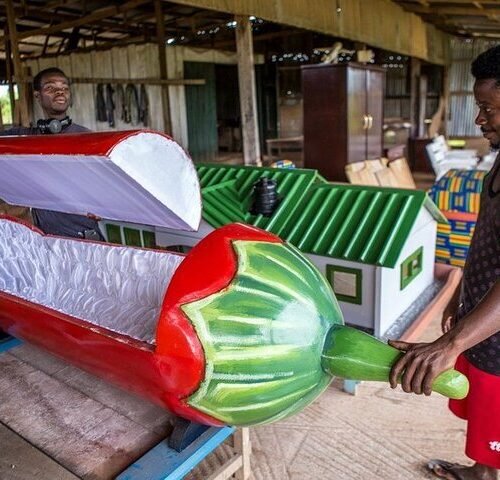
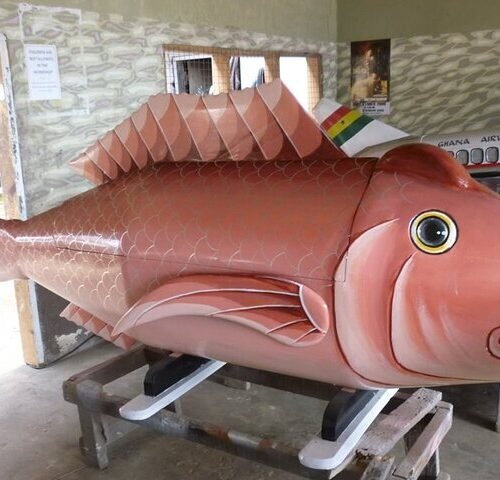
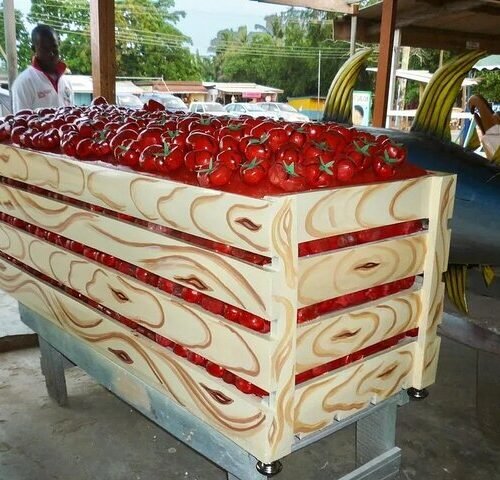
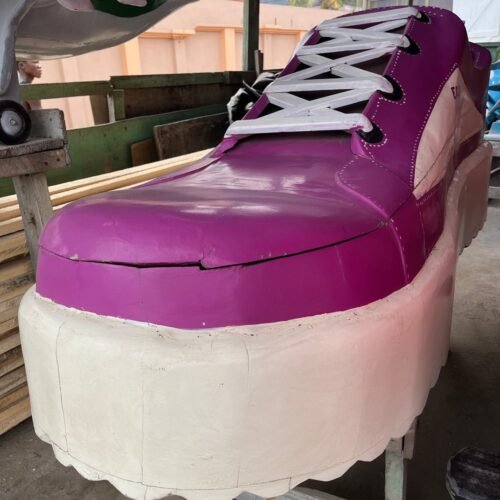
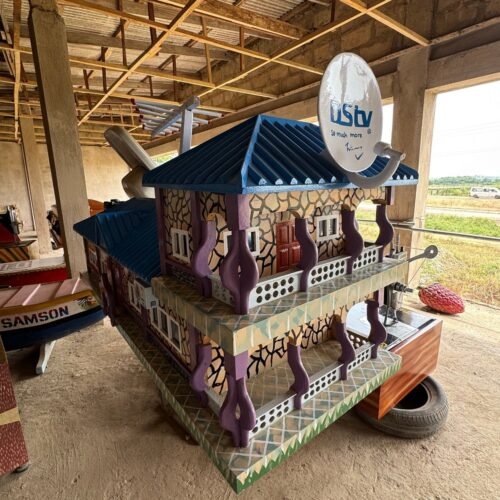
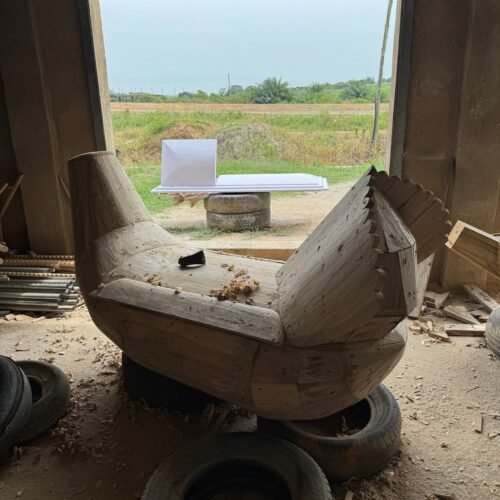
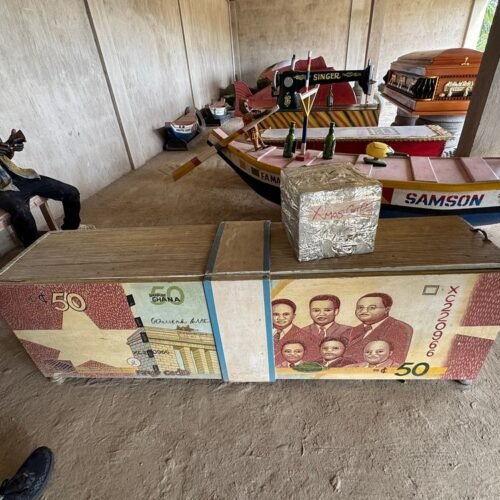
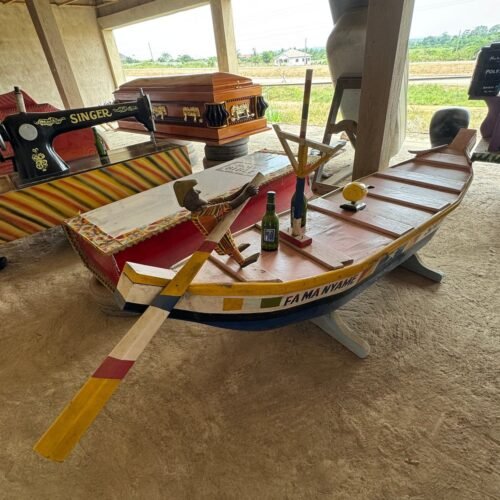
This experience is highly recommended for lovers of art, paintings, sculptures, carvings, and other artifacts. If you're interested in shopping for similar items, you can...
Duration
4 Hours
$100
Next Departures
July 28, 2026 (Available)July 29, 2026 (Available)July 30, 2026 (Available)











Map
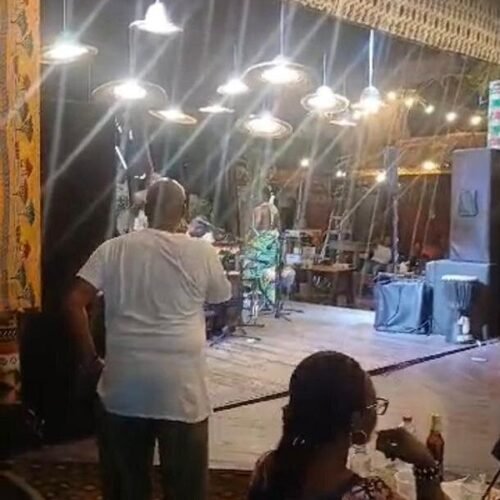
Experience the upscale atmosphere of modern clubs and open bars on a nightclub tour in Accra. Embark on a diverse and lively pub crawl in...
Duration
4 Hours
$90
Next Departures
July 29, 2026 (Available)July 30, 2026 (Available)July 31, 2026 (Available)






Map
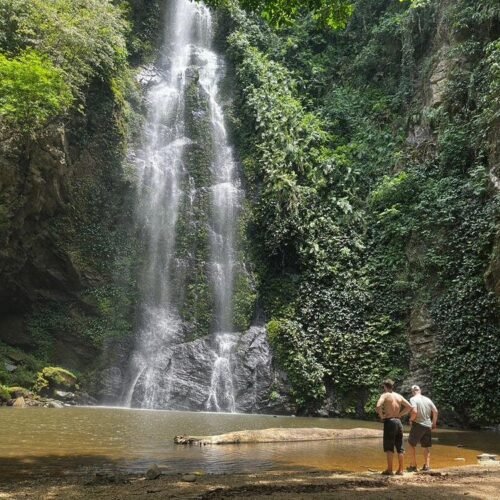
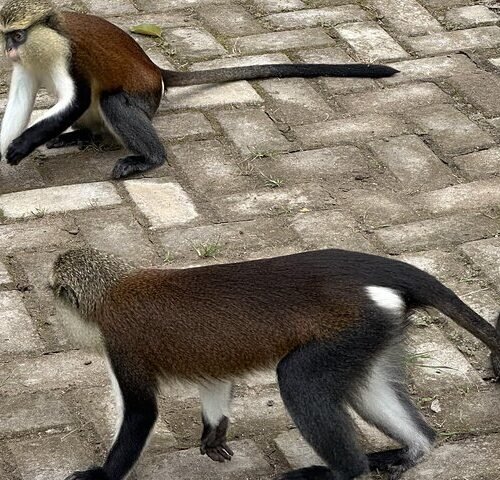
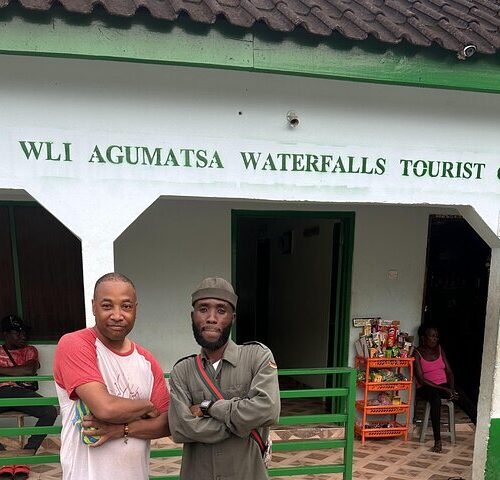
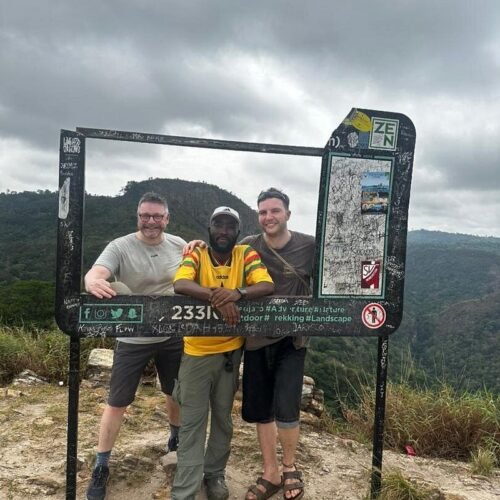
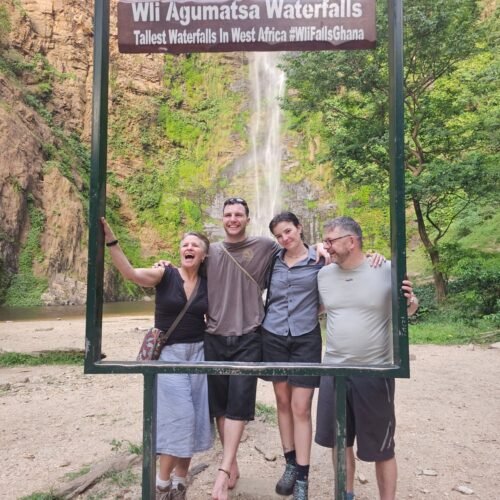
Take advantage of everything Ghana has to offer. You will go off the grid for an adventure on this specially designed tour. An early pickup...
Duration
12 Hours
$280
Next Departures
July 28, 2026 (Available)July 29, 2026 (Available)July 30, 2026 (Available)







Map
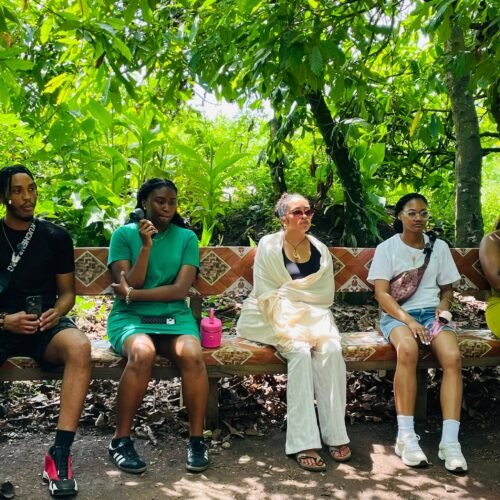
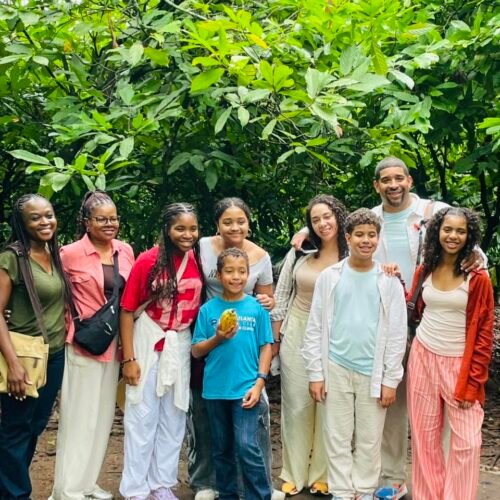
This experience is specially created for African Americans and Caribbeans, offering a deep immersion into Ghanaian culture. As travelers, you will take part in a...
Duration
12 Hours
$300
Next Departures
July 28, 2026 (Available)July 29, 2026 (Available)July 30, 2026 (Available)



Map
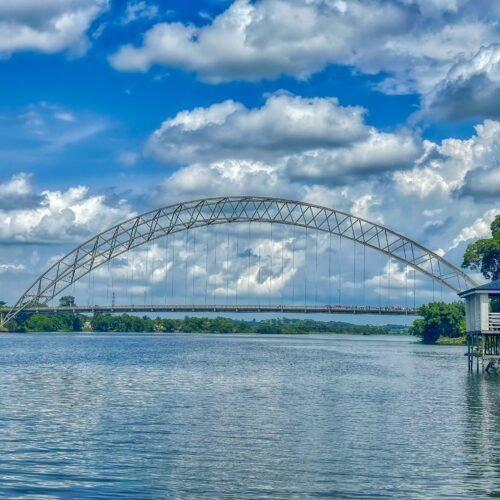
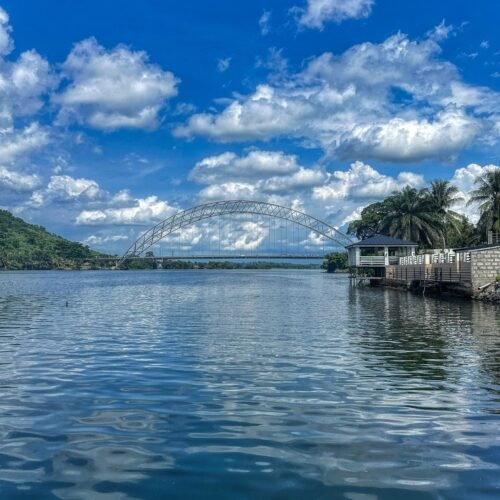
Explore Shai Hills & the Volta River—Day Trip from Accra (Hotel Pickup Included) Escape the buzz of Accra and dive into a full day of...
Duration
7 Hours
$250
Next Departures
July 28, 2026 (Available)July 29, 2026 (Available)July 30, 2026 (Available)


















Map
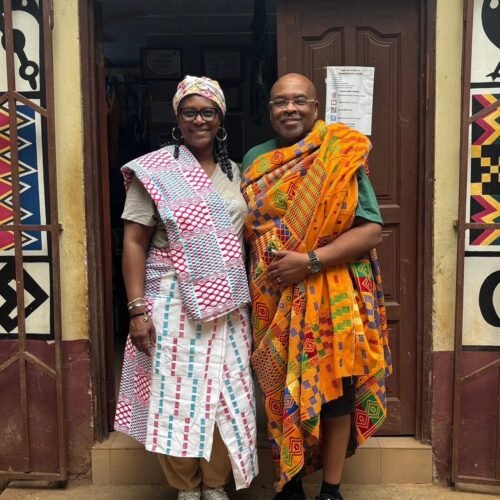
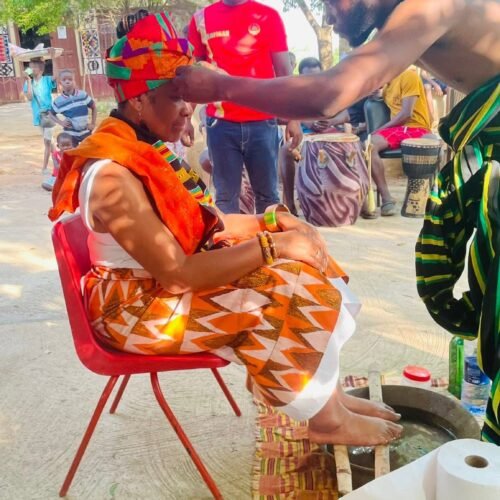
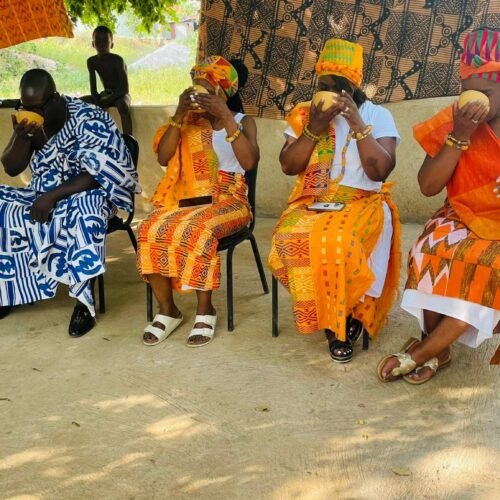
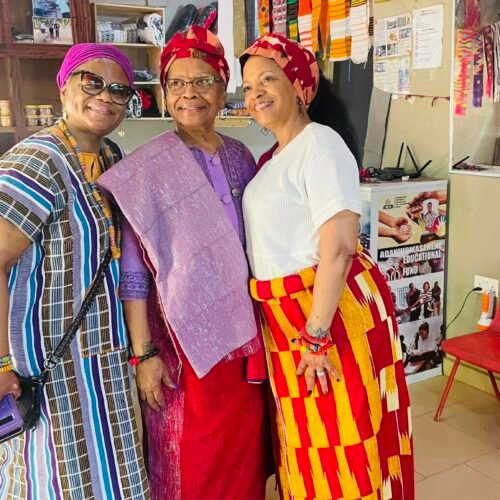
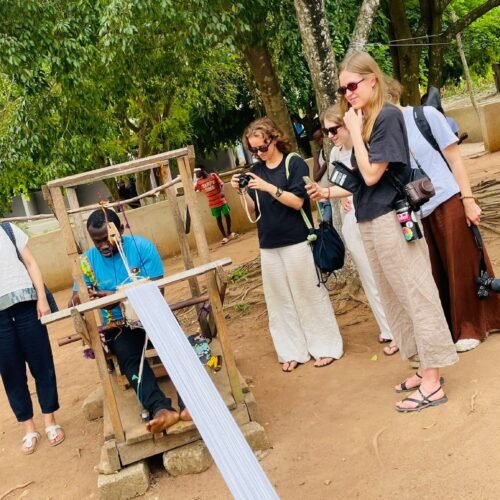
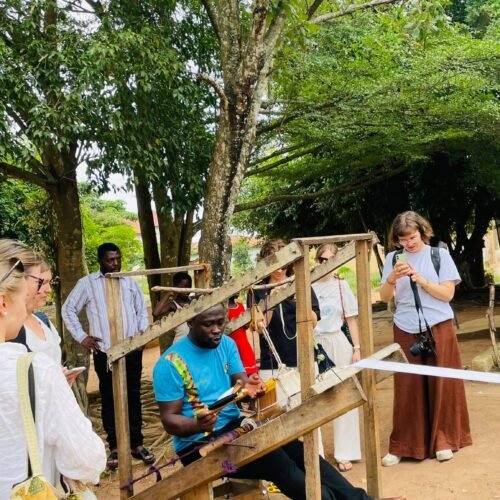
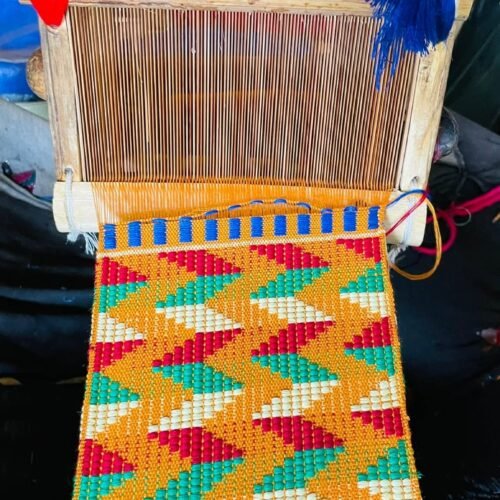
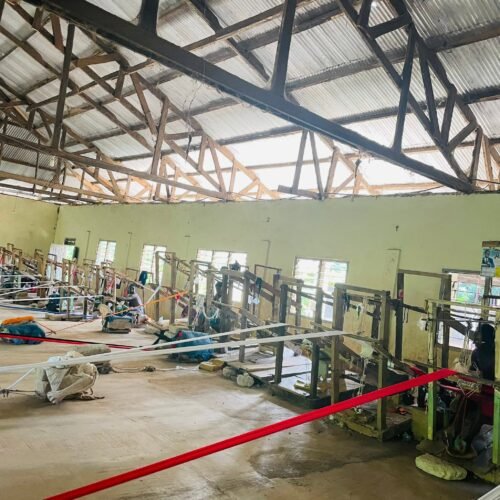
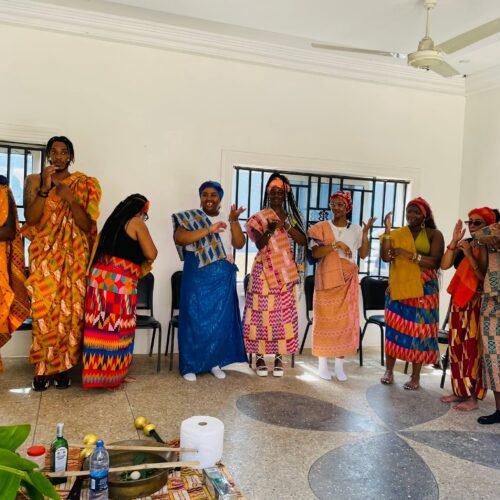
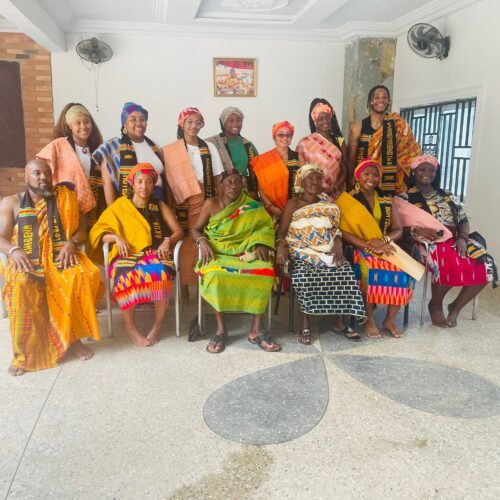
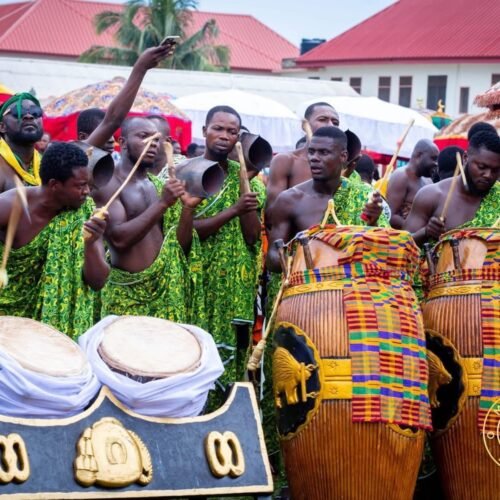
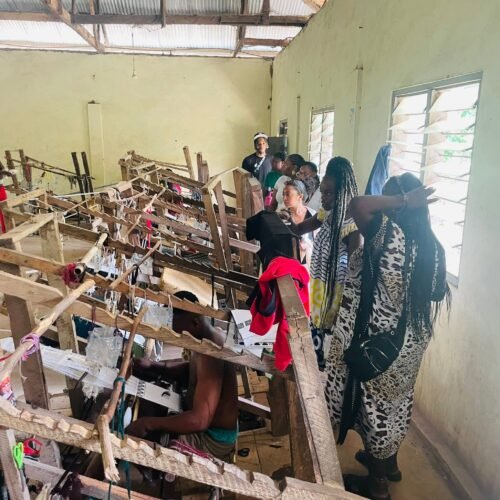
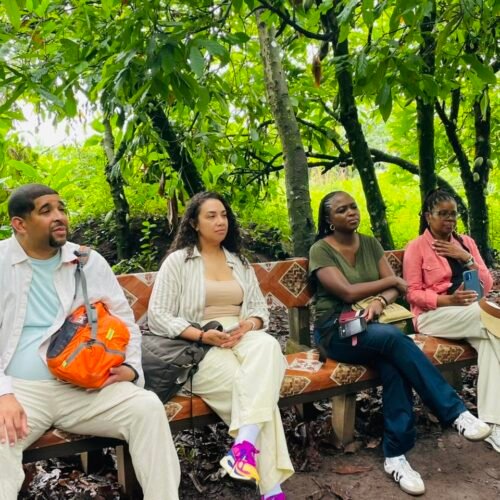
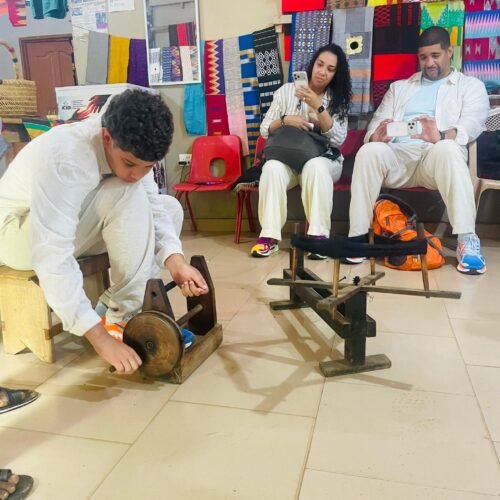
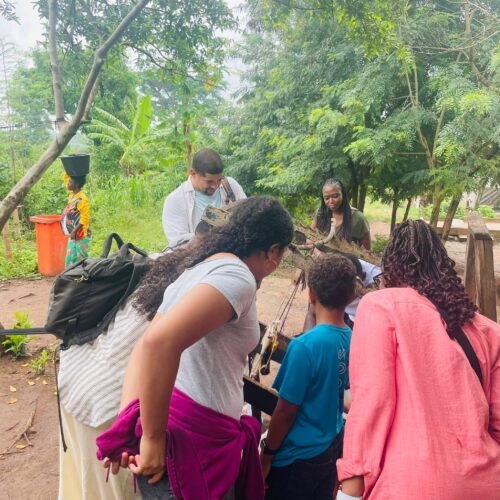
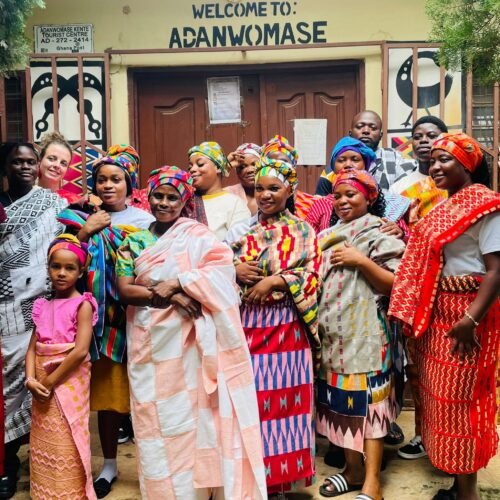
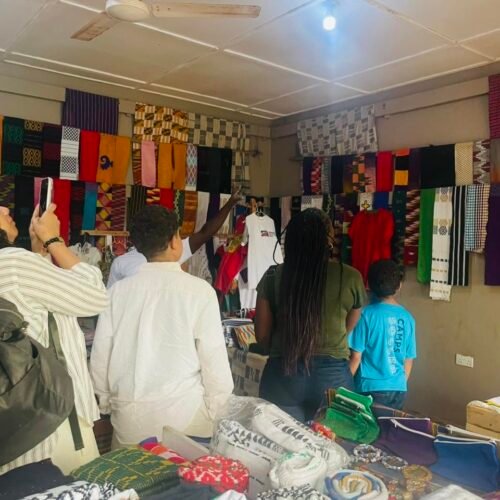
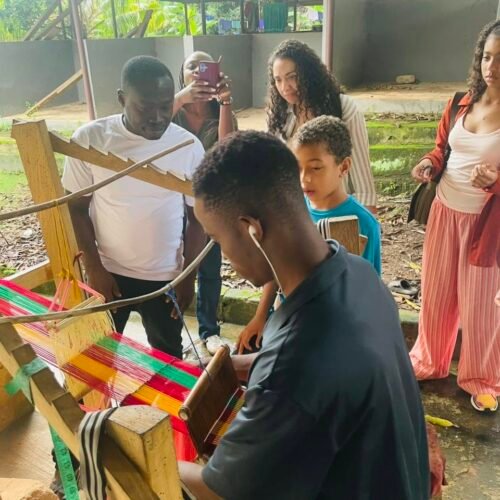
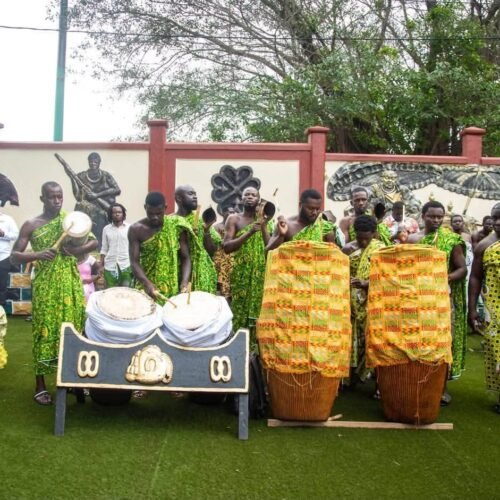
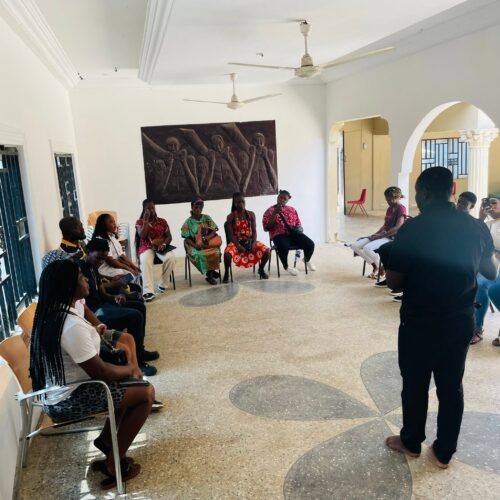
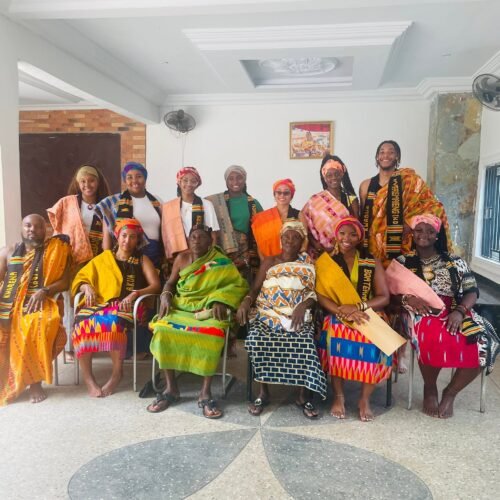
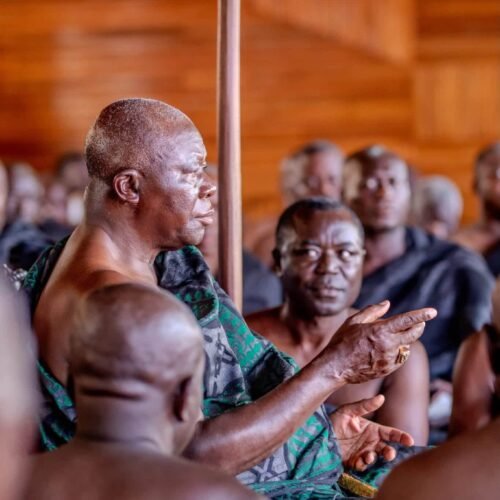
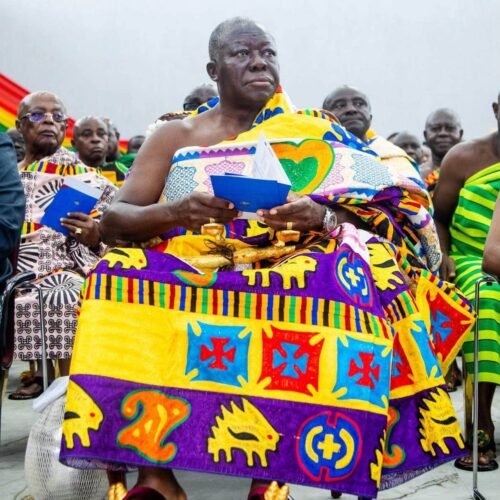
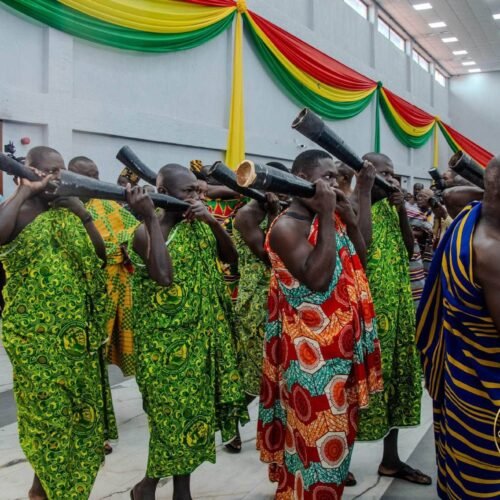
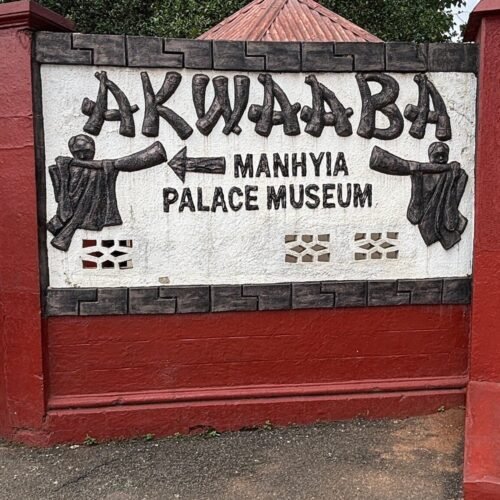
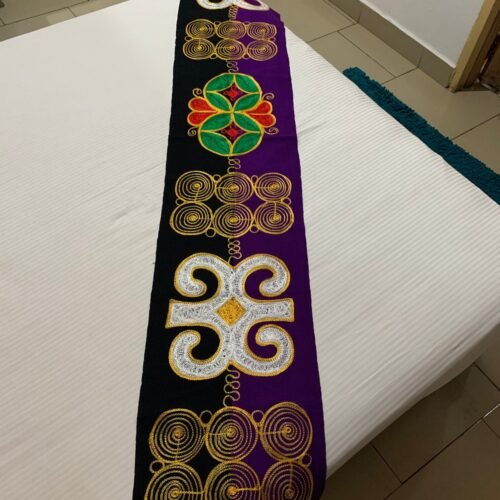
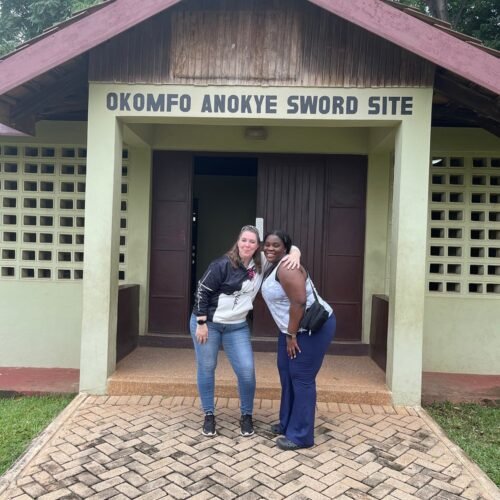
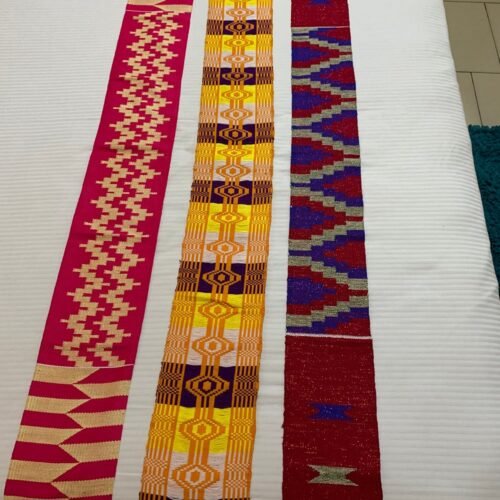
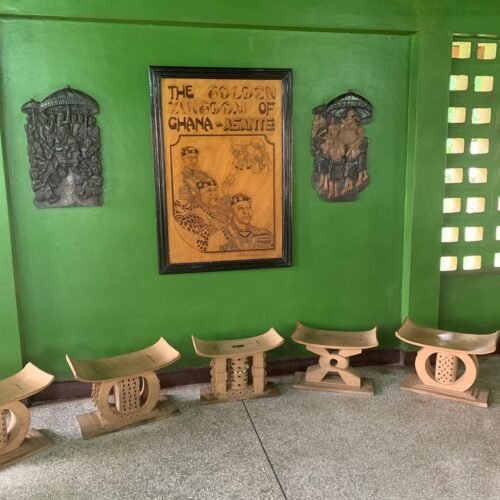
Explore the rich history and vibrant culture of Kumasi, Ghana’s second-largest city and the capital of the Ashanti Kingdom.Visit either Bonwire Kente Village or Adanwomase...
Duration
16 Hours
$350
Next Departures
July 28, 2026 (Available)July 29, 2026 (Available)July 30, 2026 (Available)