

Exploring the continent offers unparalleled growth. Our guide ensures that your school or family group experiences safe, meaningful, and well-organized trips to Africa for high school students.
Organizing trips to Africa for high school students is a transformative undertaking that requires careful planning. Whether you are a teacher planning international student field trips or a parent researching teen travel programs, the continent offers deep cultural, historical, and ecological learning opportunities. Moving beyond standard tourism. These programs often focus on service learning in Africa or specialized high school safari trips that foster global citizenship.
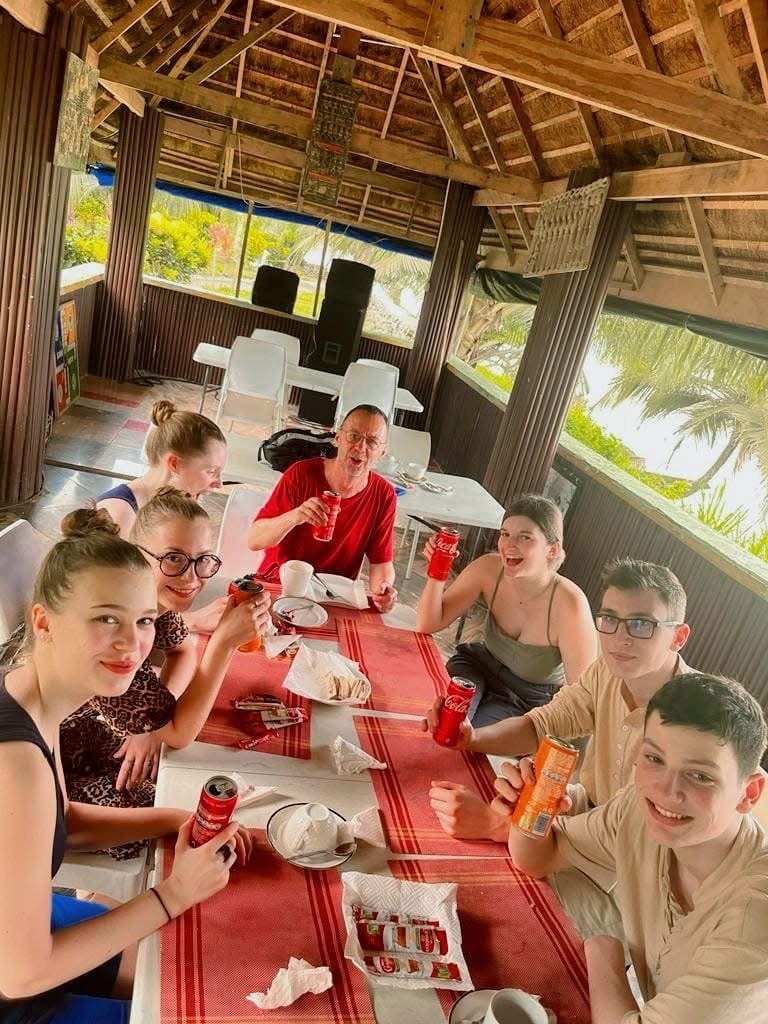
Planning Successful Trips to Africa for High School Students
To ensure a successful experience, stakeholders must address logistics, safety, and academic relevance. Educational travel should align with curricula, providing students with firsthand context for their classroom learning. When planning, consider the destination’s specific offerings. From the historical richness of West Africa to the conservation-focused landscapes of East and Southern Africa.
Safety Protocols and Medical Support
Safety is the primary concern for any guardian. Reputable organizers must provide robust medical support documentation, including 24/7 access to emergency medical evacuation services and localized risk assessments for every region visited. Ensure that all student travelers carry comprehensive travel insurance that covers emergency medical costs. Furthermore, verify that all program staff complete training in first aid and crisis management protocols that experts specifically designed for minor travelers in an international setting.
Transparent Cost Breakdowns and Financial Aid
Budgeting for international travel can be complex. A transparent cost breakdown should clearly distinguish between program fees, airfare estimates, and incidental expenses like visa fees or vaccinations. Many organizations now offer tiered pricing or scholarship avenues to increase accessibility. Families should inquire about financial aid options or fundraising assistance programs early in the planning process. Transparent operators will provide a detailed line-item document explaining exactly what the trip fee covers. Versus what families need to pay out-of-pocket, preventing hidden surprise costs upon arrival.

Discover Aburi Botanical Gardens Tour Experience Our Aburi Botanical Gardens Tour First, nature lovers explore four iconic destinations in Ghana's…
Visa, Immunization, and Entry Requirements
Each country on the continent maintains unique entry requirements for minors. It is essential to maintain a master checklist for every traveler. This includes verifying passport validity (typically at least six months beyond the travel date), checking for required visas, and reviewing specific health certifications such as Yellow Fever vaccination records. Consult official government tourism authorities to ensure all documentation is current. Always ensure that students are carrying notarized parental consent forms for travel, which border officials frequently require for minors crossing borders without both legal guardians present.
For more details on logistics, read our guide on essential packing tips for student travelers to ensure you prepare your group for the unique environment of the host destination.
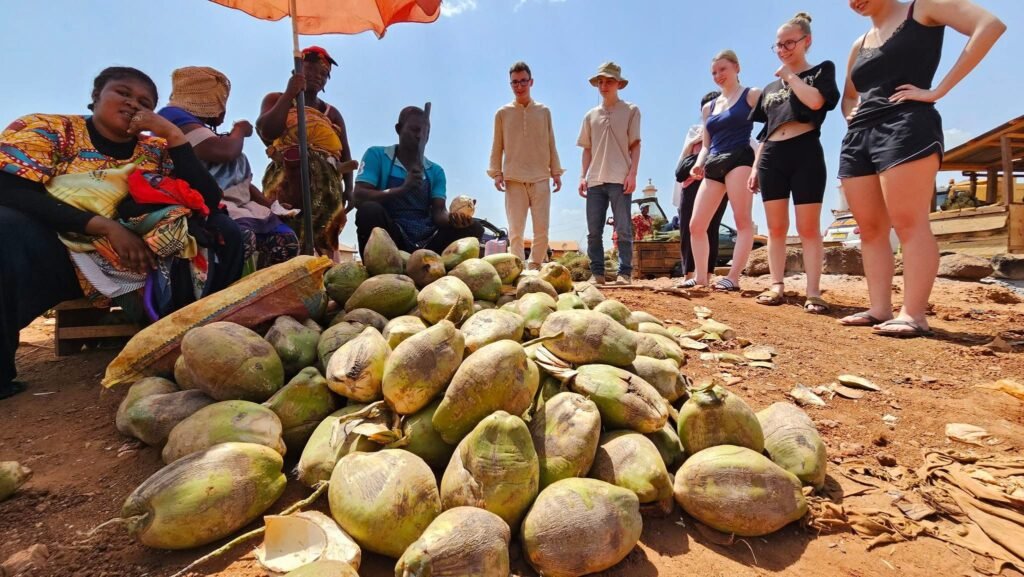
Frequently Asked Questions (FAQ) for trips to Africa for high school students
Most teen travel programs focus on students aged 14 to 18, though specific requirements vary by organization and activity level.
Yes, many countries require proof of specific immunizations, such as Yellow Fever, and recommend others like Typhoid and Hepatitis. Always check the latest health requirements for your specific destination.
Operators use rigorous safety standards including 24/7 chaperone oversight, checked transportation, and established emergency medical contacts in each host country.
Many service learning or educational tours are designed to be credit-bearing, though this depends entirely on the partnership between the travel provider and the student’s home school.
Professional travel providers prioritize student health and can accommodate most dietary needs if they are notified well in advance of the departure date.