TL;DR: The Adventurer’s Summary
Ghana is an accessible gateway for West Africa independent travel, offering deep history and warm culture. Solo travelers should prioritize established bus operators like STC for intercity travel and use ride-sharing apps in Accra. Always keep a digital copy of your vaccination records, carry local currency for rural areas, and plan for connectivity gaps if you intend to work remotely.
Embarking on a Ghana solo travel journey offers a unique opportunity to immerse yourself in one of West Africa’s most stable and welcoming nations. Whether you are seeking the historical weight of the coastal slave castles or the vibrant urban energy of Accra, Ghana serves as a perfect entry point for those new to independent African travel. This guide provides the practical logistics, safety strategies, and local insights required to navigate the country with confidence.
Navigating Ghana Solo Travel Logistics
Transportation is the backbone of any successful independent trip. In major urban centers like Accra, Kumasi, and Takoradi, ride-sharing platforms such as Uber and Bolt remain the gold standard. They eliminate the need for haggling and provide the added security of GPS tracking. As a best practice, always verify the driver’s profile and match the license plate before entering the vehicle.
Mastering Trotro Transit
For a truly immersive experience, you will likely encounter the ‘trotro.’ These shared minibuses are the lifeblood of Ghanaian transport. While they are incredibly affordable, they can be intimidating for newcomers. To ride like a local, ask locals at the trotro station which vehicle is heading to your destination. Once aboard, try to sit near the window or closer to the door for easier exiting. Always keep your daypack firmly on your lap rather than placing it in the overhead racks or on the floor. While they follow specific routes, they do not have set schedules; they depart only when the bus is full. If you have a strict timeline, prioritize private taxis or long-distance buses instead.
Reliable Intercity Bus Networks
When traveling between regions, avoid smaller unlicensed transit vans. The State Transport Corporation (STC) and VIP Jeoun are the most reliable, professional, and safe operators for long-distance travel. These companies offer scheduled services with air-conditioned coaches and dedicated terminals. We strongly recommend visiting the station at least 24 hours before your departure to purchase a ticket in person. This ensures your seat and allows you to confirm the exact boarding time, as schedules can occasionally fluctuate based on traffic or demand.
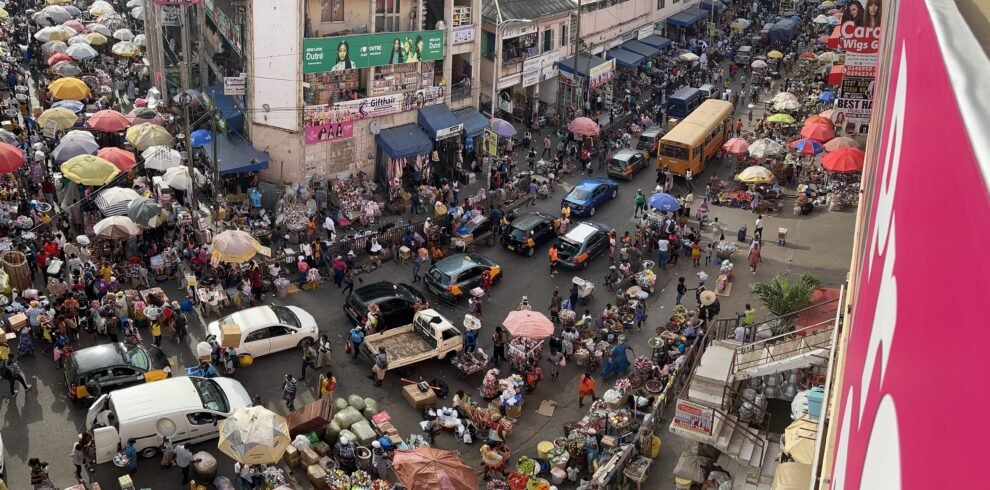
Discover Mokola Market Kantamanto Thrift Tour What to Expect on Our Market Tour First, our Mokola Market Kantamanto Thrift Tour…
Essential Ghana Travel Safety Tips
Ghana is widely regarded as one of the safest countries in West Africa. However, exercising basic situational awareness is essential for any independent explorer. Petty crime is mostly limited to crowded markets or popular nightlife districts. Keep your valuables—especially cameras and high-end smartphones—out of sight when navigating bustling areas like Makola Market.
If you are planning your solo female travel Ghana adventure, you will find that locals are generally respectful and helpful. Always trust your instincts. If a situation feels uncomfortable, remove yourself immediately. For a comprehensive understanding of risk management, check our guide on navigating solo travel safety in Ghana to ensure you have all the tools for a worry-free experience.
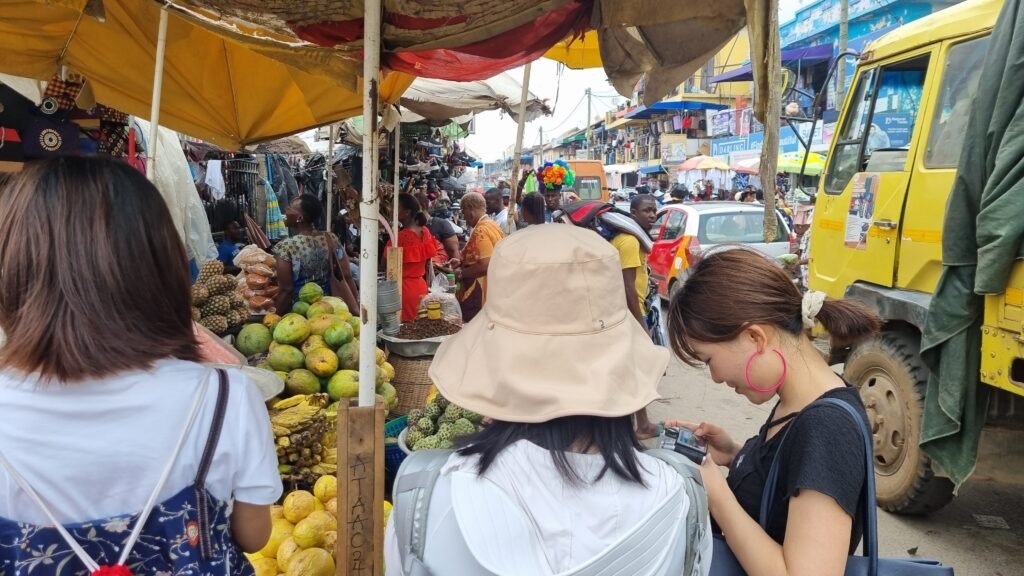
Managing Your Budget for a Ghana Solo Trip
A budget Ghana solo trip is entirely feasible by balancing local experiences with occasional splurges. Street food is not only affordable but delicious; local staples like ‘red-red’ (bean stew with fried plantains) or ‘waakye’ usually cost significantly less than dining in hotel restaurants. Budget roughly 150 to 300 GHS per night for decent hostels, while mid-range boutique hotels may range from 600 to 1,200 GHS.
Regarding landmark entry fees, prices are subject to change. For major historical sites like the Cape Coast and Elmina Castles, expect to pay between 50 and 150 GHS for foreign nationals. National parks, such as Kakum, typically charge entry and canopy walk fees in the range of 100 to 200 GHS. Always carry sufficient cash, as rural areas rarely support digital payments. Refer to the official Ghana Tourism Authority website for the most recent updates on official entrance fees and seasonal health requirements.
Remote Work and Infrastructure
Digital nomads often gravitate toward the well-connected hubs of Accra and Cape Coast, where reliable high-speed fiber internet is increasingly common. Many cafes in districts like Osu or East Legon cater to remote workers. However, do not assume universal connectivity. Rural areas often rely on mobile networks. Purchasing a local MTN or Vodafone SIM card upon arrival is the single most important step for maintaining a stable connection. While public Wi-Fi is improving, local mobile data should be your primary backup.
Regarding public amenities, standards vary significantly outside of hotels and upscale cafes. In rural settings, Western-style restrooms are not guaranteed. Always pack a ‘traveler’s kit’ consisting of hand sanitizer, wet wipes, and toilet paper. Many modern gas stations along major highways provide the cleanest and most accessible stops for travelers moving between cities. These facilities are often the safest bet for a quick break.
Deep Dive: Cultural Immersion and Etiquette
Ghanaian culture is deeply rooted in hospitality and respect. Learning a few words of Twi can go a long way in breaking the ice. A simple greeting like ‘Akwaaba’ (Welcome) or ‘Eti sen?’ (How are you?) will be met with genuine appreciation by the locals. Solo travelers should note that dress codes in Ghana tend to be modest, especially when visiting rural villages or religious sites. Covering your shoulders and knees is a sign of respect that will help you integrate more naturally into the local community.
Participating in local festivals is another excellent way to deepen your understanding of the region. If your schedule allows, try to align your Ghana itinerary for solo travelers with major events like the Odwira Festival. These gatherings offer a front-row seat to traditional drumming, dancing, and historical storytelling that you simply won’t find in standard guidebooks. Engaging with your hosts or hostel staff is the best way to get invitations to these events, which often remain off the typical tourist radar.
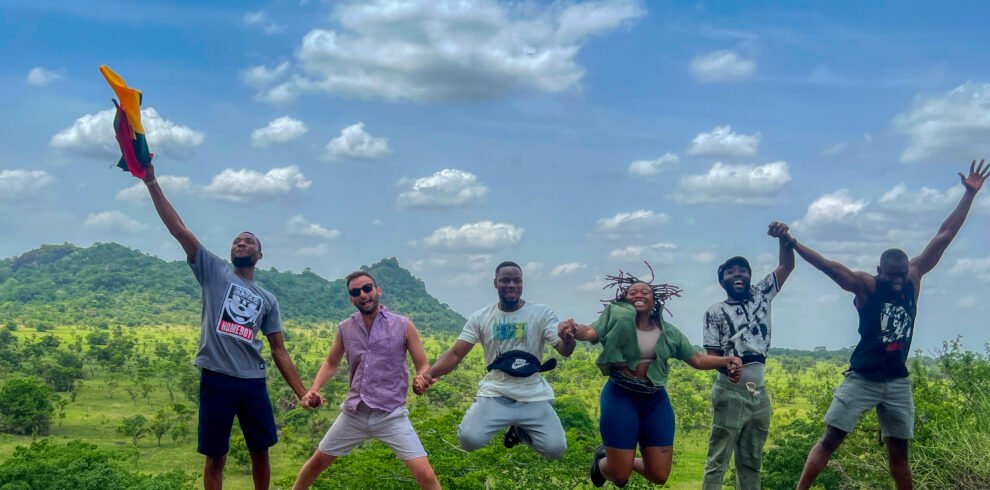
Discover Shai Hills Safari Tour | Ghana Experience Our Shai Hills Safari Tour First, nature lovers discover an eco-friendly wildlife…
Frequently Asked Questions (FAQ) Ghana solo travel
The dry season, from November to March, is widely considered the best time for travel. During these months, you can explore the country’s diverse landscapes, from the northern Savannah to the southern coast, with minimal rain disruptions.
Carry a mix of cash and your bank card. While major hotels and restaurants in Accra accept international credit cards, cash remains king in the rest of the country. Always keep enough Ghanaian Cedis (GHS) on hand, as ATMs are rare in smaller towns.
No. English is the official language and is used in government, schools, and business. You will find that most people in urban areas, and many in rural regions, are fluent, making it easy to navigate and connect with locals.
Tipping is not mandatory in Ghana, but it is highly appreciated in restaurants and for private tour guides. If you receive exceptional service, a tip of 5% to 10% is a generous and welcomed gesture.
Ghana has a thriving backpacker community. Hostels in Accra, Cape Coast, and Busua are excellent hubs for meeting like-minded individuals. Many of these hostels organize group trips to nearby attractions, making it easy to find company for your adventures.