TL;DR: The Adventurer’s Summary
Finding where to travel in summer requires balancing climate heat indices with your personal budget and crowd tolerance. Prioritize high-altitude regions or southern hemisphere destinations if you want to escape extreme heat, and always book transport well in advance to manage peak-season surges.
Deciding where to travel in summer can feel overwhelming as popular tourist hubs often reach peak heat and maximum crowding simultaneously. As an experienced traveler, I have learned that the secret to a successful summer trip lies in timing, geography, and realistic expectations. Whether you are seeking cool mountain air or vibrant city life, effective planning turns a standard trip into a seamless experience. In this guide, we will explore how to navigate climate safety, budget considerations, and logistical challenges to help you build the perfect itinerary.
Understanding where to travel in summer for climate safety
Climate change is significantly altering global weather patterns, making heatwaves more frequent in traditional hotspots. Therefore, checking local heat-index data is now as important as checking your passport. Before booking, look beyond the standard daily temperature. High humidity levels often make the air feel much hotter than the reported thermometer reading, posing risks to vulnerable travelers.
In Europe, for example, many historic buildings lack central air conditioning. If you visit in July or August, ensure your accommodation offers reliable climate control. Alternatively, consider northern latitudes. Destinations like Scandinavia or the Scottish Highlands offer mild, pleasant weather while the rest of the continent swelters. If you are specifically looking for cooler international summer travel, consider heading toward the southern hemisphere, where it is winter, or opting for high-altitude regions in the Andes or the Alps.
Budget vs. Luxury: Managing your travel costs
Your budget dictates your options for your summer vacation destinations. Luxury travelers often find success in exclusive, remote resorts where strict capacity limits prevent overcrowding. This premium approach ensures a quieter, more personalized experience. Conversely, budget-conscious travelers should consider the shoulder season or regions with favorable currency exchange rates. For instance, rural areas in parts of Southeast Asia or specific highland regions in Africa provide incredible value, provided you account for local weather patterns or potential monsoon seasons.
You can effectively manage costs by using public transportation instead of private transfers. Many national rail networks offer summer passes that drastically reduce travel expenses compared to flying between cities. Always set aside an extra 15% of your total budget for unforeseen logistical hurdles. This small buffer prevents financial stress when travel plans deviate from your original itinerary due to delays or sudden price changes.
Logistical guidance for peak-season travel
Summer is peak season across the northern hemisphere, which means wait times at museums, airports, and popular transit hubs reach their maximum. You should book your flights at least four months in advance to secure better rates. Additionally, try to use direct flights whenever possible. Connecting flights significantly increase the risk of luggage loss and cascading delays during the chaotic summer months. If you are looking for specific regional expertise, explore our professional planning services to help navigate local complexities and save time.
Visa requirements often change without warning, so it is vital to stay informed. Check the United Nations World Tourism Organization for official updates regarding global travel regulations. Proper documentation is the difference between a relaxing vacation and being denied boarding at the gate. Always double-check entry requirements for every country on your itinerary at least six weeks before your departure date.
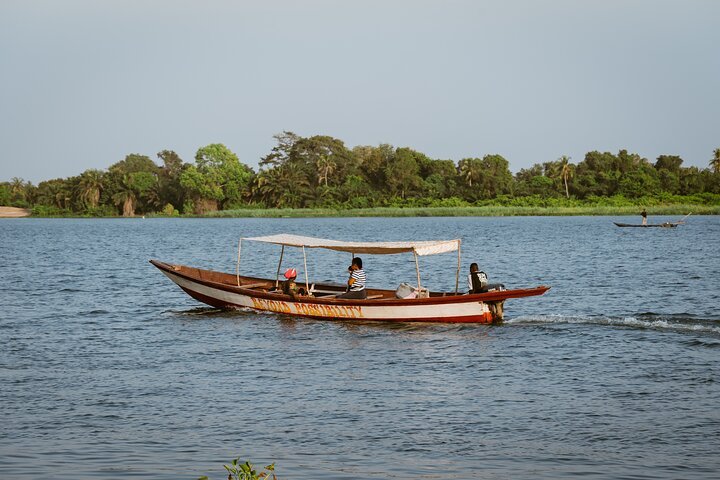
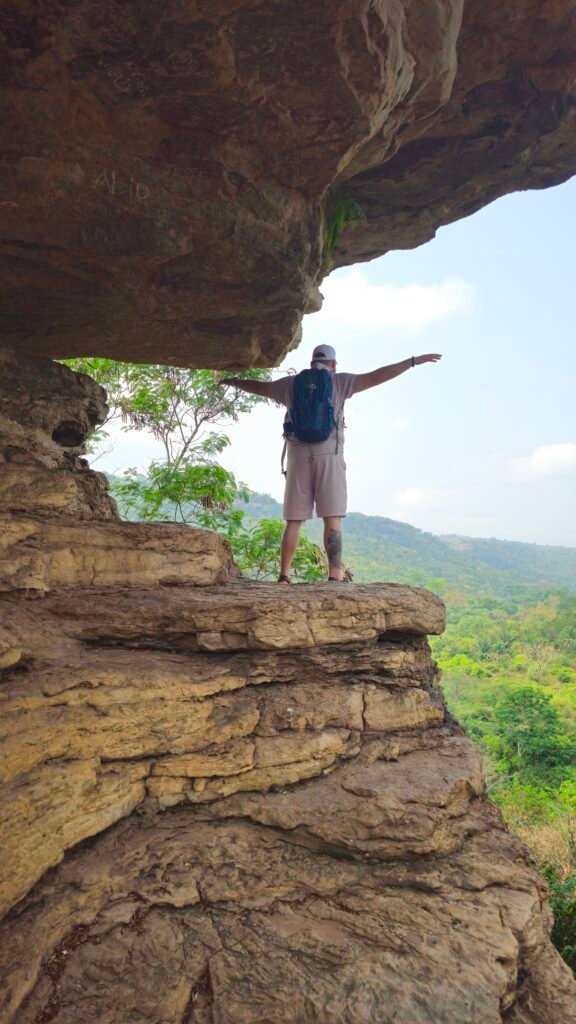
Volta Region Nature Tour, first, our team picks you up early at any location in Accra. Before starting the drive,…
Crowd management strategies for popular spots
If your heart is set on a popular location, you must adopt a smart schedule. Visit top sights at sunrise or right when they open. Most tourists do not arrive until mid-morning. By finishing your main sightseeing by noon, you avoid the biggest crowds and the most intense heat. Spend your afternoons relaxing in a café, visiting local parks, or enjoying shaded indoor museums. Another effective strategy is to stay just outside the city center. You will save money on accommodation and gain a more authentic experience. Use the local public transit system to enter the city, which allows you to retreat to a quiet environment whenever you feel overwhelmed by the urban intensity.

Packing essentials for varied summer climates
Packing for summer is about preparation, not just bringing shorts and t-shirts. If you are visiting a city with a high heat index, prioritize breathable, light-colored clothing. Natural fibers like linen and cotton are far better than synthetic materials for temperature regulation. Furthermore, always carry a refillable water bottle to stay hydrated throughout the day, especially if you are visiting arid or desert environments.
In addition to clothing, consider your digital footprint. Download offline maps and local transit apps before you depart. Connectivity can be spotty in remote areas, and having digital tools ready offline provides essential peace of mind. Finally, pack a reliable portable power bank. Using GPS and cameras drains phone batteries quickly during long days of exploration in foreign cities.

Discover Ada Nkyinkyim Museum Tour | Crocodile Island & Aqua Safari First, our Ada Nkyinkyim Museum Tour takes you on…
Sustainable travel during the summer months
As you plan your journey, remember the impact of your visit. Over-tourism can degrade local ecosystems and historical sites. Opting for less-trafficked locales helps distribute tourism revenue more equitably and reduces the strain on infrastructure in cities like Venice, Barcelona, or Paris. When visiting natural parks, follow established trails and avoid disturbing wildlife. By traveling mindfully, you ensure these destinations remain vibrant for future generations while securing a more relaxed trip for yourself. Seek out locally owned restaurants and markets to contribute directly to the local economy. This simple step often leads to the most memorable culinary experiences of your trip.
Furthermore, consider the carbon footprint of your transportation choices. While flying is often necessary, try to offset your travel or utilize high-speed rail for regional trips. Many US summer vacation spots are best explored via train or road trip to appreciate the regional scenery. When you take the time to move slower, you often discover hidden gems that remain invisible to travelers who stick strictly to the busiest tourist circuits. Embrace the culture of the place you visit, respect local customs, and prioritize experiences over simply checking boxes on a bucket list.
Finally, always keep a folder of digital copies of your passport, travel insurance, and medical records. In the event of a lost device, these backups are invaluable. By staying organized, you reduce anxiety and free up mental space to enjoy your destination. Whether you choose to lounge on a beach in the southern hemisphere or hike the cool northern forests, thorough preparation is the hallmark of a seasoned, stress-free traveler. Remember that the best travel memories are often the ones you cannot plan for, but only happen when you are well-prepared for the logistics.
Frequently Asked Questions (FAQ) for where to travel in summer
Stay hydrated by carrying a reusable bottle, plan your outdoor activities for the early morning or evening hours, and prioritize destinations with good public cooling infrastructure or high-altitude locations that offer natural relief from the heat.
Yes, booking at least 3-4 months ahead is essential to secure reasonable prices and guarantee availability for popular hotels, trains, and entry tickets to major historical sites.
Aim for lesser-known regions or visit the world’s most famous attractions right at opening time to experience them before the large tour buses arrive and the afternoon heat sets in.
If your itinerary involves multiple countries, complex connections, or specialized visa requirements, a travel professional can save you significant time and prevent costly logistical mistakes.
Always visit the official government website or embassy portal of your destination country to confirm the latest entry policies, health requirements, and visa rules well before you finalize any non-refundable flight bookings.