

TL;DR: The Adventurer’s Summary
Finding the best travel pillows is about balancing ergonomic neck support with space-saving packability. Memory foam provides superior alignment, while inflatable options save carry-on volume. Always prioritize machine-washable covers to ensure your gear remains hygienic during frequent international travel.
After a decade of traversing West Africa and crossing international time zones, I have learned that genuine rest on a plane is a luxury that requires intentional preparation. When you are facing a twelve-hour journey, the quality of your gear becomes the difference between arriving at your destination refreshed or completely exhausted. Selecting the best travel pillows is a crucial step in maintaining your physical well-being. However, the market is currently flooded with cheap gimmicks that fail to provide real-world support or durability. In this guide, we dive deep into how to choose a pillow that actually lasts, fits your luggage, and protects your cervical spine throughout your travels.
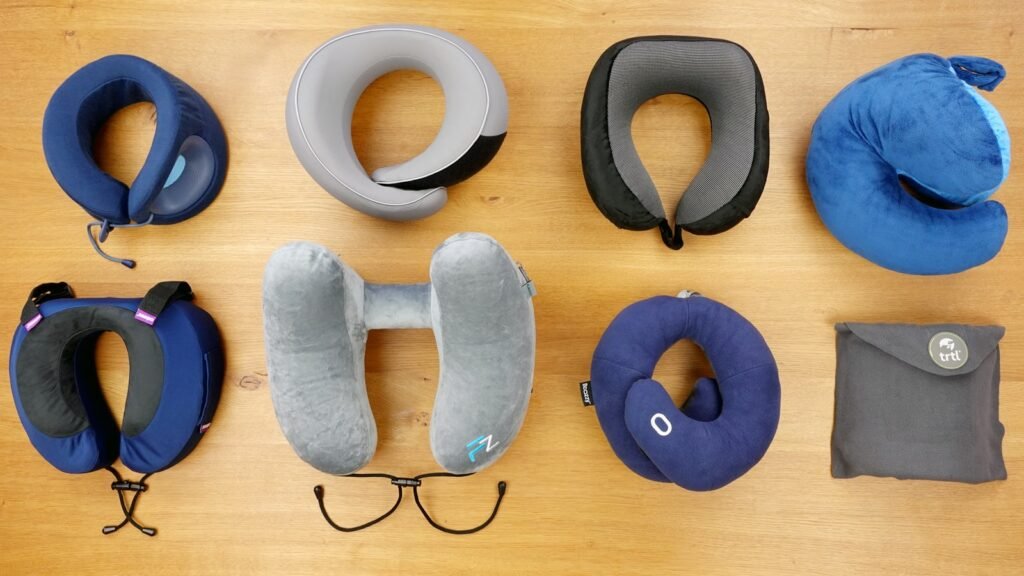
Understanding why the best travel pillows matter for your health
Prioritizing long-haul flight comfort is about more than just sleeping; it is a fundamental aspect of maintaining physical health. Poor neck alignment during sleep causes stiff muscles and chronic fatigue. By investing in proper ergonomic neck support, you prevent unnecessary strain on your cervical spine. The best travel pillows on the market today offer stabilization features that keep your head neutral, preventing those jarring, painful jolts that occur during moderate turbulence or sudden descent.
When you are shopping, consider the density of the material first. High-density memory foam travel pillow options typically offer the best balance of plush comfort and long-term durability. While inflatable pillows are undeniably lighter and smaller, they often lack the structural integrity required for truly restorative sleep. Decide whether your priority is extreme weight reduction or maximum anatomical support, as most travelers find that a premium foam model is worth the extra weight in their durable adventure backpack.
Durability and material testing for the frequent flyer
Most product reviews focus on the first few days of use, but travelers require gear that survives years of heavy transit. I have personally tested numerous options that lost their shape and loft after only two or three international trips. A high-quality memory foam core should consistently retain its bounce and support even after being compressed tightly in a carry-on bag for weeks at a time.
If you notice the foam flattening permanently, it is a clear indicator that the material is failing. Beyond the core, pay close attention to the cover material. Airplanes are dusty environments, and humidity can vary wildly between cabin types. A removable, machine-washable cover is non-negotiable for hygiene. I always recommend carrying a spare cover. This allows you to swap to a fresh layer mid-trip without needing access to a laundry service, keeping your skin and respiratory health protected from recycled cabin air bacteria.
Navigating packability and airline restrictions
Budget airlines are notoriously strict about carry-on limits and personal item dimensions. A bulky, traditional U-shaped pillow that occupies half of your bag is simply not a sustainable solution. Instead, look for a portable airplane pillow that compresses into a small, integrated stuff sack. Some of the most advanced designs feature modular clips that hook onto the exterior of your luggage, saving internal space for your essential electronics and clothing.
For those traveling through regional hubs or connecting on smaller aircraft, ensure your pillow does not count as an extra piece of luggage. While most gate agents allow for a neck pillow, an oversized, oddly shaped item can draw unwanted attention. Stick to compact, ergonomic designs that fit securely inside your primary bag. Always check the official International Civil Aviation Organization guidelines regarding carry-on item safety if you are planning to use specialized medical-grade neck supports.

Experience the Best of Mole Park Wildlife Safari Mole Park Wildlife Safari is Ghana's largest game park, providing the ultimate…
Essential cleaning and maintenance instructions
Different materials require distinct care regimens to remain sanitary. For memory foam cores, never place the foam in a washing machine, as the agitation will destroy the cell structure. Instead, spot clean with a mixture of mild dish soap and warm water, then allow it to air dry in a well-ventilated area. If the core develops a stale odor, leaving it in direct sunlight for a few hours can naturally disinfect the material through UV exposure.
For the covers, consult the care tag immediately. High-performance polyester or bamboo-cotton blends usually handle standard wash cycles well. If your chosen model is inflatable, use an alcohol-free disinfectant wipe on the exterior surface before and after every single flight. This basic habit effectively prevents the accumulation of bacteria, which is essential given the confined air of a modern jet cabin.
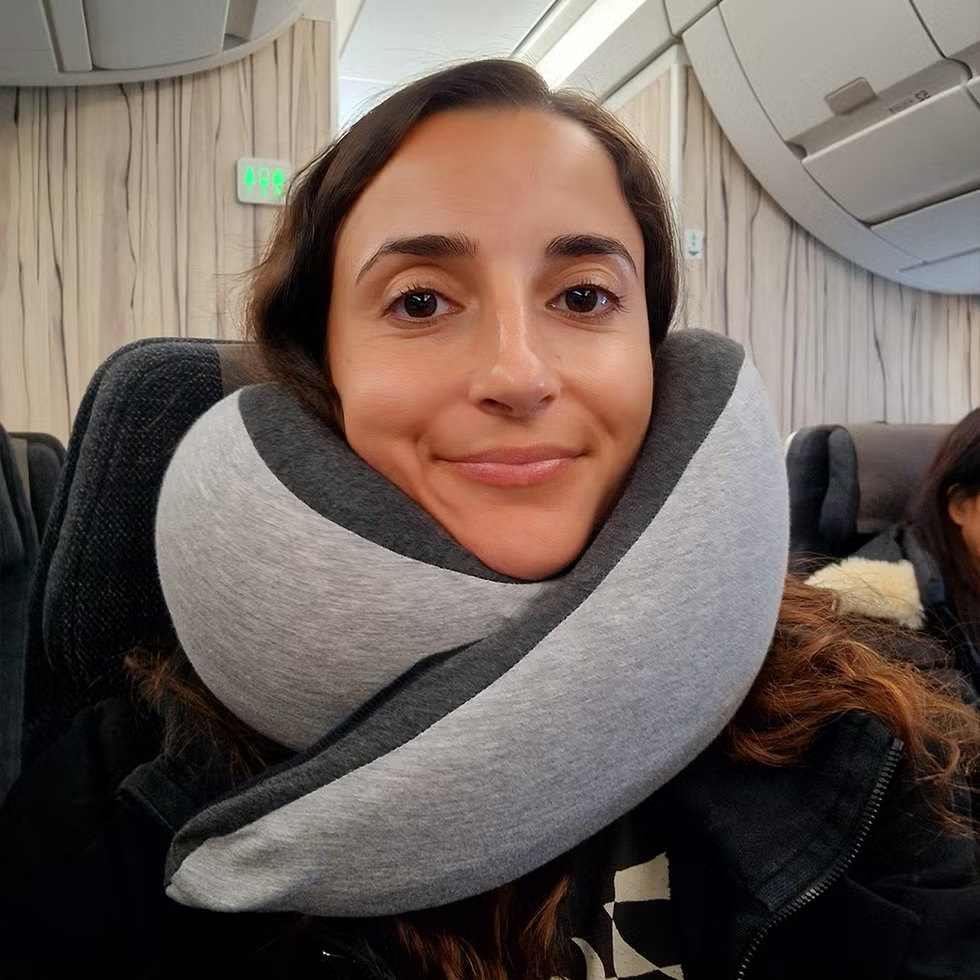
Common mistakes to avoid when choosing your gear
A frequent error travelers make is purchasing the cheapest option available at an airport kiosk. These last-minute buys are usually poorly constructed, provide minimal neck pain prevention, and often break or lose their shape before you land. It is always better to research and purchase a reliable brand before you leave home.
Another major mistake is failing to test the fit under simulated conditions. Put your potential pillow on at home, sit in a chair that mimics a narrow airline seat, and try to lean back. If it pushes your head aggressively forward or feels too high against your ears, it will become an annoyance rather than an aid. Furthermore, avoid overly complex designs with excessive straps or proprietary clips. When you are tired and the cabin lights are dimmed, you do not want to wrestle with complicated mechanics. Simple, effective design is almost always the superior choice.

Volta Region Nature Tour, first, our team picks you up early at any location in Accra. Before starting the drive,…
Why ergonomics dictate your long-haul flight comfort when it comes to the best travel pillows
Ergonomics is the science of designing gear that perfectly fits the human body. When searching for the best travel pillows, you are looking for structural support that maintains the natural curvature of your cervical spine. If a pillow forces your chin down toward your chest, it is partially blocking your airway and creating unnecessary muscle tension. Seek designs that offer side-to-side stability rather than purely front-facing support.
Testing your pillow during an actual long-haul flight is the ultimate stress test. Does it keep you in place when the passenger in front of you reclines their seat? If the pillow is too thin, it will collapse. If it is too rigid, it will feel like a brick against your neck. Look for dual-density foam cores if possible; these offer a softer outer layer for comfort and a firmer internal core for the stability you need to sleep through the night.
Maintaining proper posture is particularly important for travelers who have pre-existing neck or shoulder issues. A well-designed pillow should act as an extension of your own spinal alignment. By removing the need to constantly adjust your position to avoid neck strain, these pillows allow your body to enter deep sleep cycles. This leads to reduced jet lag and higher energy levels upon arrival. Do not underestimate the value of a high-quality, scientifically backed neck support system in your travel kit.

Experience the Cape Coast and Elmina Tour First, this Cape Coast and Elmina Slave Castle Tour provides a profound journey…
Finally, consider the heat-retention properties of the materials. Some synthetic foam options can trap heat against your neck, which becomes uncomfortable on long flights. Look for fabrics that include cooling gel layers or breathable mesh inserts. These minor features, while seemingly insignificant at first, significantly enhance your comfort over a flight duration of six to ten hours. Investing in these features turns a miserable flight into a period of genuine rest, making the subsequent trip much more enjoyable for you and your travel companions.
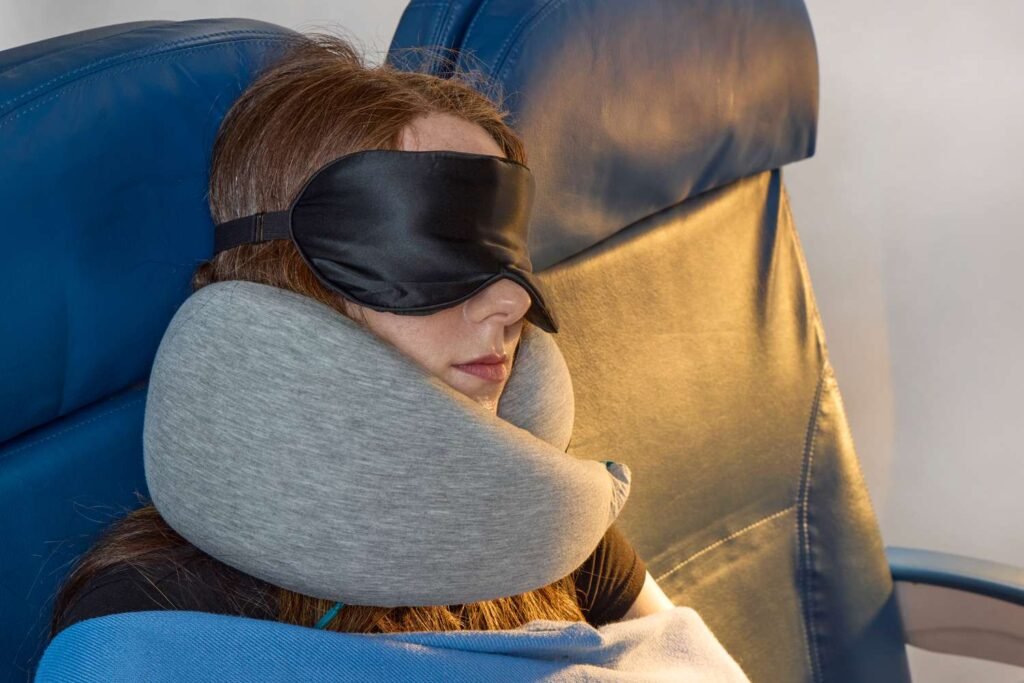
Frequently Asked Questions (FAQ) for best travel pillows
You should never submerge or put memory foam in a washing machine. The intense spin and water absorption will cause the foam to disintegrate or lose its structural support forever. Only remove the cover and machine-wash that, while spot-cleaning the foam core by hand.
Inflatable pillows are excellent for those strictly limited by carry-on weight and space constraints. However, they generally sacrifice the anatomical support found in solid memory foam models. If you travel frequently, a small, high-quality compressible foam pillow is often a better compromise.
With regular use, a high-quality travel pillow should last approximately two to three years. If you notice the foam no longer springs back immediately when you press on it, or if you begin to experience new neck pain, it is likely time to replace the unit.
Yes, they are highly effective. A properly fitted pillow keeps your neck in a neutral, vertical position, which significantly reduces the risk of muscle strain, nerve pinching, and waking up with stiffness after a long flight in a cramped economy seat.
In almost all cases, no. Airport kiosks typically stock low-quality, mass-produced items that prioritize profit over ergonomics. You are far better off researching a trusted brand and ordering it in advance to ensure it meets your specific comfort and durability requirements.