TL;DR: The Adventurer’s Summary
Responsible travel goes beyond simply avoiding plastic. It requires choosing operators who reinvest in local protection. Prioritize community-led initiatives, pack light to reduce your carbon footprint, and always verify certifications before you book your trip.
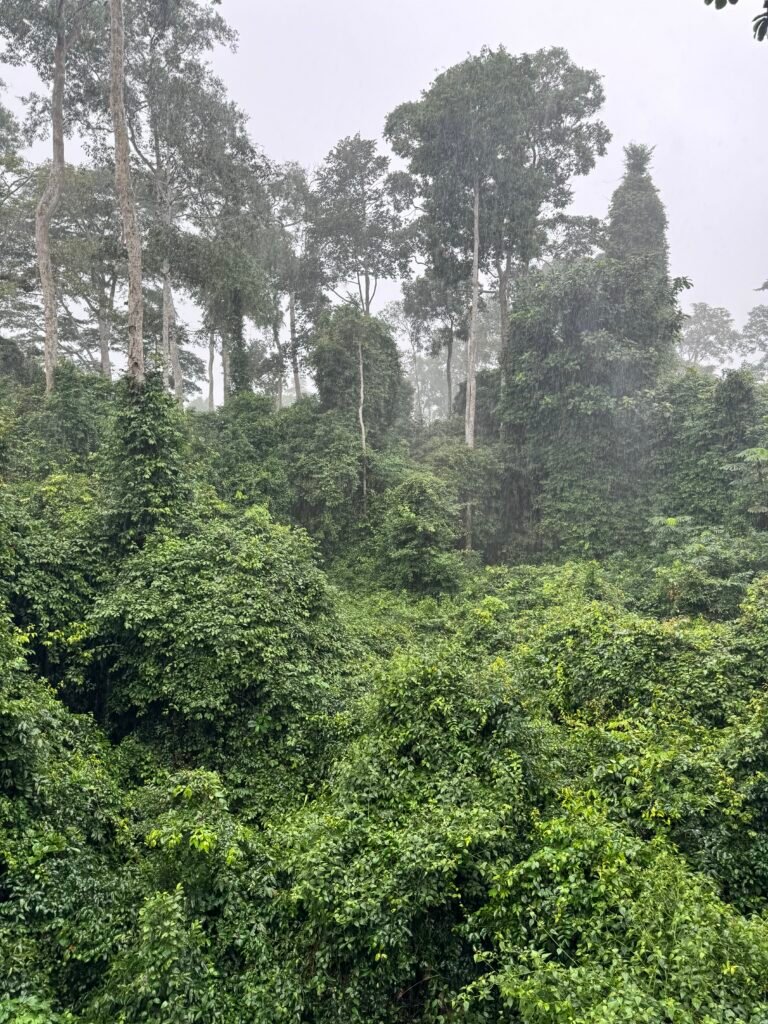
Exploring West Africa offers a profound connection to nature and culture, yet the rise in visitor numbers necessitates a shift toward intentional, responsible practices. Integrating eco tourism into your itinerary ensures that your presence actively protects rather than degrades these fragile environments. By making informed choices, you guarantee that future generations can experience the same untouched landscapes and vibrant biodiversity that define this region today. This guide provides the tools you need to travel with purpose and positive impact.

Understanding the Importance of Eco Tourism
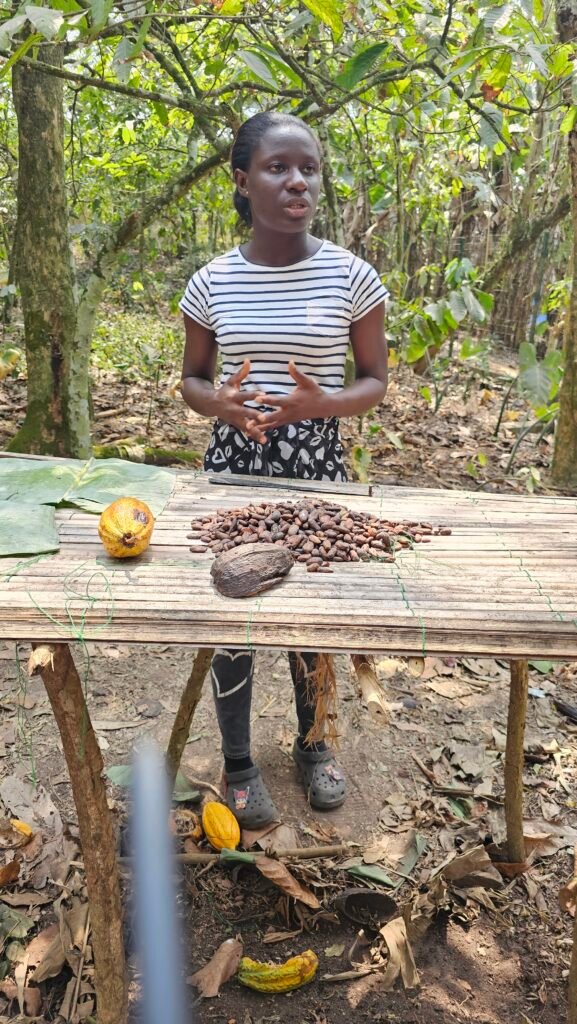
Many travelers define their trips by the experiences they collect, but true nature-based tourism shifts the focus toward what you leave behind. By prioritizing your environmental impact, you support the preservation of vital ecosystems across the region. When you pay for guided tours, you are essentially voting for the protection of wildlife habitats and the support of local rangers.
Economic stability is the primary driver of conservation. When local communities gain more wealth from protecting forests than from clearing them for agriculture or illegal logging, ecosystems flourish. Therefore, responsible tourism acts as a powerful economic lever. Your choice to visit Shai Hills Safari Hike – See Animals Tour | Ghana supports specific wildlife rangers and maintenance staff who work daily to keep these areas safe from encroachment.
How to Identify Authentic Green Operators for Eco Tourism
Greenwashing is a common challenge for the modern traveler. Many companies claim to be sustainable without providing verifiable evidence. To spot legitimate operators, you must look beyond marketing claims and seek external certifications. Organizations like the Ghana Tourism Authority provide frameworks for operators that adhere to national environmental standards.
When vetting a company, look for badges from internationally recognized bodies such as the Global Sustainable Tourism Council (GSTC) or EarthCheck. If a tour operator or lodge cannot point to a certification, ask them three specific questions. First, what percentage of their staff are hired from local villages? Second, do they have a documented waste management plan? Third, which local conservation project do they directly fund? Legitimate sustainable operators will have clear, transparent answers to these queries.
Calculating and Reducing Your Carbon Footprint
Reducing your carbon footprint begins long before you arrive in West Africa. Air travel represents the largest component of most international trips. You can minimize this by booking direct flights where possible, as take-offs and landings consume the most fuel. Once on the ground, avoid the temptation to book domestic flights for short distances. Opt instead for bus networks or shared transport, which lowers your individual emission share.
To quantify your impact, use reputable online carbon calculators, such as those provided by Gold Standard or MyClimate. These tools allow you to input your specific itinerary details to estimate total CO2 output. Once you have a figure, consider purchasing verified carbon offsets. These funds should go toward regional projects, such as local reforestation initiatives or renewable energy installations that provide tangible benefits to the communities you visit.
Use this actionable checklist to keep your travel footprint (eco tourism) low:
- Pack light
Every extra kilogram on a plane increases fuel consumption. Keep your luggage under 15kg to reduce drag and fuel weight.
- Use digital documentation
Avoid printed tickets and brochures to reduce paper waste.
- Choose eco-certified accommodation
Look for lodges that use solar power or gray-water recycling systems.
- BYO-Kit
Carry a high-quality water filtration bottle to eliminate the need for single-use plastic bottles.
- Support public transit
Use local buses or shared taxis to lower your energy intensity per kilometer.

Discover Shai Hills Safari Tour | Ghana Experience Our Shai Hills Safari Tour First, nature lovers discover an eco-friendly wildlife…
Community-Led Economic Impact
Sustainable travel creates direct, measurable benefits for local populations. In many West African regions, tourism revenue is often the primary funding source for rural development. When you stay in locally owned guesthouses, you ensure that your currency stays within the regional economy, funding schools, medical clinics, and clean water infrastructure. Studies show that for every $100 spent on locally owned services, roughly $70 remains in the local economy, compared to less than $10 when using foreign-owned, all-inclusive resorts.
Look specifically for programs where a portion of your entrance fees is managed by village councils or local cooperatives. These community-led initiatives are the gold standard for conservation-based travel. When you visit these projects, you participate in a cycle of mutual respect. You are not just a consumer; you are an investor in the long-term protection of the landscape.
Essential Tips for the Ethical Traveler
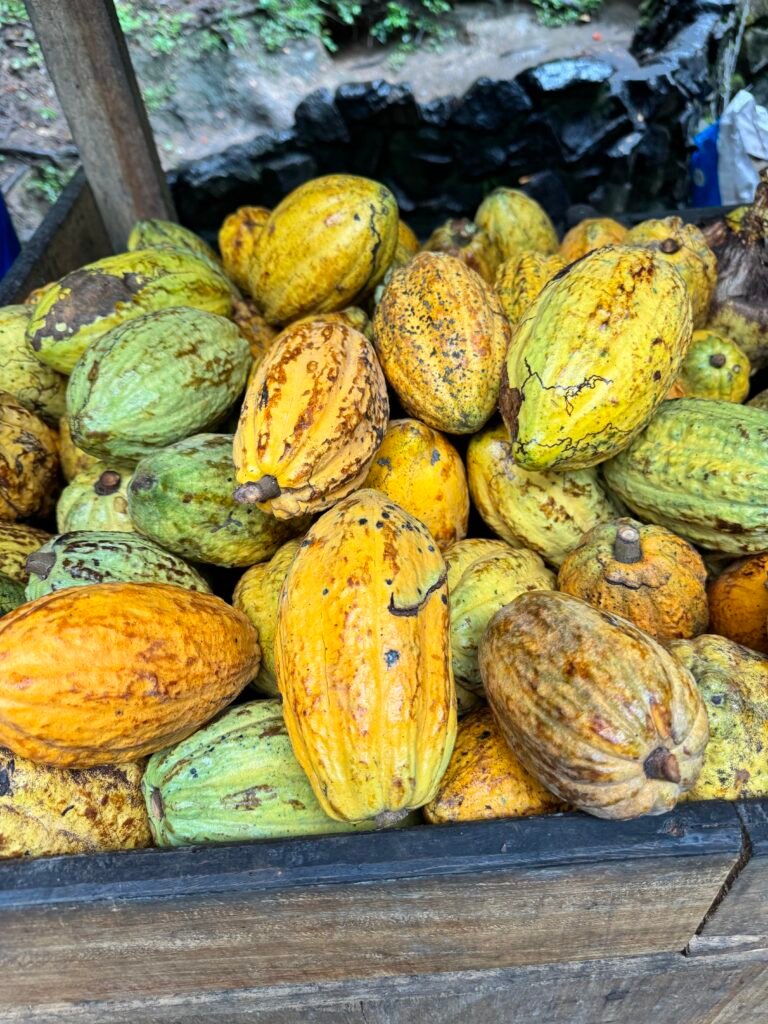
Being an ethical traveler requires active awareness of your surroundings. Always respect local customs and traditional land rights. Before taking photographs of local people or sacred sites, always ask for explicit permission. This gesture fosters a connection based on dignity and mutual respect, which is the cornerstone of sustainable exploration.
Waste management remains a critical issue in many parts of West Africa. Infrastructure for recycling is often limited. Therefore, the best policy is to avoid producing trash entirely. Bring your own reusable hygiene products and avoid purchasing small, individually wrapped items. When trekking through parks, stay strictly on marked paths. Wildlife reserves are delicate; straying from the trail can destroy sensitive ground cover or disturb nesting sites for protected species.
Discover Shai Hills Safari Tour | Ghana Experience Our Shai Hills Safari Tour First, nature lovers discover an eco-friendly wildlife…
Planning Your Sustainable Itinerary
Creating a balanced itinerary is the secret to successful sustainable exploration. Slow travel is the most effective way to reduce your impact. Rather than attempting to see five countries in ten days, choose one or two regions and spend more time there. This approach reduces the stress on transport infrastructure and allows you to build genuine connections with the local people.
Furthermore, slow travel allows you to support diverse local vendors. Instead of eating at the hotel every night, explore the local markets and dine at community-operated restaurants. This diversifies your impact and ensures that the financial benefits of your visit are distributed across multiple local families rather than a single enterprise.
When selecting your destinations, prioritize protected areas that are underfunded. Your visitor fee acts as direct support for anti-poaching patrols. In many regions, the presence of tourists is the strongest deterrent against illegal resource extraction. Your arrival, when conducted with care, provides the funding needed to monitor these areas effectively and keep endangered species safe from harm.
Frequently Asked Questions (FAQ) for Eco Tourism in West Africa
Look for third-party certifications like the GSTC or EarthCheck. If the lodge lacks certification, interview the management about their waste disposal, source of energy, and whether they employ staff from the local immediate community.
Not necessarily. Remote areas often rely on tourism income to fund protection efforts. As long as you follow the guidance of local experts and stay on marked paths, your presence is vital for the continued protection of those wilderness areas.
Use a certified carbon calculator to estimate your travel impact. Choose an offset provider that focuses on local, high-impact projects within West Africa, such as native forest restoration or solar installation, to ensure the money benefits the region you visited.
The best method is to carry your waste out with you. Use a heavy-duty water filter to avoid buying bottled water. If you must use plastic, look for established local recycling points in larger cities, but never assume waste collection exists in remote, rural environments.
A high-quality guide will prioritize wildlife welfare, refusing to harass or approach animals too closely. They should also possess deep knowledge of local traditions and insist on respecting land boundaries, ensuring your interaction with nature remains respectful and educational.