
TL;DR: The Adventurer’s Summary
Finding the best budget travel destinations requires a strategic balance of local living costs, reliable transit infrastructure, and personal safety. Prioritize regions with favorable exchange rates, account for non-negotiable expenses like visa fees and travel insurance, and always maintain a contingency fund to ensure your long-term travels remain financially sustainable.
Identifying the best budget travel destinations is a skill that transforms the way you see the world. Many travelers mistakenly believe that immersive cultural experiences require a small fortune, but the reality is that your money can stretch significantly further when you choose the right locations. By analyzing the local cost of living for travelers and mastering logistics, you can sustain extended adventures on a modest daily travel budget.

How We Evaluate the Best Budget Travel Destinations
Choosing affordable vacation spots involves more than just finding the cheapest flights. We evaluate destinations based on the true cost of living for travelers, which includes the average price of a secure bed, nutrient-dense local meals, and reliable public transportation. Beyond base costs, we analyze safety and accessibility indices to ensure that budget-conscious adventurers do not trade their well-being for a lower price tag.
A successful cheap international travel experience balances affordability with infrastructure quality. Destinations that seem inexpensive on the surface can become expensive due to poor connectivity or unreliable transport services. We favor regions where local infrastructure is well-established, allowing independent travelers to move efficiently without needing costly private tours or emergency transportation fixes.
Mastering Your Daily Travel Budget
One common mistake is failing to calculate a realistic daily travel budget before leaving home. Beyond your primary expenses for lodging, you must account for “invisible” costs. These include visa fees, mandatory health insurance, local SIM cards, and transit from border crossings or airports. If you are planning an expedition to regions such as West Africa, it is vital to research current economic conditions. Use reliable tools to understand your real purchasing power before you arrive. Keep in mind that inflation can shift prices rapidly, so always check updated exchange rates a week prior to your departure.
Transportation costs often catch travelers off guard. Local buses and minibuses are usually the most budget-friendly options, but they may lack fixed schedules. We recommend setting aside a contingency fund—perhaps 15% of your total budget—to cover private transit if public services are unavailable or delayed. This financial cushion provides peace of mind when your itinerary faces unexpected changes.
Safety and Accessibility Considerations
When traveling on a limited budget, prioritize safety over extreme savings. Investing in central, well-lit, and reputable accommodation is almost always worth the extra few dollars. For those new to solo travel, choosing destinations with established tourism infrastructure is key. Look for countries that offer clear signage, functional tourism information centers, and active, verified local authorities.
For structured and well-monitored destinations, refer to the UNESCO World Heritage Centre, which provides comprehensive data on preserved sites. Visiting these globally recognized locations often ensures a higher standard of safety and accessibility compared to remote areas with minimal oversight. When choosing your next stop, always cross-reference official travel advisories with local community feedback.

Discover Cape Coast Historical Tour First, three iconic landmarks—Cape Coast Castle, Elmina Castle, and Kakum National Park—weave compelling stories of…
Avoiding Common Budget Travel Mistakes
Trying to cover too much ground in a short period is a major drain on funds. Frequent transit between cities increases your expenses for taxis, fuel, and tickets. Instead, consider a slower travel approach. Staying in one city or region for an extended period allows you to negotiate better rates for monthly housing and discover the best-value local dining. By remaining stationary, you bypass the “tourist tax” that often targets people who are only passing through for a day or two.
Furthermore, never treat travel insurance as an optional expense. An medical emergency can instantly bankrupt a long-term trip. View your insurance premium as a fixed, mandatory cost, just like your flight ticket. If you are traveling to multiple countries, ensure your policy covers the entire duration of your trip, including any adventure activities you might engage in.
Smart Transportation Tips for Budget Travelers
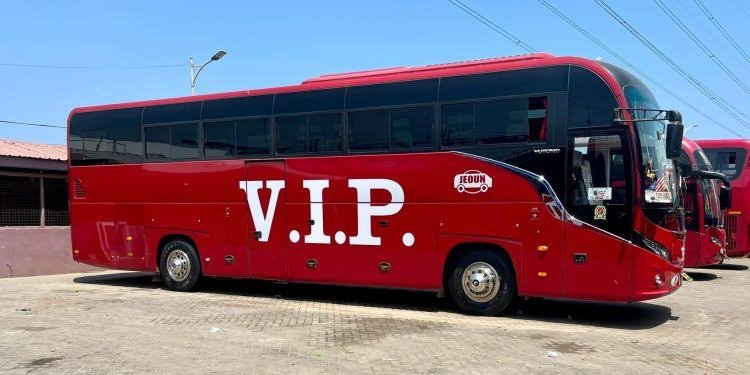
Public transit is the heartbeat of affordable exploration. While it can be intense, it provides a level of cultural immersion that you simply cannot get from private cars. Learn the local system before you arrive. In many parts of the developing world, shared taxis operate on a demand basis, departing only when full. If you are on a strict schedule, these systems can be stressful. We suggest keeping your itinerary flexible enough to accommodate the natural rhythm of local transport when seeking best budget travel destinations.
If comfort is a priority, research overnight trains or long-distance buses. These serve a dual purpose: they allow you to travel while sleeping, which effectively saves you the cost of one night in a hotel. This strategy is an excellent way to maintain your budget while maximizing the time available for sightseeing during the day.
Eating Locally and Staying Financially Fit
Resist the urge to dine at tourist-centric restaurants. These establishments often inflate prices by 300% or more compared to authentic local eateries. Instead, head to bustling local markets or street food stalls where vendors serve fresh, seasonal, and affordable ingredients. In regions like West Africa, exploring local markets is an essential part of the travel experience, providing both a culinary education and a very budget-friendly meal.
Additionally, avoid importing food and drink brands. These items carry high markups. Transitioning to local beverages, such as hibiscus juice, fresh coconut water, or locally sourced teas, is not only more economical but also allows you to enjoy the genuine flavors of your host country. Always ask locals where they prefer to eat to find the highest value for your money.
Building an Itinerary for Maximum Value for
A well-researched itinerary acts as the foundation of a successful trip. Group your daily activities by geographical area to minimize the cost of transit. Research free museum days, public park entry, and city walking tours. Many cities host free tours based on a tip-only system, which are often the best ways to get an introduction to local history and orientation for the city layout.
Be honest about your energy levels. Overextending yourself by packing too many activities into one day leads to fatigue. When you are tired, you are more likely to spend money on quick, expensive solutions like air-conditioned taxis or convenience snacks. Embrace a slower pace. The best travel memories often happen when you have the time to sit, observe, and experience the local environment without the pressure of a ticking clock.

Discover Accra City Day Tour | Ghana Discover Our Accra City Day Tour First, travelers experience the energetic pulse, rich…
Frequently Asked Questions for best budget travel destinations
Start by tracking your existing expenses at home for one month. This helps establish a realistic baseline. Once you select your destination, research the cost of a mid-range meal, public transport, and basic accommodation. Allocate these costs daily and add a 20% safety margin for emergencies.
Many affordable countries are very safe for solo travelers, provided you follow local customs and common-sense precautions. Always research neighborhood safety, choose highly-rated hostels with central locations, and keep your valuables secure when using public transportation.
Focus on locally owned guesthouses and boutique hostels rather than international chains. Peer-to-peer platforms can also be effective, especially for longer stays, as many hosts offer significant discounts for weekly or monthly bookings. Always read recent reviews to ensure the location is convenient for transit.
It depends entirely on the region. In some countries, booking online via official apps can save you money. In other areas, particularly in developing regions, booking in person at the bus station or through your accommodation is often the only reliable way to secure a seat at the correct price.
Carry a mix of local currency and an international travel card that minimizes foreign transaction fees. Always carry a backup, such as a second debit card or emergency cash, stored in a separate, secure location like a hidden money belt or a secure compartment in your main luggage.