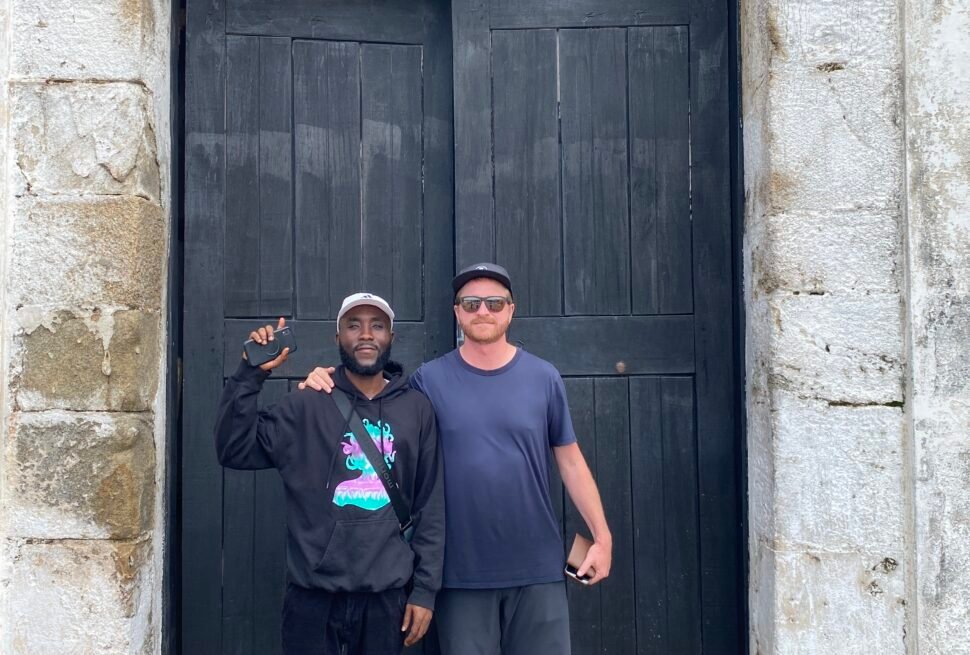

TL;DR: The Adventurer’s Summary
Cape Coast Castle is a pivotal UNESCO World Heritage site documenting the trans-Atlantic slave trade. Located in Ghana’s Central Region, it is accessible via road from Accra. Plan for a half-day tour, arrive early to avoid heat, and dress modestly to respect the site’s solemn history.
Standing on the rocky coastline of the Atlantic Ocean, Cape Coast Castle serves as a somber monument to one of the most painful chapters in human history. For many travelers, visiting this site is an essential part of understanding the trans-Atlantic slave trade history. The structure, characterized by its stark white walls against the blue sea, was once one of the most significant Gold Coast forts. Today, it operates as a powerful site for reflection and education. Attracting global visitors who seek to honor the past while learning about the resilience of the African spirit.
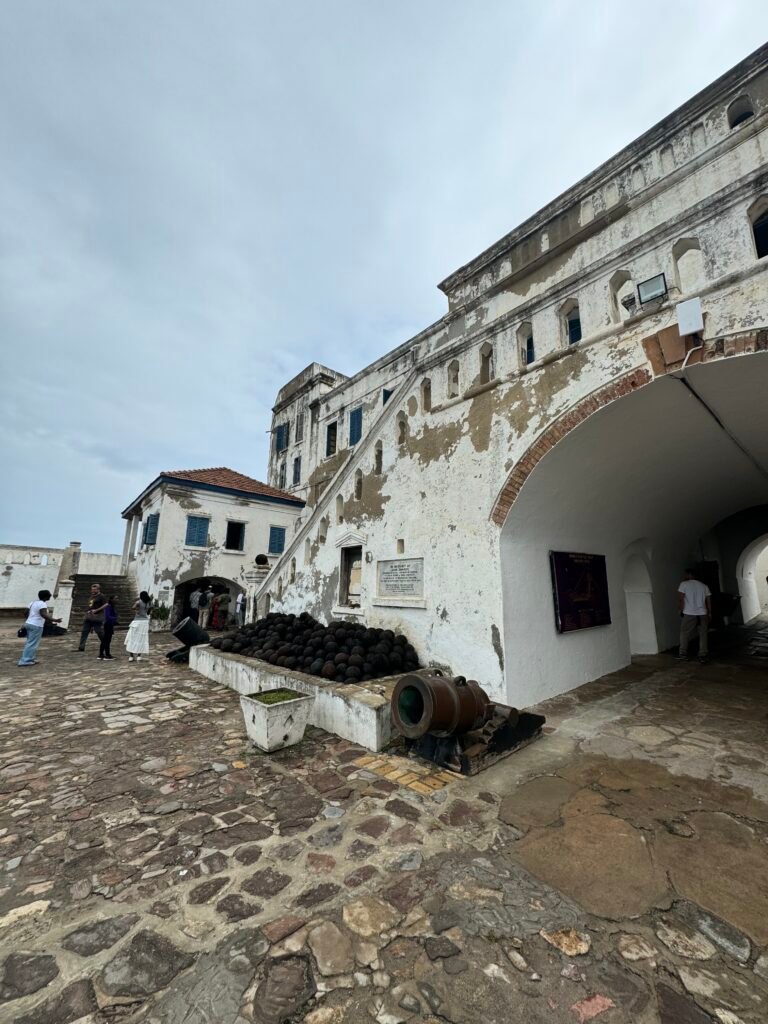
Understanding the Significance of Cape Coast Castle
The history of this site is profoundly heavy. Originally established as a trading post in the 17th century. The facility eventually became a focal point for the slave trade. The Ghana slave dungeons contained within these thick walls represent the final point of departure for millions of enslaved Africans who were shipped across the Atlantic. Walking through the “Door of No Return” is an experience that many visitors describe as deeply emotional, offering a rare and direct connection to a history that shaped the modern world.
Because of its global importance, the fort is designated as a UNESCO World Heritage site. It is not merely a tourist attraction. Instead, it acts as a space for remembrance and historical inquiry. When you explore the Cape Coast historical museum located on-site, you gain a clearer perspective on the resilience of the human spirit. The exhibits provide academic and cultural context that connects the past to contemporary African diaspora identity, ensuring that the legacy of those who suffered is never forgotten.
Practical Logistics for Your Visit to the Cape Coast Castle
Traveling to the Cape Coast Castle location requires careful preparation to ensure a smooth experience. Most international travelers begin their journey by arriving at Kotoka International Airport in Accra. From the capital, there are several reliable ways to reach the coast. Many visitors prefer hiring a private driver for convenience. While others utilize intercity bus services or the local trotro network for a more budget-friendly approach.
Are planning your own transport? It is helpful to consult detailed transit information regarding departure points and estimated travel times. The journey typically takes between three and four hours, depending on traffic conditions in Accra and the current state of the coastal highway. It is advisable to depart early in the morning to bypass the busy city rush. You’ll arrive at the castle by late morning, which is the prime time for tours.
Cape Coast and nearby town of Elmina offer a variety of options from charming boutique guesthouses to modern beachfront hotels. Staying overnight allows you to explore the local culture, interact with the vibrant fishing communities, and visit nearby sites like the Kakum National Park without feeling rushed.
Booking, Entry Fees, and Operational Details
Upon arriving at the Cape Coast Castle entrance, you will need to purchase an entry ticket. Fees are tiered, with different rates for Ghanaian nationals, residents, and international visitors. While some sites have begun to adopt digital payment methods, it is standard practice to carry physical Ghanaian Cedis. To cover your ticket costs and any potential additional fees for guided tours. Always check the official website of the Ghana Tourism Authority for the most recent updates on pricing and operating hours before you finalize your travel arrangements, as these can change periodically.
Guided tours are mandatory for entry into the dungeons and sensitive restricted areas. These tours are led by certified local guides who are trained to provide comprehensive and respectful narratives about the fort’s history. These guides are instrumental in helping visitors navigate the somber history of the site. It is customary and highly recommended to provide a tip to your guide at the end of the tour, as this supports the local professionals who maintain these important historical sites.
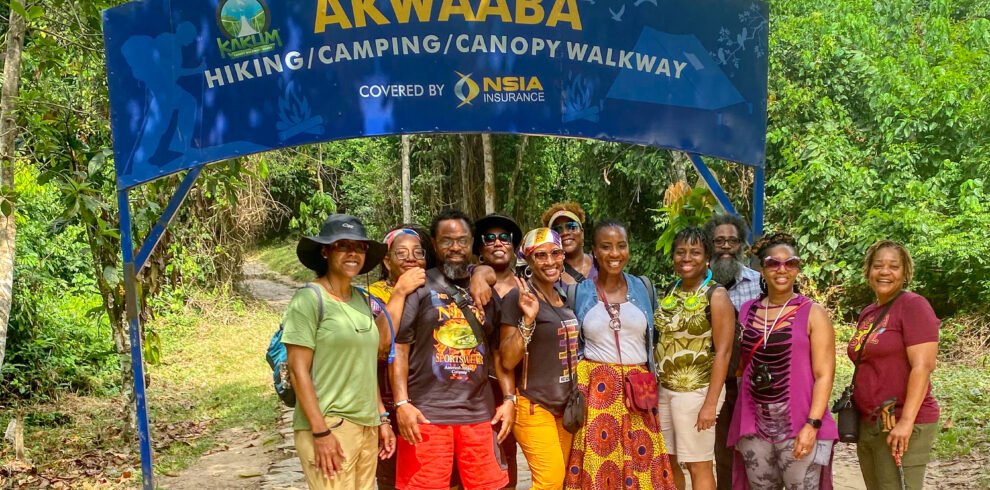
Discover Cape Coast Historical Tour First, three iconic landmarks—Cape Coast Castle, Elmina Castle, and Kakum National Park—weave compelling stories of…
Cultural Etiquette and Travel Preparation
Because the castle serves as a place of profound suffering, the atmosphere within the walls is often quiet and reverent. Visitors are encouraged to dress modestly out of respect for the ancestors who perished there. Photography is generally allowed in the courtyards and ramparts. It is standard practice to ask your guide for permission before capturing images inside the dungeons or near religious artifacts. Being mindful of others who may be processing their own personal or ancestral connections to this history is essential for maintaining the appropriate atmosphere of the site.
Additionally, consider the local climate when planning your visit. The coastal sun can be intense, particularly between 11:00 AM and 2:00 PM. We strongly recommend carrying a wide-brimmed hat, applying sunscreen, wearing sturdy walking shoes, and keeping a reusable water bottle with you. Staying hydrated and comfortable will help you stay focused during the hour-long tour through the complex, multi-level layout of the facility.
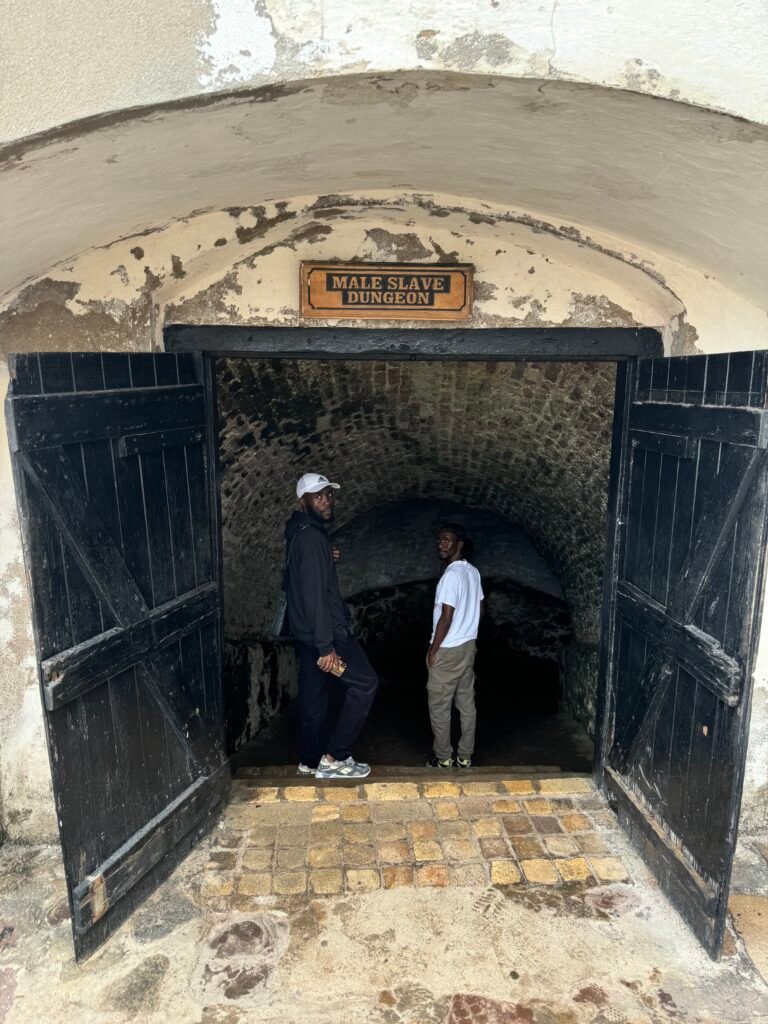
Expanding Your Itinerary in the Central Region
Many travelers choose to combine their trip to the site with other major attractions in the Central Region. For example, Kakum National Park is less than an hour away and offers a canopy walk that serves as a beautiful natural contrast to the historic walls of the coast. You might also consider visiting Elmina Castle, which is situated just a short drive from the main town. Both sites provide a comprehensive overview of the colonial era and the impact of the slave trade on local communities.
If your schedule allows, consider staying for two days to fully absorb the gravity of these locations without feeling rushed. This pace allows you to engage with local artisans in the bustling markets of Cape Coast. And also enjoy fresh, locally sourced seafood by the ocean. By slowing down, you transform a standard sightseeing trip into a meaningful journey of discovery. Allowing you to connect with the modern reality of Ghana while respecting its deep, often painful past. Are interested in historical preservation or local culture? This region offers an unparalleled depth of experience for any traveler willing to explore it.

Experience the Cape Coast and Elmina Tour First, this Cape Coast and Elmina Slave Castle Tour provides a profound journey…
Frequently Asked Questions (FAQ) for Cape Coast Castle Visits
The castle is generally open daily from 9:00 AM to 5:00 PM. However, it is always wise to confirm if there are any national holiday closures or special events by checking with local tourism offices before arriving.
No, all tours are facilitated by professional, certified guides. This requirement is in place to ensure that all visitors receive accurate historical context and that the sacred, sensitive areas of the site are treated with the appropriate level of respect and solemnity.
Some parts of the facility involve uneven stone floors, narrow corridors, and steep steps. If you have mobility concerns, it is highly recommended to inquire at the front ticket office upon arrival so staff can advise you on the most accessible routes or provide assistance where possible.
Photography is permitted in most outdoor areas, including the main courtyards and exterior walls. However, there are specific, sensitive rules inside the dungeons and certain museum exhibits. Always check with your guide at the start of your tour to confirm where photography is restricted.
Most travelers utilize private taxi services or reputable intercity bus lines. Private transfers provide the most flexibility, allowing you to stop along the way, while the bus lines are a reliable and cost-effective alternative for budget-conscious visitors who prefer a structured schedule.