
TL;DR: The Adventurer’s Summary
Cape Coast serves as the historic and cultural heart of Ghana’s Central Region. Travelers visit for the solemn history of Cape Coast Castle and the natural canopy walks at Kakum National Park. Plan for a 3-4 hour journey from Accra, budget for daily expenses between 150-300 GHS, and prioritize early morning starts for the best experience.
Cape Coast represents one of the most historically significant and culturally vibrant destinations in West Africa. Located in the heart of the Central Region, this city offers a profound look into the past through its colonial architecture and Fante history, while simultaneously serving as a gateway to the region’s lush natural landscapes. If you are planning a trip, understanding the logistical nuances of this coastal gem is essential for ensuring your visit remains respectful, educational, and stress-free.
Understanding the Significance of Cape Coast
To truly grasp the importance of this destination, you must appreciate the dual identity of the city. On one hand, it is a bustling hub of daily Ghanaian life, characterized by the traditions of the Fante people. Their linguistic heritage, festivals, and vibrant market culture provide an authentic backdrop to your visit. Walking through the city streets, you will encounter the juxtaposition of historic colonial structures against the rhythmic, energetic pulse of local markets that define everyday life in the Central Region.
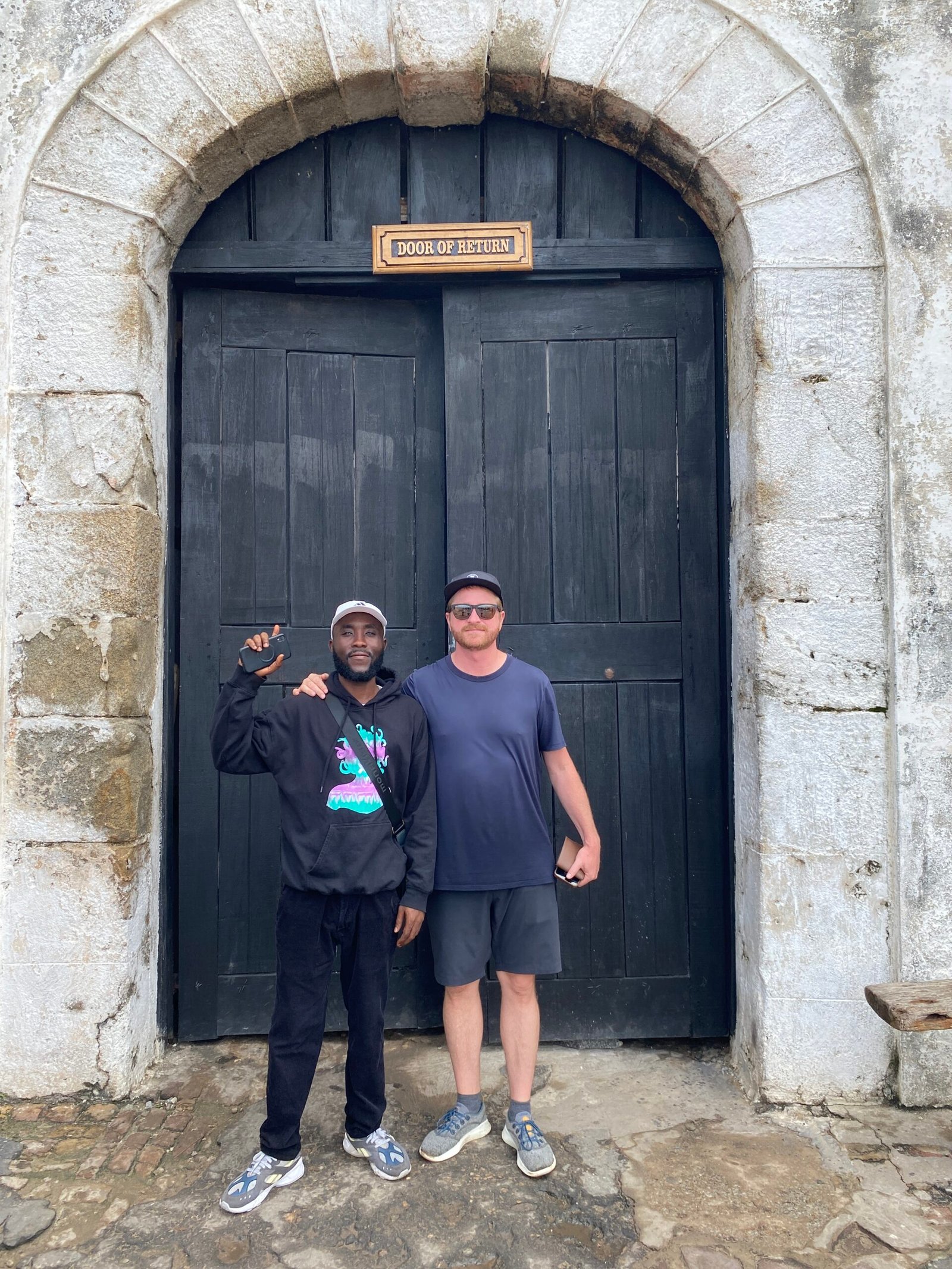
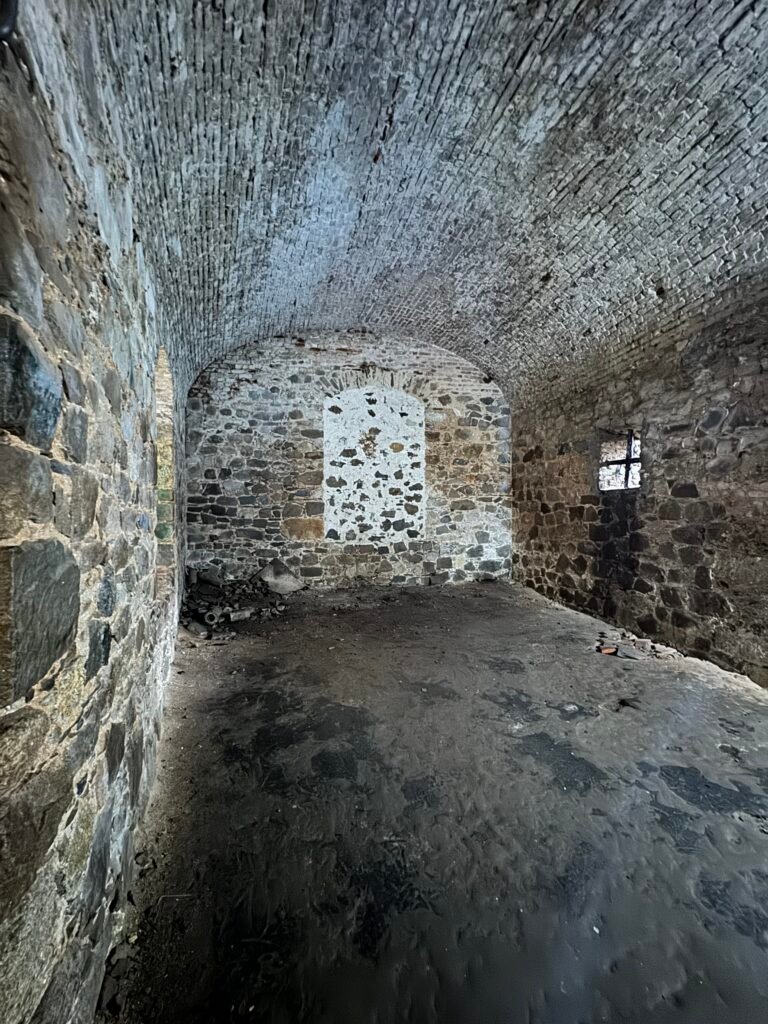
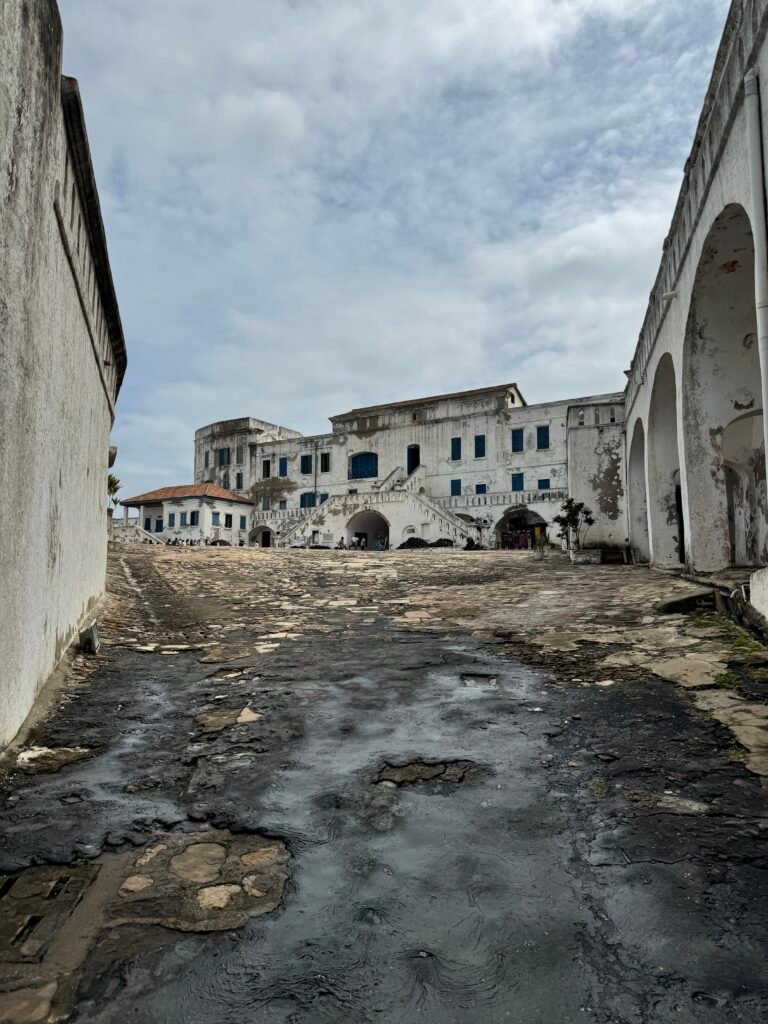
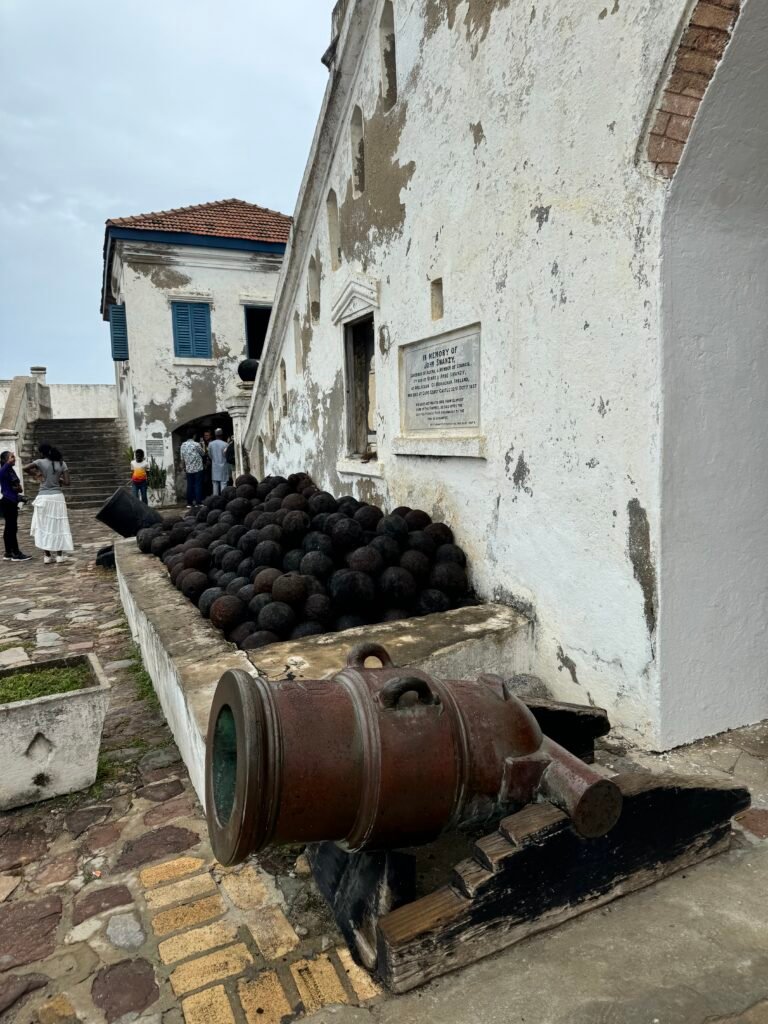
Conversely, the city is a site of deep international remembrance. The transatlantic slave trade left an indelible mark on the landscape, and the Cape Coast Castle stands today as a haunting, necessary monument to those events. A visit here is not merely sightseeing; it is an act of historical engagement. Many travelers find that taking a guided comprehensive historical tour allows them to navigate these complex narratives with the appropriate level of cultural sensitivity and expert context.
Getting There: A Practical Transport Guide to Cape Coast
Navigating the route from Accra is a quintessential part of the journey. Most travelers depart from the major transport hubs, specifically the Kaneshie or Circle bus terminals. If you are budget-conscious, the public tro-tro (minibus) system is the most common method. These vehicles depart only when full, which can sometimes lead to delays during off-peak hours. Ensure you arrive early in the morning to secure a seat.
For those seeking a more predictable experience, the privately operated ‘Ford’ bus services are the preferred choice. These buses operate on a more fixed schedule and generally offer a slightly higher level of comfort. The journey takes approximately three to four hours depending on traffic congestion when leaving the capital. Once you reach the city, local taxis serve as the primary mode of transportation. It is standard practice to negotiate your fare before the taxi starts moving to ensure both parties are in agreement. For travelers requiring the most current transit updates, please consult the official Ghana Tourism Authority portal.
Major Attractions and Current Fee Structures
When planning your budget, remember that Ghana’s tourism sector often operates heavily on cash. While digital payments are becoming more common in urban centers, your trip to regional sites will require physical GHS. Entry fees for major historical sites are typically tiered based on citizenship. Foreign adults should expect to pay between 60 and 100 GHS for entry, though this is subject to revision by site management. Always carry your passport or official identification, as resident rates are significantly lower, and staff will verify your status upon arrival.
Beyond the historical dungeons, Kakum National Park is the premier destination for nature lovers visiting Cape Coast. The park’s famous canopy walkway—suspended high in the forest—is a must-see. We recommend arriving at the park entrance by 8:30 AM to 9:00 AM. This early start serves two purposes: you avoid the heat of the midday sun, and you gain entry before the influx of larger tour buses. Pricing at the park typically includes a base entrance fee plus an additional cost for the guided canopy walk experience. Keep a small amount of extra cash on hand for potential snacks or artisanal crafts sold at the visitor center.
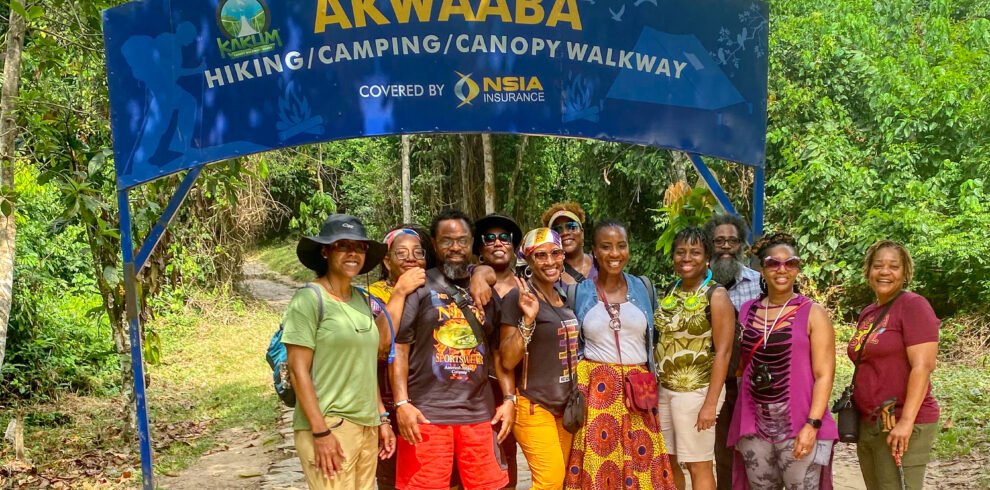
Discover Cape Coast Historical Tour First, three iconic landmarks—Cape Coast Castle, Elmina Castle, and Kakum National Park—weave compelling stories of…
Traveler Tips for Comfort, Safety, and Etiquette
Safety in this region is generally quite high, provided you follow standard urban travel precautions. Avoid walking alone in unlit areas at night, and keep your valuables, such as cameras or large amounts of cash, concealed while in crowded markets. The local people are warm and welcoming, and a small effort to respect local customs goes a long way. A simple greeting, such as ‘Good morning’ or ‘Good afternoon,’ is the standard and polite way to initiate interactions. If you show respect for local norms, you will find the hospitality of the Fante people to be one of the highlights of your trip.
Sanitation and facilities are another area where planning pays off. While upscale hotels and main tourism centers like the Castle and the Park maintain high-quality, clean restroom facilities, these are not always universal. Whenever you are visiting a restaurant or museum, use the facilities there regardless of whether you immediately need them. This strategy ensures you are never caught unprepared when traveling between sites. Staying hydrated is also vital given the intensity of the coastal sun; carry a reusable bottle and rely on trusted sources of filtered water throughout the day.
Accommodation Strategies in the Central Region
Where you stay significantly influences the pace of your trip. If your primary goal is to be close to the heartbeat of the city, look for guesthouses near the town center. These are often more affordable, with prices starting around 200 GHS, and provide easy access to local eateries where you can sample regional specialties like Fante Fante, a traditional fish stew. For these travelers, the city’s noise and energy are part of the charm.
Conversely, if you prefer a quieter retreat, several beachfront resorts are located just a short taxi ride outside the city center. These resorts offer serene Atlantic views and a more relaxed environment for those who want to recharge after a long day of historical touring. Regardless of your choice, confirm if the facility provides reliable power and high-speed Wi-Fi if those amenities are necessary for your work or communication needs. Always book during the dry season (November to March) for the most favorable weather conditions, though even in the rainy season, you will find beauty in the lush, verdant landscapes of the coast.

Experience the Cape Coast and Elmina Tour First, this Cape Coast and Elmina Slave Castle Tour provides a profound journey…
Understanding the Regional Landscape of Cape Coast
The geography of the Central Region is uniquely suited to a diverse travel itinerary. By balancing your time between the historical sites of the city and the ecological wonders of the nearby parks, you create a well-rounded experience. Many travelers make the mistake of trying to squeeze too much into a single day. Instead, allow yourself at least two full days to truly absorb the atmosphere. The transition from the heavy, reflective silence of the castle dungeons to the vibrant, bird-filled canopy of the national park is a powerful experience that deserves a slower, more deliberate pace of exploration. Use the local transport networks to your advantage, but always allow a buffer of one to two hours for your travel schedule, as transit times in Ghana can be unpredictable.
Frequently Asked Questions (FAQ) for Cape Coast
Yes, traveling solo is common and generally safe. By adhering to basic urban safety habits—such as avoiding dark, quiet areas at night and using registered taxi services—most solo travelers find the experience both rewarding and secure.
The ideal period is the dry season, running from November through March. During these months, the weather is more consistent, making it easier to enjoy outdoor activities like the forest canopy walk without the disruption of heavy rains.
No, cash remains the dominant form of currency. While larger hotels and high-end restaurants may accept cards, you should carry sufficient GHS for transport, entry fees at historical sites, and purchases in local markets.
While possible, it is quite demanding. If you must do both, start at the park as early as possible to finish the canopy walk before the midday heat. Then, move to the castle in the early afternoon, allowing yourself enough time for a proper tour.
While you can navigate the sites on your own, hiring a local guide at the castle is highly recommended. A professional guide provides essential historical context and emotional depth that significantly enhances your visit.

[…] experience. But it is necessary for anyone interested in African history. The castle remains a Cape Coast Historical Day Tour […]
[…] rare wildlife. For those looking for a structured way to experience these sites, check out this curated historical tour for an immersive local […]