TL;DR: The Adventurer’s Summary
Ghana offers a rich tapestry of history, wildlife, and vibrant culture. Iconic locations like Cape Coast Castle and Kakum National Park are essential. Budget approximately GHS 50-200 per entry for major sites. Always carry physical cash in Ghanaian Cedi, use ride-hailing apps in urban centers like Accra, and verify opening hours via the official tourism portal before traveling.
Choosing the right tourist attraction sites in Ghana requires both local insight and careful logistical planning. From the somber historical legacy of the Gold Coast to the lush, biodiversity-rich rainforests of the interior, this West African nation provides a diverse range of experiences. This comprehensive travel guide helps you navigate the practicalities of sightseeing, ensuring your trip is as smooth as it is memorable.
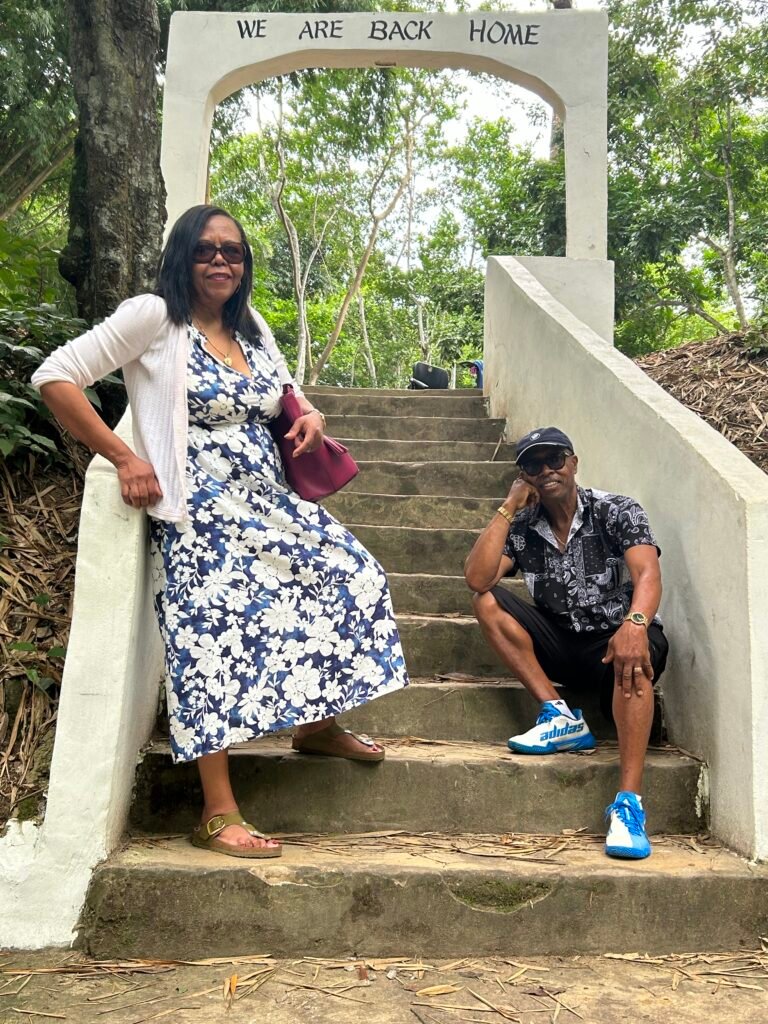
Essential Tourist Attraction Sites in Ghana
To experience Ghana fully, one must balance urban exploration with immersive natural retreats. Accra, the capital, serves as your primary gateway. While the city itself features vibrant markets and museums, most iconic sites are located in the Central, Western, and Ashanti regions. Traveling between these areas often takes several hours by road; therefore, planning your itinerary in regional blocks is highly recommended to minimize transit time.
Historical Landmarks and Coastal Heritage
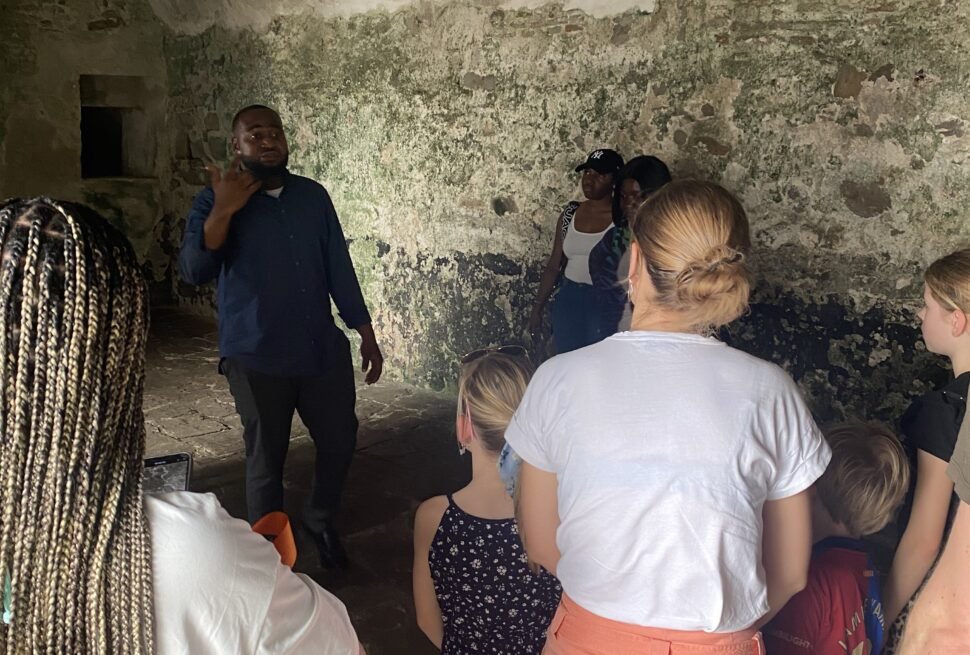
The coastal region of Ghana is defined by its colonial history and the profound impact of the transatlantic slave trade. Cape Coast Castle remains one of the most significant tourist attraction sites in Ghana. This UNESCO World Heritage site serves as a museum and a monument to human resilience. For international visitors, entrance fees are typically around 50 GHS, though additional costs for guided tours or photography permits are common. Always ensure you carry small-denomination notes for these extra expenses, as change can be difficult to secure.
Planning your visit involves selecting the right transport. The STC bus network is the most reliable method for reaching Cape Coast from Accra. Tickets generally range from 80 to 120 GHS. Upon arrival at the Cape Coast bus terminal, local taxis are plentiful and provide quick transit to the castle entrance. For those looking to understand the narrative behind the architecture, we recommend reading our dedicated detailed guide on planning your visit to Ghana’s coastal forts.
Natural Wonders and Eco-Tourism
Beyond history, Ghana’s natural landscapes are a highlight for many adventurers. Kakum National Park is arguably the most famous ecological site, renowned for its impressive canopy walkway. Located just 30 kilometers north of Cape Coast, the park offers hiking trails that cater to various fitness levels. Visitors should budget roughly 60-80 GHS for entry, excluding guide fees. It is advisable to visit on weekday mornings to avoid the weekend crowds that often flock from Accra.
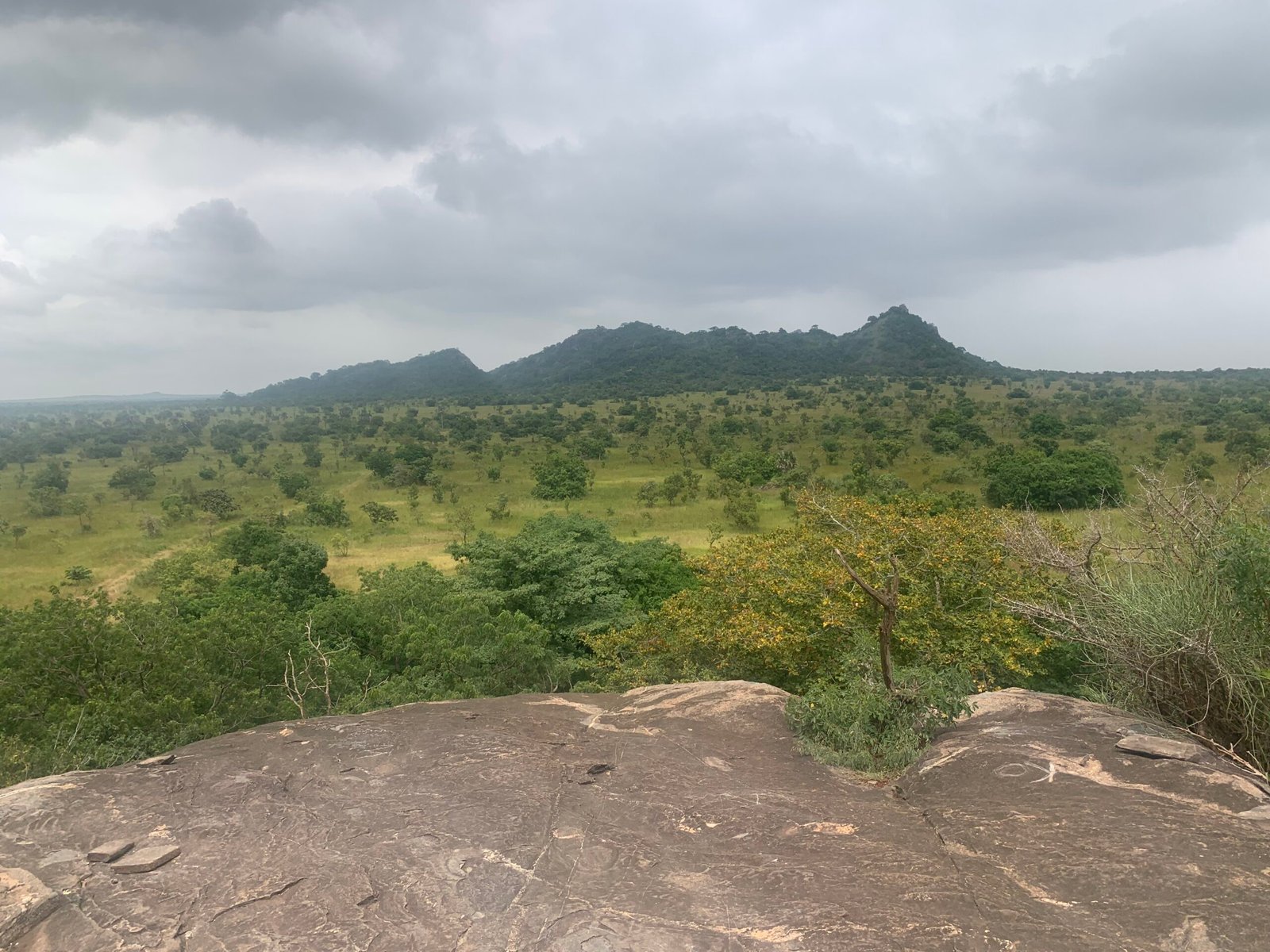
For travelers based in the capital, Shai Hills Resource Reserve offers a more accessible nature experience. You can see baboons, antelopes, and ancient caves within a short drive from Accra. This is an excellent choice for a half-day excursion. Admission is approximately 40-50 GHS for foreign visitors. Because public transport options to the entrance gate can be inconsistent, utilizing a ride-hailing app like Bolt or Uber is the most reliable and transparent way to secure transit. These apps allow you to fix a price before you board, removing the need for difficult negotiations.
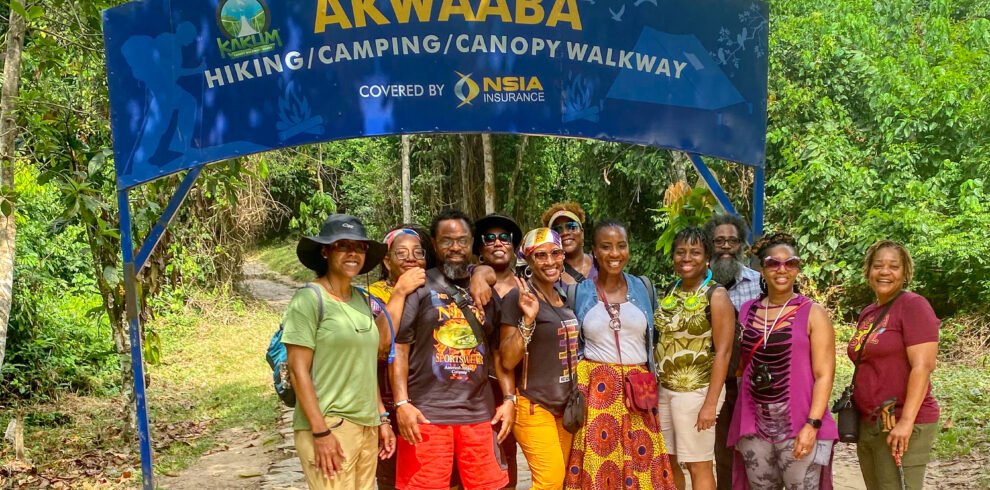
Discover Cape Coast Historical Tour First, three iconic landmarks—Cape Coast Castle, Elmina Castle, and Kakum National Park—weave compelling stories of…
Practical Logistics and Visitor Infrastructure
Understanding the logistical reality of Ghana is key to a stress-free trip. While popular landmarks are becoming more accessible, infrastructure varies significantly between urban and rural areas. For the most up-to-date information on site accessibility, entry requirements, and official park regulations, we suggest consulting the official Ghana Tourism Authority website.
Accessibility for travelers with disabilities remains a challenge at many historic sites. Uneven cobblestone paths and steep staircases are common in colonial-era buildings. If you have specific mobility requirements, reach out to site managers in advance. For dining, major attractions are increasingly surrounded by small, locally-owned kiosks serving traditional Ghanaian meals like banku and tilapia. While these offer an authentic taste of the country, travelers with sensitive stomachs should prioritize bottled water and cooked-to-order meals. Always carry hand sanitizer, as restroom facilities at remote sites may lack running water.
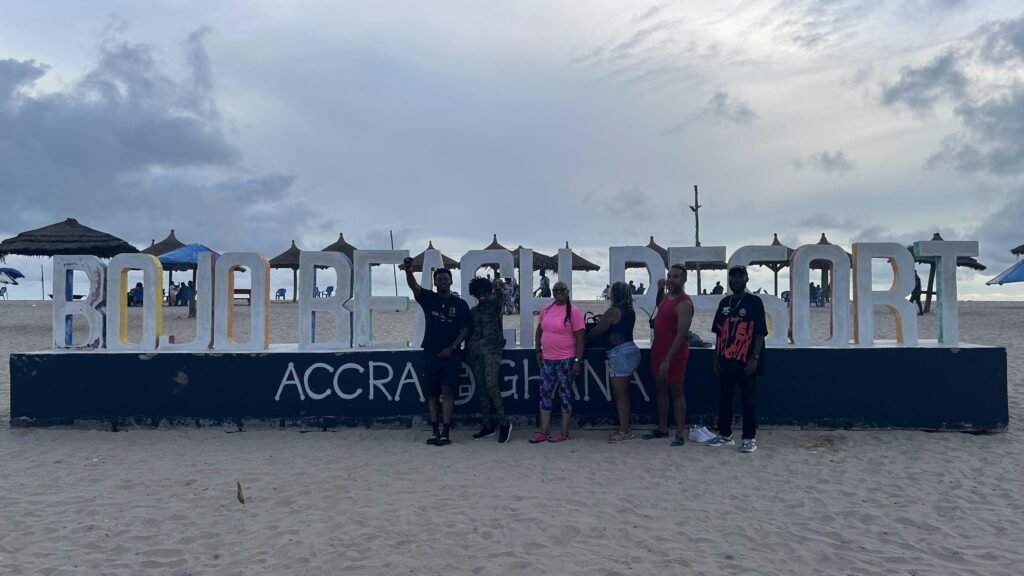
Transportation infrastructure is rapidly evolving, yet the ‘tro-tro’ remains the most iconic method of local travel. These minivans are cost-effective but can be cramped and difficult for travelers carrying large luggage. If you are exploring multiple tourist attraction sites in Ghana within a short timeframe, hiring a private driver for a day-hire is often the preferred choice. Not only does this save time, but it also provides a local expert who can navigate traffic patterns and identify the best times to visit specific locations to avoid peak congestion.
Safety remains high for visitors who exercise standard precautions. Keep your passport and bulk cash in a secure belt or hotel safe. Carry only the amount of cash you expect to spend for the day. In terms of communication, purchasing a local SIM card (such as MTN or Vodafone) is essential. It provides reliable 4G data coverage for GPS navigation, which is invaluable when traveling to more rural, off-the-beaten-path locations. Most major towns have reliable ATMs, but ensure you withdraw sufficient cash before venturing into the northern regions where banking infrastructure is sparse.
Cultural tourism in Ghana is an immersive experience. When visiting sacred sites or rural villages, it is respectful to dress modestly and ask for permission before taking photographs of individuals. Tipping is not strictly mandatory, but it is a standard practice for guides and drivers. A tip of 15-25 GHS is generally well-received for excellent service. By respecting local customs, you enhance your own experience and contribute positively to the communities you visit.
If you have specific interests, such as textiles or bead-making, consider including the Ashanti Region in your itinerary. Kumasi, the cultural capital, offers a different pace of life. Here, you can explore the Manhyia Palace Museum and the sprawling Kejetia Market. While this region is further from the coast, the rich cultural depth makes the transit worthwhile. Plan for a long-distance coach journey from Accra, which typically takes 6 to 8 hours depending on road conditions. The comfort provided by the air-conditioned coaches makes the travel distance manageable for most tourists.
Ultimately, the beauty of touring Ghana lies in its people and its rhythms. Whether you are walking through the canopy at Kakum or standing in the courtyard of a castle, you are witnessing a deep historical and cultural story. Take your time, stay flexible, and allow for spontaneous detours. The best travel experiences in Ghana often happen when you move beyond the guidebook and engage with the local rhythm of life.
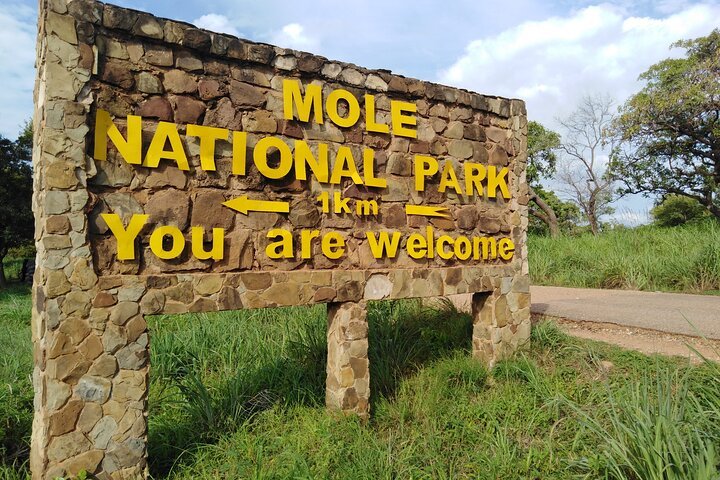
Experience the Best of Mole Park Wildlife Safari Mole Park Wildlife Safari is Ghana's largest game park, providing the ultimate…
Frequently Asked Questions (FAQ) for tourist attraction sites in Ghana
The best time to visit is during the dry season, from November to March. During this period, you will experience lower humidity and less rainfall, making it easier to navigate dirt roads and enjoy outdoor activities like hiking and sightseeing.
No, cash is essential. Most tourist attraction sites in Ghana, especially those outside of high-end hotels or modern malls in Accra, operate on a cash-only basis. Always carry Ghanaian Cedi in small denominations.
While tro-tros are the standard local transport, they are not ideal for tourists with luggage. We recommend hiring a private driver through your hotel or using a ride-hailing app like Bolt for short-to-medium distances to ensure safety and price transparency.
While not mandatory, hiring a certified local guide is highly beneficial for historical sites like Cape Coast Castle. They provide essential context, manage local logistics, and help you navigate the nuances of the site that you might otherwise miss.
Options are growing in Accra, but they can be limited in rural areas. Typical Ghanaian dishes revolve around fish or meat. If you have strict dietary requirements, it is best to pack your own snacks or request that your hotel prepare a packed lunch for your excursion day.