
TL;DR: The Adventurer’s Summary
Ghana is a vibrant destination blending profound history, diverse ecosystems, and rich culture. Top attractions include the Cape Coast castles, Mole National Park, and the cultural heart of Accra. For up-to-date travel permits and regulations, always consult the Ghana Tourism Authority website before departure.
Planning a trip to West Africa often leads travelers to the welcoming shores of Ghana, a country celebrated for its historical depth and natural beauty. When narrowing down the best places to see in Ghana, it is helpful to balance iconic urban landmarks with the tranquil, expansive nature reserves found further inland. This guide provides the practical information you need to navigate these diverse destinations, ensuring your adventure is both enriching and well-organized.
Essential places to see in Ghana for first-time visitors
Your journey likely begins in Accra, the energetic capital. This city acts as the primary gateway to Ghana tourist attractions, offering a mix of modern infrastructure and traditional markets. Spend your first day at Independence Square to soak in the national history, then head to Makola Market to engage with the bustling local economy. While Accra provides the comfort of modern hotels and reliable Wi-Fi, it is essential to venture outward to truly appreciate the country’s scope.
The historic and poignant Cape Coast
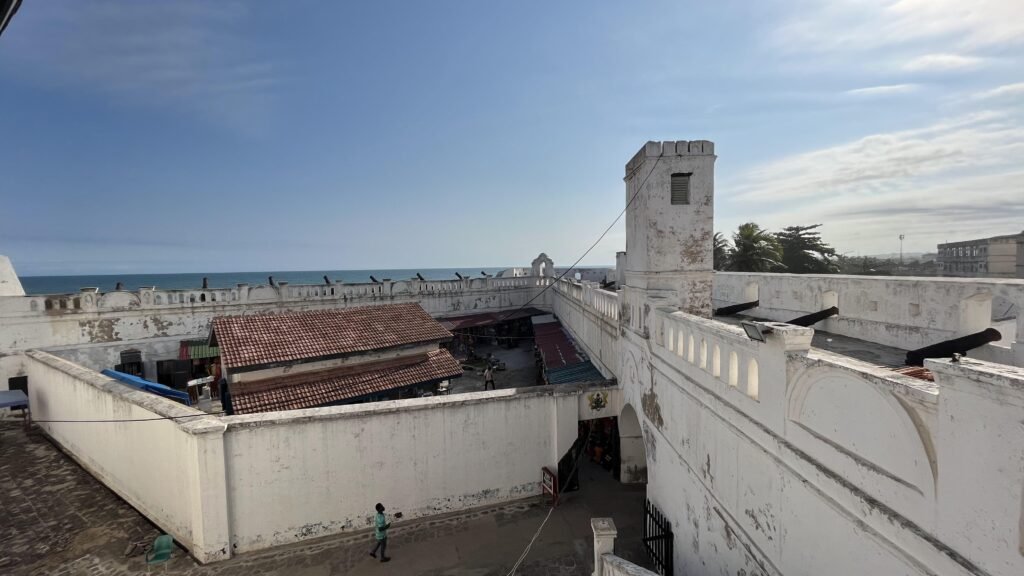
The coastal regions are among the most significant places to see in Ghana, specifically for their role in global history. The Cape Coast Castle and Elmina Castle are sobering reminders of the transatlantic slave trade. These sites are well-maintained but require a respectful approach. Entry fees for non-residents typically range from 50 to 150 GHS, though you should check the latest signage upon arrival. For a deeper understanding of the region, you can consult our comprehensive travel guide for your upcoming visit.
Nature and wildlife tourism Ghana: Mole National Park
If you are looking for nature and wildlife tourism Ghana has to offer, Mole National Park is the premier destination. As the country’s largest wildlife refuge, it is the best place to spot elephants, baboons, and antelope. Visiting during the dry season (January to March) is recommended, as wildlife gathers at water holes, making sightings more frequent. For those interested in logistics, park entry fees for non-residents are usually around 100 GHS per adult. Always hire an official guide at the park entrance for your walking safari; it is both a safety requirement and a great way to learn about the local ecosystem.
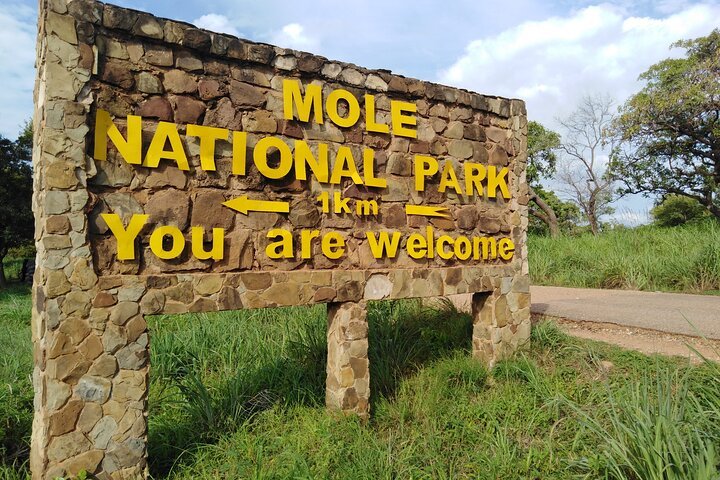
Experience the Best of Mole Park Wildlife Safari Mole Park Wildlife Safari is Ghana's largest game park, providing the ultimate…
Logistics, infrastructure, and travel tips when considering places to see in Ghana
Navigating rural areas can be challenging, but it is manageable with the right preparation. The state-run STC buses are generally the most reliable form of inter-city transport. If you are heading to remote areas, consider hiring a private driver for consistency. Regarding GPS, Google Maps is helpful for general routing, but local knowledge remains king; ask your hotel or guesthouse for the best current roads, as seasonal rains can impact rural accessibility.
When it comes to visitor infrastructure, expect varying levels of service. In major cities, you will find clean, Western-standard restrooms and reliable internet cafes. In more rural tourist spots, facilities are rudimentary. Always carry hand sanitizer and tissue, as amenities in remote locations may not be fully stocked. If you have specific accessibility needs, plan your itinerary around urban centers like Kumasi or Accra, where modern hotels are more likely to offer ADA-compliant facilities, ramps, and elevators.
Safety and health considerations for travelers
Health is paramount when visiting Ghana. Ensure you visit a travel clinic at least six weeks before your flight to obtain necessary vaccinations, including the yellow fever certificate, which is mandatory for entry. Malaria prophylaxis is strongly advised. While in the country, rely solely on bottled or filtered water. For connectivity, purchase a local SIM card (MTN is widely recommended for its coverage) directly at the airport to ensure you have data for navigation apps during your transit between provinces.
Safety in Ghana is generally high for travelers who exercise standard urban caution. Stick to well-traveled routes, avoid displaying large amounts of cash, and use registered transportation services rather than unmarked vehicles. If you are planning to visit multiple tourist sites, keep your passport and documentation in a secure, water-resistant pouch. Many sites now accept digital payments or mobile money, though maintaining a small reserve of physical local currency is essential for smaller vendors and rural market purchases.
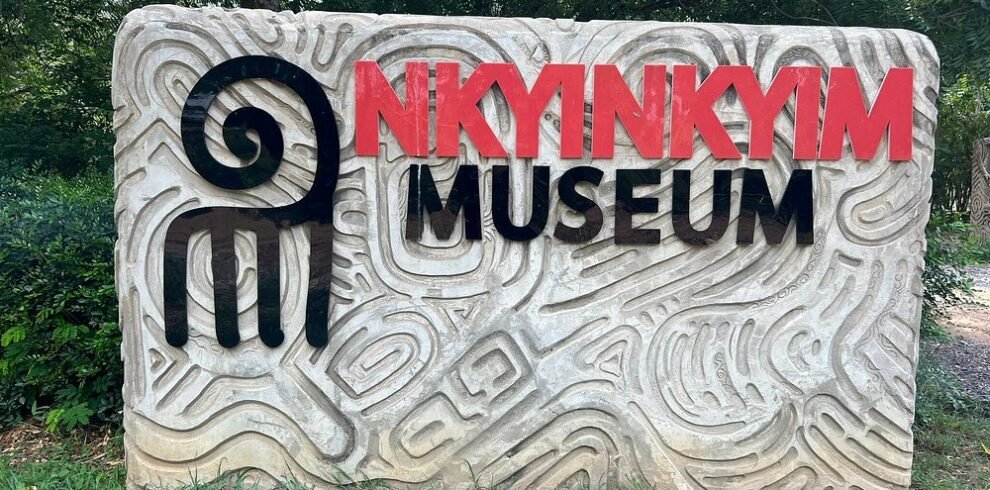
Discover Ada Nkyinkyim Museum Tour | Crocodile Island & Aqua Safari First, our Ada Nkyinkyim Museum Tour takes you on…
Cultural diversity when it comes to places to see in Ghana
The cultural diversity in Ghana is another highlight of the travel experience. Engaging with local traditions at community festivals or visiting regional textile hubs like Ntonso (famous for Adinkra symbols) adds a layer of depth that museum visits alone cannot provide. Always ask for permission before taking photographs of locals or specific cultural ceremonies. By respecting local norms, you will find that Ghanaians are incredibly hospitable and often eager to share stories about their land and heritage. Preparing for these cultural encounters is just as important as packing your malaria medication or travel insurance documents.
Finally, remember that the pace of life in Ghana is different from what you might expect in other parts of the world. Transportation might run behind schedule, and nature trails might be more rugged than they appear on official tourism brochures. Embrace these moments as part of the authentic West African experience. By maintaining flexibility in your schedule, you allow for spontaneous discoveries, such as a hidden waterfall or an invitation to a local celebration, which often become the highlight of any trip to this beautiful nation.
Frequently Asked Questions (FAQ) for places to see in Ghana
The best time to visit is during the dry season, which typically runs from November to April. During this period, roads are easier to navigate, and wildlife viewing in national parks is at its most productive.
While the historical sites are significant, they often feature uneven stone floors and steep, narrow staircases which can be difficult for travelers with limited mobility. It is best to reach out to the museum management in advance if you require assistance.
Most large parks and historical sites now accept mobile money and some credit cards. However, for smaller community-based projects and rural attractions, carrying local currency in small denominations is highly recommended.
Government buses (STC) are very reliable for major routes. For travel to remote natural sites, it is recommended to hire a private car or join a organized tour, as local tro-tros may not follow strict schedules or reach specific tourist destinations.
Yes, most international travelers require a visa to enter Ghana. It is recommended that you apply through your local Ghanaian embassy or consulate several weeks prior to your intended travel date.