TL;DR: The Adventurer’s Summary
Organizing a trip to the continent requires balancing logistics with expectations. For those seeking Africa travel and tours, focus on your primary interest: wildlife, culture, or relaxation. Always prioritize reputable operators, check health requirements early, and embrace the pace of local life to ensure a successful journey.
Planning your dream trip to the continent is a transformative experience, but navigating the vast array of Africa travel and tours options can feel overwhelming. Whether you are chasing the Great Migration in the Serengeti or seeking the serene landscapes of the Okavango Delta, success lies in the details. From understanding visa processes to selecting the right operator, careful preparation ensures your journey is both seamless and unforgettable.
Understanding Africa Travel and Tours Options
The continent is incredibly diverse, meaning a one-size-fits-all approach to tourism rarely works. You must first decide what type of experience aligns with your travel goals. Are you interested in a high-end luxury tour operator that handles every complex detail, or perhaps a small-group adventure that focuses on social interaction and budget-friendly exploration?
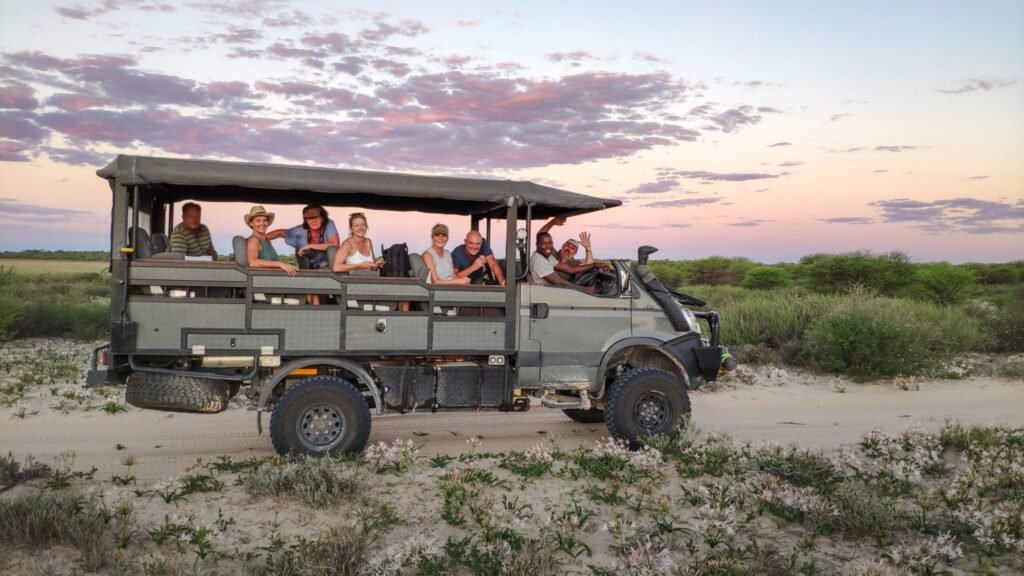
Luxury personalization offers unmatched comfort, privacy, and seamless private transfers. In contrast, group trips provide camaraderie and shared costs, making them excellent for solo travelers or those looking to minimize expenses. If you prioritize Southern Africa travel, you will find a highly established infrastructure that accommodates both styles with ease, offering everything from intimate bush camps to grand lodges.
Logistics and Visa Requirements
One of the most common mistakes travelers make is failing to check border requirements well in advance. Visa processes vary drastically between nations. Some countries offer a simple visa-on-arrival, while others require electronic authorization weeks before departure. Always consult official government portals before booking flights.
If you are crossing land borders, ensure you have multiple passport photos, proof of yellow fever vaccination, and sufficient local currency for processing fees. Always keep physical copies of your essential documents in a waterproof folder. For comprehensive information on cross-border travel regulations, refer to the United Nations World Tourism Organization for the latest global tourism policy updates.
Health and Safety Protocols
Health requirements depend heavily on the specific region you plan to visit. Schedule an appointment at a travel medicine clinic at least three months before your departure. Malaria prophylaxis is essential for many tropical destinations, while vaccinations for yellow fever and typhoid may be mandatory for entry. Carrying a basic medical kit with rehydration salts and antiseptic is always a smart precaution.
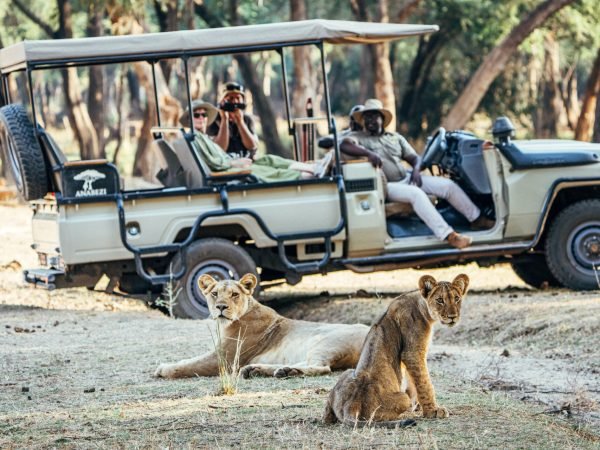
Regarding safety, most travel across the continent is straightforward when you follow local guidelines. Use common sense: keep valuables out of sight in busy urban areas and rely on hotel safes. When on a safari adventure, always listen to your guides. They possess years of experience and understand animal behavior far better than visitors do. They are your best resource for staying safe in the bush.
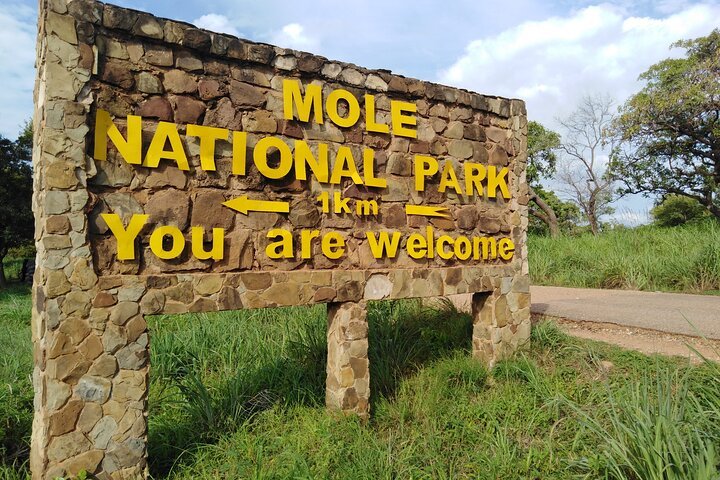
Experience the Best of Mole Park Wildlife Safari Mole Park Wildlife Safari is Ghana's largest game park, providing the ultimate…
Choosing the Right Operator
When selecting a partner, look for transparency. A professional company should provide clear data on their community-impact projects. Many travelers now want to ensure their spending supports local conservation and employment. Ask potential operators how they hire staff or support schools in their operational zones.
If you need assistance narrowing down your choices, you can review relevant descriptive anchor text to see which models fit your travel style. Always read recent, verified reviews. Look specifically for comments regarding communication, vehicle quality, and guide expertise. These factors often differentiate a good company from a great one.
Best Time to Travel when it comes to Africa travel and tours
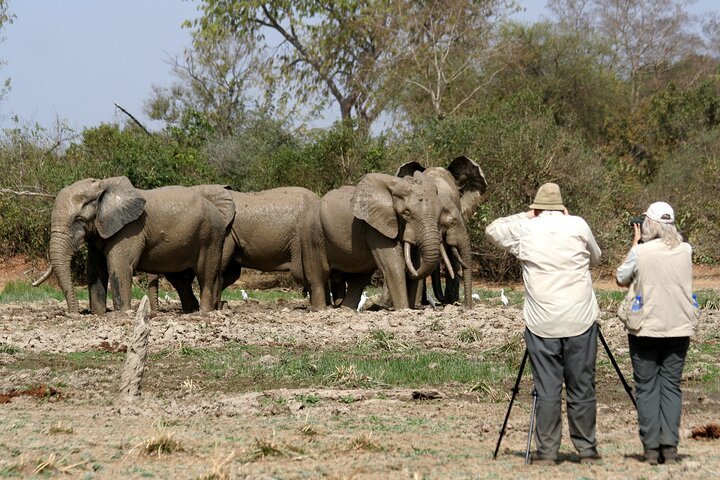
Seasonality changes everything. In many parts of Southern Africa, the dry season is ideal for game viewing because animals congregate around water holes. Conversely, the wet season offers lush, green landscapes and excellent bird watching, though some remote roads become impassable. Think about your tolerance for heat and crowds. The peak season brings more visitors but often provides the best wildlife sightings. The shoulder season can be a perfect middle ground.
Packing and Flexibility
Packing light is vital. Many internal flights use small aircraft with strict weight limits. Use soft-sided bags rather than hard-shell suitcases, as they are easier to stow in safari vehicles and bush planes. Pack neutral-colored clothing—think khaki, beige, or olive—to avoid drawing attention from wildlife or attracting insects.
Finally, stay flexible. Travel in this region often involves unexpected delays. Whether it is a flat tire, a border change, or a wildlife sighting that keeps you waiting, embrace these moments. They often become the highlights of the trip. Maintain a positive attitude, keep your itinerary reasonable, and allow time for the unexpected.
Creating Tailor-Made African Holidays
For those looking for something truly unique, tailor-made African holidays offer the best flexibility. Unlike cookie-cutter tours, bespoke itineraries allow you to focus on your specific passions, whether that is photography, trekking, or luxury spa relaxation. A high-quality tour operator will listen to your desires and craft an experience that avoids the tourist traps, getting you closer to the heart of the destination. By working with a specialist, you gain access to exclusive concessions in national parks and private game reserves that standard tours might miss, ensuring a more intimate and impactful safari experience.
Experience the Best of Mole Park Wildlife Safari Mole Park Wildlife Safari is Ghana's largest game park, providing the ultimate…
Sustainability and Local Impact
Responsible tourism is no longer optional; it is essential. When planning, investigate the sustainability credentials of your lodges and camps. Are they solar-powered? Do they employ local staff from nearby communities? A reputable luxury tour operator will be happy to share their ESG (Environmental, Social, and Governance) commitments with you. By choosing operators that prioritize conservation, you directly contribute to the protection of ecosystems and the economic stability of local populations. This commitment to sustainability is what separates a mere vacation from a truly meaningful and ethical adventure on the African continent.
Frequently Asked Questions (FAQ) for Africa travel and tours
Yes, many solo travelers navigate the continent successfully. Stick to established tourist routes, use reputable transport, and stay in well-rated accommodation where staff can assist you with local safety advice.
US Dollars are widely accepted for tours and visas, but ensure they are printed after 2013 and are in pristine condition. Always carry some local currency for markets and small expenses as well.
You do not need expensive, specialized gear. Wear breathable, comfortable clothing in khaki, beige, or olive green. Pack a warm fleece for cold early-morning game drives and a light rain jacket.
Tipping is standard for guides, lodge staff, and drivers. It is best to carry small denominations of local currency or US Dollars for this purpose to reward high-quality service.
Absolutely. Ensure your policy includes coverage for emergency medical evacuation, which is crucial for remote safari areas where major hospitals may be several hours away by bush plane.
Most luxury lodges and professional tour operators are highly accommodating to dietary needs, including vegetarian, vegan, and gluten-free diets. Inform your operator well in advance so they can prepare the necessary supplies.