TL;DR: The Adventurer’s Summary
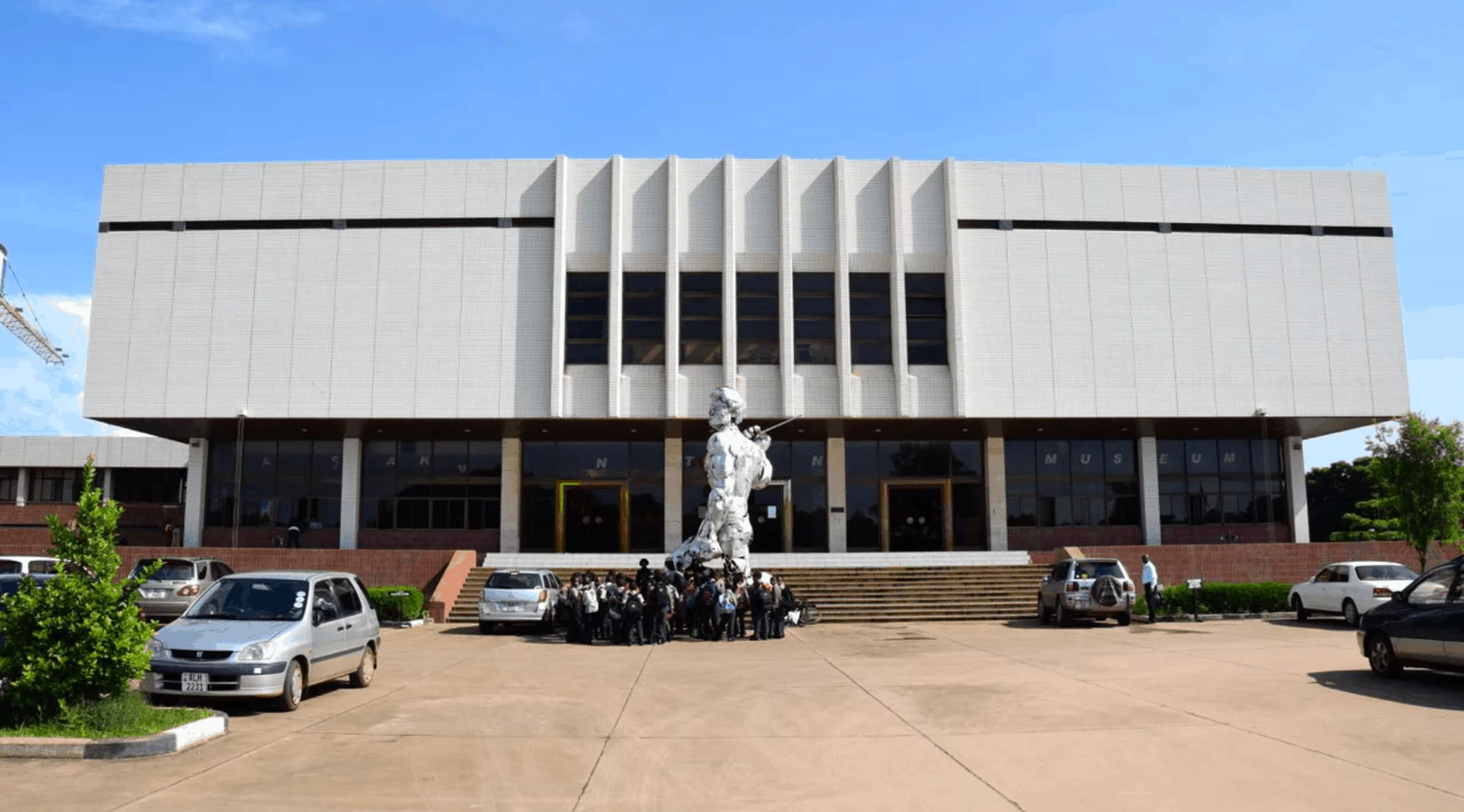
Finding free local events happening this week in Lusaka is a fantastic way to experience the city’s vibrant pulse. From open-air art exhibitions at the Lusaka National Museum to community-led markets in Woodlands, there is always something occurring. Always confirm registration needs and check transit routes before you leave your accommodation to ensure a seamless experience.
Finding entertainment without spending a fortune requires a little bit of local knowledge and preparation. If you are searching for free local events happening this week in Lusaka, you have come to the right place. Lusaka is a city that vibrates with community spirit, creativity, and a welcoming culture for every visitor, provided you know where to look. Whether you are a solo traveler, a digital nomad, or a family exploring the capital, navigating the local cultural scene can be highly rewarding.
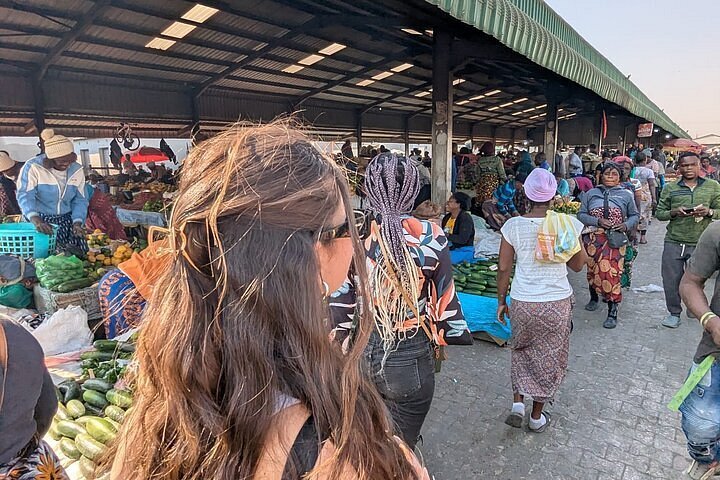
How to find free local events happening this week
Lusaka is rapidly becoming a significant hub for arts and cultural expression in Southern Africa. Many organizations, NGOs, and creative collectives host weekly gatherings that are completely open to the public. However, many travelers miss out simply because they rely on outdated guidebooks or static websites. Understanding how to find these opportunities in real-time is the first step toward a more authentic and budget-friendly experience.
Your primary digital resource should be the official Zambia Tourism Agency portal. They often list major public announcements and seasonal festivals. Meanwhile, local community groups are increasingly active on social media platforms like Facebook and Instagram. Follow community art spaces and local cafes, as they frequently post flyers for upcoming music sessions, poetry slams, or craft workshops. Because many of these gatherings rely on grassroots volunteer support, information can change at the last minute. Always double-check event status updates on the morning of the day you plan to attend to avoid disappointment.
Navigating to your event
Getting to a venue is just as important as the event itself. Many popular spots are easily accessible via local minibuses, which offer an authentic view of city life. If you are heading toward the city center, identify the main bus terminal routes before you start your journey. If you prefer more comfort, ride-hailing apps such as Yango or Ulendo are highly reliable for reaching venues in areas like Kabulonga, Woodlands, or Rhodes Park.
For those attending events in residential neighborhoods, parking can be extremely limited. If you are driving a rental vehicle, look for designated parking areas nearby or coordinate with the venue beforehand. If you feel unsure, ask your hotel concierge for the safest drop-off point. Most established community centers have security personnel on-site to assist with pedestrian arrivals and can provide guidance on where to park safely. Always account for peak-hour traffic in Lusaka, which can significantly delay your travel time to evening events.
Essential tips for event participation
Many travelers frequently ask whether they need to pre-register for free activities. Some community events, particularly those hosted by galleries, private NGOs, or educational centers, may require a quick email confirmation or an online RSVP. Although most are open-door, registration helps organizers manage crowd safety and ensure that the venue does not exceed its capacity. Always check the event page for a ‘Register’ or ‘RSVP’ link. If you find no mention of registration, it is usually safe to arrive early to secure your spot.
Safety is a priority for all visitors in the capital. Most cultural gatherings are family-friendly, well-monitored, and welcoming. However, stay aware of your surroundings when moving between venues, especially if you are walking at night. If you are new to the city, check out this comprehensive guide to navigating urban centers safely to pick up essential tips that apply to many major African cities. Furthermore, if you are traveling with children, always scan the venue description for age appropriateness or potential hazards like loud sound systems or outdoor terrain.

Experience the Cape Coast and Elmina Tour First, this Cape Coast and Elmina Slave Castle Tour provides a profound journey…
Accessibility and venue standards
Accessibility across the city varies significantly. Large public spaces like the Lusaka National Museum generally provide wheelchair access, wide aisles, and clear, descriptive signage. Conversely, smaller independent art studios or historic building conversions might feature stairs or uneven, rustic terrain. If you have specific accessibility requirements, reaching out to the venue through their official contact channel before you travel is highly recommended. Staff are usually more than willing to provide details on entrance points or accessible parking.
Most venues provide basic facilities such as water stations and shaded seating areas, but it is wise to be self-sufficient. Because of the warm Zambian climate, remember to carry a hat, sunscreen, and plenty of bottled water. Even if an event is free, it is common courtesy to support the local vendors if food or drink is available on-site. Often, the money you spend on a snack or a souvenir goes directly to the local artist or community organizer who made the event possible.
Cultural etiquette and engaging with locals
When attending a community event, you are there as a guest. Engaging in conversation is one of the most rewarding parts of the travel experience in Zambia. Zambians are known for their hospitality, and striking up a conversation with local residents about the event or their neighborhood will often provide you with insights that no guidebook can offer. Do not be afraid to ask questions about the significance of a piece of art or the history of a cultural performance. Showing genuine interest is a great way to bridge the gap between visitor and local.
Maintain a respectful demeanor during performances or speakers’ presentations. If you plan to take photographs, it is polite to ask permission first, especially when photographing individuals or small, private workshops. By acting with consideration, you not only enjoy the experience more but also leave a positive impression of your home country, contributing to the cycle of respectful tourism in Zambia.
Managing time and resources considering free local events
To maximize your week in Lusaka, group your activities geographically. Spend one day exploring the museums and cultural galleries in the city center, and another day visiting the artisan markets in the suburbs. This approach minimizes transit time and costs while allowing for deeper exploration. Always keep a list of three or four potential venues on hand so that if one event is canceled or closed, you have a solid backup plan nearby. Maintaining this level of flexibility is the hallmark of an experienced traveler in an evolving city like Lusaka.
Experience the Best of Mole Park Wildlife Safari Mole Park Wildlife Safari is Ghana's largest game park, providing the ultimate…
Frequently Asked Questions (FAQ) free local events
Yes, the vast majority of events listed as free are open to everyone. However, some specialized workshops or private gallery viewings may be by invitation or require pre-registration for security and space control. Always check the event listing for specific requirements.
For visitors, using ride-hailing apps like Yango or Ulendo is the most efficient and convenient way to navigate the city. They offer clear pricing and GPS tracking. Public minibuses are an option for those seeking a local experience, though they require familiarity with specific route numbers.
Generally, yes. Most community activities in Lusaka, such as park festivals and public markets, are very welcoming for all ages. Always review the event description for specific warnings regarding age-sensitive content or late-night schedules.
The most reliable method is to check the event organizer’s official Facebook or Instagram page on the morning of the event. Organizers are diligent about posting updates regarding weather, venue changes, or last-minute cancellations.
For large-scale street markets, public festivals, or outdoor demonstrations, prior booking is usually not necessary. However, for indoor workshops, seminars, or small-capacity performances, it is highly recommended to check for an RSVP requirement to avoid being turned away at the door.
Even if an event is free, it is always wise to carry some small denomination Zambian Kwacha. You may want to support a local street vendor, buy a cold beverage, or offer a small tip to service staff, which is greatly appreciated and supports the local economy.