TL;DR: The Adventurer’s Summary
Ghana is a premier West African destination blending rich historical significance with vibrant modern culture. Top highlights include the bustling Makola Market in Accra, the profound history at Cape Coast Castle, and the biodiversity of Mole National Park. Travelers should account for dual pricing at heritage sites, use reputable private bus services like VIP Jeoun for intercity travel, and prioritize health by following local safety and hydration guidelines.
Ghana is an extraordinary destination that captures the heart of every visitor. If you are searching for the most fun places to visit in Ghana, you will find a landscape filled with warm smiles, pulsating rhythms, and ancient history. Whether you want to explore the urban energy of the capital or retreat into the quietude of the northern wilderness, this West African nation offers something for every type of traveler. This guide provides a curated look at the top tourist attractions in Ghana, ensuring your journey is both seamless and memorable.
Understanding the Top Fun Places to Visit in Ghana
Planning a trip to West Africa requires a mix of curiosity and practical preparation. Ghana stands out because of its relative safety, widespread English-speaking population, and incredible cultural diversity. When mapping out your itinerary, consider balancing high-energy coastal cities with the lush, serene interior. This strategic approach ensures you truly appreciate what makes this country special. For those looking for an immersive experience, check out our comprehensive list of travel activities in Ghana to spark your inspiration.
Many visitors choose to start in Accra, where the rhythm of life is fast and exciting. From the artsy streets of Osu to the historical echoes of Jamestown, there is never a dull moment. Accra serves as the heartbeat of the nation, providing a perfect introduction to Ghanaian hospitality and daily life.
Exploring Accra: The Urban Pulse
Accra is often the first point of contact for international travelers. It is a city that never sleeps and offers countless things to do. You can spend your mornings at the Makola Market, a sensory explosion of colors, fabrics, and spices. It is a bustling environment where you can witness the raw, daily commerce of the city. In the afternoon, head to Labadi Beach or Bojo Beach to mingle with locals and enjoy fresh tilapia and spicy jollof rice by the ocean.
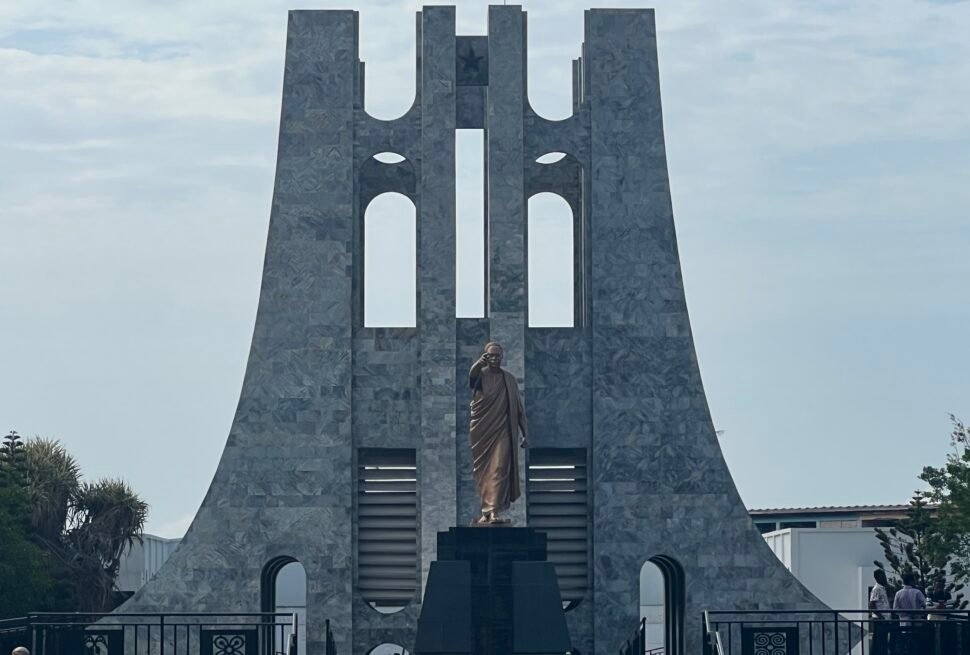
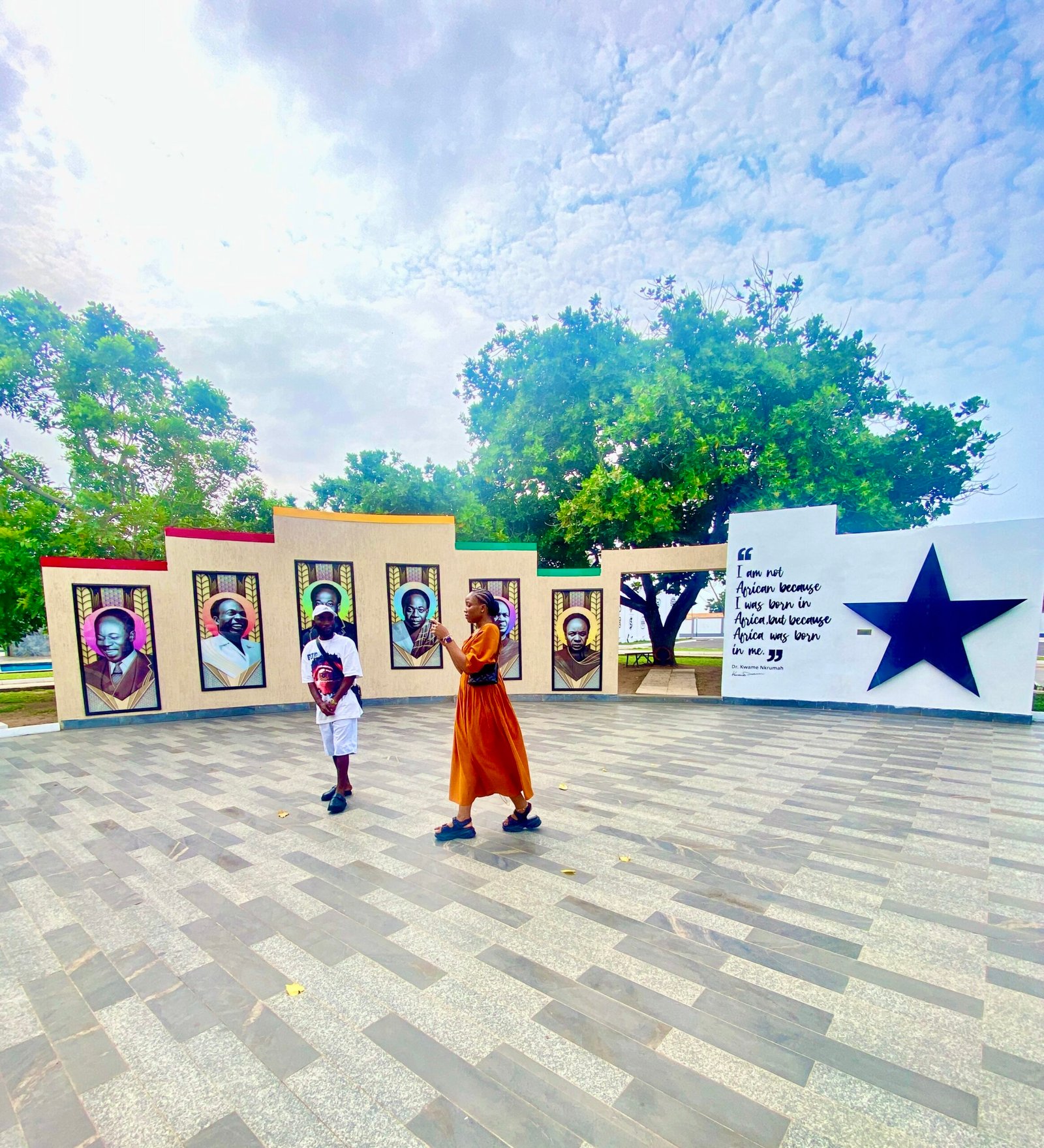
Do not miss the Kwame Nkrumah Memorial Park. It serves as a central cultural landmark and offers deep insight into Ghana’s path to independence. The surrounding area is beautifully maintained, making it one of the most pleasant, relaxed spots within the city center. Another essential stop for art lovers is the Artists Alliance Gallery, which showcases some of the finest contemporary and traditional works from across West Africa.
Coastal Heritage and Natural Beauty
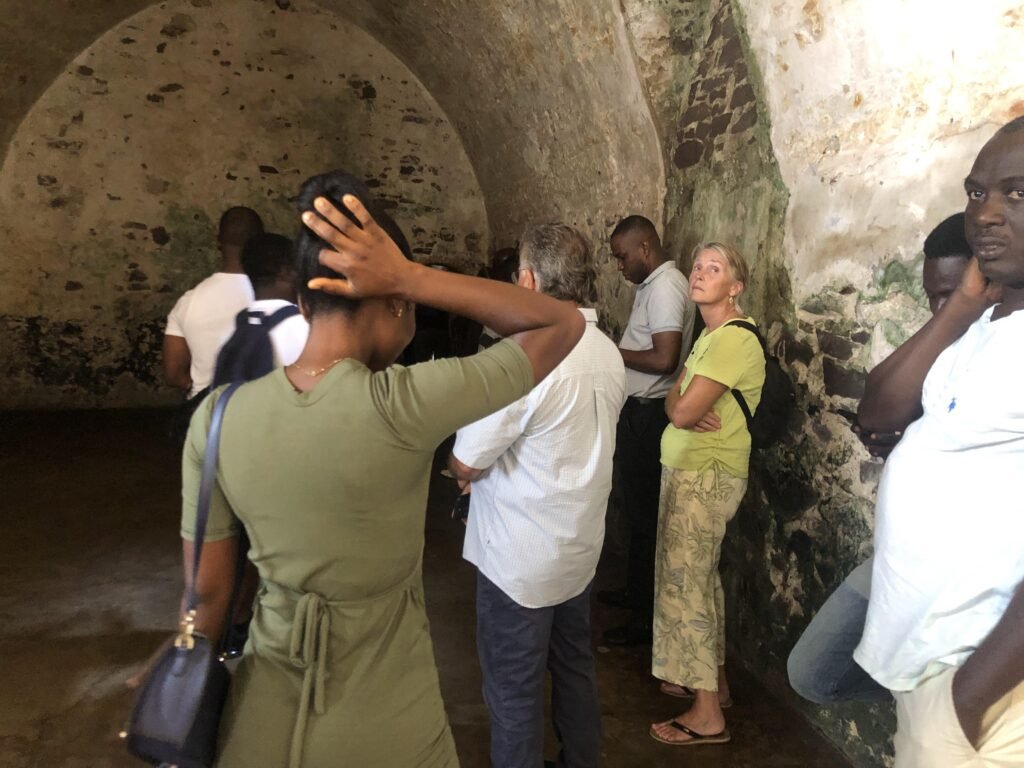
Moving away from the capital, the coast offers a poignant look at history. The Cape Coast and Elmina Castles are essential stops. While the subject matter is heavy, visiting these structures is a vital part of understanding the global history of the transatlantic slave trade. Many travelers find this experience profoundly moving and educational. These sites are UNESCO World Heritage monuments that demand respect and reflection.
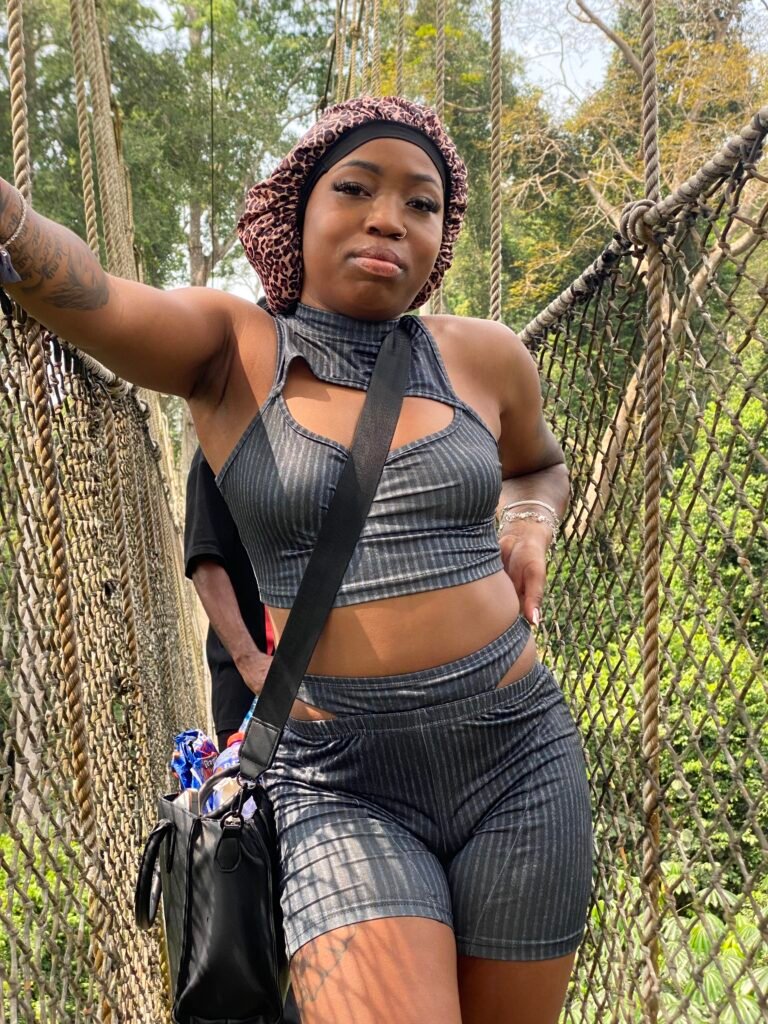
If you prefer nature, Kakum National Park is a short drive away. The famous canopy walkway offers a bird’s-eye view of the rainforest. It is an adrenaline-inducing activity that rewards you with incredible views of the diverse flora and fauna of the region. Nature reserves in Ghana like this one provide a necessary break from the urban sprawl of Accra.
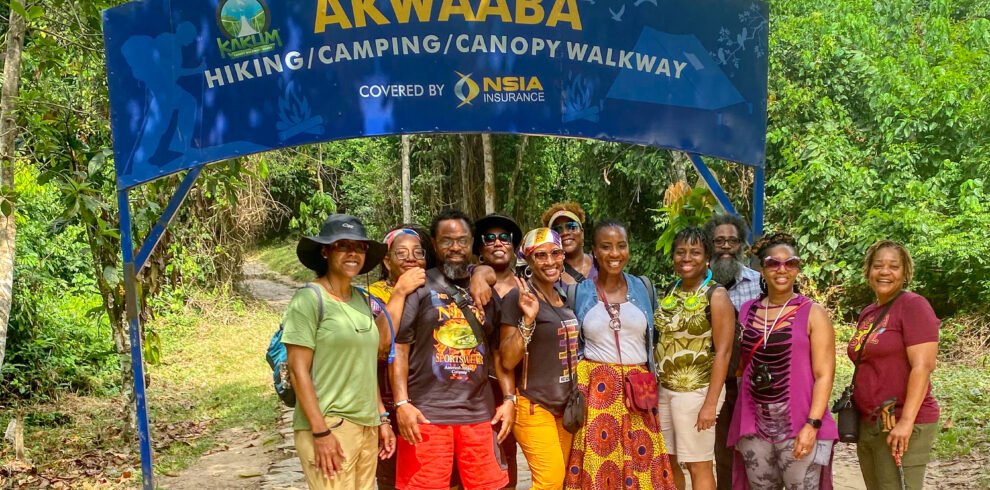
Discover Cape Coast Historical Tour First, three iconic landmarks—Cape Coast Castle, Elmina Castle, and Kakum National Park—weave compelling stories of…
Northern Adventures and Wildlife
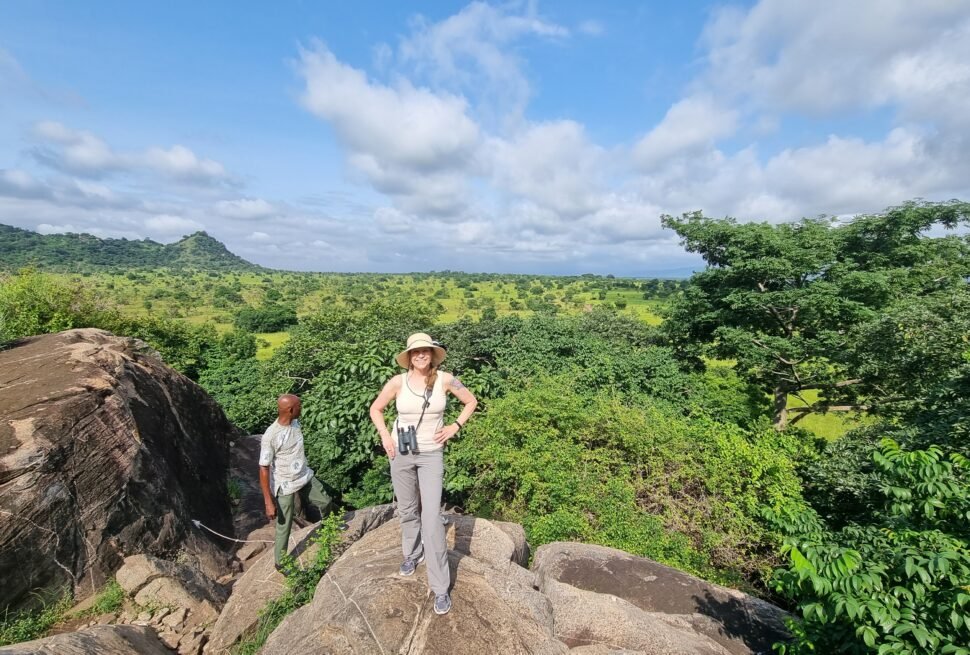
For those willing to travel further north, Mole National Park is a highlight of any Ghana travel guide. As the country’s largest wildlife refuge, it offers the chance to spot elephants, antelopes, and hundreds of bird species. The experience of walking through the park with an armed ranger is unparalleled. The dry landscape of the north offers a completely different aesthetic compared to the humid, forested south. When planning a trip here, ensure you allocate enough time, as the journey from Accra can take a full day by bus or a short domestic flight to Tamale.
Essential Logistics for Your Trip when considering fun places to visit in Ghana
Navigating the country requires patience and planning. Most locals rely on ‘tro-tros’—minibuses that cover almost every route imaginable. However, for longer distances, private air-conditioned buses are often more comfortable. Companies like VIP Jeoun provide reliable service between major cities like Accra, Kumasi, and Tamale. Always book your seat a day in advance at the station to ensure availability. Travel times can vary significantly based on traffic and road conditions, so always pad your schedule with extra time.
Regarding finances, most major sites have dual pricing. International visitors often pay a higher fee than local residents. Entry to major heritage sites like the castles can range from 50 to 150 GHS, while nature reserves often charge similar amounts plus additional fees for camera permits. Always carry sufficient cash in local currency, as credit card acceptance outside of major international hotels is limited. Street markets, transport stations, and small town shops operate almost exclusively on a cash basis.
For official information on current entry requirements, tourism guidelines, and site regulations, always consult the Ghana Tourism Authority website before you finalize your travel plans. They provide the most accurate details on park hours and potential service changes across the regions.
Safety and Health Tips when it comes to fun places to visit in Ghana
Ghana is generally safe for travelers, but standard precautions apply. Avoid walking alone at night in poorly lit areas and keep your valuables secure in crowded markets. If you are traveling as a family or as a solo adventurer, stick to well-known tourist routes and use reputable transport services. Most hotels are happy to arrange private drivers for daily excursions, which is a great way to ensure both safety and convenience. Using a licensed tour operator can also provide peace of mind when exploring rural areas or remote national parks.
Health-wise, malaria prophylaxis is highly recommended. Consult your doctor well before your trip to discuss vaccination requirements, such as Yellow Fever, which is mandatory for entry. Drink only bottled or filtered water and ensure your meals are piping hot. A simple first-aid kit, including rehydration salts and sunscreen, will serve you well. Most importantly, stay hydrated; the West African sun is quite powerful, even on cloudy days. Always wash your hands before eating, and opt for fruits that can be peeled yourself.
The Practicalities of Travel Planning
When creating your itinerary, remember that Ghana is a country of diverse experiences. If you arrive in Accra, spend at least three days acclimating before heading out. The humidity and the pace of the city can be overwhelming for those not used to tropical climates. Look for boutique guesthouses in areas like Osu or East Legon for a balance of comfort and proximity to key attractions. If you are interested in textiles and crafts, schedule a visit to the Ashanti Region near Kumasi, where the Kente weaving tradition remains a pillar of local culture. It is a fascinating addition to any cultural tour of the country.
Packing appropriately is also vital. While the coastal areas remain hot year-round, northern regions can experience cooler evenings during the harmattan season. Bring breathable cotton clothing, sturdy walking shoes for heritage sites, and a universal power adapter. Electricity is generally reliable, but power surges can occur, so a good surge protector or power bank is a smart addition to your gear. Respecting local customs is also key; dress modestly when visiting rural villages or religious sites to ensure positive interactions with the local communities.
Finally, connectivity is relatively easy to obtain. Purchasing a local SIM card (such as MTN or Vodafone) at the airport or in town is simple and provides reliable mobile data for maps and communication. Having a local number is often essential if you need to contact your guesthouse or driver during your travels. Being digitally connected will help you navigate the bustling markets and city streets with much greater confidence.
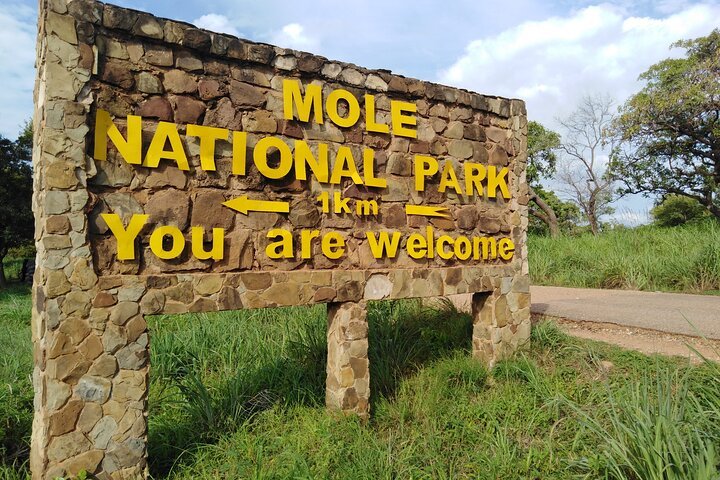
Experience the Best of Mole Park Wildlife Safari Mole Park Wildlife Safari is Ghana's largest game park, providing the ultimate…
Frequently Asked Questions (FAQ) for fun places to visit in Ghana
The best time to visit is during the dry season, from November to March. The weather is more comfortable for outdoor activities, and the humidity is lower, making it ideal for visiting nature reserves and walking tours.
The most reliable way is by using intercity bus companies like VIP Jeoun or STC. They offer fixed schedules and are generally more comfortable than the informal tro-tro system, providing a safer and more predictable travel experience.
Yes, most international travelers require a visa. It is important to check the entry requirements with your local Ghanaian embassy or consulate well in advance of your departure date to ensure you have all necessary documentation.
Yes, English is the official language of Ghana. You will find that communication is straightforward in cities, tourist areas, and among the younger population across the country, making travel much easier for international visitors.
Pack lightweight, breathable cotton clothing, a comfortable pair of walking shoes, a high-quality insect repellent containing DEET, and a reliable power bank. Do not forget to bring a universal travel adapter for your electronic devices.