TL;DR — The Adventurer’s Summary:
Exploring authentic Ghana food requires understanding local street prices, cash payment norms, and government hygiene permits. While dishes like jollof rice and waakye offer rich flavors, prices vary from GHⱳ15 for basic roadside plates to GHⱳ60+ for fully loaded portions. Always confirm vehicle assignments, bottled water sources, and vendor permit status before traveling.
Experiencing Ghana food offers a rich culinary journey through West Africa. Our local ground team at Best of Africa Travels operates out of Tema. We structure every itinerary around transparent costs, verified vehicles, and authentic local dining hubs.
Ghana Food Safety, Prices, and Local Dining Logistics
Planning a culinary tour in Ghana involves practical preparation. Food safety remains a primary consideration for international travelers. Consequently, understanding government regulations helps ensure a smooth trip.
In Ghana, the Food and Drugs Authority (FDA Ghana) inspects food service establishments. The agency issues Food Hygiene Permits and Street Food Vendor Permits. As of October 2026, operating an eatery without an official permit is illegal. However, compliance across informal street stalls varies. Therefore, travelers should choose busy vendors with high food turnover. Look for visible permits and freshly cooked, piping-hot dishes.
Local dining costs span distinct price tiers. Basic street food or a plain ball of kenkey costs between GHS 5 and GHS15. Meanwhile, a fully loaded waakye plate with beef, egg, plantain, and fish ranges from GHS 25 to GHS 60. At mid-range traditional restaurants in Accra or Osu, main courses cost between GHS 100 and GHⱳ150 ($7.00 to $10.50 USD). In addition, payment norms also differ across venues. Street food vendors and informal chop bars accept cash in Ghana Cedis (GHS) exclusively. Established restaurants and tour offices accept credit cards like Visa and Mastercard. Moreover, people widely use local Mobile Money (MTN MoMo) throughout the country.
Popular Ghana Food Classics and Street Eats
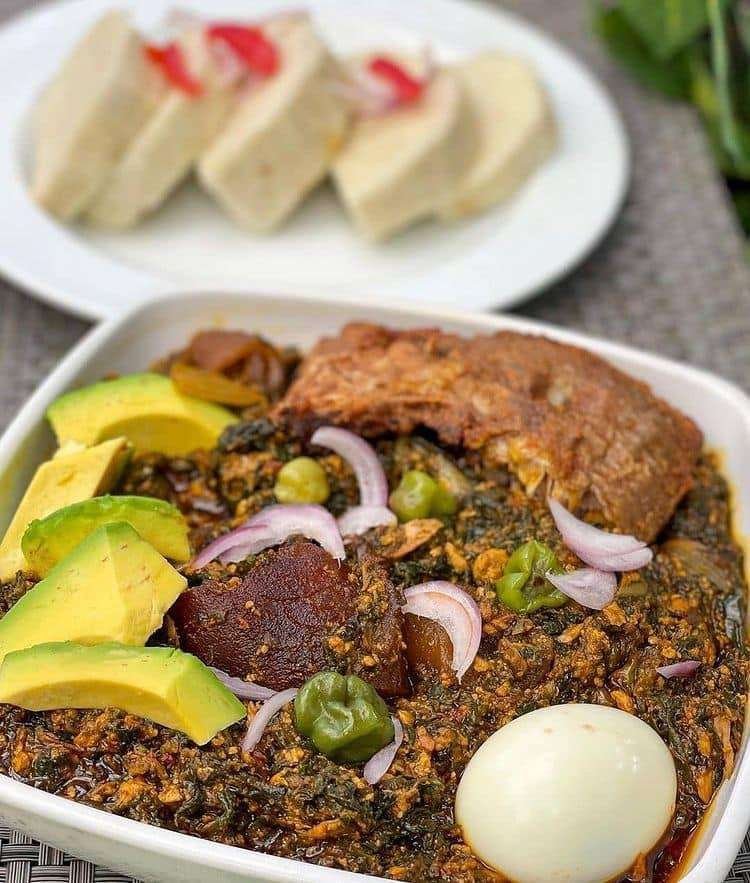
Visitors frequently ask about the single Ghana national dish. In reality, Ghana does not designate one official national dish by law. Instead, several traditional dishes hold national iconic status across different regions.
People widely celebrate Jollof rice across West Africa. Ghanaian jollof features jasmine rice cooked in a spiced tomato stew. Restaurants and home cooks often serve it with grilled chicken, fried plantains, and shito pepper sauce. When exploring African food Ghana offers diverse grain and starch dishes.
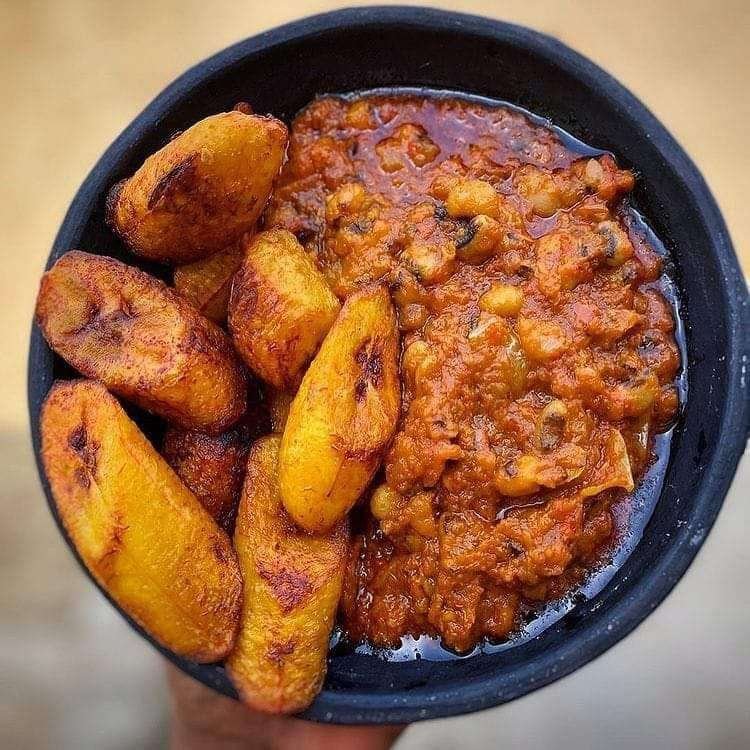
Waakye is another beloved staple that combines rice and black-eyed peas cooked with sorghum leaves. It is a dominant choice when sampling popular food in Ghana for breakfast or lunch. Furthermore, red-red combines black-eyed pea stew with red palm oil and fried ripe plantains.
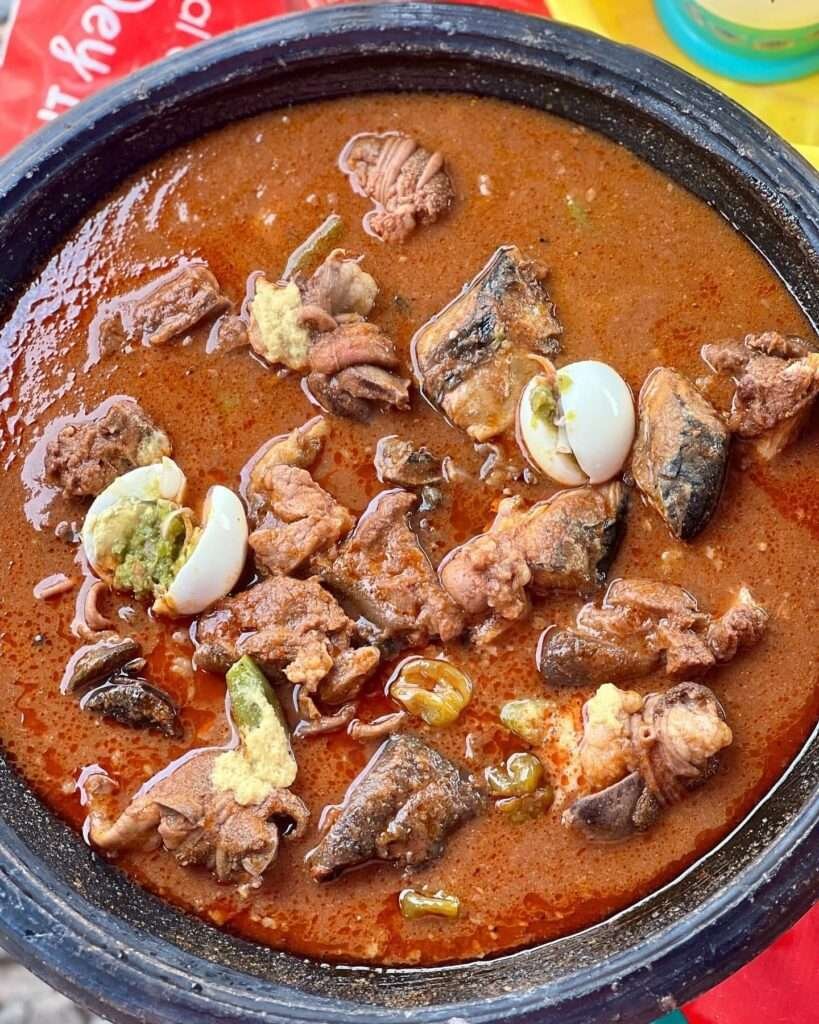
Coastal regions emphasize seafood and fermented maize. Banku paired with grilled tilapia and hot pepper sauce reflects local fishing heritage. Fufu, made from pounded cassava and plantains, is served alongside light tomato soup or peanut soup (nkatie nkwan). Meanwhile, northern regional cuisine features grain-based staples such as tuo zaafi served with ayoyo green vegetable soup. Understanding these regional variations reveals why no single item serves as the exclusive national food of Ghana.
For visitors seeking an immersive experience, our Authentic Ghanaian Cooking Class provides hands-on market visits and traditional preparation lessons. You can also explore our detailed Accra food tour guide to plan market walks through Makola and Osu.
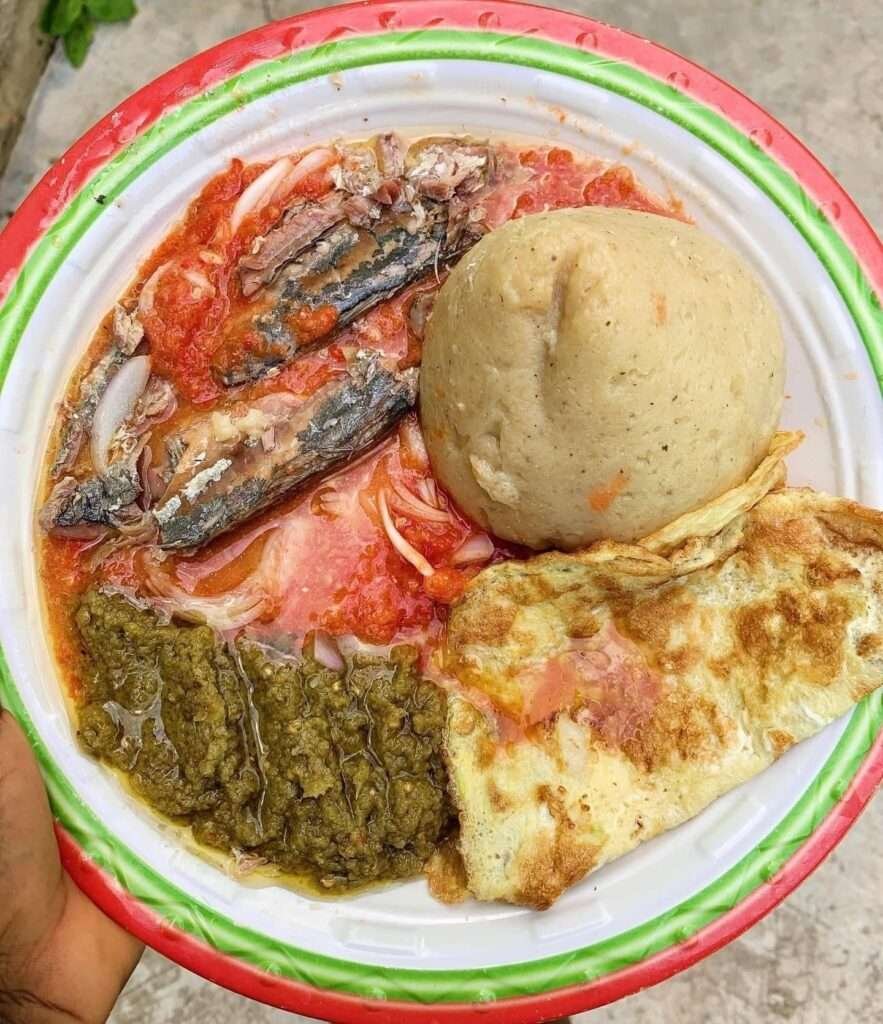
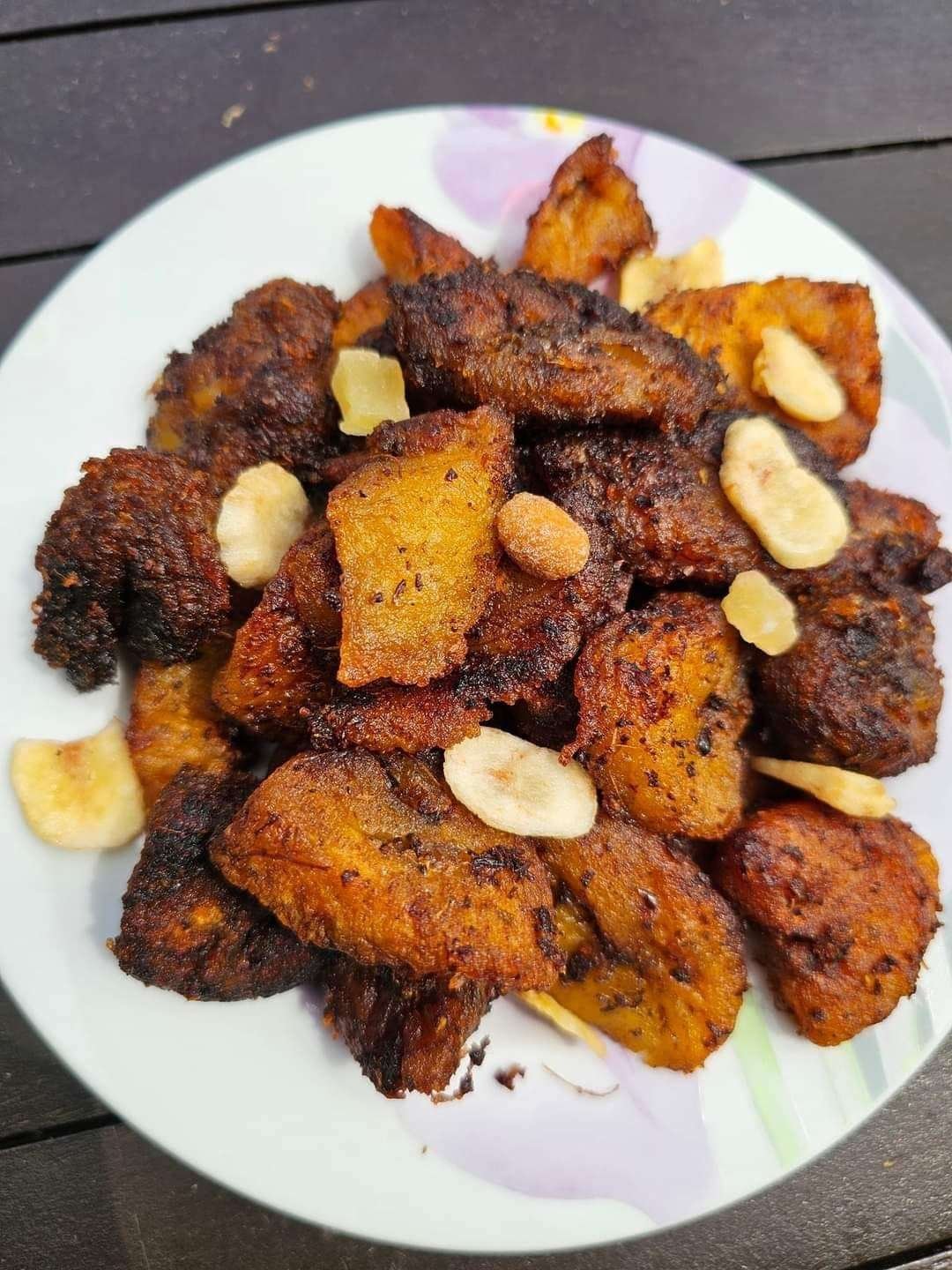
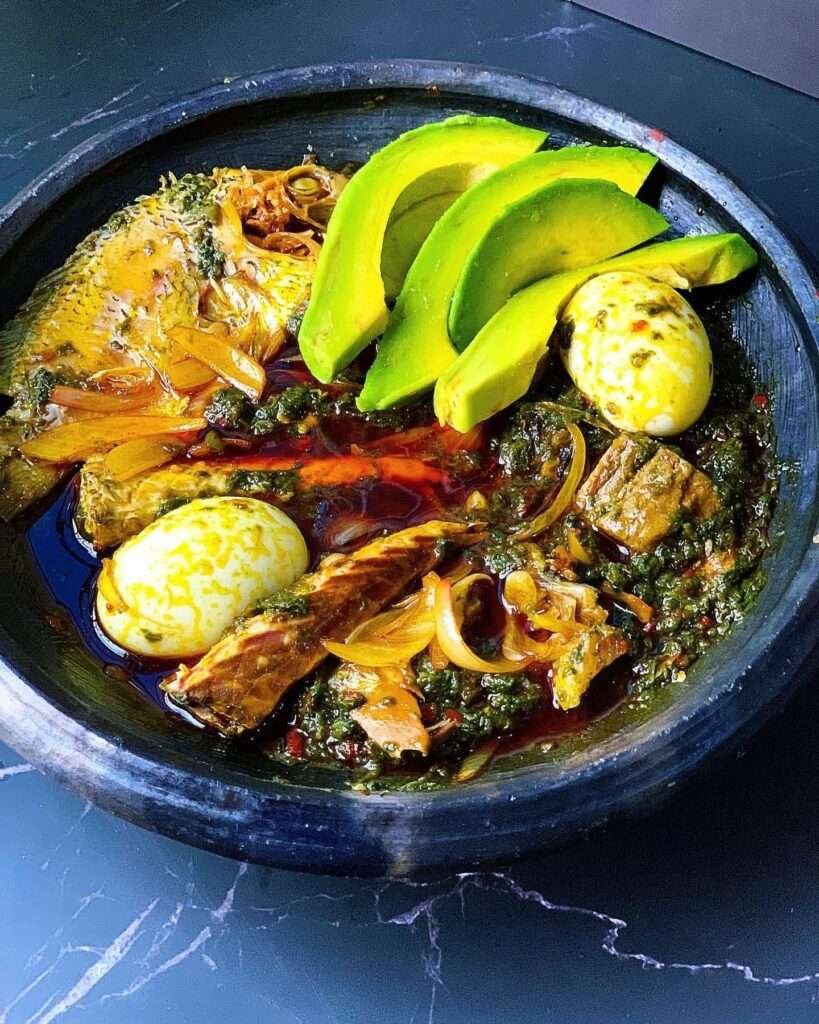
Comparing Ghanaian Food Options and Price Tiers
To help you budget accurately, our ground team compiled current price ranges and logistics across dining venues in Ghana as of October 2026.
| Venue & Dish Type | Typical Price Range (GHS) | Equivalent USD Range | Accepted Payment Methods | Operational & Hygiene Notes |
|---|---|---|---|---|
| Street Vendors (Waakye, Kelewele, Kenkey) | GHⱳ5 – GHⱳ35 (Basic) / GHⱳ35 – GHⱳ60+ (Loaded) | $0.35 – $2.50 / $2.50 – $4.20 | Cash (GHS) Exclusively | Look for FDA vendor permits. Select busy stalls with freshly cooked food. |
| Informal Chop Bars (Banku, Fufu & Light Soup) | GHⱳ25 – GHⱳ60 | $1.75 – $4.20 | Cash (GHS), Local MoMo | Handwashing stations provided. Cash is required for all orders. |
| Mid-Range Restaurants (Goat Jollof, Okra Stew) | GHⱳ100 – GHⱳ150 (Mains) | $7.00 – $10.50 | Visa, Mastercard, Cash (GHS/USD) | Sit-down dining with air conditioning. Card processing surcharges (3-5%) may apply. |
| Guided Food Tours & Cooking Classes | Package Pricing (Inclusions Stated) | Varies by group size | Card, Bank Transfer, Cash, Payment Link | Offered by Best of Africa Travels. Includes transport, guide, and entry fees. |
Whether you choose street food or traditional dining, knowing what is the Ghana national food helps you navigate local menus with confidence.

Discover Authentic Ghanaian Cooking Class & Take Out Tour What to Expect in Our Cooking Class First, our Authentic Ghanaian…
Before You Book: 10-Point Ghana Food & Tour Operational Checklist
Before confirming your culinary tour or travel itinerary in Ghana, review this 10-point operational checklist with your operator:
- Price Basis & Currency: Confirm whether quotes are itemized in Ghana Cedis (GHS) or USD. Verify what extra toppings cost for street meals like waakye.
- Vehicle Specifications: Check your vehicle assignment. Smaller groups (1-3 guests) use a compact sedan such as a 2019 Toyota Yaris. Medium groups (4-6 guests) require a 2018 Toyota Voxy mini-MPV. Larger groups or multi-day tours utilize a 2019 Toyota Hiace van. All vehicles feature working air-conditioning.
- Luggage Boot Space: Verify that luggage capacity matches your group. Compact sedans fit two medium bags, while Toyota Hiace vans accommodate up to eight large suitcases.
- Pickup Coordinates & Buffers: Establish precise pickup times. Build a 45-minute traffic buffer for routes passing through congested areas like Kasoa or central Accra.
- Domestic Flight Schedules: For northern culinary trips to Tamale, check domestic flight availability with PassionAir or Africa World Airlines to avoid 12-hour road drives.
- Hotel Room Tiers: For multi-day packages, confirm that hotel room categories and breakfast inclusions are specified in writing.
- Complete Tour Inclusions: Confirm that all entrance fees and market tasting costs are included. At Ghana tour packages, all site entry fees are fully covered so clients face no surprise charges.
- Payment Terms & Channels: Verify accepted payment options. Best of Africa Travels accepts GHS cash, USD cash, bank transfers, credit cards, and online payment links. Best of Africa Travels is registered under ORC number CS084180425 (GTA licence currently in process).
- Emergency Contingency SLA: Confirm replacement transport terms. Our hired vehicles carry valid roadworthiness, commercial licensing, and insurance documentation, supported by prompt backup dispatch protocols.
- Direct 24/7 Guide Contact Lines: Ensure you have direct phone contacts for your lead guide and driver team, including Enoch, Hamza, or Tobias.
Frequently Asked Questions About Dining in Ghana
Ghana does not designate one official national dish by law. However, jollof rice, waakye, fufu, banku, and kenkey are universally recognized as iconic national foods.
Street food is generally safe when purchased from busy stalls with high food turnover. Check for visible Food and Drugs Authority (FDA Ghana) permits and ensure meals are served piping hot.
A budget traveler eating street food and chop bar meals spends between GHⱳ50 and GHⱳ120 ($3.50 to $8.50 USD) daily. Dining at mid-range restaurants averages GHⱳ150 to GHⱳ300 ($10.50 to $21.00 USD) per day.
Local street vendors and chop bars operate strictly on a cash-only basis in Ghana Cedis (GHS). Major hotels, mid-range restaurants, and tour operators accept Visa, Mastercard, and bank transfers.
Groundnut paste and dried fish powder are common base ingredients in soups and stews. Travelers with severe peanut or seafood allergies should notify their guide in advance to arrange safe dining alternatives.
For custom itineraries and expert local guidance, Contact Best of Africa Travels today.

About the Author: Carl Grant Acquah
Carl is the technical brain and on-the-ground adventurer at Best of Africa Travels. As our Webmaster and SEO lead, he builds custom web apps and business automation systems (including the blogging tool behind this site). Off-screen, Carl regularly hits the road to co-guide immersive Ghana tours alongside founder Enoch Osei.
Whether you want to book an unforgettable trip, collaborate on blogs and backlinks, or discuss your next business automation project, Carl is ready to connect.
Let’s Connect: Email | WhatsApp | LinkedIn | Instagram | Meet the Team | Full Profile
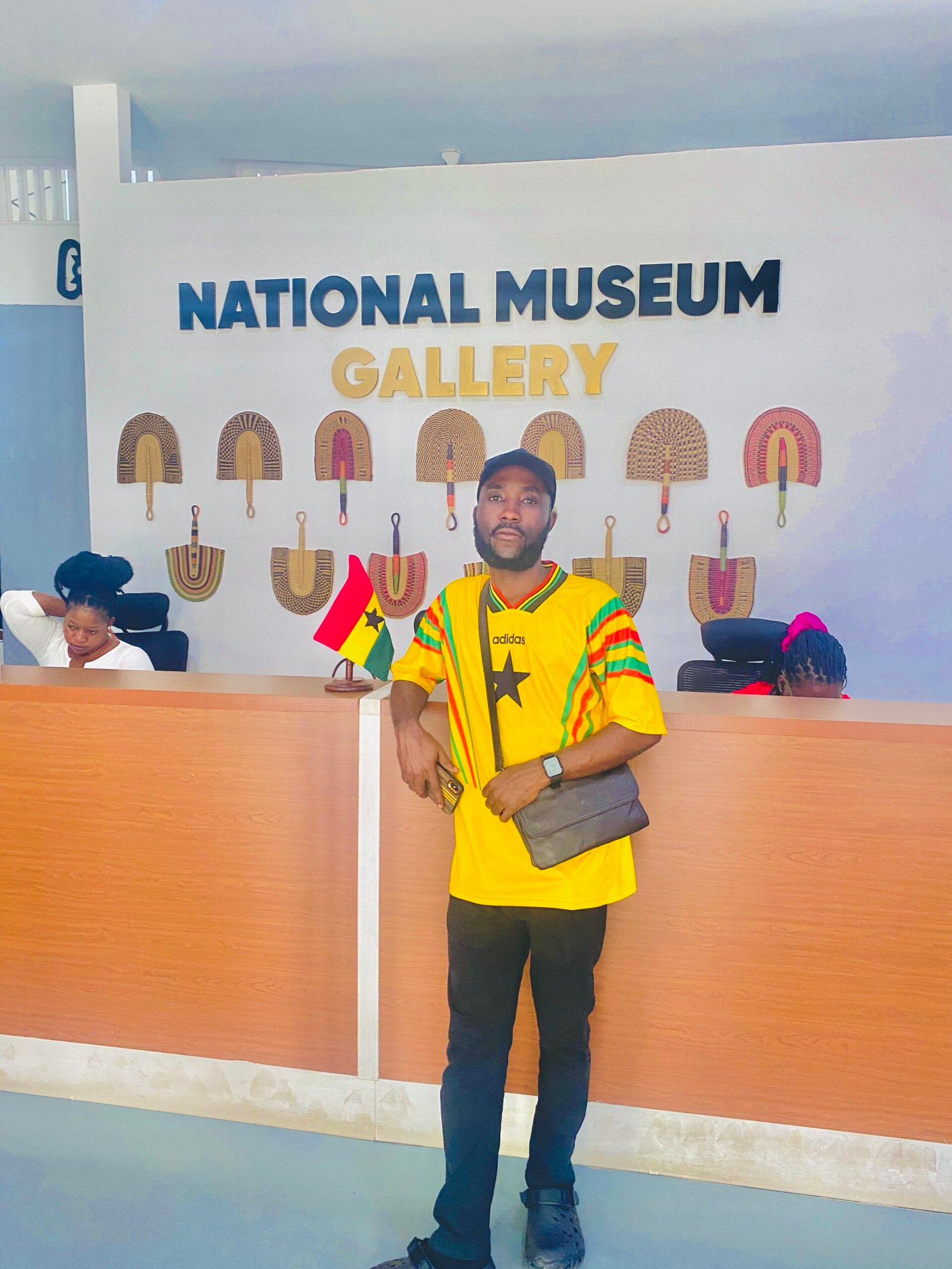
Meet the Founder: Enoch Osei
Enoch is the Founder, Manager, and lead Tour Operator at Best of Africa Travels. With 4 years of dedicated experience in the tourism industry, he specializes in logistics, uncovering hidden gems, and bringing Ghana’s rich history to life.
Enoch believes in going beyond the famous attractions to help travelers connect with the culture, people, and stories of Ghana. Whether curating a solo adventure or managing a corporate group, his goal is to provide a seamless journey filled with authentic, unforgettable Ghanaian hospitality.
Let’s Connect: Email | WhatsApp | LinkedIn | Instagram | TikTok | Full Profile