TL;DR: The Adventurer’s Summary
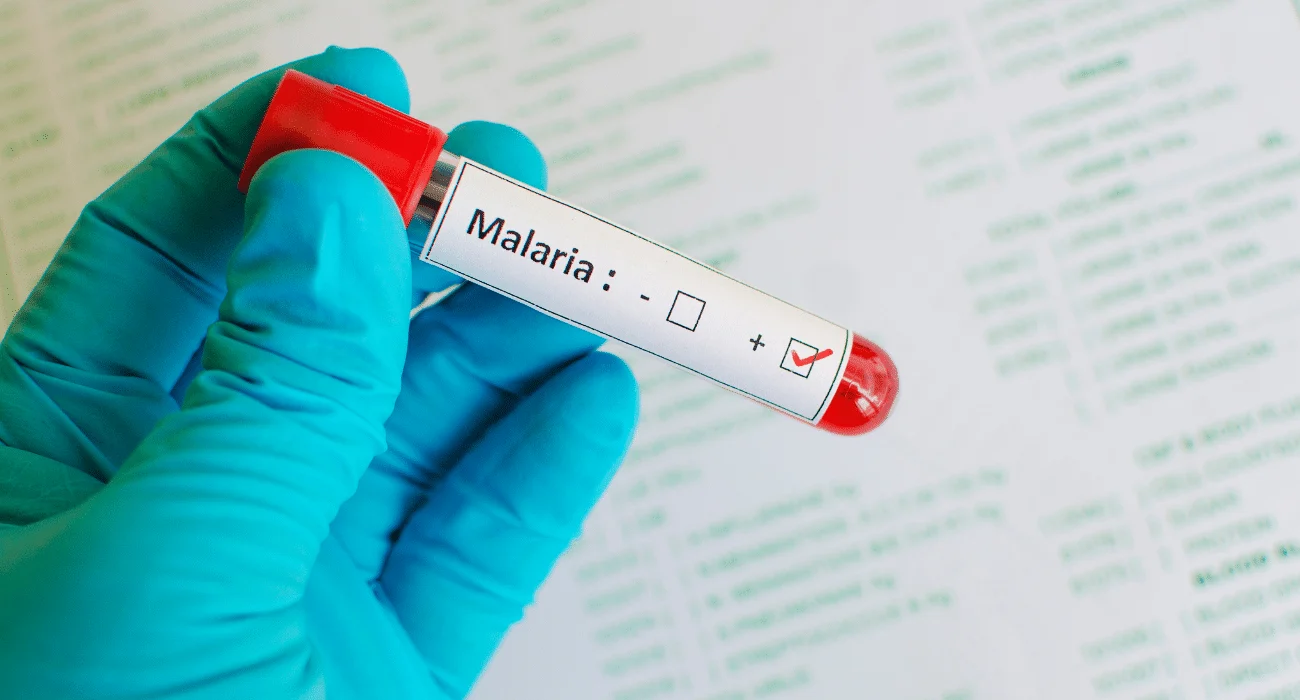
Malaria is present throughout Ghana. Consult a travel clinic at least six weeks before departure to discuss your options for Ghana malaria prophylaxis. Combine your prescription with rigorous bite prevention, such as using DEET-based repellents and sleeping under treated nets. If you experience symptoms while in remote areas, seek local medical care immediately.
Ghana is a vibrant destination offering everything from the bustling markets of Accra to the lush canopy walkways of Kakum National Park. However, keeping your health in focus is essential for a smooth experience. Understanding the nuances of Ghana malaria prophylaxis is a critical step in your pre-departure planning. Because the parasite is endemic to the region, taking a proactive approach to your health allows you to focus on the sights rather than worrying about preventable illnesses.
Understanding Ghana Malaria Prophylaxis Options
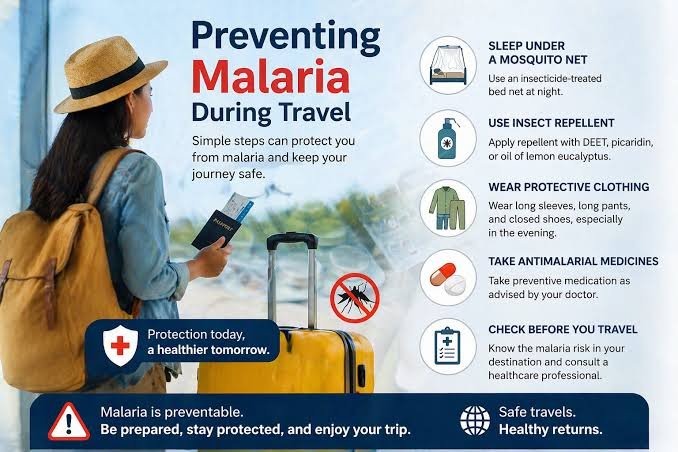
Malaria prevention relies on a multi-layered strategy. While medication is a central component, it is never a guarantee of total protection. Your doctor will likely discuss different types of prescription medicine based on your medical history, trip duration, and the specific regions you plan to visit. It is essential to start your consultation well before your flight, typically at least six weeks prior, to ensure your body adjusts correctly to the chosen chemoprophylaxis.
Common options include Atovaquone/Proguanil, Doxycycline, or Mefloquine. Each has unique benefits and side effect profiles. Some travelers prefer a daily pill, while others opt for medication that starts shortly before arrival. Your choice of Ghana malaria prophylaxis should be tailored specifically to your needs. Always finish the entire course as prescribed, even after you return home, to ensure full effectiveness against the malaria parasite.
Bite Prevention: Your First Line of Defense considering Ghana malaria prophylaxis
Medication is only half the battle. Preventing mosquito bites is equally crucial for your traveler health. The mosquitoes that transmit malaria in Ghana are typically active from dusk until dawn. Consequently, you must adjust your habits during these hours to minimize your exposure.
Prioritize high-quality repellents. Look for products containing at least 20-30% DEET or Picaridin. Apply these liberally to any exposed skin once the sun begins to set. Furthermore, wearing long-sleeved shirts and trousers provides a physical barrier against bites. If possible, treat your clothing and gear with permethrin before you leave home. This creates a lasting barrier that remains effective even after multiple washes.
Indoor protection is just as important. Most reputable hotels and guesthouses provide air conditioning or ceiling fans, which help deter mosquitoes. Additionally, always check for holes in window screens or bed nets. If you are staying in a rural area, carrying a portable, permethrin-treated mosquito net can provide significant peace of mind. For more insights on staying secure, read our guide on essential safety tips for solo travel in Ghana.
Managing Side Effects in Remote Areas when it comes to Ghana malaria prophylaxis
Travelers sometimes experience mild side effects from their preventative medication. These might include nausea, vivid dreams, or increased sun sensitivity, depending on the specific drug used. Managing these while traveling requires careful preparation. If your medication causes stomach upset, try taking it with a substantial meal. Staying hydrated is also vital, especially in the tropical heat of West Africa. We recommend carrying a simple “traveler health kit” that includes electrolytes, anti-nausea medication, and basic antiseptic supplies.
If you encounter significant discomfort, do not stop your medication without speaking to a medical professional. If you are far from a major medical center, try to contact your travel clinic via email or phone for advice. Keep a physical copy of your prescription and a doctor’s note detailing your regimen in your daypack. This ensures that any local doctor you consult has full visibility of your medical history, minimizing the risk of adverse drug interactions.
Discover Ada Nkyinkyim Museum Tour | Crocodile Island & Aqua Safari First, our Ada Nkyinkyim Museum Tour takes you on…
Local Accessibility and Costs in Ghana
You might wonder if it is easier to purchase antimalarials upon arrival in Ghana. While major cities like Accra and Kumasi have well-stocked pharmacies, relying on local supply chains for specific western-branded drugs can be risky. Availability of certain formulations is not always consistent, and prices for imported medications can be high due to tariffs and scarcity. We strongly advise that you arrive with your full supply from home.
Local pharmacies are better utilized for minor, common health needs like rehydration salts, high-quality sunscreen, insect bite relief, or antiseptic creams. Always check the packaging for expiration dates if you purchase any health supplies locally. For official health guidelines and vaccination requirements, you should frequently consult the Ghana Health Service website for current local advisories.
When considering costs, factor in the price of your initial travel clinic consultation, the cost of the medication, and the purchase of high-quality bite prevention gear. While these expenses might seem significant, they are a small fraction of your overall trip cost compared to the medical risks of untreated malaria.
Recognizing Symptoms and Seeking Care
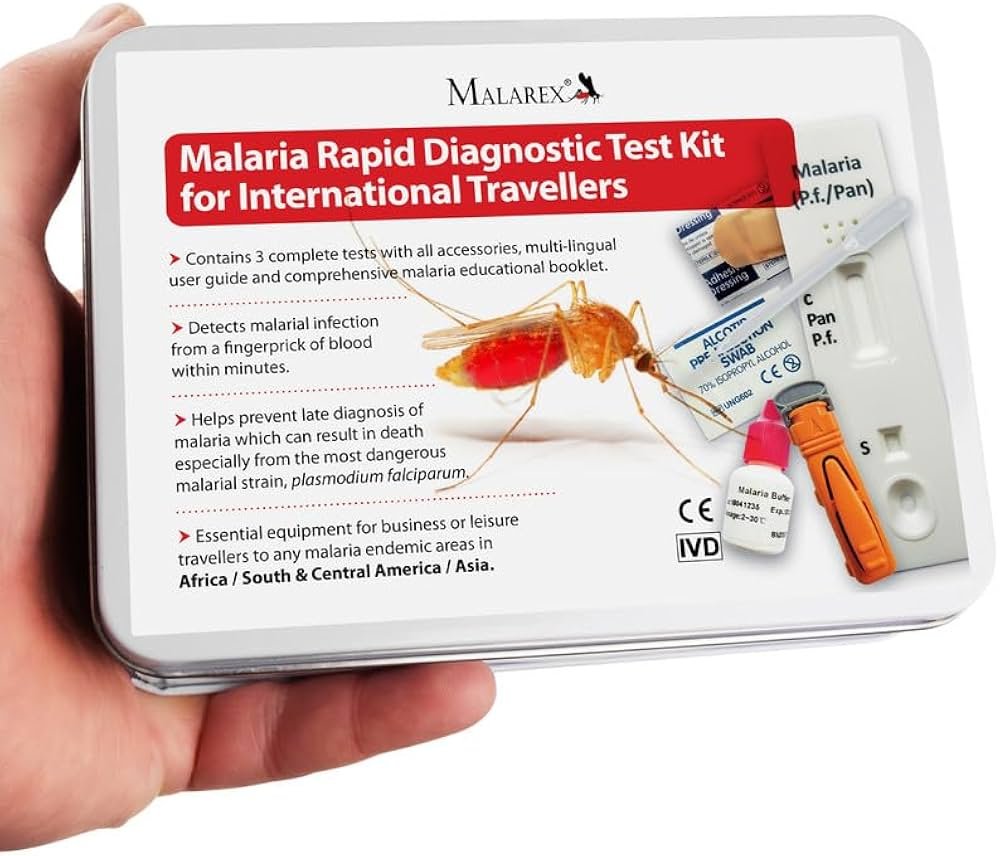
Despite your best efforts, you must remain vigilant. Malaria symptoms often mirror those of the flu, including fever, chills, body aches, and fatigue. Because these symptoms can appear up to a year after leaving a malaria-endemic zone, always mention your travel history to any doctor you see after returning home. If you feel unwell while in Ghana, seek medical attention immediately. Early diagnosis and treatment are critical. There are many reliable, professional clinics in regional centers throughout the country. Do not wait for symptoms to worsen; if you are on an organized tour, notify your guide immediately, as they are experienced in assisting travelers who require medical assessment or transport to a larger facility.
Maintaining a high level of situational awareness is vital. In Ghana, urban areas have improved healthcare, but rural travel requires you to be self-sufficient. Keep your contact list updated with the numbers of local clinics and your travel insurance company’s emergency hotline. A proactive approach to your health, combined with adherence to your chosen prophylaxis, will ensure you have a safe, memorable adventure across this fascinating West African nation.

Discover Akosombo Boat Cruise & Shai Hills Safari | Ghana Tour Overview Experience an Akosombo Boat Cruise & Shai Hills…
Frequently Asked Questions (FAQ) for Ghana malaria prophylaxis
Yes. The risk of transmission is present year-round throughout the entire country. Regardless of how short your stay is, chemoprophylaxis is highly recommended by travel health experts.
There are no proven natural alternatives that provide the same level of protection as prescription antimalarials. Always follow the specific advice of a certified travel health specialist.
Keep your medication in a cool, dry place. Avoid leaving it in direct sunlight or inside a hot car, as extreme temperatures can degrade the effectiveness of the drugs.
Mosquitoes that carry malaria are most active from dusk until dawn. This is the period when you must be most diligent about using repellents and wearing protective clothing.
Consult the patient information leaflet that came with your specific medication or call your travel clinic. Generally, you should take the missed dose as soon as you remember, unless it is nearly time for your next scheduled dose.
While some pharmacies carry them, they may not stock your specific prescribed brand. It is significantly safer and more cost-effective to bring your full course of medication from home.