
TL;DR — The Adventurer’s Summary:
Rural Ghana is remarkably welcoming, and violent crime against tourists is rare. However, the main risks are logistical, including unpaved road hazards, poor street lighting, and strict health protocols. Always plan daylight transit, secure your entry visa or emergency pre-approval prior to departure, and carry Ghanaian Cedis or Mobile Money for rural purchases.
Many international travelers planning an itinerary beyond Accra frequently ask: Is Ghana safe for white tourists in rural regions? The short answer is yes. However, navigating the countryside safely requires clear road logistics, respect for local customs, and verified entry information rather than generic travel claims.
In major urban centers like Accra or Kumasi, travelers primarily encounter petty theft or traffic delays. Conversely, rural village life functions on close community bonds. Foreign visitors stand out immediately as guests. As a result, local social structures create an informal safety net, as community members feel a cultural duty to protect visitors.
Therefore, being a visible outsider usually brings friendly curiosity rather than safety threats. In addition, understanding local etiquette transforms potential awkwardness into genuine hospitality.

Is Ghana Safe for White Tourists in Rural Regions? Unvarnished Ground Truth
When evaluating safety in the backcountry, road hazards and regional security warnings require far more attention than personal crime. For example, official travel advisories from the UK FCDO warn against travel to Bawku Municipal in the Upper East Region due to localized conflict. In addition, specific highways, such as the Nasia–Walewale–Bolgatanga stretch, carry heightened security advisories.
Consequently, professional tour operators continuously monitor official police and government security updates. Furthermore, responsible ground teams adjust routes immediately if local curfews or security alerts occur.
Beyond regional alerts, nighttime road transit is the single largest physical risk in rural districts. According to the National Road Safety Authority, Ghana recorded 9,626 road crashes between January and August 2025. Poor street lighting, unlit heavy trucks, and stray livestock make night driving hazardous.
Therefore, statutory guidelines from the Ghana Driver’s Guide set a default rural speed limit of 90 km/h. Drivers must also take a 30-minute rest break after four continuous hours of driving. To ensure maximum safety, our ground team enforces strict daylight-only transit schedules.



Entry Visa Rules and Health Entry Protocols
Navigating Ghana’s entry requirements requires verified facts rather than outdated blog posts. For example, travelers must obtain an entry visa before departure via Ghanaian diplomatic missions or the official online portal.
While marketing sites often claim travelers can easily purchase a Visa on Arrival (VoA), official rules from the Ghana Immigration Service (GIS) treat VoA as an emergency mechanism. This process strictly requires an advance pre-approval letter submitted by a registered host or tour operator. Attempting to board a flight without a valid visa or an emergency pre-approval letter will result in boarding denial by your airline.
Health entry protocols are equally strict. Per World Health Organization guidelines, proof of Yellow Fever vaccination is mandatory for all inbound travelers aged 9 months and older. Port Health officers inspect these cards at Kotoka International Airport prior to immigration clearance. In addition, under International Health Regulations, a Yellow Fever card is valid for life, so boosters are not legally required for re-entry.
Essential Logistics and Entry Requirements Overview
| Category | Official Requirement / Standard | Operational Ground Reality |
|---|---|---|
| Entry Visa | Standard visa via mission/e-Visa portal; Emergency Visa fee is US$200. | Visa on Arrival strictly requires advance GIS pre-approval letter; obtain before flying. |
| Yellow Fever | Mandatory Yellow Card for all travelers aged 9 months and older. | Inspected at airport counter; card remains valid for lifetime without boosters. |
| Rural Transit | Default rural speed limit of 90 km/h; mandatory 30-min rest every 4 hours. | Daylight travel mandatory; avoid unlit rural roads after dark. |
| Rural Payments | Cash (GHS) and Mobile Money (MTN MoMo / Telecel Cash). | 0% card acceptance in rural villages; carry small Cedi bills and set up MoMo. |
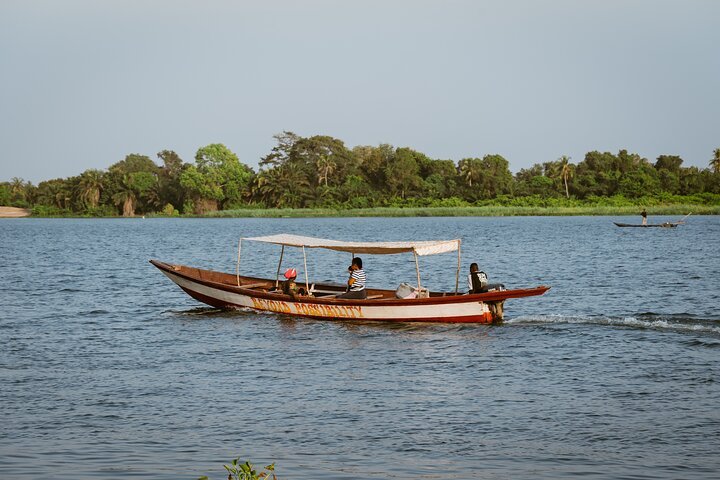
Volta Region Nature Tour, first, our team picks you up early at any location in Accra. Before starting the drive,…
Cultural Protocols, Entrance Tokens, and “Obroni” Attention
Cultural sensitivity builds immediate trust in rural villages. When visiting small communities, paying a courtesy call to the local village chief or traditional council is standard custom. However, travel guides rarely mention that presenting yourself requires a customary entrance token.
Specifically, custom dictates presenting a bottle of schnapps or a modest cash token (typically GHS 50 to GHS 150) to the chief’s elders. An experienced local guide handles this mediation smoothly so you are welcomed as an honored guest.
In addition, white travelers will frequently hear children and locals call out “Obroni!” (in Akan-speaking areas) or “Yovo!” (in the Volta Region). This call simply means “foreign visitor”. While entirely friendly, constant public attention can occasionally cause social interaction fatigue. Taking short breaks in quieter settings helps maintain your energy.
Always use your right hand when shaking hands, passing items, or eating. Furthermore, dress modestly by covering your shoulders and knees when visiting traditional elders. Finally, always ask for permission before taking photographs of community members.

Ground Transportation, Financials, and Mobile Connectivity
Reaching rural sites like Wli Waterfalls or Mole National Park requires appropriate vehicle selection. Compact sedans work fine on paved highways between major hubs. Meanwhile, unpaved secondary tracks require high-ground-clearance vehicles or 4WD minibuses to manage potholes and seasonal corrugations.
Financial logistics also change outside major cities. Credit cards are accepted at upscale hotels in Accra or Kumasi, but card acceptance drops to 0% in rural villages. Moreover, district ATMs frequently experience network downtime or run out of cash.
Consequently, carrying local currency (Ghanaian Cedis) in small denominations is essential. Small village vendors cannot easily break GHS 100 or GHS 200 notes. In addition, Mobile Money (MTN MoMo) is widely used across rural Ghana. Travelers can easily set up a local SIM card and MoMo account using their passport upon arrival. Note that if you carry US$10,000 or more in hard currency upon arrival, you must declare it at customs.
Mobile network coverage can drop to 2G or disconnect in deep valleys. Therefore, download offline maps before leaving main urban centers.
Addressing Common Concerns: Is Ghana Safe for White Tourists in Rural Regions?
Solo travelers often worry about safety or isolation in remote districts. However, solo travelers in Ghana often find it easier to connect with locals. Local hosts are naturally protective and helpful.
For extra peace of mind, avoid taking local motorcycle taxis (okadas) for long rural transit. Instead, rely on organized private transfers or licensed tour transport. Should a vehicle experience a mechanical delay, local mechanics (“fitters”) and vulcanizers quickly assist along major transit routes. Meanwhile, local operating teams maintain emergency contacts, including police emergency at 18555 and national accident response at 192.
Before You Book: 10-Point Operational Checklist
To ensure a seamless and safe journey across rural Ghana, verify these ten crucial operational details before confirming any tour booking:
- Price Basis: Confirm whether your quote is fixed or subject to seasonal adjustments, card fees, or exchange rate shifts.
- Vehicle Specifications & A/C: Verify that your vehicle matches your group size and terrain requirements, with functional air conditioning and working seatbelts.
- Luggage Boot Capacity: Ensure the vehicle has sufficient enclosed trunk space for all passenger bags on long rural transfers.
- Exact Pickup Coordinates: Confirm your exact pickup location, date, and time in writing prior to arrival.
- Domestic Flight Connections: Check luggage limits and transfer times if your itinerary includes domestic flights, such as Tamale routes.
- Hotel Room Tiers: Clarify room categories, private bathroom setups, and air conditioning status for rural guesthouses.
- Complete Inclusions & Exclusions: Verify that all site entrance fees, tolls, and driver allowances are included.
- Clear Payment Terms: Confirm accepted payment channels, deposit rules, and cancellation terms.
- Emergency Repair Contingencies: Ask about the operator’s driver communication protocols and backup vehicle dispatch plan for rural breakdowns.
- Direct 24/7 Guide Contact: Secure direct WhatsApp lines for your assigned local guide and central logistics coordinator before departure.
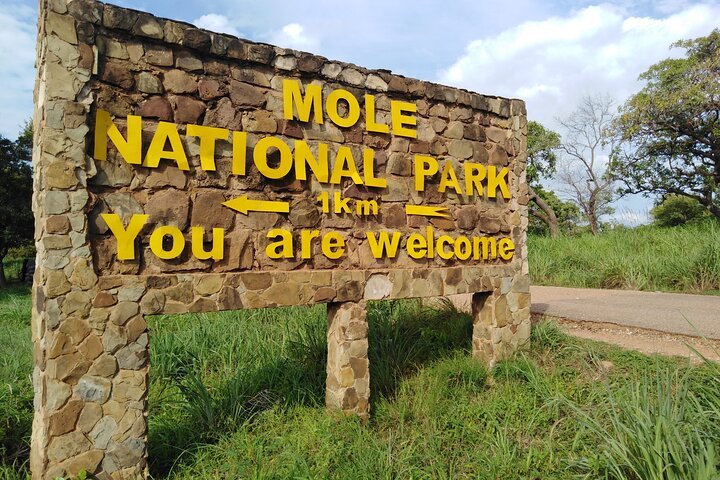
Experience the Best of Mole Park Wildlife Safari Mole Park Wildlife Safari is Ghana's largest game park, providing the ultimate…
Frequently Asked Questions
Yes, foreign visitors naturally stand out in smaller communities. However, this attention reflects genuine local curiosity and traditional hospitality rather than suspicion.
While independent travel is possible, hiring a local guide is highly recommended. A guide assists with regional language barriers, handles village chief protocols, and manages transit logistics efficiently.
Hiring a private vehicle with a professional local driver is the safest and most comfortable option. Avoid using commercial motorbikes (okadas) for long inter-city journeys.
Always drink bottled or purified water. In addition, eat freshly cooked, hot meals and avoid unpeeled raw fruits or vegetables in remote villages.
Yes, solo female travelers generally experience a safe and welcoming environment. Standard precautions apply: dress modestly, plan daylight arrivals, avoid unlit night walks, and trust your intuition.
Best of Africa Travels is a legally registered travel business based in Tema, Ghana. Our Ghana Tourism Authority (GTA) license application is currently in process. We arrange private and group itineraries tailored to group size, ensuring authentic cultural experiences, verified transport, and transparent pricing. All tour packages clearly itemize inclusions, and entrance fees are included in every package. Contact our team to plan your custom Ghana itinerary.

About the Author: Carl Grant Acquah
Carl is the technical brain and on-the-ground adventurer at Best of Africa Travels. As our Webmaster and SEO lead, he builds custom web apps and business automation systems (including the blogging tool behind this site). Off-screen, Carl regularly hits the road to co-guide immersive Ghana tours alongside founder Enoch Osei.
Whether you want to book an unforgettable trip, collaborate on blogs and backlinks, or discuss your next business automation project, Carl is ready to connect.
Let’s Connect: Email | WhatsApp | LinkedIn | Instagram | Meet the Team | Full Profile
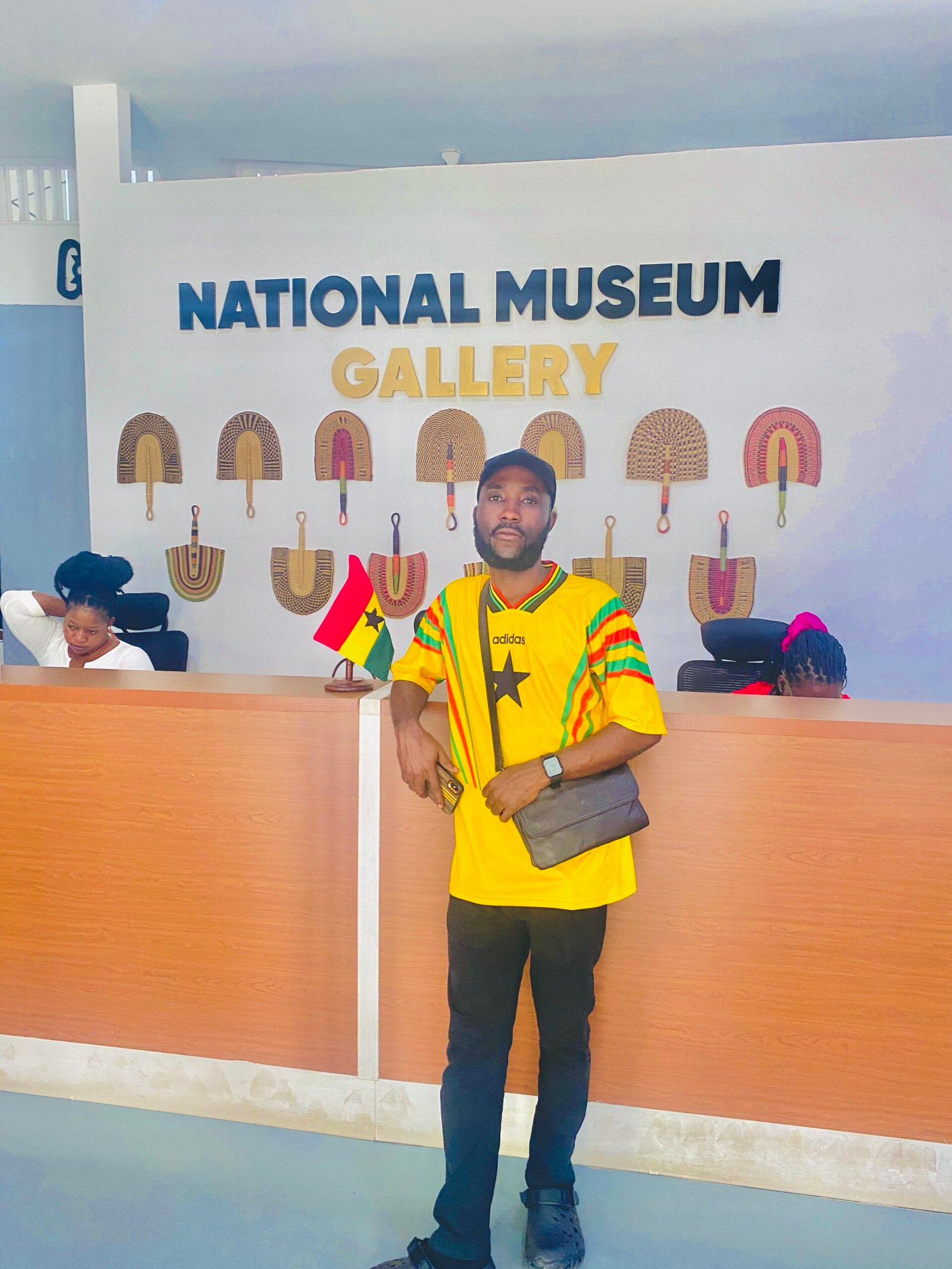
Meet the Founder: Enoch Osei
Enoch is the Founder, Manager, and lead Tour Operator at Best of Africa Travels. With 4 years of dedicated experience in the tourism industry, he specializes in logistics, uncovering hidden gems, and bringing Ghana’s rich history to life.
Enoch believes in going beyond the famous attractions to help travelers connect with the culture, people, and stories of Ghana. Whether curating a solo adventure or managing a corporate group, his goal is to provide a seamless journey filled with authentic, unforgettable Ghanaian hospitality.
Let’s Connect: Email | WhatsApp | LinkedIn | Instagram | TikTok | Full Profile