
TL;DR: The Adventurer’s Summary
Jamaica is currently experiencing a sustained surge in visitor numbers. This rise in travel, while signaling a strong recovery for the island’s economy, requires travelers to be more strategic with planning. Expect busier popular sites, higher demand for accommodation during peak windows, and a need for earlier booking windows to secure your preferred itinerary.
If you have been keeping an eye on recent Caribbean travel patterns, you likely recognize that the Jamaica tourism demand increase is no longer a temporary spike, but a stable new reality for the island. From the vibrant energy of Kingston to the laid-back rhythm of the North Coast, Jamaica is consistently welcoming higher volumes of visitors. This sustained growth reflects the island’s incredible resilience and its enduring status as a cornerstone of Caribbean tourism.

Understanding the Jamaica tourism demand increase
The current upward trajectory in visitor arrivals is fueled by a synergy of improved airline connectivity, aggressive marketing strategies, and the island’s unmatched cultural identity. When examining Jamaica arrival statistics, it is clear that current figures are not just meeting but often exceeding pre-pandemic benchmarks. A significant portion of this is driven by a massive US visitor market share, with travelers from North America flocking to the island for shorter, more frequent getaways.
As part of this shift, travelers are changing how they interact with the destination. It is no longer just about the traditional all-inclusive stay; there is a notable rise in interest toward cultural immersion and experiential travel. For those curious about the broader mechanics of how these shifts function, check out our guide on understanding modern travel impacts to see how your vacation choices influence the destination.
Infrastructure capacity and visitor growth
To manage this surge, Jamaica has invested heavily in infrastructure. The expansion of Sangster International Airport in Montego Bay is a prime example of the country’s proactive approach. By upgrading terminals and streamlining immigration processes, the airport aims to reduce the friction often associated with rapid increases in throughput. However, even with these upgrades, travelers should anticipate potential wait times during the peak winter months. This is a common aspect of Caribbean tourism growth that requires patience and a bit of flexible planning.
Beyond the airport, road infrastructure and utility capacity are being tested. Traffic around major corridors between Montego Bay and Ocho Rios can be dense. Local planners are increasingly prioritizing transit efficiency to ensure that the visitor experience remains high-quality even as numbers rise. For travelers, this means building in extra buffer time for transfers and relying on reputable, professional transportation services rather than attempting to navigate the roads without local expertise.
Economic impact and local community integration
A critical component of the Jamaica tourism recovery is how the economic benefits are distributed. There is a concerted effort by the local government and grassroots organizations to move beyond corporate hotel revenue retention. By promoting community-based tourism, Jamaica is encouraging visitors to spend their money in local markets, eat at family-owned restaurants, and hire community guides.
This decentralization of tourism spend is a win-win. It helps alleviate the strain on large resort corridors while providing a more authentic, intimate experience for the traveler. When you book a local artisan tour or visit a farm-to-table café in the Blue Mountains, you are contributing directly to the island’s long-term sustainability. This shift is not merely ethical—it is becoming a primary preference for the modern, conscious traveler who wants to engage with the destination in a meaningful way.
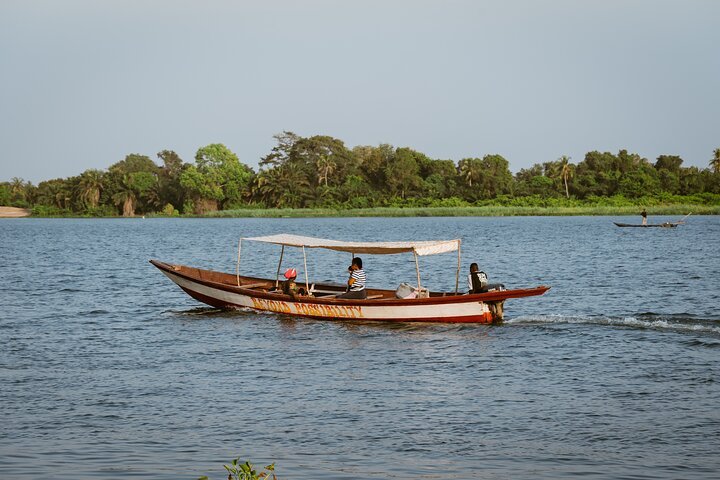
Volta Region Nature Tour, first, our team picks you up early at any location in Accra. Before starting the drive,…
Predictive forecasts for future travel quarters
What does the future hold for Jamaica? Predictive modeling suggests that demand will remain robust for at least the next several quarters. Airline capacity is currently at an all-time high, with more direct flights connecting the Caribbean to diverse global hubs. Seasonality, however, continues to play a significant role. While winter remains the peak season, we are seeing a flattening of the curve as travelers increasingly seek out the value and quieter atmosphere of the shoulder seasons—specifically May, June, and October.
Those looking for the best balance of weather and value should target these shoulder windows. You will find that resorts are more competitively priced, and the popular excursion sites—like the waterfalls and nature reserves—offer a more serene experience compared to the holiday rush. Airlines are expected to continue maintaining high flight frequencies, which provides travelers with more flexibility in scheduling their trips compared to previous years.

Qualitative shifts in traveler demographics
Data reveals a significant change in the demographic profile of visitors. We are seeing a younger, more adventurous cohort of travelers who prioritize nature, wellness, and culinary experiences over static resort vacations. These visitors are less concerned with staying inside a gated compound and more interested in exploring local hiking trails, culinary markets, and heritage sites. This demand for bespoke travel experiences is driving a diversification in the local service economy. And indeed, Jamaica tourism demand increase.
For official data regarding national tourism policies and updates on the sector, please refer to the official Jamaica Tourist Board website. They provide the most comprehensive assessments of regional developments and health/travel requirements for international guests.
Practical tips for navigating current travel trends
To make the most of your trip during this period of high demand, consider the following strategies:
- Book Early
For travel during peak times (December through April), secure your lodging at least six months out. Availability is tighter than in previous years.
- Seek Local Guides
Using local, certified guides for your excursions ensures that your money stays in the community and often results in a more curated, less crowded experience.
- Manage Your Expectations
With increased volume comes increased pressure on services. Maintain a relaxed, flexible mindset when dealing with transport or dining wait times.
- Diversify Your Stays
Consider staying in villas or eco-lodges outside of the major resort strips. This supports local communities and offers a unique perspective of the island
Frequently Asked Questions (FAQ) for Jamaica Tourism Demand Increase
Yes, absolutely. While the major resort beaches in Montego Bay are popular, you can easily find quieter, secluded spots by exploring the southern coast or the areas near Port Antonio. Renting a car or hiring a driver to take you off the beaten path is the most effective way to discover your own slice of paradise.
Due to the increased demand, prices have seen moderate inflation across the board. It is wise to set aside 15% to 20% more for your daily spending budget compared to pre-2019 figures. This will cover any unexpected price adjustments in dining, tours, and local transport services.
Visiting during the shoulder season—late spring or early autumn—is an excellent strategy. You will encounter fewer crowds, more competitive pricing, and a more relaxed atmosphere at local attractions, all while still enjoying the fantastic Jamaican climate.
Traffic congestion is more common in major tourist hubs now. Instead of relying on public transit, we recommend using pre-arranged private drivers or registered taxi services. This is safer, more reliable, and allows you to travel between destinations with comfort and minimal stress.
Jamaicans are famously hospitable and proud of their island. The local communities generally embrace the economic benefits of a vibrant tourism sector, provided that visitors remain respectful of the culture, environment, and local customs. Engaging with local business owners in a friendly, supportive manner is always well-received.