TL;DR: The Adventurer’s Summary
Staying informed with the latest Japan travel news is vital for a smooth journey. Recent shifts in entry requirements, local tax structures, and transit protocols require proactive planning. By understanding these updates, you can navigate local customs, manage your budget effectively, and ensure your safety during seasonal weather events.
Navigating the complex landscape of international tourism requires staying current, and recent japan travel news indicates significant shifts in how the country manages its rising visitor numbers. For travelers, this means adjusting expectations regarding logistics, budgets, and pre-departure preparation. Whether you are a first-time visitor or a returning fan, knowing these changes helps you avoid common pitfalls and travel with confidence.

Understanding Recent Japan Travel News and Policy Shifts
Japan has updated several administrative processes to streamline tourism flow. For instance, the transition toward digitized immigration procedures is now standard at major international airports. To comply with these Japan entry requirements, ensure your documents are uploaded via the official Visit Japan Web portal well before boarding your flight. This simple action significantly reduces wait times upon arrival. Furthermore, always check for any bilateral safety advisories relevant to your home country before departure to ensure you have the most accurate travel advisory information.
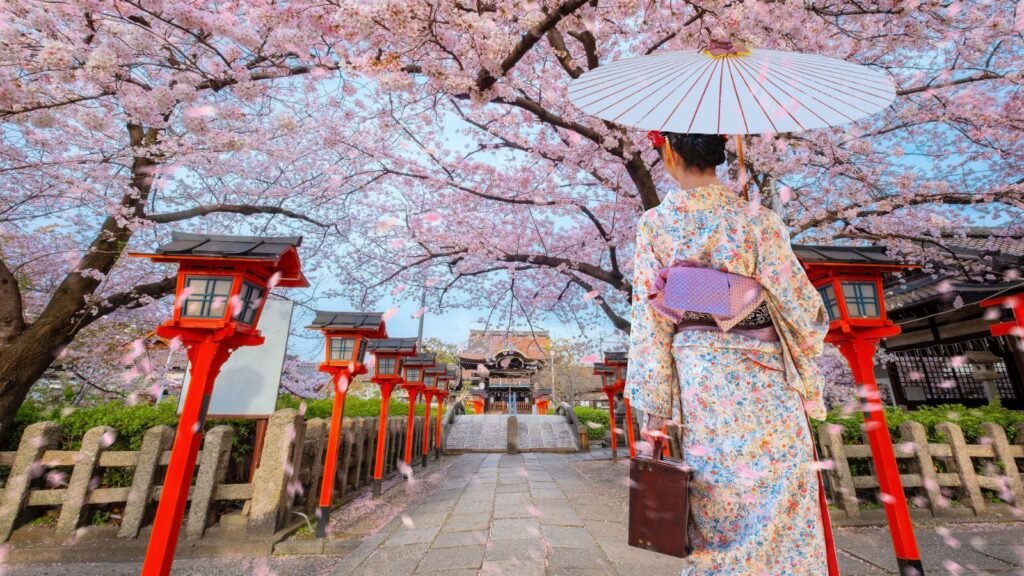
The government is currently prioritizing sustainable tourism management. Therefore, you might notice stricter enforcement of rules in popular districts like Kyoto’s Gion area. Respecting local customs is no longer just polite; in some cases, it is a legal requirement. Always verify official tourism board regulation updates to ensure your itinerary aligns with current municipal guidelines, as tourism updates can change based on peak visitor seasons.
Navigating Japan Visitor Tax and Budget Changes
Economic adjustments are a recurring theme in recent reports, particularly regarding the Japan visitor tax implemented in several prefectures. These funds support infrastructure maintenance and preserve historical sites. Because these taxes vary by location, your accommodation bill might include a small nightly surcharge. Budget accordingly to avoid surprises at check-out. If you are planning an extended stay, factor these small daily costs into your overall travel budget to avoid feeling the pinch mid-trip.
In addition to taxes, currency fluctuations affect purchasing power. While Japan remains a high-value destination, small changes in spending habits make a big difference. For example, utilize regional rail passes if you plan to move between cities. These passes provide fixed-cost transportation, protecting your budget from potential price hikes on individual tickets. For a broader look at managing costs, you can review practical advice on planning your perfect vacation to apply similar strategies globally.
When dealing with post-tax-hike budgets, consider eating at local markets or convenience stores for lunch, which offer high-quality meals at a fraction of restaurant costs. Additionally, look for free walking tours or municipal museums that offer discounted entry for foreign visitors. By shifting small spending behaviors, you can offset increased accommodation fees without sacrificing the quality of your experience.
Real-Time Transportation Disruption Alerts for Tourists
Transportation in Japan is famously reliable. However, nature sometimes has other plans. Typhoons and seismic activity occasionally cause temporary service suspensions. Therefore, downloading a real-time transit app is essential. These tools provide instant alerts regarding train delays or station closures. If a disruption occurs, stay calm and follow staff instructions. They are trained to manage high-volume passenger re-routing efficiently.
Before you travel, familiarize yourself with the official Japan National Tourism Organization website. They provide the most accurate, up-to-the-minute data on infrastructure status and safety warnings. Accessing official sources ensures you aren’t relying on outdated forum information. Always keep an offline version of your transit map saved to your device, as signal strength can occasionally drop in rural areas or during severe weather events.

Experience the Best of Mole Park Wildlife Safari Mole Park Wildlife Safari is Ghana's largest game park, providing the ultimate…
Day-to-Day Weather Safety Protocols
Japan experiences diverse weather patterns that require specific preparation. Summer months bring intense humidity and heat, while winter delivers significant snowfall in the northern regions. Consequently, packing the right gear is critical. During the summer, hydration is your priority. Carry a reusable water bottle and replenish electrolytes often to prevent heat exhaustion. In winter, layering is essential. Ensure your footwear has good traction, as walkways can become icy, and prioritize waterproof gear for coastal regions.
In the event of an emergency, look for designated evacuation signage in your hotel and public areas. These are marked with clear symbols that are easy to understand even without language proficiency. Stay informed by checking local weather apps each morning. Taking these proactive steps ensures your safety regardless of the forecast. Remember that weather-related delays are part of the reality of international travel, so build a small buffer into your itinerary.
Japan travel news – Essential Tips for International Visitors
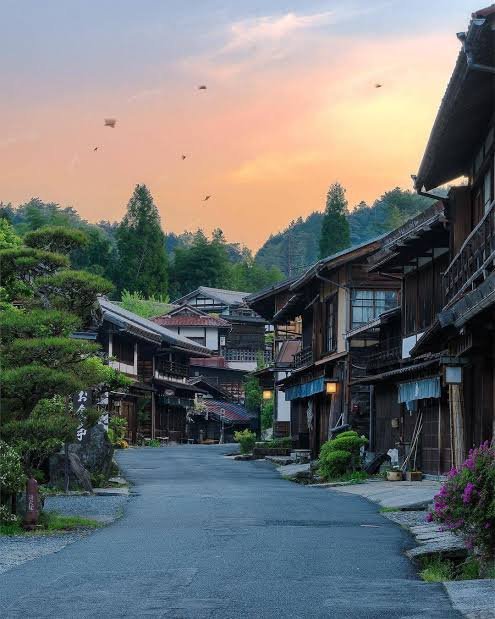
Many travelers forget that Japan is a cash-heavy society in rural areas. While Tokyo and Osaka embrace digital payments, smaller towns often require physical currency. Always keep a backup of yen in your wallet. Furthermore, internet connectivity is widely available, but renting a pocket Wi-Fi device or purchasing an eSIM before you land provides better peace of mind. You will find navigating maps and translation apps much easier with a stable connection.
Finally, respect the local pace of life. Japan values quiet in public spaces. Keeping your voice down on trains and avoiding eating while walking shows respect for the community. Such small gestures improve your experience and make you a welcome guest in the eyes of locals. Researching local etiquette regarding shoes, temples, and shrine behavior will also significantly enhance your interaction with the culture.
When analyzing international tourism statistics, it is clear that Japan continues to be a top destination, but the visitor profile is shifting toward more conscious and respectful travel. By staying updated on policy changes and maintaining a flexible mindset, you will find that the country remains incredibly rewarding for every type of traveler. Always check local news sources once you land for hyper-local updates regarding regional events or temporary restrictions that may not appear in international news cycles.
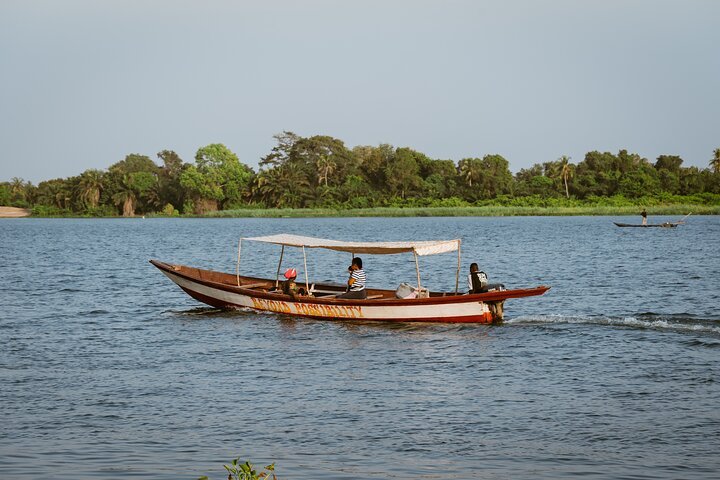
Volta Region Nature Tour, first, our team picks you up early at any location in Accra. Before starting the drive,…
Frequently Asked Questions (FAQ) for Japan travel news
Entry requirements vary by nationality. Many countries have visa-waiver agreements with Japan, but you should always check the official embassy website of your home country before booking flights to confirm current rules.
Monitor official transit websites and your hotel’s front desk. If services are suspended, stay indoors until the transit authority provides an all-clear signal, and prioritize your safety over keeping to your planned schedule.
While major cities are increasingly card-friendly, always carry enough cash for small shops, temples, and rural train stations where card machines may not be available.
Spring for cherry blossoms and autumn for fall colors are popular. However, winter offers great value and fewer crowds in non-ski regions, provided you pack appropriate clothing.
Japan is highly prepared for seismic activity. Follow the instructions of local authorities, move away from glass or heavy objects, and stay calm while waiting for updates via your smartphone.
While public Wi-Fi exists, an eSIM or pocket Wi-Fi is highly recommended for reliable navigation and translation services, especially if you are traveling to more remote rural areas.