TL;DR: The Adventurer’s Summary
The russian oil waiver tourism impact is primarily felt through currency volatility, payment system challenges, and changing operational costs for local agencies. Travelers should prioritize flexible bookings, maintain multi-currency buffers, and monitor official diplomatic resources to navigate the complexities of energy-driven economic shifts in the region.
Navigating the modern travel landscape requires more than just a passport and a ticket; it demands an awareness of how global energy markets influence regional movement. When considering the russian oil waiver tourism impact, travelers must recognize that geopolitical energy policy serves as a significant lever for local economic conditions. These shifts often dictate the cost of transit, the reliability of digital payment platforms, and the overall stability of tourism infrastructure. By understanding these dynamics, you can better prepare for potential disruptions during your journey.
Analyzing the Russian oil waiver tourism impact
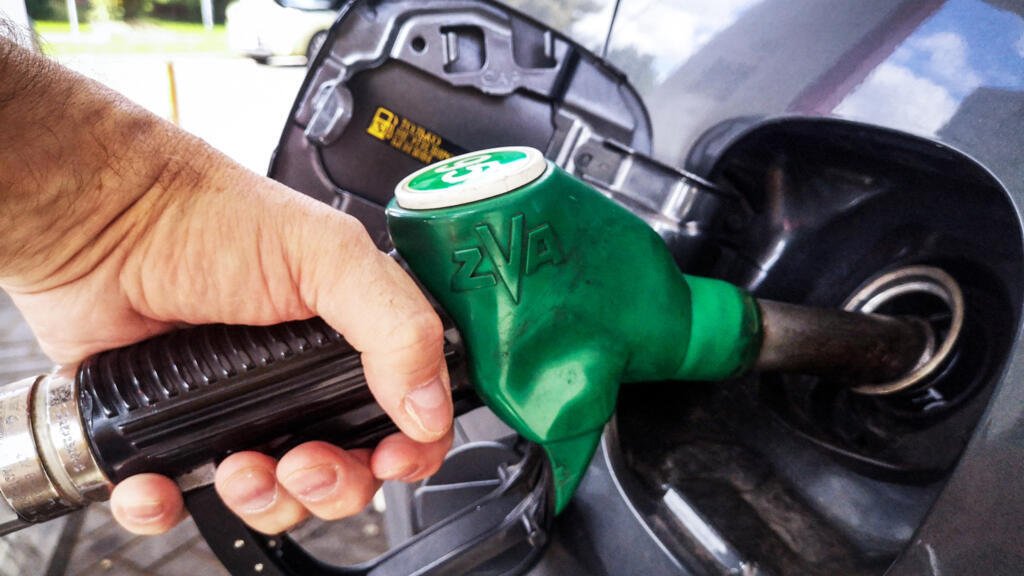
Global energy policies rarely remain confined to finance departments. Instead, they ripple through the tourism sector in ways that directly affect the average visitor. When international policies regarding energy transition or US sanctions waiver adjustments change, the effects frequently manifest in the local tourism industry. For instance, energy-based economic shifts often lead to sudden changes in currency valuation, which directly alters the purchasing power of international travelers.
Furthermore, these fluctuations affect the operational costs of local tourism agencies. If fuel costs rise due to policy shifts, regional transport operators often adjust their pricing schedules to compensate for higher overhead. Understanding the russian oil waiver tourism impact means recognizing these underlying economic levers. While the terminology sounds strictly political, the result is felt in the cost of hotel rooms, train tickets, and guided excursions. When agencies face rising operational expenses, they often pass these costs to the end user, resulting in higher booking fees or fewer discounted travel packages.
Currency volatility and travel affordability
Currency stability is the lifeblood of international travel. When geopolitical energy policy creates instability, exchange rates often become unpredictable. This volatility is a significant factor in the overall travel experience. Travelers may find that their home currency fluctuates against the local currency during their planning phase, making budget management difficult. Therefore, budgeting for your trip requires a substantial buffer for potential price changes.
In regions affected by shifts in Russian oil revenue, service providers frequently adjust prices to hedge against economic risk. As a result, you might notice that advertised rates are no longer accurate upon arrival. Always verify costs with official sources before booking your stay. In addition, using a multi-currency travel card can offer some protection against sudden exchange rate spikes. By planning for volatility, you maintain control over your travel finances even when the macro-economic environment feels uncertain.
Infrastructure operational costs and tourist access
Energy-based economic fluctuations directly influence the maintenance and efficiency of transport networks. Whether it is rail, air, or bus travel, these systems rely heavily on energy availability and fuel costs. If an energy policy shift impacts regional supply chains, transport operators may reduce service frequency. This creates a secondary impact on the accessibility of popular destinations. For those relying on public transport, such service reductions can cause significant itinerary delays or force the use of more expensive, private transit alternatives.
For more information on staying updated, visit relevant descriptive anchor text to see how global travel news impacts regional planning. When travel agencies face rising operational expenses, they often pass these costs to the end user. You might encounter higher booking fees or fewer discounted packages. Being aware of these systemic pressures helps you adjust your expectations and book with reputable, well-capitalized agencies that are better equipped to navigate market instability. Choosing an agency with a long-term presence in the region can provide a layer of security, as they are more likely to have established contingency plans for energy-related service disruptions.

Discover Shai Hills Safari Tour | Ghana Experience Our Shai Hills Safari Tour First, nature lovers discover an eco-friendly wildlife…
Visa processing and border travel restrictions due to the Russian oil waiver
One of the most persistent questions involves the correlation between energy sanction policies and border accessibility. Currently, visa processing times and border restrictions are often managed independently of energy policy, yet diplomatic tensions surrounding these waivers can lead to increased scrutiny. Consequently, travelers should expect longer processing times and more rigorous documentation requirements. This is particularly relevant if the geopolitical climate shifts in response to changes in global energy trade.
Always consult the official embassy portals for the latest visa regulations. Official government Ministry of Foreign Affairs resources provide the most accurate details regarding entry requirements. Do not rely solely on third-party forums, as policies can change rapidly. Preparation is your best defense against border-related hurdles. Ensure your travel documentation is perfectly in order, as even minor discrepancies can lead to significant delays in this current, sensitive environment.
Mitigating risk in your travel planning
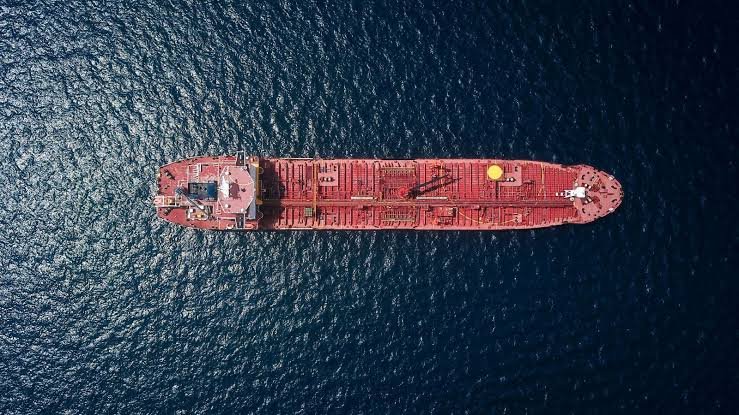
Mitigating risk in an era of geopolitical uncertainty is an essential skill for the modern explorer. First, ensure you have comprehensive travel insurance that explicitly covers trip cancellations due to political or economic instability. Next, prioritize flexible booking options. Many airlines and hotels now offer cancellation or rebooking windows that can save you significant trouble if plans change unexpectedly. Also, maintain a digital archive of all your bookings, confirmations, and identification documents. Offline access is crucial; if internet connectivity is impacted by regional issues, having these documents saved locally on your device provides a necessary backup.
Furthermore, stay informed through reliable news channels rather than social media chatter. By focusing on verified information regarding geopolitical energy policy, you can make smarter decisions throughout your journey. Consider the broader implications of sanctions impact analysis. When you recognize that energy policy is a moving target, you can adapt your itinerary to avoid regions that appear highly vulnerable to immediate service disruption. Diversifying your trip to include both major urban centers and secondary locations can also provide flexibility if one area faces unexpected logistical strain.
The role of domestic tourism agencies
Domestic tourism agencies serve as a vital buffer between the traveler and these macro-economic shifts. They possess the local knowledge required to navigate internal infrastructure challenges effectively. When selecting a guide or agency, ask them about their experience with recent energy-related service disruptions. A professional agency will have a clear, documented contingency plan for transport and accommodation issues. They will often know which specific train routes are less impacted by fluctuating fuel costs or which hotels have prioritized their own independent energy security, such as generator backups or private transport fleets.
Engaging with local expertise is one of the most effective ways to ensure your trip remains smooth despite the external challenges posed by regional economic policies. Local agencies can also help translate the impact of global sanctions into practical advice. For example, they may recommend specific payment methods that remain functional even when international bank transfers face delays. By working with these professionals, you gain access to localized solutions that international booking platforms simply cannot provide. This partnership minimizes the chances that you will find yourself stranded by a policy change that ripples through the wider travel industry.
Practical tips for the long-term traveler
For those planning an extended stay, long-term stability is the priority. Seek out regions or cities that have historically shown resilience in their service availability during past economic cycles. Often, major metropolitan hubs retain better infrastructure stability than rural areas during periods of economic transition. While the off-the-beaten-path experience is alluring, it may carry higher risks during times of policy shifts. Always maintain a small emergency fund in a stable, internationally recognized currency. This ensures you can cover transport or accommodation costs if local digital payment systems fail during a period of high volatility.
Additionally, keep an eye on official government travel advisories for your home country. These advisories are often updated to reflect new policy changes or potential border developments. By balancing your sense of adventure with a cautious, evidence-based approach to logistics, you can still have a highly rewarding experience regardless of the macro-economic climate. Remember, preparation and patience are your best tools when navigating regions influenced by global energy policies. Regularly re-check your plans and stay open to adapting your route as new information becomes available, ensuring a safer and more predictable journey.

Discover Aburi Botanical Gardens Tour Experience Our Aburi Botanical Gardens Tour First, nature lovers explore four iconic destinations in Ghana's…
Frequently Asked Questions (FAQ) for The Russian oil waiver
Generally, visa fees are set by sovereign governments and are not directly adjusted based on energy waivers. However, external economic pressure associated with policy changes may lead to administrative delays in visa processing, potentially increasing your overall trip preparation time.
While energy-related economic shifts affect operational costs, price increases are often influenced by a combination of global fuel markets and local inflation. Budgeting for higher transport costs is a prudent step to ensure your travel plans remain viable if prices rise during your stay.
Major metropolitan hubs usually maintain higher service reliability compared to remote regions during periods of economic instability. You should consistently check your home country’s official government travel advisories for the most accurate and up-to-date safety information for specific regions.
Using multi-currency accounts and pre-booking accommodation in your home currency can mitigate some risk. Always carry a small amount of cash in a stable, globally recognized international currency as a backup in case digital payment systems experience localized downtime.
Changes in energy policy can lead to adjustments in air travel routes and operational costs. If your transit depends on specific fuel-dependent carriers, check for route changes or schedule updates frequently before your departure to avoid being impacted by unexpected service reductions.