
TL;DR — The Adventurer’s Summary:
Reaching Northern Ghana’s premier wildlife sanctuary requires navigating a 146 km route from Tamale Airport. Budget travelers can utilize public tro-tros via Damongo for 50–80 GHS in transport fares, but must budget 4.5 to 6 hours due to station connection waits. Alternatively, private air-conditioned charters cost 1,200 to 1,800 GHS one-way, offering a direct 2.5-hour transfer directly to park lodges.
Planning your journey from Tamale Airport to Northern Ghana’s savanna requires clear logistical facts. Understanding the nuances of Tamale to Mole National Park transport: Taxi vs public bus is essential for a smooth safari arrival. Most international travelers land at Tamale Airport (NYI) before traveling 146 km west to the park gates. However, route timing, vehicle specifications, and hidden connection costs heavily impact your journey. This guide delivers unvarnished operational facts to help you navigate Northern Ghana with complete confidence.

Tamale to Mole National Park Transport: Taxi vs Public Bus Comparison
Choosing between private charters and public buses depends on your schedule, luggage volume, and comfort expectations. Public transit offers an authentic local experience, but requires navigating multiple transfers. Meanwhile, private drivers provide direct, air-conditioned transfers that guarantee arrival before daylight safaris begin.
| Transport Option | Estimated Cost (GHS) | Transit Duration | Route Structure & Vehicle Type | Key Operational Reality |
|---|---|---|---|---|
| Public Tro-Tro & Connection | 50–80 GHS (Fare only) | 4.5–6.0 Hours | 3-Leg journey via Tamale Lorry Park, Damongo, and Larabanga | Frequent delays waiting for minibuses to fill; luggage space is severely restricted. |
| Private Taxi Charter (One-Way) | 1,200–1,800 GHS | 2.5–3.0 Hours | Direct sedan transfer from Tamale Airport to park gate | Sedans cannot drive on internal safari game tracks [9, 13]; covers one-way drop-off only. |
| Multi-Day Private Driver Standby | 1,800–2,500 GHS | 2.5 Hours per leg | Private MPV/SUV (e.g., Toyota Voxy/HiAce) retained for full trip | Includes driver layover fees and return transit; guaranteed air conditioning. |



Evaluating Tamale to Mole National Park Transport: Taxi vs Public Bus Options
Understanding the actual breakdown of public transit versus private driving helps you choose the right travel mode for your budget and group size.
The 3-Leg Public Transport Reality, Tamale to Mole National Park transport: Taxi vs public bus
Competitor guides often claim a simple direct bus exists from Tamale Airport to the park. In reality, public transit requires three distinct travel legs. First, take a local airport taxi to the Central Lorry Station in Tamale town for 50–100 GHS. Next, board a shared tro-tro or Metro Mass bus heading toward Damongo or Wa.
The journey to Damongo covers paved asphalt along the N12 highway. However, tro-tros only depart when every seat is filled, adding 1 to 2.5 hours of waiting time. Once in Damongo, you must secure a local shared taxi or yellow-yellow tricycle to cover the final 24 km to Mole Park Gate. Therefore, total public transit duration ranges from 4.5 to 6 hours. Furthermore, Mole National Park’s legacy listings mention a direct Metro Mass bus departing Tamale at 1:30 pm, but travelers must verify live schedules at Sankpala Station before relying on it.
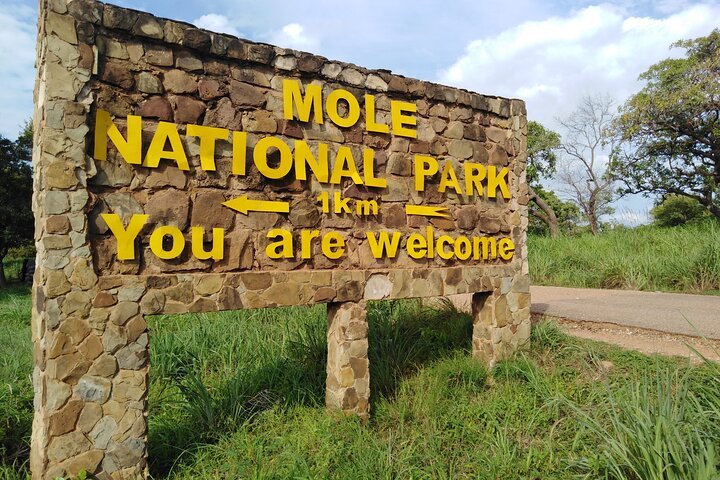
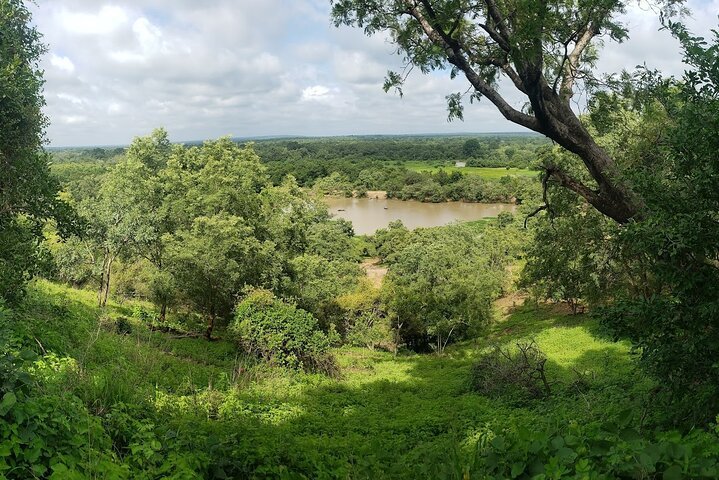
Experience the Best of Mole Park Wildlife Safari Mole Park Wildlife Safari is Ghana's largest game park, providing the ultimate…
Private Taxi Charter Logistics and Hidden Costs
Hiring a private vehicle is the most reliable option for safari travelers. A direct vehicle eliminates connection hassles in Damongo and guarantees daylight arrival. Older travel articles quote private taxis at 800 GHS. However, current fuel adjustments place realistic one-way private charters between 1,200 and 1,800 GHS ($90–$140 USD).
Additionally, travelers must avoid the common “one-way drop-off trap”. Standard taxi quotes cover only a single drop-off at the park. If you expect the driver to remain at Mole for return transit, fees increase to 1,800–2,500 GHS to cover driver layover and fuel costs. Always confirm whether quotes include fuel, road tolls, and driver accommodation before making payment.

Navigating Tamale Airport and Road Realities
Arriving at Tamale Airport (NYI) can feel intense as solicitous drivers line the terminal exit. Pre-booking your driver ensures a representative greets you directly at arrivals. For public transport users, walk past initial solicitations and negotiate a fixed fare into central town.
The N12 road from Tamale through Damongo to Larabanga is fully asphalt-paved. Nevertheless, driver attention is required due to frequent speed bumps and occasional potholes. Unpaved dirt tracks exist exclusively inside the park safari boundaries. Consequently, standard city sedans are strictly prohibited on internal game drive trails.
Handling Cultural Stops and Larabanga Mosque Fees
Located 15 km before the park entrance, the historic Larabanga Ancient Mosque is an essential cultural landmark. However, self-guided travelers frequently face aggressive youth touts demanding 50–100 GHS roadside photography fees. Pre-arranged tours clear community entrance fees directly with village elders, ensuring a peaceful visit.
Before You Book: 10-Point Operational Checklist
Use this mandatory 10-point operational checklist before finalizing your Tamale to Mole National Park transport: Taxi vs public bus arrangements:
- Price Basis Clarity: Confirm whether your quote covers a one-way drop-off or a multi-day return charter.
- Vehicle Specifications: Verify assigned vehicle models (e.g., Toyota Yaris for 1–2 pax, Voxy or HiAce for groups).
- Climate Control Verification: Ensure continuous 24/7 air conditioning is guaranteed for the entire 2.5-hour drive.
- Luggage Boot Space: Provide your bag count in advance to ensure suitcases fit without restricting passenger seats.
- Pickup Coordinates & Name Signs: Confirm exact meeting points inside Tamale Airport arrivals.
- Domestic Flight Buffer: Build a 3-hour buffer between park departure and domestic return flights to Accra.
- Park Entry & Activity Exclusions: Separate transport fares from official park entry (250 GHS for non-national adults).
- Fuel & Toll Inclusions: Ensure quoted prices include fuel, driver layovers, and highway tolls.
- Emergency Contingency Protocols: Verify the operator carries spare tires, jack tools, and backup coolant for thermal heat.
- Direct Guide Contact: Secure 24/7 phone lines for driver supervisors and Tamale dispatch teams.
Experience the Best of Mole Park Wildlife Safari Mole Park Wildlife Safari is Ghana's largest game park, providing the ultimate…
Border Logistics: Ghana eVisa, Entry Fees, and Health Protocols
International travelers entering Ghana must satisfy strict border health and visa requirements. Ghana Immigration Service (GIS) processes tourist eVisas across three turnaround tiers: Standard ($260 USD / 96 hours), Priority ($338 USD / 48 hours), and Express ($442 USD / 5 hours). Emergency Visa on Arrival costs $200 USD but requires prior host authorization.
Furthermore, Yellow Fever vaccination is mandatory for all arriving travelers aged 9 months and older. Border health officials require physical Yellow Card certificates; digital photos are strictly rejected. Travelers carrying foreign currency should note that amounts exceeding $10,000 USD equivalent must be declared upon arrival.
FAQs for Tamale to Mole National Park transport: Taxi vs public bus
There is no reliable direct airport bus. Mole National Park’s legacy site lists a daily Metro Mass bus departing Tamale at 1:30 pm, but schedules must be confirmed locally at Sankpala Station. Most public transit travelers take a tro-tro to Damongo and transfer to a shared taxi.
Current private taxi charters cost between 1,200 and 1,800 GHS ($90–$140 USD) one-way. Multi-day driver standby packages range from 1,800 to 2,500 GHS. Always confirm fuel inclusions before departure.
No, standard sedans and city taxis are prohibited on internal game drive trails. Visitors arriving by private sedan must rent official park 4×4 game drive vehicles (400–600 GHS) or join guided walking safaris (30–70 GHS/hour).
Cash in Ghana Cedis (GHS) is mandatory for tro-tros, yellow-yellows, tipping, and Larabanga Mosque fees. MTN Mobile Money (MoMo) is widely accepted by local drivers and guides. Credit cards are accepted only at major park lodges, though network outages occasionally occur.
Private transfers require 2.5 to 3 hours along paved highways. Public transport requires 4.5 to 6 hours due to station connection waits and transfers in Damongo.

About the Author: Carl Grant Acquah
Carl is the technical brain and on-the-ground adventurer at Best of Africa Travels. As our Webmaster and SEO lead, he builds custom web apps and business automation systems (including the blogging tool behind this site). Off-screen, Carl regularly hits the road to co-guide immersive Ghana tours alongside founder Enoch Osei.
Whether you want to book an unforgettable trip, collaborate on blogs and backlinks, or discuss your next business automation project, Carl is ready to connect.
Let’s Connect: Email | WhatsApp | LinkedIn | Instagram | Meet the Team | Full Profile
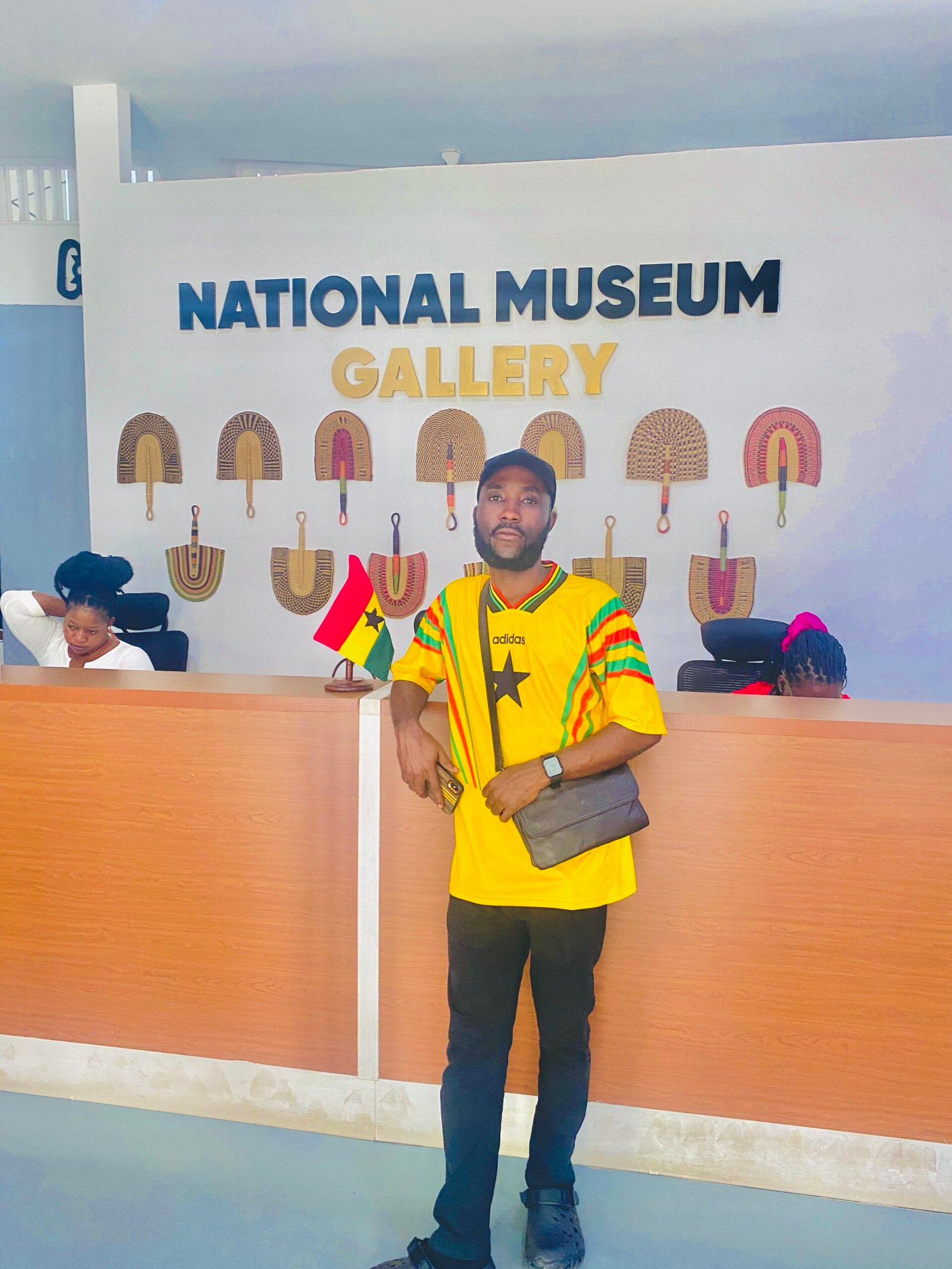
Meet the Founder: Enoch Osei
Enoch is the Founder, Manager, and lead Tour Operator at Best of Africa Travels. With 4 years of dedicated experience in the tourism industry, he specializes in logistics, uncovering hidden gems, and bringing Ghana’s rich history to life.
Enoch believes in going beyond the famous attractions to help travelers connect with the culture, people, and stories of Ghana. Whether curating a solo adventure or managing a corporate group, his goal is to provide a seamless journey filled with authentic, unforgettable Ghanaian hospitality.
Let’s Connect: Email | WhatsApp | LinkedIn | Instagram | TikTok | Full Profile