
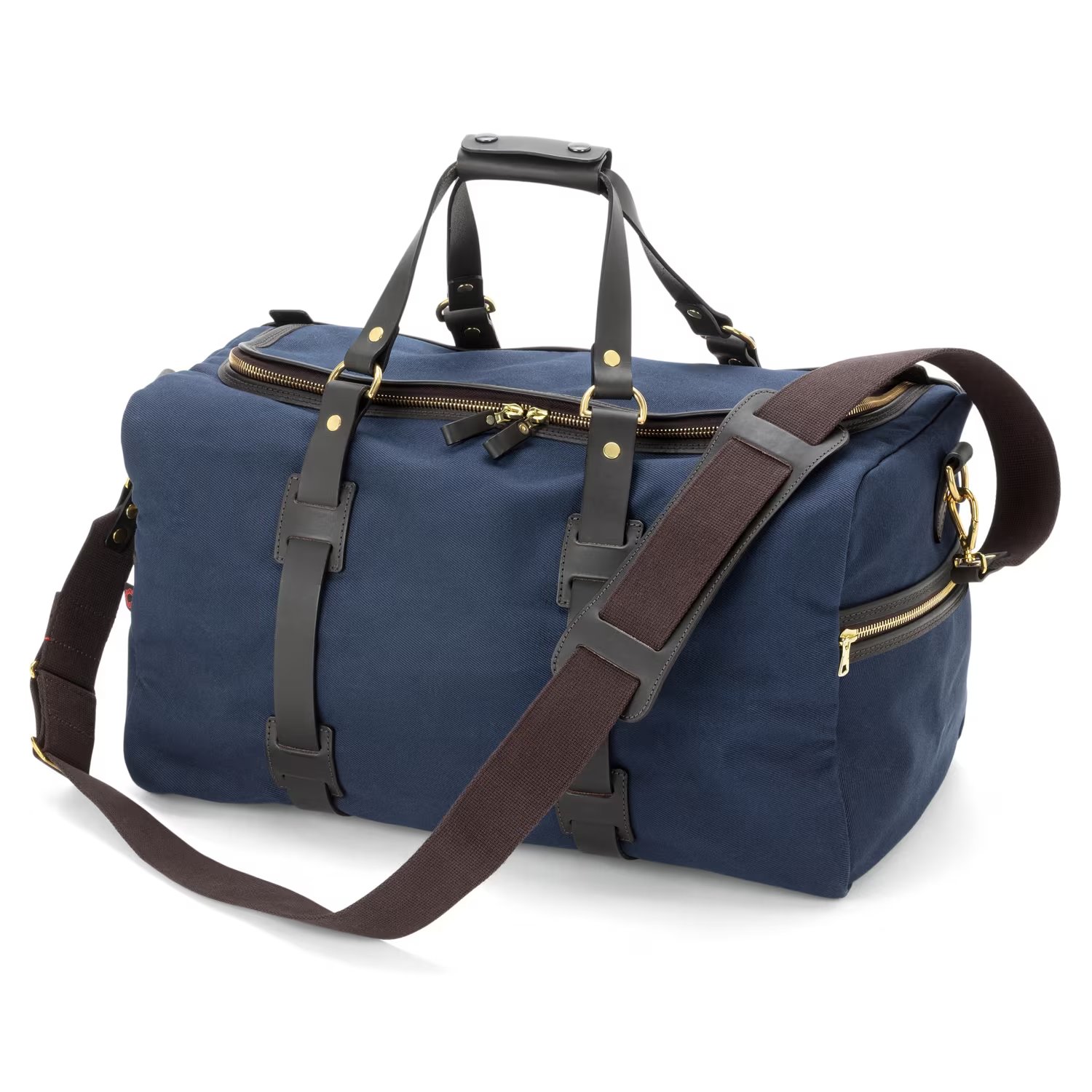
TL;DR: The Adventurer’s Summary
Selecting the ideal travel bag depends entirely on your transit mode and length of stay. For international flights, prioritize hard-shell polycarbonate for protection. For regional bush flights or urban hops, lean toward soft-shell ballistic nylon to maximize flexibility and weight efficiency. Always verify dimensions against your airline’s specific policy before arriving at the terminal.
Choosing the perfect travel bag is arguably the most critical decision you make before setting out on your journey. Whether you are navigating the busy terminals of Kotoka International Airport or preparing to board a small bush plane across the savanna, your gear acts as your mobile fortress. Poor luggage choices often lead to broken zippers, difficult maneuverability, and unexpected airline fees that can sour the start of your trip. Consequently, this guide helps you navigate the technicalities of modern luggage to ensure your belongings arrive safely and efficiently.

Understanding travel bag types and material science
When searching for a high-quality travel bag, you will encounter three primary material categories: hard-shell, soft-shell, and fabric-based duffels. Each category serves a distinct purpose depending on your travel style.
Hard-shell vs. Soft-shell luggage analysis
Hard-shell luggage is typically engineered from polycarbonate or ABS plastic. These bags offer superior impact resistance for fragile items. If you are a photographer carrying camera equipment or a business traveler with sensitive electronics, a hard-shell case is the safer choice. However, these cases lack physical flexibility; you cannot force them into tight overhead bins or cramped vehicle trunks.
Conversely, soft-shell luggage is often crafted from ballistic nylon or heavy-duty polyester. These bags provide more forgiveness in tight spaces. They frequently feature exterior pockets, allowing for rapid access to travel documents, water bottles, or snacks. Because they are often lighter than hard-shell counterparts, they give you more leeway with strict weight limits on regional airlines.
Performance testing for durable travel gear
Durability remains the most important factor in long-term satisfaction. We recommend testing your gear against real-world scenarios. Pay close attention to the wheel architecture. Inconsistent terrain, such as cracked sidewalks or uneven airport walkways, quickly destroys cheap plastic wheels. Always look for reinforced ball-bearing systems. These handle heavy loads across long distances far better than standard axle-mounted wheels.
Weight is another crucial performance metric. A heavy suitcase eats into your total allowance before you even pack your clothes. Prioritize materials that maintain structural integrity while keeping the empty weight as low as possible. When considering how these items hold up during intense excursions, it is useful to review our Travel Backpack Guide: Finding the Perfect Gear For Your Adventure for more specialized advice.

Discover ATV Quad Biking Aburi Gardens Tour | Ghana Experience Our ATV Quad Biking Aburi Gardens Tour First, start your…
Navigating airline-specific carry-on dimensions
Every airline sets different rules for travel bag dimensions. A bag that fits as carry-on luggage for a major international carrier might be flagged as too large for a regional hopper flight. Always measure your bag, including wheels and handles, before you head to the terminal.
Standard international limits often hover around 22 x 14 x 9 inches (56 x 35 x 23 cm). Nevertheless, budget airlines frequently impose stricter limits to maximize cabin space. If you are planning an international journey, we highly suggest consulting the International Air Transport Association official guidelines for general industry standards regarding cabin safety and storage.

Budget tiers and quality expectations
Investing in high-end luggage usually pays off over time. Mid-tier brands generally provide the best balance of cost and durability, whereas extremely cheap gear often fails during the most critical moments of a trip. We recommend reading user reviews that focus on long-term wear rather than simple aesthetics. Look for reinforced corners and internal stitching patterns as indicators of quality.

Discover Aburi Botanical Gardens Tour Experience Our Aburi Botanical Gardens Tour First, nature lovers explore four iconic destinations in Ghana's…
Essential features for every traveler
Regardless of your destination, certain features are non-negotiable. First, ensure your zippers are high-grade, such as YKK, as a broken zipper at the start of a trip is a logistical nightmare. Second, look for integrated locks. While you should never place vital valuables in checked luggage, a TSA-approved lock provides a basic deterrent against theft.
Interior organization is also vital for the modern traveler. A high-quality travel bag should feature internal compression straps to secure clothing, preventing your items from shifting during transit. If you are packing for a week or more, a dedicated weekender bag with a separate shoe compartment is incredibly convenient. By separating shoes from clean clothing, you maintain freshness throughout your trip, regardless of the heat or environment.
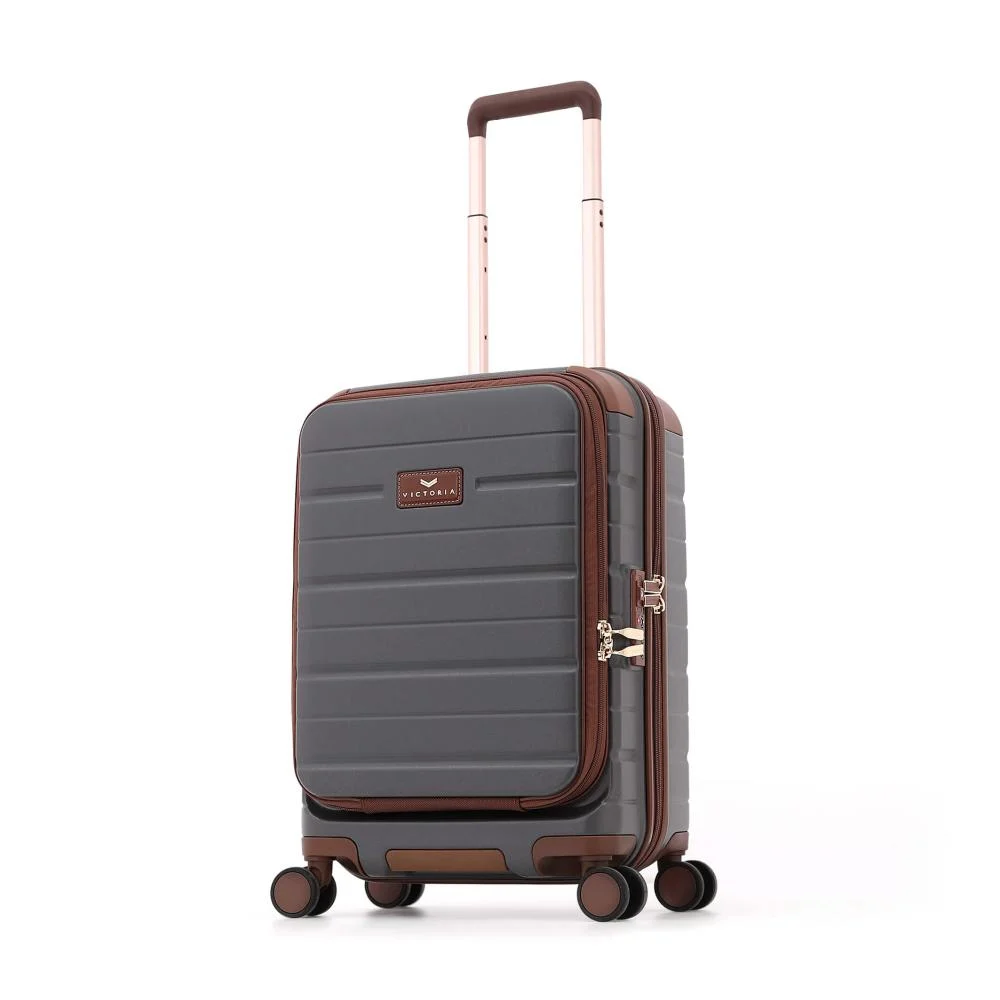
Frequently Asked Questions (FAQ) for travel bag
For soft-sided bags, ballistic nylon is the gold standard due to its exceptional abrasion resistance. If you prefer hard-shell luggage, look for 100% polycarbonate shells, which resist cracking better than ABS plastic.
Four-wheel spinners are excellent for flat, manicured airport floors. However, two-wheel uprights often handle rough pavement, cobblestone streets, and gravel paths much better, making them ideal for urban exploration.
Use a digital luggage scale at home before leaving. This simple, affordable step prevents unpleasant surprises at the check-in desk and allows you to redistribute weight before arriving at the airport.
File a Property Irregularity Report (PIR) with the airline immediately before leaving the terminal. Most carriers have strict procedures for handling damage claims, and reporting it on-site is essential for a successful resolution.
While convenient, they require a removable lithium battery. If you choose this feature, ensure the battery is easily accessible and compliant with airline capacity limits. Always double-check your airline’s specific battery policy to avoid having your bag rejected at the gate.