

TL;DR: The Adventurer’s Summary
Finding reliable protection is vital. Always prioritize comprehensive medical coverage over low premiums. Before purchasing, verify that your specific medical conditions are included and that the policy covers your planned activities. If you travel more than twice a year, an annual multi-trip policy often saves money.
Preparing for an international trip involves endless checklists. But securing reliable travel insurance Australia residents can count on is arguably the most critical task. Many travelers mistakenly believe their existing credit card coverage is sufficient. But this is rarely true for serious medical emergencies, evacuation needs, or long-term travel. Whether you are planning a weekend getaway or a year-long sabbatical, understanding the nuances of your coverage is the difference between a minor setback and a financial catastrophe.

Understanding Travel Insurance Australia Options
When searching for a travel insurance quote, the sheer volume of providers and policy tiers can feel overwhelming. To make an informed decision, you must first differentiate between basic medical-only plans and comprehensive policies. Basic plans typically cover essential overseas medical expenses but often omit critical areas like baggage theft, trip interruption, and emergency repatriation.
Professional travelers typically prioritize higher-tier policies that include personal liability and rental car excess protection. In the post-pandemic landscape, ‘Cancel For Any Reason’ (CFAR) clauses have gained massive traction. While this add-on increases the initial premium, it provides a crucial safety net allowing you to recoup a significant percentage of non-refundable costs if your plans change. Always verify if CFAR is a standard inclusion or a paid rider, as provider offerings vary wildly.
Managing Pre-existing Medical Conditions
Pre-existing medical conditions remain a significant anxiety source for international travelers. Insurers generally classify conditions as either ‘automatically covered’ (usually for minor, stable issues) or ‘requiring assessment.’ Never assume you are protected; always read the Product Disclosure Statement (PDS) in its entirety. If you have a chronic condition, look for insurers that offer a structured medical screening process. Providing accurate data during this phase ensures your claim isn’t denied due to non-disclosure.
It is also advisable to keep digital and physical copies of your medical records. And proof of stability from your GP. Should a crisis occur, having this documentation ready can streamline the claims process significantly, allowing you to focus on your recovery rather than administrative hurdles.
Evaluating Claims Processing and Reliability when it comes to travel insurance Australia
A policy’s value is truly tested during the claims process. When performing a travel insurance comparison, do not focus solely on the premium price. High-quality providers distinguish themselves through rapid turnaround times and accessible, mobile-first claim submission platforms. Look for insurers that allow you to upload receipts and photos directly via an app, which drastically reduces the stress of manual filing.
Customer satisfaction ratings for specific scenarios, such as emergency hospital admission versus minor luggage delays, can often be found on third-party review sites. These insights offer a glimpse into how a company handles high-stakes situations. A company that prioritizes direct billing to hospitals is often vastly superior to one that requires you to pay large sums upfront and wait for reimbursement weeks later.

Experience the Best of Mole Park Wildlife Safari Mole Park Wildlife Safari is Ghana's largest game park, providing the ultimate…
How to Perform a Comprehensive Travel Insurance Comparison
To conduct a truly effective comparison, you must look beyond the base rate. Consider the following factors to ensure you are adequately protected: the excess level, high-value item limits, and 24/7 emergency assistance availability. For many digital nomads, the default coverage limits for laptops and cameras are insufficient. You may need to pay an additional fee to extend these limits to cover your professional gear.
If you are planning an extended trip, consider an annual multi-trip policy, which is often more cost-effective than purchasing individual policies for every journey. For official government guidance on safety and destination-specific requirements, visit the Australian Government Smartraveller website to keep your travel plans updated with the latest international advisory information.
The total cost of your policy is also heavily influenced by your choice of excess. A higher excess lowers your premium, but you must maintain enough cash liquidity to pay that amount should an incident occur. Do not choose an excess that you cannot afford, as this effectively makes the insurance useless in the moment you need it most.

Essential Tips for International Travelers
Beyond selecting the right plan, your behavior abroad dictates the effectiveness of your insurance. Always register your travel plans with your local consulate. Keep your policy number, emergency contact details, and local embassy numbers in a secure, offline location—like a note in your phone or a physical laminated card in your wallet. If you are participating in adventure sports, verify that your policy explicitly covers activities like scuba diving, mountain biking, or winter sports. Many standard plans exclude these by default, requiring a specific ‘adventure’ add-on to keep your coverage valid.
Furthermore, maintain transparency with your insurer regarding your itinerary. If your travel plans change or you extend your trip while already overseas, notify your provider immediately. Some policies allow for extensions, while others strictly require you to purchase the full term before departing. Failing to align your coverage period with your actual travel dates is a common reason for denied claims. Finally, always document everything. If your baggage is delayed or your flight is canceled, gather written proof from the airline or service provider as soon as possible. These documents are the bedrock of any successful insurance claim.
When considering the breadth of options available, take time to reflect on your risk profile. Are you visiting a remote area with limited medical infrastructure? If so, prioritize higher evacuation and repatriation limits. If you are traveling through urban centers with world-class healthcare, focus your budget on comprehensive medical coverage and lost personal property protection. By aligning your insurance choice with your specific travel style and destination risks, you ensure that you are not just buying a policy, but purchasing genuine peace of mind.
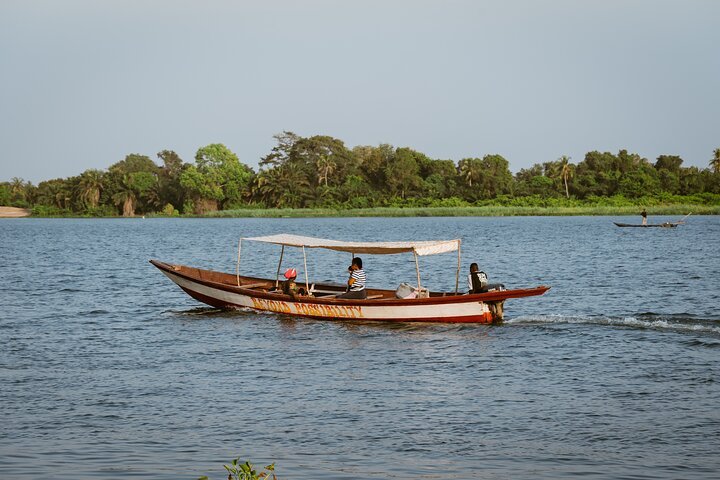
Volta Region Nature Tour, first, our team picks you up early at any location in Accra. Before starting the drive,…
Frequently Asked Questions (FAQ) for travel insurance Australia
Most policies provide coverage for weather-related delays if they occur after you purchase the policy and the weather event was unknown or unforecasted at that time. Always review the ‘Trip Cancellation’ section of your specific PDS for exact triggers.
Standard plans typically cover low-risk activities like hiking or swimming. However, adventure sports such as skydiving, white-water rafting, or scuba diving often require an additional premium or a specific rider. Always check your policy documentation before participating in high-risk sports.
Some providers allow this, but they often impose a waiting period, typically 48 to 72 hours, before your coverage becomes active. This means you will not be protected for any incidents occurring immediately after the purchase.
Contact your insurer’s emergency assistance number immediately. They can often arrange direct billing with the hospital, preventing the need for you to pay significant out-of-pocket expenses, provided you are at an approved facility.
Domestic policies cover travel within Australia, focusing mainly on cancellations and rental car excess. International policies are designed to cover high-cost medical emergencies that fall outside the scope of the Australian Medicare system.