TL;DR: The Adventurer’s Summary
Organizing an educational expedition requires balancing academic rigor with logistical safety. Key focus areas include aligning activities with CAS (Creativity, Activity, Service) outcomes, ensuring local safety compliance, and maintaining transparent budget structures for faculty and students.
Planning a transformative trip for IB schools to Africa is a significant undertaking that requires more than just booking flights and arranging tours. It demands a deep understanding of the International Baccalaureate Diploma Programme (IBDP) framework to ensure the journey bridges the gap between classroom theory and real-world application. When done correctly, these journeys offer students unparalleled opportunities for personal growth, academic advancement, and cultural immersion.
Why Plan a Trip for IB Schools to Africa?
Africa offers a uniquely diverse environment for IB curriculum experiential learning. The continent provides classrooms without walls, where history, biology, and sociology collide. By engaging in service learning school trips, students are forced to step outside their comfort zones, navigating cultural nuances while contributing to sustainable, community-led initiatives.
When educators design an expedition, they aren’t just creating a travel itinerary; they are crafting a pedagogical tool. Africa offers students the chance to witness global issues—such as conservation, sustainable development, and public health—firsthand. This immersive experience is essential for developing global citizens who understand their responsibilities to both local communities and the planet.
Aligning Activities with CAS Programs in Africa
The CAS (Creativity, Activity, Service) component is the heartbeat of your planning. Every activity must map directly back to the seven learning outcomes defined by the IB. For example, a reforestation project in Kenya or a community clean-up initiative in Ghana covers ‘Service’ through direct environmental action. It simultaneously promotes ‘Activity’ through the physical labor involved, and ‘Creativity’ if students are tasked with designing advocacy materials to educate others about the project.
To avoid ‘voluntourism’ traps, teachers must work closely with local partners to ensure projects are sustainable. Always seek initiatives that have been running for years with community support. The local leaders should guide the project design to ensure the work is respectful of customs. Ask these key questions: Does the project address a need identified by the community? Are we supporting local economy rather than bypassing it? A successful international educational travel for schools must put community sovereignty first.
Safety and Security Protocols for School Groups when it comes to trip for IB schools to Africa
Safety is the primary factor when managing youth travel in international contexts. You must conduct a comprehensive risk assessment for every destination. Start by consulting official government travel advisories and aligning your field trip policies with international benchmarks provided by UNESCO guidelines on education and global citizenship. Always maintain a conservative student-to-chaperone ratio, typically aiming for 1:8 in remote areas.
Before departure, establish robust communication protocols. Ensure every faculty leader has access to satellite devices where mobile coverage is unreliable. Every student should carry a physical medical kit and an emergency contact card listing blood type, allergies, and insurance details. Furthermore, vet your service providers strictly. Use only transport companies with documented safety certifications and well-maintained fleets. Never cut corners on vehicles, as road safety is often the highest risk factor on international expeditions.
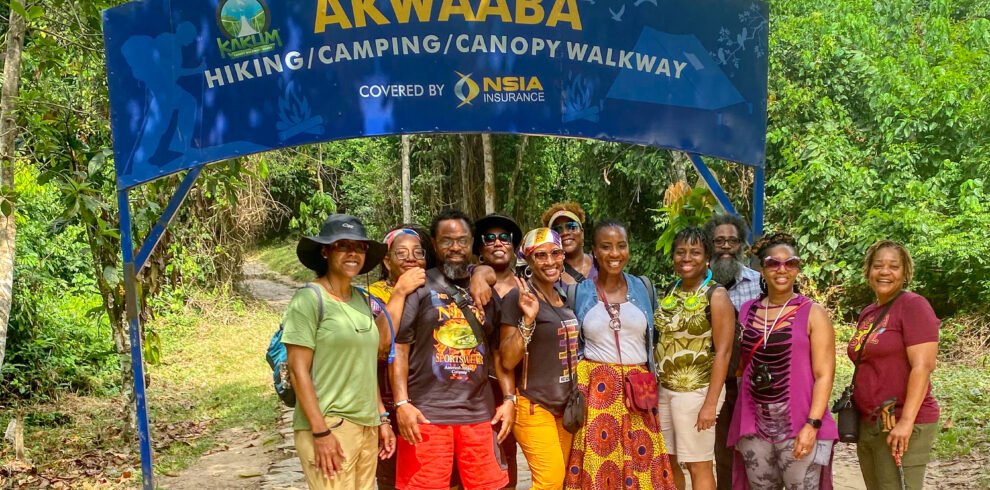
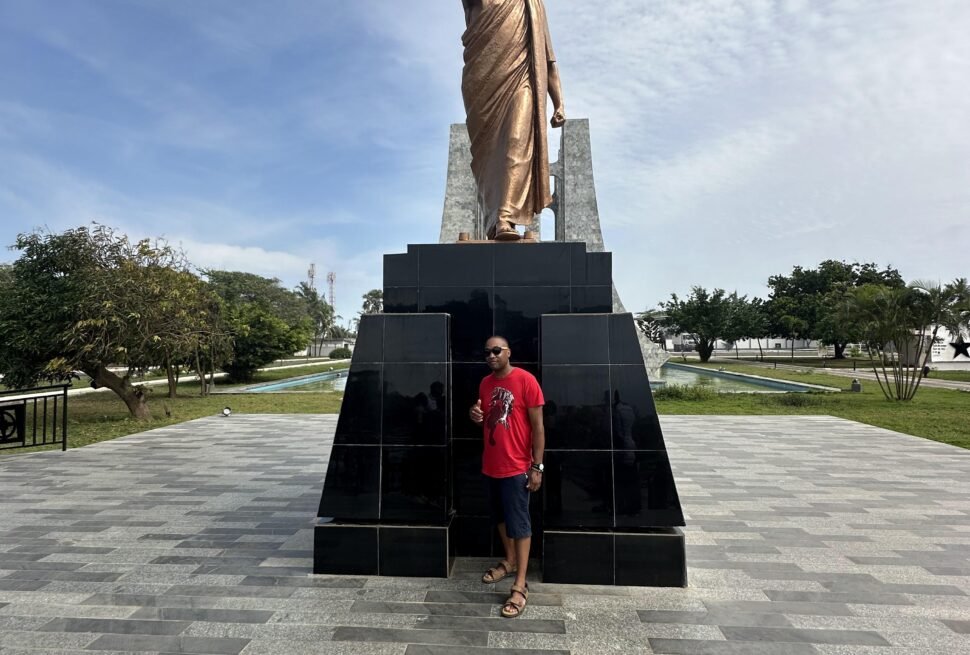
Discover Cape Coast Historical Tour First, three iconic landmarks—Cape Coast Castle, Elmina Castle, and Kakum National Park—weave compelling stories of…
Budget Transparency for Faculty and Parents
Clear financial communication builds trust with school boards and parents. Create a detailed budget breakdown that explicitly separates student costs from faculty-led volunteer abroad programs. For students, include line items for airfare, visas, insurance, accommodation, and service donations. A 15% contingency buffer is vital for handling currency fluctuations or unexpected logistical changes. By providing this transparency, you reduce mid-trip friction and showcase the professional rigor of your school’s travel department.
Logistics and Program Planning when considering trip for IB schools to Africa
Preparation begins at least twelve to eighteen months in advance. First, define the academic objectives. Are you focusing on marine biology in the Seychelles, social studies in Rwanda, or environmental science in South Africa? Once the curriculum goal is clear, the destination will follow. Once selected, book your guided educational tours with local partners who have proven experience with student groups.
For accommodations, prioritize sites that allow for safe yet authentic interactions. While homestays provide unparalleled cultural immersion, they require strict background vetting for every host family. Lodges, mission houses, or campus dormitories are often better suited for the safety management requirements of a school trip. Request video tours or references from other schools if you cannot visit the site yourself before the group arrives.
Frequently Asked Questions (FAQ) for trip for IB schools to Africa
We recommend a lead time of 12 to 18 months. This allows sufficient time for site vetting, curriculum alignment, permit acquisition, and parental information sessions.
Work with a travel clinic at least three months before the trip. Ensure every student has updated routine vaccines, specific regional requirements like Yellow Fever, and a personalized medical plan for malaria prophylaxis if visiting endemic zones.
Schedule a 30-minute reflection session every evening. Use journals and guided discussion prompts based on the seven IB learning outcomes to help students document their impact and personal growth in real-time.
We strongly recommend focusing on one or two distinct regions. Excessive travel increases logistical fatigue, safety risks, and costs, while significantly reducing the time available for meaningful community engagement and service work.
Maintain a clear, written crisis management plan that includes the contact info for the nearest international-standard hospital, a direct line to the school administration at home, and a designated staff member responsible for communicating with parents.