TL;DR: The Adventurer’s Summary
A travel visa is an official government permit that grants a foreign national legal entry, transit, or residence for a specific timeframe. Always verify your destination’s unique requirements at least eight weeks before your trip to ensure your entry authorization is secure.
Understanding what is a travel visa is the most critical step in planning any international journey. Whether you are traveling for leisure, business, or education, your ability to cross borders depends entirely on having the correct documentation. Many travelers make the mistake of assuming their passport is the only document they need, but in most cases, you also require specific entry authorization issued by the host country’s government.

Defining What Is a Travel Visa and How It Works
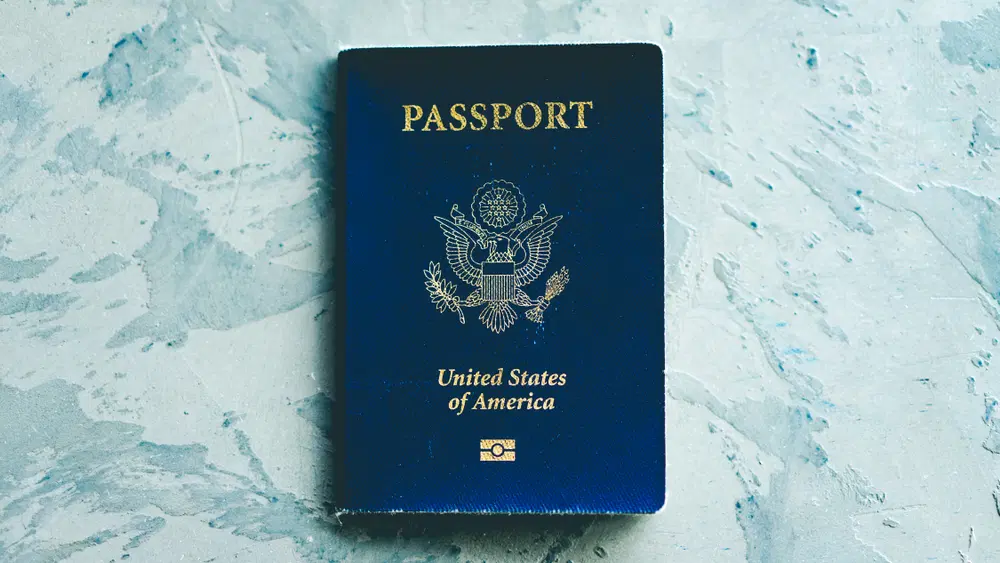
At its core, a visa is an official endorsement or a digital record placed on your passport by a country’s immigration authorities. It signifies that your credentials have been reviewed and you have been granted permission to enter, transit, or stay within that nation’s borders for a defined period. While your passport is your identity document, the visa acts as the legal key that unlocks the specific border.
Think of it as a conditional agreement. The visa sets parameters, such as the purpose of your visit—be it tourism, employment, or academic study—and the duration of your stay. When you arrive at your port of entry, immigration officials perform a final check to confirm that your documents are valid and that your presence aligns with the terms of the issued permit. Remember, simply holding a visa does not automatically guarantee entry; immigration officers maintain the final authority to determine your admissibility based on your current circumstances.
Common Types of Entry Authorization
Understanding the distinction between visa categories is vital for a smooth travel experience. Each type comes with unique rules regarding your allowed activities and stay duration:
Tourist Visas: These are designed for leisure travelers. They typically allow for short-term stays, ranging from a few weeks to several months, but they strictly prohibit any form of paid employment or business ventures within the country.
Business Visas: These are for professionals attending meetings, conferences, or negotiations. While they allow for business interaction, they do not grant the right to engage in local labor or earn a salary from a domestic company.
Transit Visas: Essential for travelers who are passing through a country’s airport or territory en route to a final destination. Depending on the duration of your layover, some countries require this specific permit even if you never leave the airport.
Work and Student Visas: These are more complex and require official sponsorship from a company or educational institution within the host country. They involve deeper scrutiny and often require more comprehensive health and background documentation.
Physical Stickers, E-Visas, and Visas-on-Arrival
The methodology for obtaining travel authorization has shifted toward digitalization. Understanding the difference between these formats is key to your preparation:
Sticker Visas: These are traditional, physical documents that must be obtained via a consulate or embassy. You send your passport to the relevant office, and the sticker is physically affixed to one of your pages. This often requires weeks of planning and potential courier fees.
E-Visas: Increasingly common, these are processed entirely online. You upload your documents, pay the fee, and receive an authorization document via email. It is crucial to print a physical copy of your e-visa to present at the airport, as digital systems can occasionally experience technical downtime.
Visas-on-Arrival: Some countries provide the convenience of allowing you to apply and pay upon landing. While this sounds easier, it carries risks. If you do not have the exact currency, the required supporting documents, or if your flight arrives after hours, you could face significant delays or even be denied boarding. For detailed guidance on specific requirements, consult our comprehensive travel documentation guide to verify if your destination supports this method.

Experience the Cape Coast and Elmina Tour First, this Cape Coast and Elmina Slave Castle Tour provides a profound journey…
Navigating Timelines and Validity Periods
Managing your timeline is a critical part of the application process. Embassies usually suggest starting your application at least eight weeks before your departure date. This buffer allows time for administrative processing, document corrections, or unforeseen delays.
Pay careful attention to the difference between the “validity period” and the “duration of stay.” The validity period is the timeframe in which you can use the visa to enter the country, whereas the duration of stay is the actual number of days you are permitted to remain once you cross the border. Overstaying your limit is a serious violation that can lead to heavy fines, detention, or future travel bans.
Always consult official resources for international travel requirements, such as the United Nations World Tourism Organization, which provides valuable updates on international border policies and standardized travel regulations for global travelers.

Practical Checklist for Your Visa Application
To ensure your application is successful, maintain an organized folder containing both digital and physical copies of your travel documentation. Being prepared will significantly reduce stress at both the embassy and the airport.
Essential items for most visa applications include:
- Valid Passport
Ensure it has at least six months of remaining validity. Many countries will refuse entry if your passport is set to expire within this window.
- Proof of Funds
Ensure it has at least six months of remaining validity. Many countries will refuse entry if your passport is set to expire within this window.
- Travel Itinerary
A confirmed round-trip ticket or a flight reservation serves as evidence that you intend to leave the country at the end of your visit.
- Proof of Accommodation
Hotel reservations, booking confirmations, or an invitation letter from a resident of the country you are visiting.
- Passport-sized Photos
Always carry a few extra prints that meet the specific dimension requirements set by the consulate.
Organizing these items in a clear, labeled folder helps you stay calm during the application process and provides a ready resource if immigration officers request proof of your travel plans at the port of entry.

Experience the Best of Mole Park Wildlife Safari Mole Park Wildlife Safari is Ghana's largest game park, providing the ultimate…
Common Mistakes to Avoid when considering what is a travel visa
First-time travelers often fall into the trap of assuming that travel between neighboring countries is automatically visa-free. Even within regional blocs, nations maintain sovereign borders, and each may have different rules regarding entry. Never assume that a visa for one country covers you for another.
Another common oversight is failing to verify the specific entry requirements for your passport’s country of issuance. Travel policies can differ depending on your nationality. Always check the embassy website of your destination for the most current rules. Relying on outdated blog posts or hearsay can result in your denied boarding at the airport. Consistency in your paperwork, from the spelling of your name to the dates of your travel, is essential to avoid being flagged by automated immigration systems.
Finally, always keep a secondary copy of your documents separate from your originals. If you happen to misplace your physical bag, having digital backups on a secure cloud server or a physical copy in your carry-on can be a lifesaver. This simple preparation protects you against common travel mishaps and allows you to enjoy your trip with peace of mind.

Frequently Asked Questions (FAQ) for what is a travel visa
A passport is your primary identity document issued by your home country, certifying your citizenship. A visa is an endorsement provided by the destination country that grants you legal permission to enter, transit, or remain within their borders for a specific timeframe.
Yes. A visa is authorization to travel to the border, but the final decision is made by the immigration officer at the port of entry. If you cannot provide proof of return travel, sufficient funds, or if your purpose of stay is unclear, you may be denied.
Processing times vary by destination and nationality. E-visas may be processed within 48 to 72 hours, whereas traditional, embassy-based applications for tourist or work visas can take anywhere from three to eight weeks.
You must contact the nearest embassy or consulate of your home country in your destination nation immediately. They can help facilitate the reporting of the lost document and guide you through the process of obtaining a replacement or temporary travel authorization.
Generally, yes, unless those countries are part of a specific visa-exempt agreement or a regional bloc that shares entry policies. Always verify the individual requirements for every country on your itinerary, even if you are just passing through for a few hours.