TL;DR: The Adventurer’s Summary
Ghana offers a unique mix of historical reflection and stunning natural beauty. The top 10 tourist attractions in Ghana, such as Cape Coast Castle and Mole National Park, are best navigated using reliable STC intercity buses. Always keep local currency (GHS) available for site fees and hire official guides at protected sites to ensure a smooth, respectful experience.
Identifying the top 10 tourist attractions in Ghana is the first step toward crafting an unforgettable West African itinerary. Whether you are navigating the somber history of coastal slave trade forts or trekking through lush national parks, Ghana provides a deeply rewarding experience for every type of traveler. This guide provides the practical logistics, expected costs, and seasonal advice you need for the 2025/2026 travel season.
Understanding the Top 10 Tourist Attractions in Ghana
Ghana is a nation defined by its diverse geography. From the bustling streets of Accra to the northern plains of the Savannah region, the country rewards those who plan their travel routes efficiently. Below, we examine the most essential landmarks that anchor any comprehensive travel guide to Ghana.
1. Cape Coast Castle
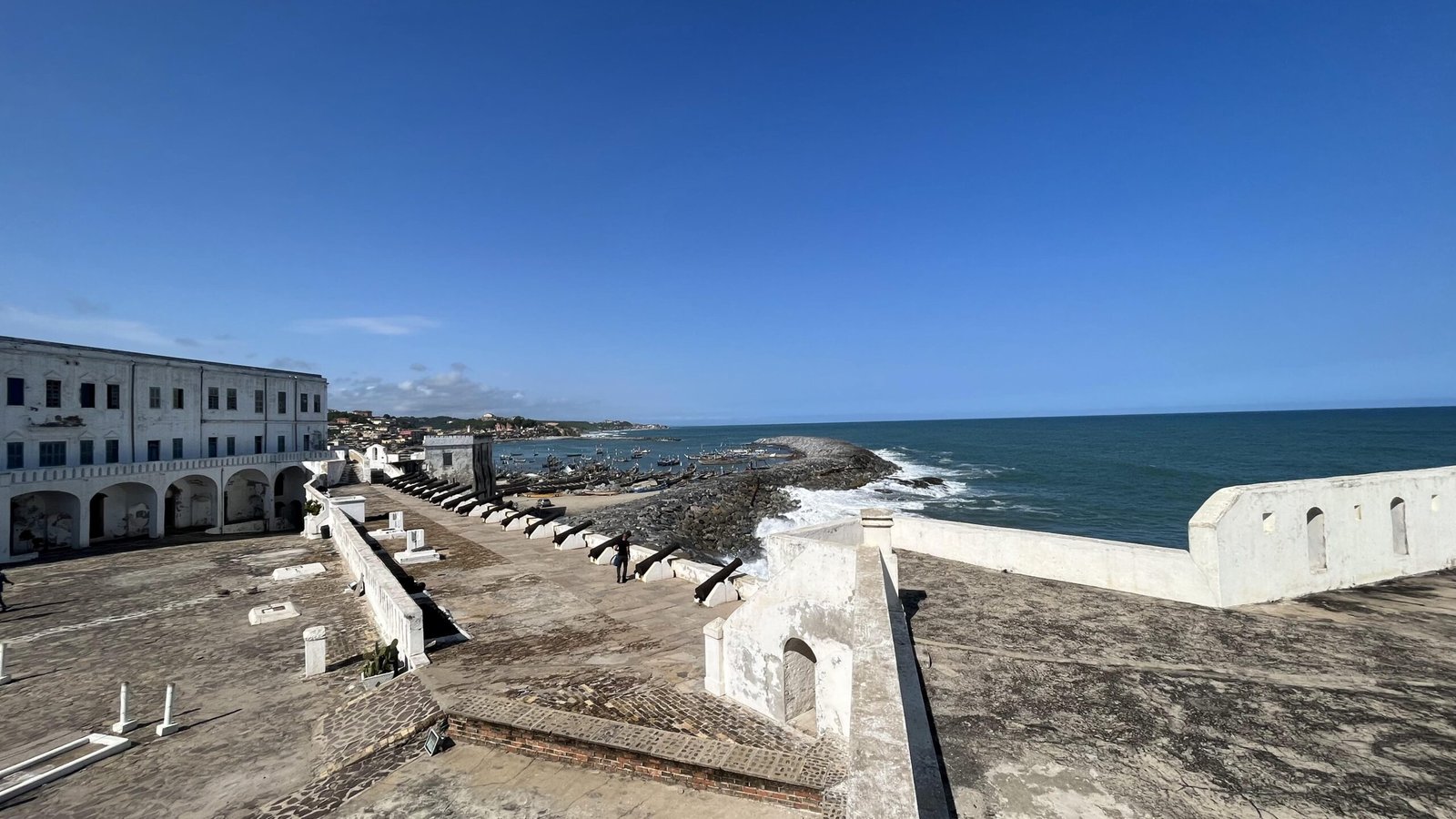
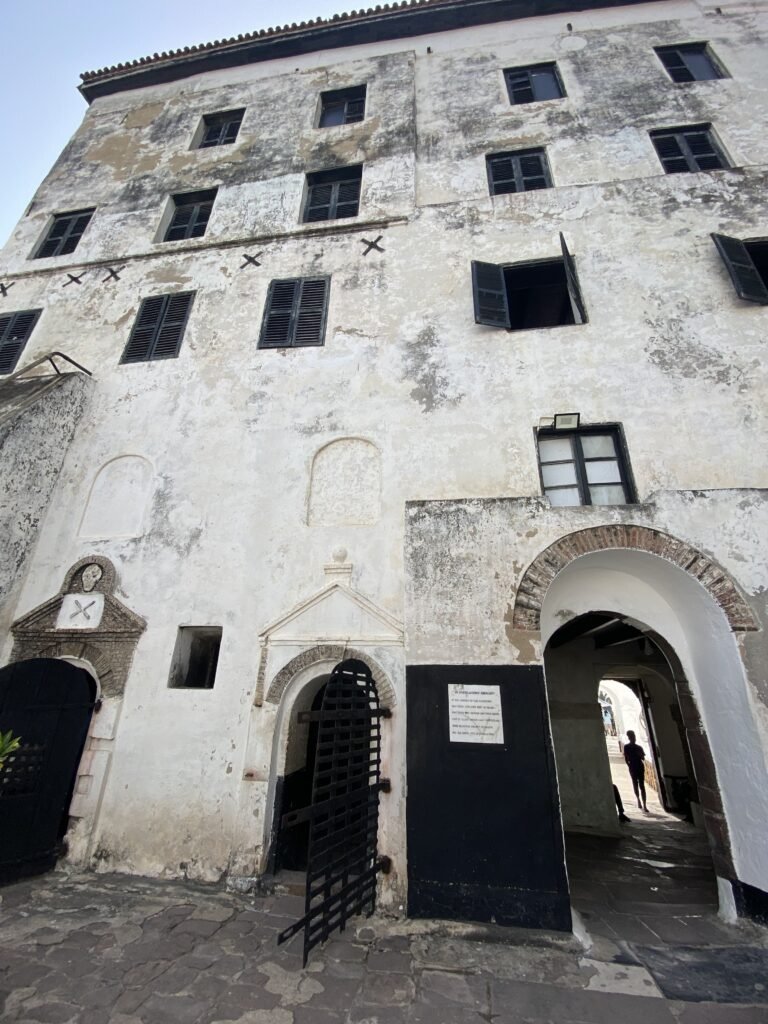
Cape Coast Castle stands as a solemn monument to the transatlantic slave trade. As a UNESCO World Heritage site, it remains one of the most critical historical sites in Ghana. Visitors can walk through the dungeons and the museum. Entry fees for international tourists are currently around 60 GHS to 80 GHS. It is best to arrive early in the morning via STC bus from Accra. You can find more detailed logistical advice in our comprehensive travel guide for historical sites to help plan your visit.
2. Mole National Park
As the largest of all Ghana national parks, Mole offers unmatched opportunities to see elephants and antelopes in their natural habitat. Foreign visitors should expect entry fees of approximately 100 GHS, excluding the mandatory guide fees for walking safaris. The dry season, running from November to March, offers the best wildlife viewing as animals congregate at waterholes. Always use the official park-sanctioned guides to ensure safety and quality of experience.
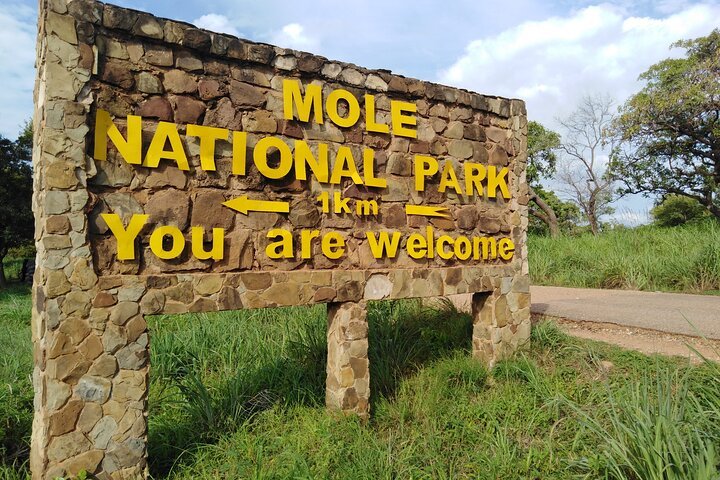
Experience the Best of Mole Park Wildlife Safari Mole Park Wildlife Safari is Ghana's largest game park, providing the ultimate…
3. Kakum National Park
Kakum National Park is world-famous for its suspended canopy walkway, which provides a unique perspective of the rainforest. Located just a short drive from Cape Coast, it is highly accessible for a day trip. The facility includes a visitor center with clean restrooms and a café. International entry fees are typically around 80 GHS, and the site is well-maintained for tourists.
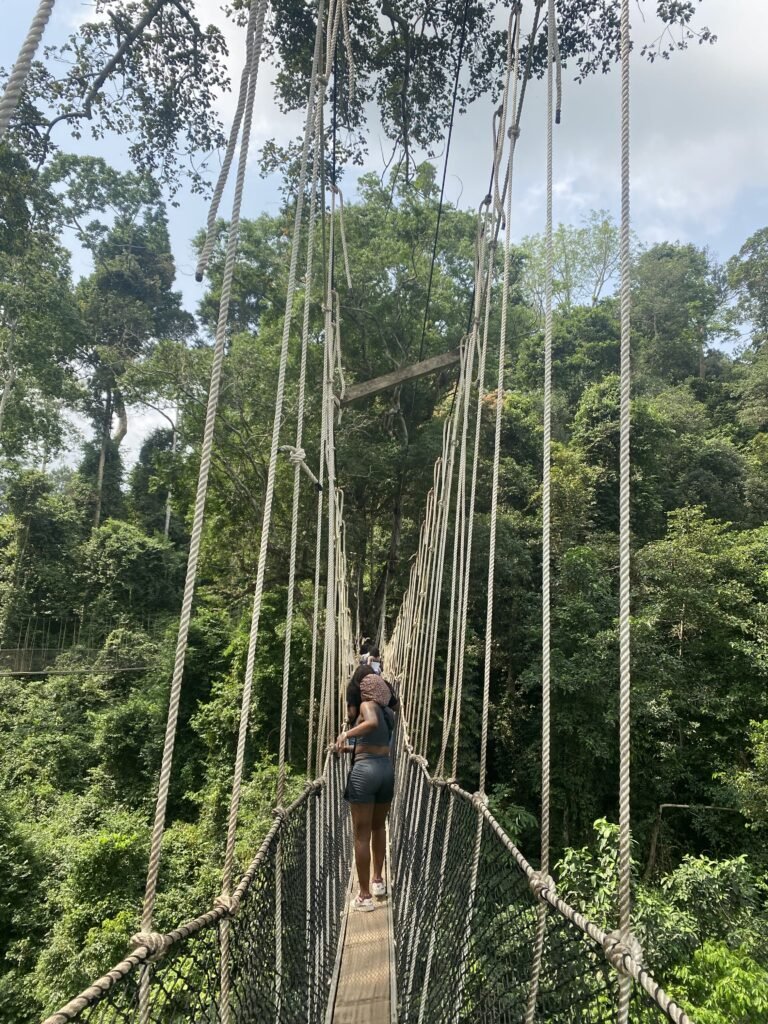
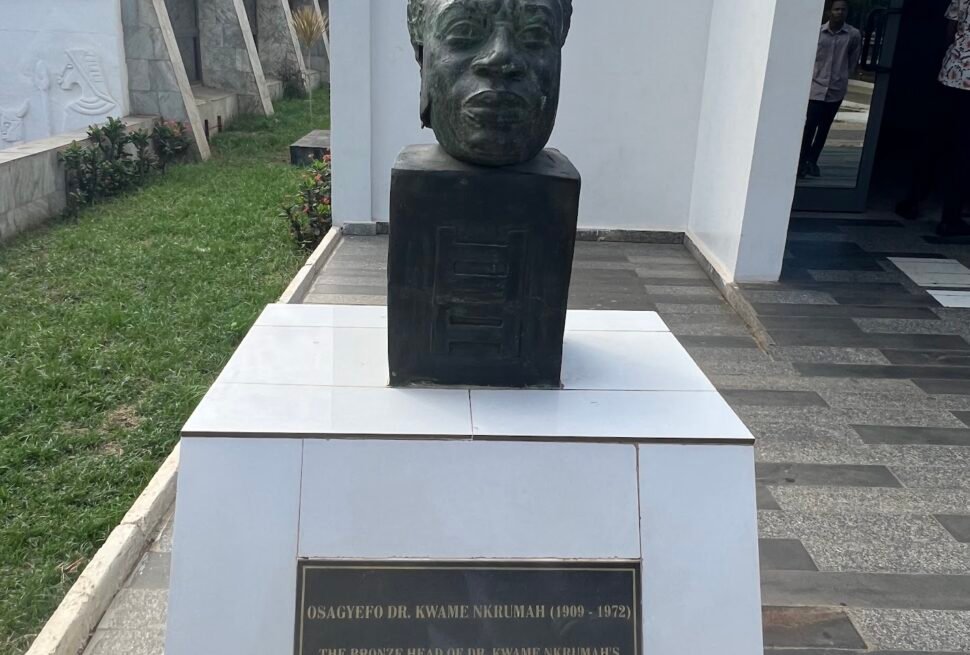
4. Kwame Nkrumah Memorial Park
Located in the heart of Accra, this park pays tribute to Ghana’s first president. The mausoleum and museum offer vital context for the nation’s journey toward independence. It is a peaceful, well-manicured space that is perfect for a morning walk in the capital. It is generally open daily from 9:00 AM to 5:00 PM.
5. Wli Waterfalls
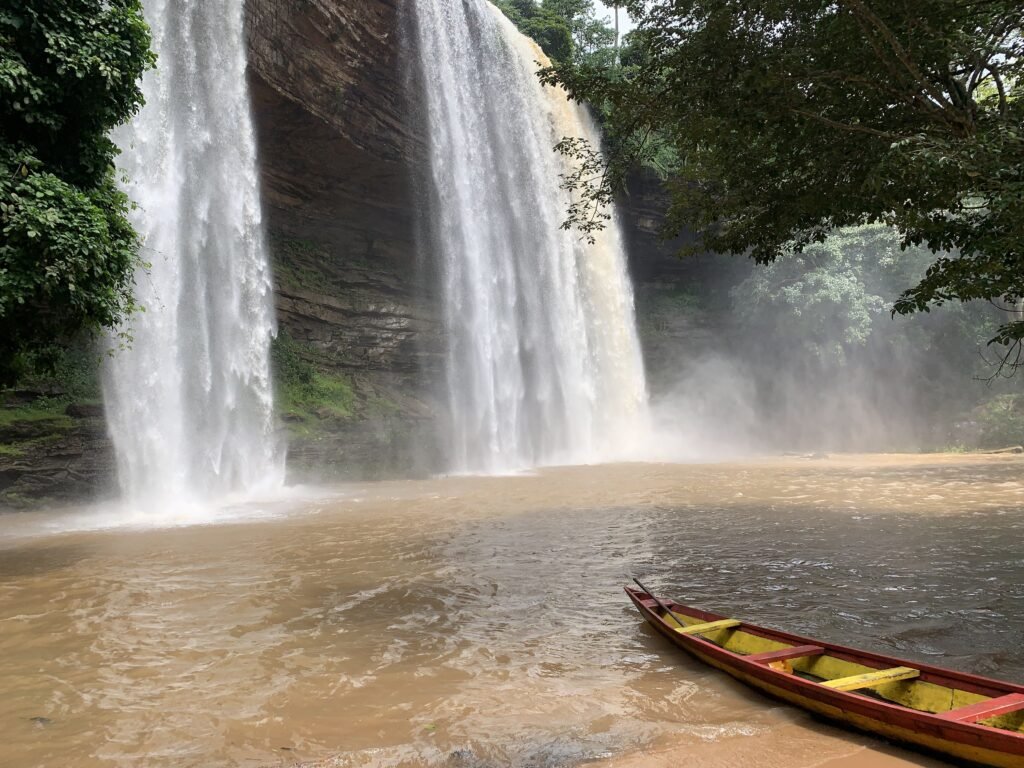
Known as the tallest waterfall in West Africa, Wli Falls in the Volta Region requires a beautiful 45-minute trek through the forest. It is advisable to use local guides at the visitor center. While the official entry fee is minimal, remember to account for tips and potential local community levies when budgeting for this excursion.
6. Elmina Castle
Elmina Castle is the oldest European-built structure in sub-Saharan Africa. It serves as a poignant counterpart to Cape Coast Castle. The site’s white walls provide a sharp contrast to its tragic history. At any rate expect to spend at least two to three hours here. Admission is roughly 60 GHS, and visiting on a weekday can help you avoid the largest crowds from weekend school trips.
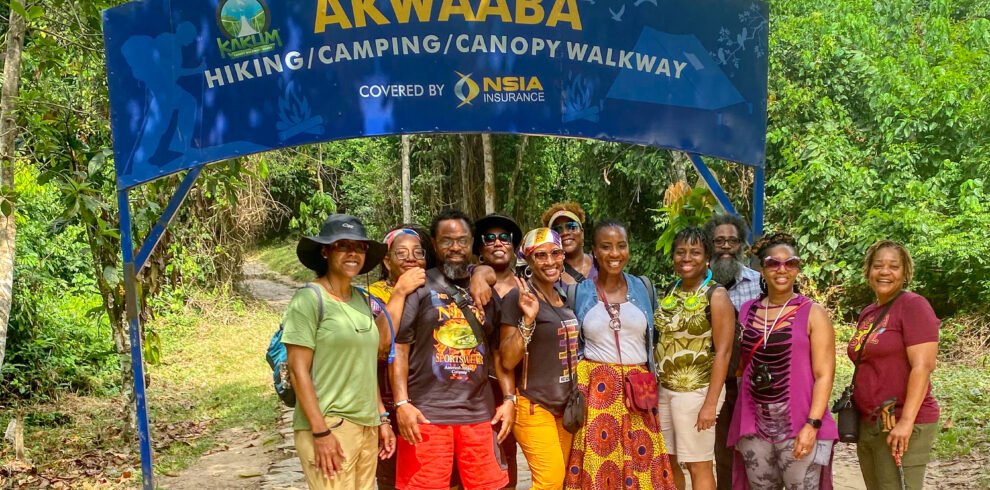
Discover Cape Coast Historical Tour First, three iconic landmarks—Cape Coast Castle, Elmina Castle, and Kakum National Park—weave compelling stories of…
7. Lake Bosomtwe
Formed within an ancient meteorite crater, Lake Bosomtwe is a place of profound serenity near Kumasi. It is ideal for swimming, hiking, or relaxing in a hammock. Hire a private taxi or a local tour operator from Kumasi for the best logistical experience, as public transport options to the lakefront are infrequent.

8. Aburi Botanical Gardens
Escape the humidity of Accra by heading up into the Akuapem Hills. The Aburi Botanical Gardens are a botanical treasure trove and a favorite spot for locals. Entry is very affordable, usually around 30 GHS for foreigners. It is perfect for a quiet afternoon picnic and provides a cool reprieve from the coast.
9. Busua Beach, top 10 tourist attractions in Ghana
I f you are looking for the best places to visit in Ghana for relaxation, Busua Beach in the Western Region is the answer. It is a haven for surfers and those wanting a quieter coastal atmosphere. Transport to the Western Region is best achieved via comfortable buses from Accra or Takoradi.
10. Boabeng Fiema Monkey Sanctuary
This sanctuary represents a unique model of community-based conservation where monkeys and humans coexist. It is a heartwarming stop for families. Entry fees are small and go directly toward the support of the local community. It is a fantastic example of sustainable Ghana tourism that directly benefits the local residents.
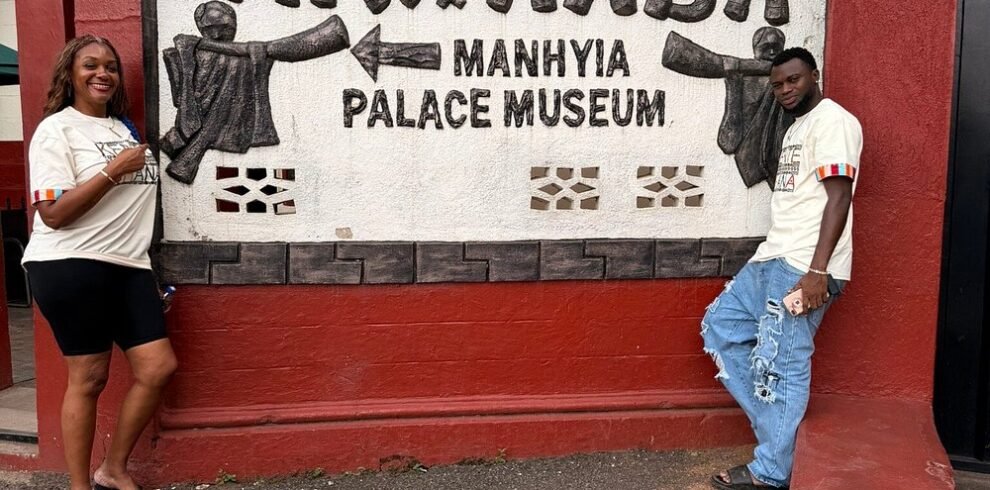
Discover Kumasi History Day Tour | Ashanti Region Experience Kumasi History Day Tour & Ashanti Region Heritage First, culture lovers…
Practical Travel Logistics and Planning when it comes to top 10 tourist attractions in Ghana
Navigating Ghana requires a mix of patience and planning. The Intercity STC Coaches remain the most reliable choice for travel between major urban centers like Accra, Kumasi, and Tamale. For smaller towns, trotros (minibuses) are the standard, accordingly, though they may feel crowded for those with large luggage. Always carry small denominations of the Ghanaian Cedi (GHS) for smaller transactions, as change can be difficult to provide for larger notes. For the most up-to-date information on entry requirements and safety alerts, please visit the official Ghana Tourism Authority website for official guidance.
When traveling, ensure your documents are accessible but secure. While Ghana is a very friendly and welcoming country, maintain the same safety vigilance you would in any other major travel destination. Always keep emergency numbers for your embassy or local contacts saved. Regarding facility accessibility, most major tourist sites now provide decent restroom facilities. Carrying personal hygiene supplies is a wise habit when traveling into more rural areas or remote national parks.
Remember that the dry season (November to March) is generally considered the best time for wildlife viewing and outdoor trekking. During the wet season, certain paths in northern parks may become difficult to navigate. Always plan for extra travel time between major cities; road conditions can vary, and unexpected traffic is common, especially when leaving Accra. By prioritizing these top sites and preparing for the logistics of local travel, your journey through this West African gem will be both productive and deeply meaningful.
Frequently Asked Questions (FAQ) for top 10 tourist attractions in Ghana
The dry season, from November to March, is widely considered the best time to explore, as roads are clearer and national parks offer better wildlife visibility.
Most international travelers do require a visa to enter Ghana. You should apply well in advance through your local Ghanaian embassy or via the official e-visa portal where applicable.
Yes, English is the official language of Ghana and is used for government, education, and business, making navigation quite easy for international visitors.
It is recommended that visitors stick to bottled or treated water throughout their stay to prevent water-borne illnesses.