TL;DR: The Adventurer’s Summary
Cape Coast is the heart of Ghana’s heritage tourism. Most travelers spend two to three days in the region to visit the major castles and Kakum National Park. Expect to pay higher entry fees as an international visitor. Public transport (trotros) is affordable, but hiring a private car remains the most efficient way to navigate between sites.
When planning a trip to Ghana, few destinations hold as much significance as the Central Region. Every major tourist site Cape Coast offers provides a window into the complex history and vibrant natural beauty of the country. From the sobering architecture of the colonial-era castles to the exhilarating heights of the coastal rainforests, this region demands your time and respect. This guide is designed to help you navigate these iconic locations with confidence, covering everything from logistics to historical context.
Understanding Every Major Tourist Site Cape Coast Has to Offer
The Central Region is unique because it blends deep, often painful historical narratives with breathtaking ecological wonders. Many visitors arrive expecting only history, yet they often leave surprised by the biodiversity found in the surrounding inland areas. It is helpful to treat your trip as a balanced itinerary of reflection and exploration. Whether you are interested in Ghana heritage tourism or simply wish to experience the beauty of the coast, planning is essential.
Cape Coast Castle and the Legacy of the Trans-Atlantic Slave Trade
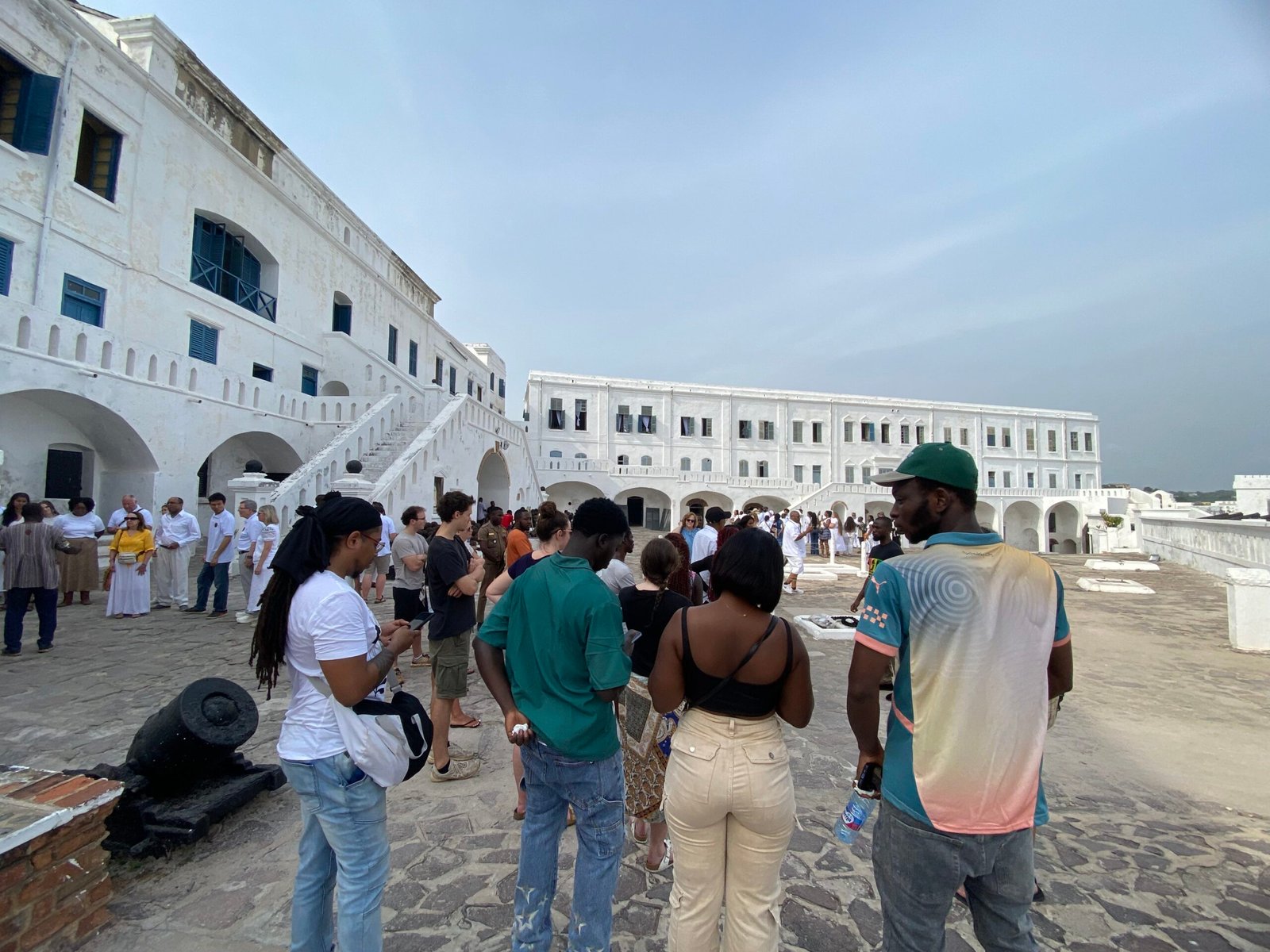
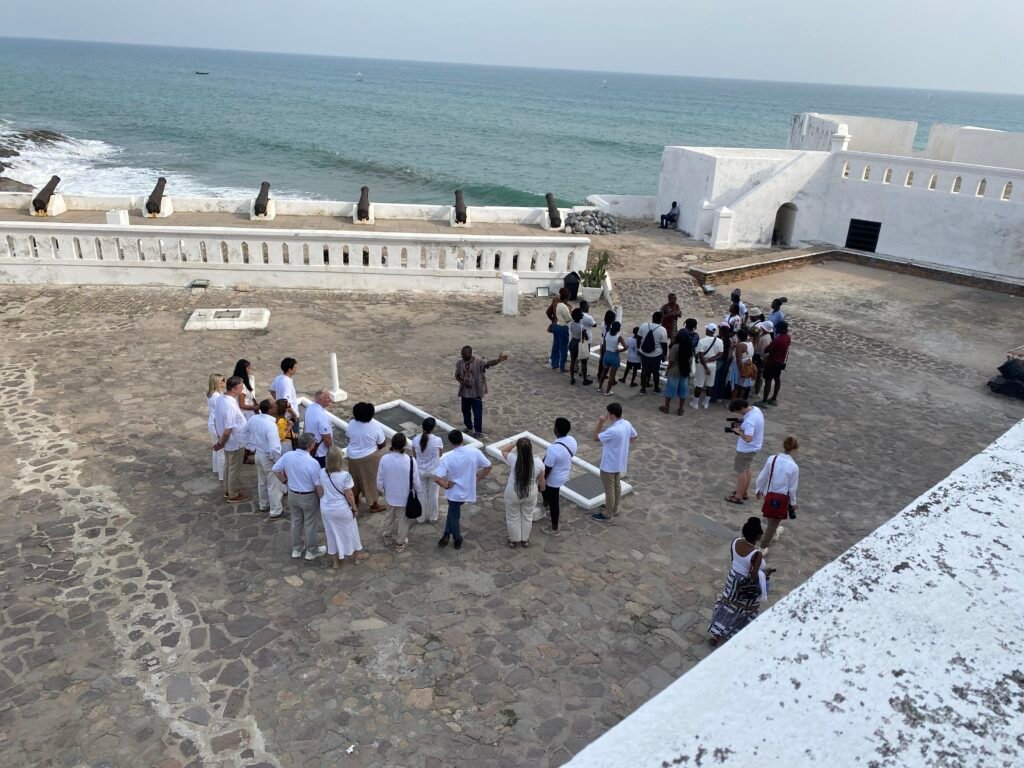
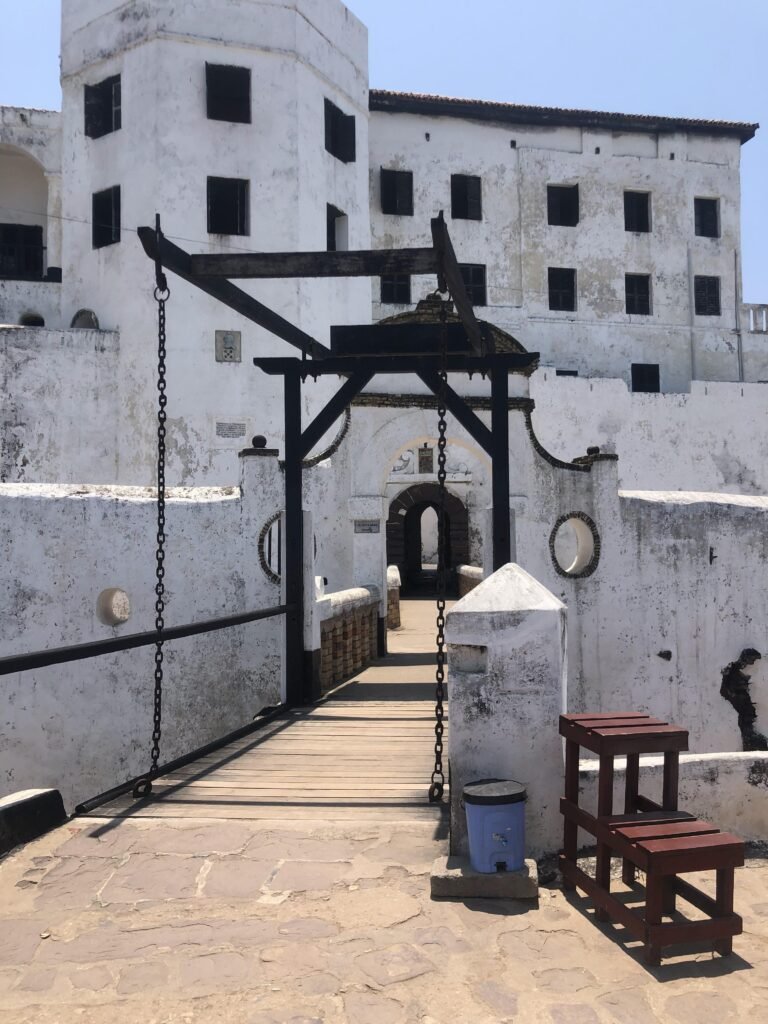
Cape Coast Castle is perhaps the most visited site in the region. It stands as a profound monument to the trans-Atlantic slave trade. The guided tours here are mandatory for understanding the human scale of the tragedy. You will walk through the male and female dungeons. And pass through the ‘Door of No Return.’ It is a heavy experience. But it is necessary for anyone interested in African history. The castle remains a Cape Coast Historical Day Tour staple.
Kakum National Park and the Canopy Walkway
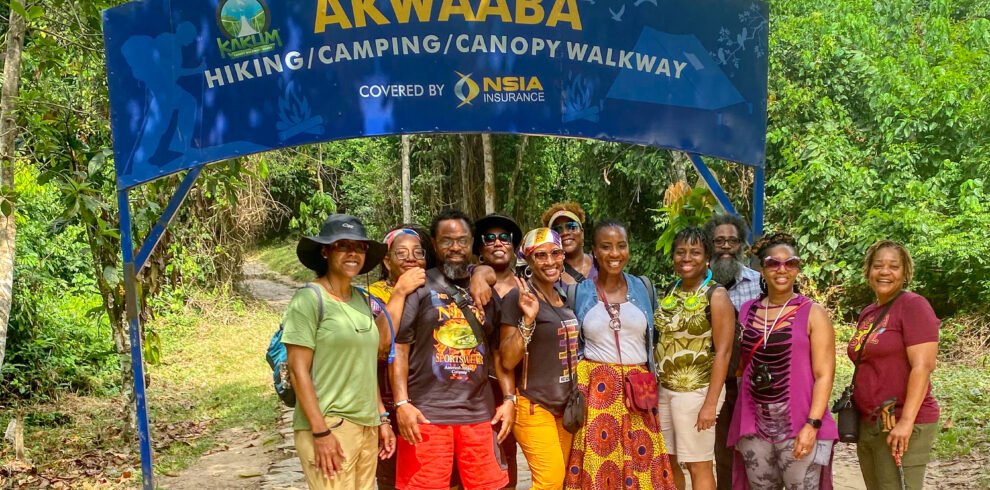
After the emotional intensity of the coastal forts, Kakum National Park offers a different perspective on Ghana. This park is home to a famous canopy walkway, suspended 30 meters above the forest floor. It provides a rare bird’s-eye view of the tropical canopy. Because the park is located about 30 kilometers north of the town, you should plan your transport accordingly. Early morning arrivals are best to avoid the midday heat and the largest crowds. When arriving at the visitor center, you will find basic restrooms. But it is best to pack your own supplies like hand sanitizer and tissues. While mobile data is spotty, the reception area is a good place to double-check your plans.
Discover Cape Coast Historical Tour First, three iconic landmarks—Cape Coast Castle, Elmina Castle, and Kakum National Park—weave compelling stories of…
Elmina Castle: A Complementary Historical Experience
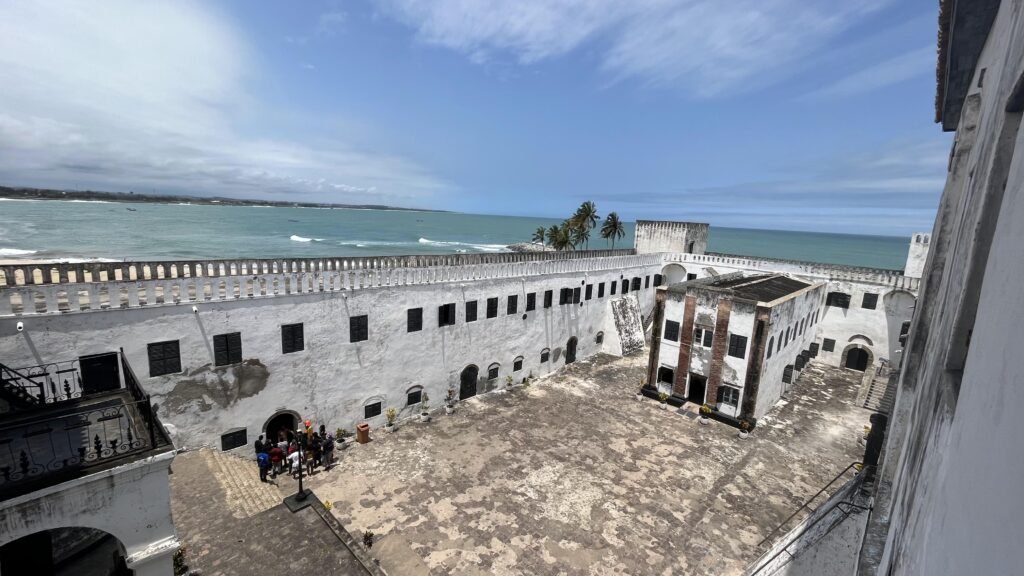
Do not skip Elmina Castle. Located just a short drive from Cape Coast, it is older and arguably more architecturally imposing. Founded by the Portuguese in 1482, it served as a key trade hub long before it became part of the slave trade. Comparing the two castles reveals different facets of colonial strategies in West Africa. The fishing harbor nearby is also highly photogenic and offers a lively contrast to the somber history within the castle walls. It is a must-see for anyone exploring Central Region attractions.
Practical Logistics for Your Central Region Journey
Navigating the region requires a bit of planning. Infrastructure varies, and understanding how to get around will save you significant time. Whether you choose public transport or private hire, knowing the local systems is key to a smooth experience.
Transportation and Getting Around tourist site Cape Coast
Most travelers arrive via the main highway from Accra. You have three primary options: the STC bus, private taxi hire, or shared trotros. The STC bus is the most comfortable and reliable choice for the three-hour journey from the capital. Once in town, hiring a private driver for the day is the best way to visit multiple sites. This gives you flexibility and control over your schedule. Trotros are much cheaper, but they are often crowded and do not run on fixed schedules, which can be frustrating for those on a tight timeline. If you prefer to hire a car, your hotel in Cape Coast can usually arrange a vetted local driver who is familiar with the route to Kakum and Elmina.
Entry Fees and Financial Planning when considering tourist site Cape Coast
Official fees for historical sites are typically tiered. International visitors usually pay in Cedis (GHS), and prices are significantly higher than the rates for Ghanaian citizens. As of the most recent updates, you can expect to pay around 60-80 GHS for international entry at the castles, though this can shift. For the latest official information regarding heritage sites, consult the Ghana Tourism Authority website. Always carry more cash than you think you need, as digital payment infrastructure is still developing in the region, particularly for smaller vendors or local transport.

Experience the Cape Coast and Elmina Tour First, this Cape Coast and Elmina Slave Castle Tour provides a profound journey…
Accessibility and Infrastructure when it comes to tourist site Cape Coast
At the major sites like the castles and Kakum, you will find basic restroom facilities. However, these are not always equipped with high-end amenities, so bringing your own hand sanitizer and tissue is a sensible precaution. Connectivity is improving, but do not rely on high-speed public Wi-Fi. Most cafes in the main town have internet, but the remote forest locations offer very limited signals. If you are mobility-impaired, please note that many historical buildings are not wheelchair-friendly due to steep stone stairs and uneven flooring. Always contact the site administrators in advance if you require assistance or special access options.
Travelers often overlook the importance of local guides. While there are plenty of free resources, hiring a professional guide through the main visitor centers ensures you get accurate historical information. Many of these guides are well-versed in the oral histories of the communities surrounding the sites. Taking a guided tour is arguably the most impactful way to support the local economy while gaining a deeper understanding of the region’s complex past. It is standard to tip your guide at the end of the tour, and while there is no fixed amount, 20-50 GHS is generally considered generous and greatly appreciated for a high-quality experience.
When packing for your trip, keep the weather in mind. The Central Region can be quite humid. Breathable clothing, comfortable walking shoes for the uneven floors in the castles, and sturdy footwear for the rainforest trails are essential. Don’t forget a hat and sunscreen, as the sun near the coast is very intense. If you plan on visiting during the peak of the rainy season, a compact umbrella is a must-have, as showers can appear quite suddenly. Taking these small steps will ensure you are prepared for whatever the day brings.
Frequently Asked Questions (FAQ) for tourist site Cape Coast
The dry season, from November to March, offers the best weather for exploring outdoor sites like Kakum without the interruption of heavy tropical rains.
Yes, the entry fees for both the castles and the national park generally include a guided tour. You are not required to pay extra for a guide, though tipping is a common and appreciated practice for a good experience.
The area is generally safe for travelers, but standard precautions apply. Use registered taxis or arranged transport, and avoid walking alone on remote beaches after dark.
While some upscale hotels and booking agencies accept cards, most entrance fees and local transport costs must be paid in cash. Always keep enough Ghanaian Cedis on hand.
Two days is the absolute minimum to see the two castles and the national park comfortably. Three days is ideal if you want to experience the local markets and the vibrant fishing culture of Elmina at a slower pace.