TL;DR: The Adventurer’s Summary
Ghana offers an incredible mix of history, nature, and culture. From the bustling streets of Accra to the serene canopy walks of Kakum National Park, there is something for every traveler. Always carry cash for local entrance fees, plan for private transport for remote sites, and prioritize official guidance for safety updates.
Identifying the most breathtaking Ghana beautiful places requires a blend of curiosity and local insight. This West African nation serves as a gateway to rich historical depth, vibrant urban energy, and vast, untamed natural landscapes. Whether you are searching for sun-drenched golden coastlines, rich biodiversity in rainforests, or profound cultural landmarks, this country delivers a unique experience. As you plan your itinerary, understanding the logistical nuances of travel is essential for ensuring your trip is both seamless and rewarding.
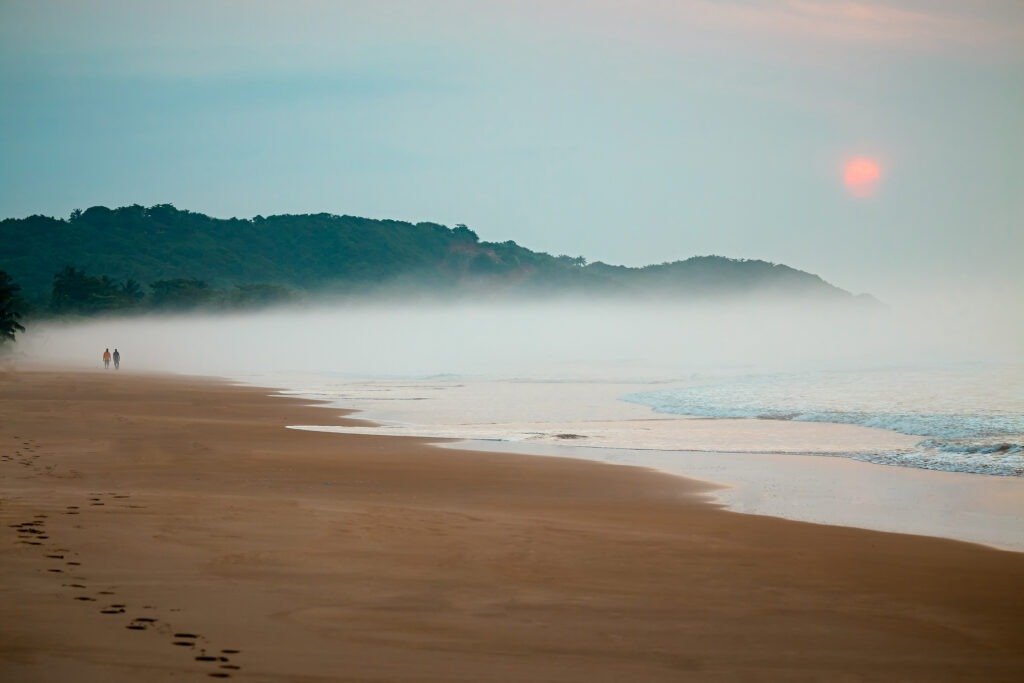
Exploring Ghana beautiful places: From Coast to Canopy
Geography dictates your journey in Ghana. The southern coastal regions are steeped in colonial history, while the interior offers lush vegetation and mountainous terrain. By segmenting your trip, you avoid long, unnecessary hours on the road. Understanding the logistics of getting between these regions is just as important as choosing the destinations themselves.
Cape Coast and Elmina: A Historical Reflection
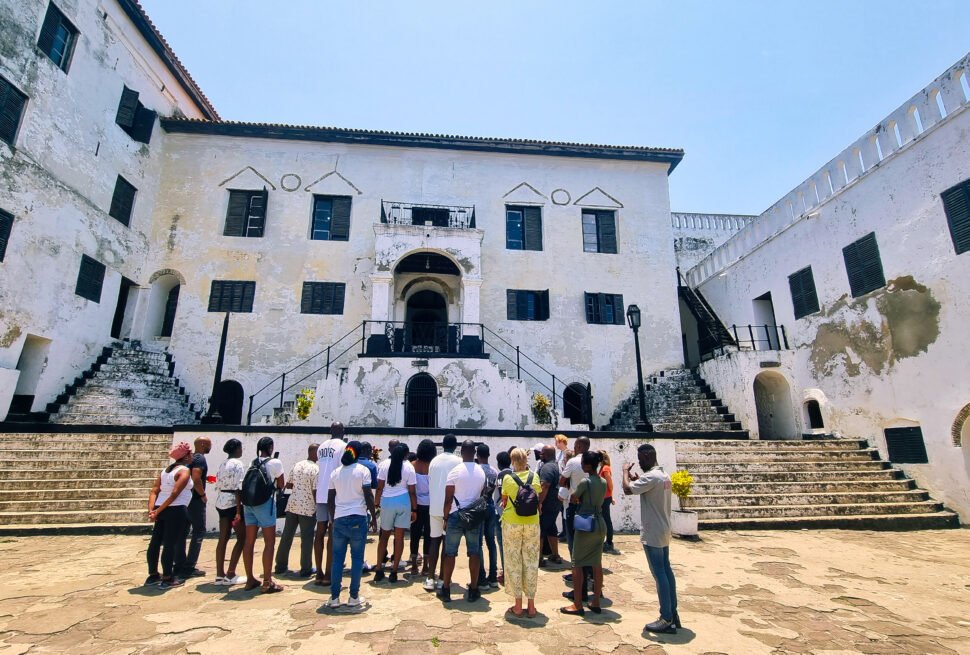
The Cape Coast and Elmina castles are among the most essential best places to visit in Ghana. These UNESCO World Heritage sites represent a somber and necessary chapter of human history. Expect entry fees for international visitors to be roughly 40 to 60 GHS. Be aware that most sites now charge a separate, mandatory fee for professional photography or video equipment, which can add approximately 20 to 50 GHS depending on your gear. Always check at the entrance, as policy changes occur seasonally.
To reach these sites from Accra, utilize the State Transport Corporation (STC) or VIP Jeoun buses. These operators offer air-conditioned, reliable services with fixed departure times. A typical fare ranges between 80 and 150 GHS. Upon arrival, taxis are the standard mode of transit between your hotel and the fortresses. Always negotiate the price before getting into the car to avoid confusion.
Kakum National Park: Into the Rainforest
Kakum National Park is a jewel for nature lovers, famous for its hanging canopy walkway. The park provides an immersive experience in the high forest. For international visitors, entrance and guided canopy tour fees currently hover between 50 and 80 GHS. I highly recommend arriving early, preferably by 8:30 AM, to avoid the heat and the midday influx of student groups. The experience is best when you have the walkway to yourself.
For those looking to expand their itinerary, Hidden Gems Ghana provides excellent insights into nearby highland activities. Extending your journey from the coast into the Volta Region allows you to see a completely different side of the country’s natural beauty.
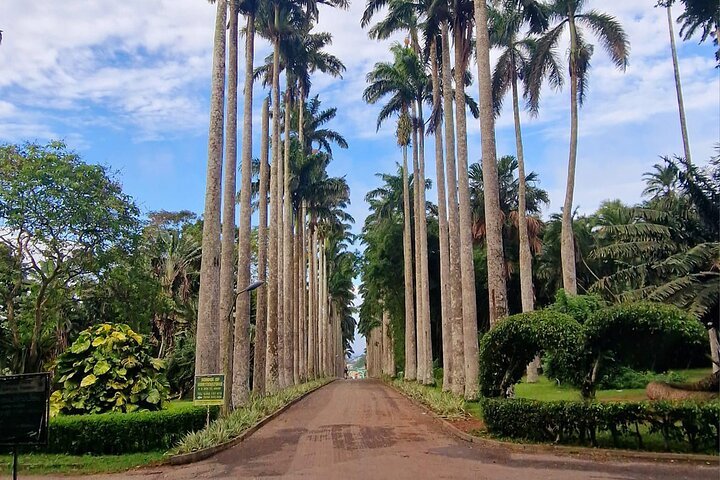
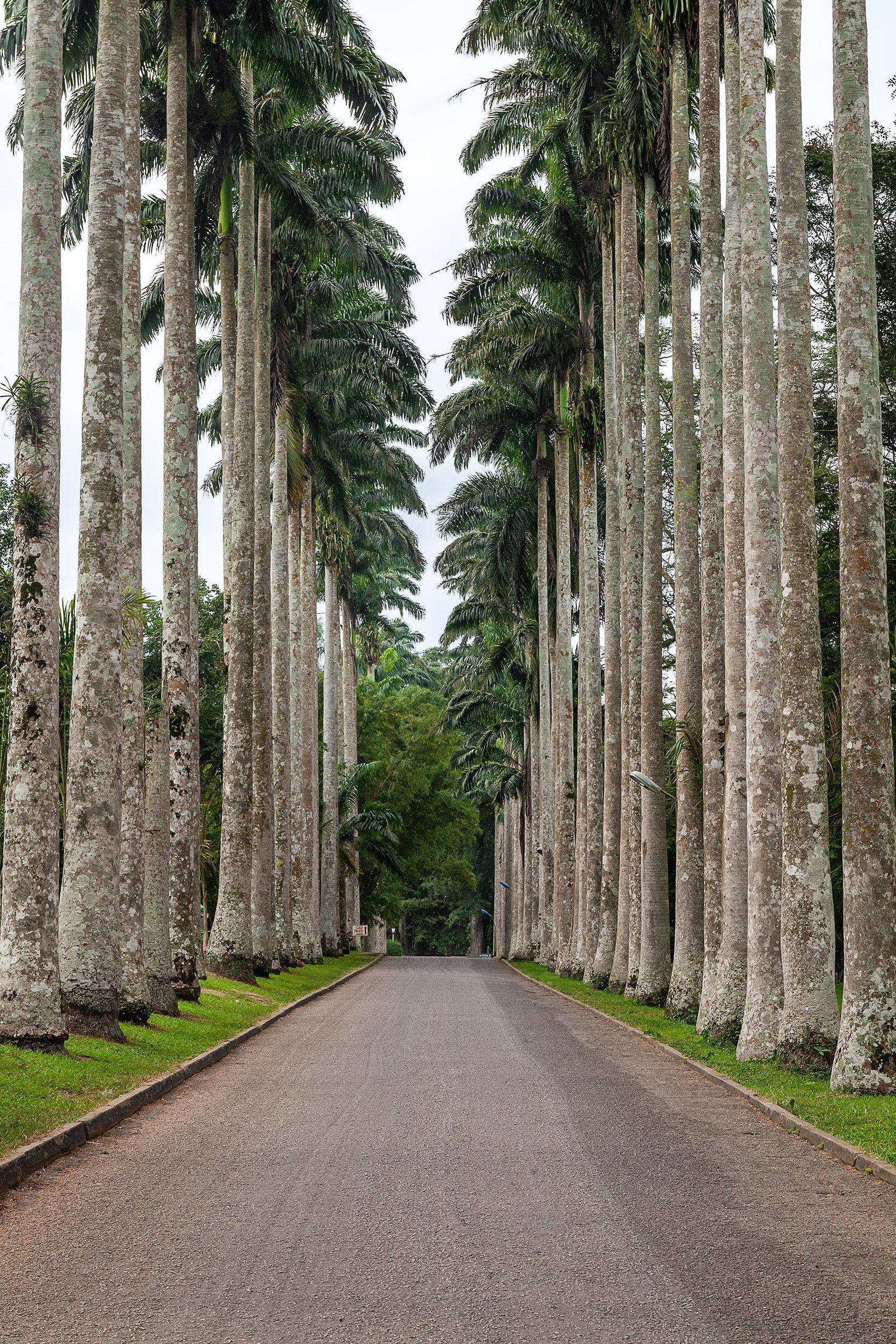
Discover Aburi Botanical Gardens Tour Experience Our Aburi Botanical Gardens Tour First, nature lovers explore four iconic destinations in Ghana's…
Accra: The Urban Heart. One of Ghana beautiful places
Accra is the beating pulse of the country. Beyond the Independence Arch and the Kwame Nkrumah Memorial Park, the city offers a blend of contemporary art galleries and traditional markets like Makola. While tro-tros (the local minibus system) are inexpensive, they are often crowded and difficult to navigate with luggage. Instead, use digital ride-hailing services like Uber or Bolt. These services offer transparent pricing and are generally safer for travelers unfamiliar with the city’s complex road network.
Practical Logistics and Infrastructure
When visiting the top Ghana tourist attractions, infrastructure varies significantly. In major cities like Accra, Kumasi, or Takoradi, you will find modern restrooms in hotels, malls, and chain restaurants. However, in rural areas, facilities can be sparse. It is a best practice to keep hand sanitizer, wet wipes, and tissues in your day bag. As for accessibility, many historical sites are located in older, protected buildings that may have steep, uneven stairs. If you require accessibility support, it is strongly advised to reach out to the site’s management at least 48 hours before your visit to see if special accommodations can be arranged.
For the latest updates on infrastructure improvements and site alerts, consult the official Ghana Tourism Authority website before finalizing your itinerary. They provide crucial data on seasonal closures and fee updates that could impact your travel planning.
Staying Safe and Healthy when considering Ghana beautiful places
Safety in Ghana is generally high for tourists. The primary challenges are environmental and logistical rather than criminal. Stick to bottled, sealed water at all times to prevent stomach issues. Regarding malaria, consult a travel health professional well in advance of your trip. Vaccination and prophylactic requirements can change, so obtain medical clearance before booking your flights.
When traveling to remote regions, such as the northern plains or deep forest areas, consider hiring a private 4×4 driver. This provides much more flexibility than public transport and ensures you have a knowledgeable guide who can navigate rural roads effectively. A dedicated driver can cost between 800 and 1,500 GHS per day depending on the vehicle type, distance, and duration of the trip.
Additionally, remember that Ghana is a cash-heavy society. While credit cards are accepted in high-end hotels and restaurants in Accra, you will need a steady supply of Ghana Cedis for markets, remote transport, and smaller site fees. Always inform your home bank of your travel dates to ensure your international cards do not get flagged for suspicious activity.
Being prepared is the hallmark of a successful trip. By focusing on these logistical pillars—transport, cash, health, and local customs—you ensure that your experience of the country’s most iconic sites remains focused on the adventure itself. From the historical depths of the coast to the canopy of the forest, the country offers a journey that is as educational as it is beautiful.
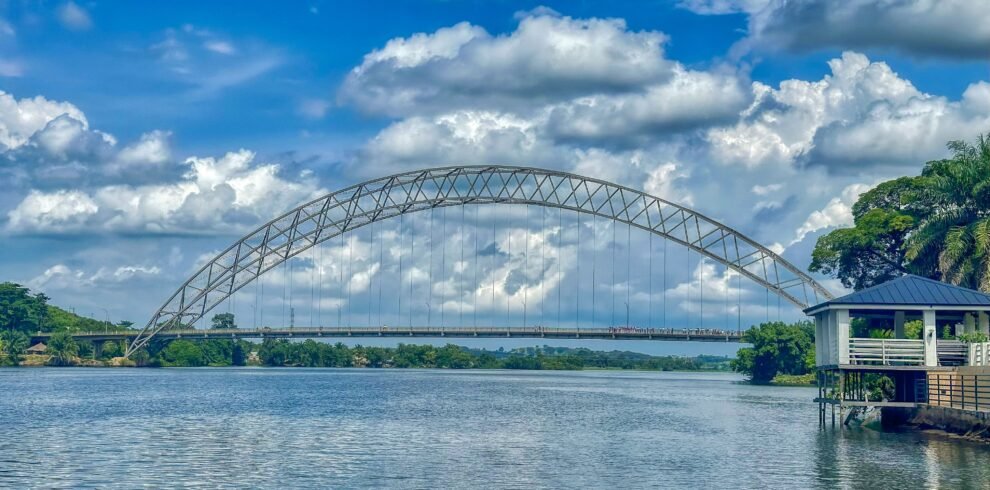
Discover Akosombo Boat Cruise & Shai Hills Safari | Ghana Tour Overview Experience an Akosombo Boat Cruise & Shai Hills…
Frequently Asked Questions (FAQ) for Ghana beautiful places
While larger hotels, major supermarkets, and upscale restaurants in Accra accept international credit cards, Ghana remains a cash-heavy economy. Always carry a sufficient amount of Ghana Cedis for entrance fees, local markets, and public transportation, as smaller vendors rarely have card terminals.
The dry season, running from November to March, is typically considered the best time for travelers. The weather is more pleasant for outdoor activities, although the harmattan winds in January can bring dusty, hazy conditions. This season allows for easier access to more remote natural sites.
The most reliable method for exploring rural or remote areas is to hire a private 4×4 vehicle with a local driver. This provides significantly more flexibility, safety, and comfort compared to local public transport, which can be inconsistent or overcrowded in less developed regions.
Yes, many historical castles and national parks charge a separate photography or video permit fee. This is common for professional equipment. Always verify current prices at the ticket window upon arrival, as these small surcharges support local conservation and maintenance efforts.
Yes, STC and VIP Jeoun bus services are reliable, safe, and efficient for major routes between major cities like Accra, Kumasi, and Cape Coast. We strongly recommend booking your tickets at the station a day in advance during peak travel periods to secure your seat.