TL;DR: The Adventurer’s Summary
Ghana offers a rich blend of history, culture, and nature. Key highlights include Cape Coast Castle, Mole National Park, and the bustling markets of Accra. Budget approximately 100-250 GHS for major entry fees per site. Use Uber for urban transit and the VIP bus network for inter-city travel. Always carry cash, respect local customs, and plan for remote infrastructure limitations.
Planning a trip to West Africa often leads travelers to the stunning coast of Ghana. When searching for the best places of interest in Ghana, it is essential to balance iconic heritage sites with the serene beauty of the northern savannahs and lush southern forests. This guide provides the practical information, logistical tips, and cultural insights you need to navigate these destinations safely and efficiently, ensuring a rewarding experience in this vibrant country.
Understanding popular places of interest in Ghana
Ghana presents a wide array of attractions for every type of traveler. Whether you are interested in colonial history, wildlife, or local arts, the country delivers. Because of the diverse geography, planning your itinerary requires knowing which regions hold the most significance. If history is your focus, the central and western regions are essential. If you prefer wildlife and rugged nature, the northern regions are the place to go. Regardless of your choice, understanding the logistics is the key to a smooth journey.
Historical sites and cultural tourism in Ghana
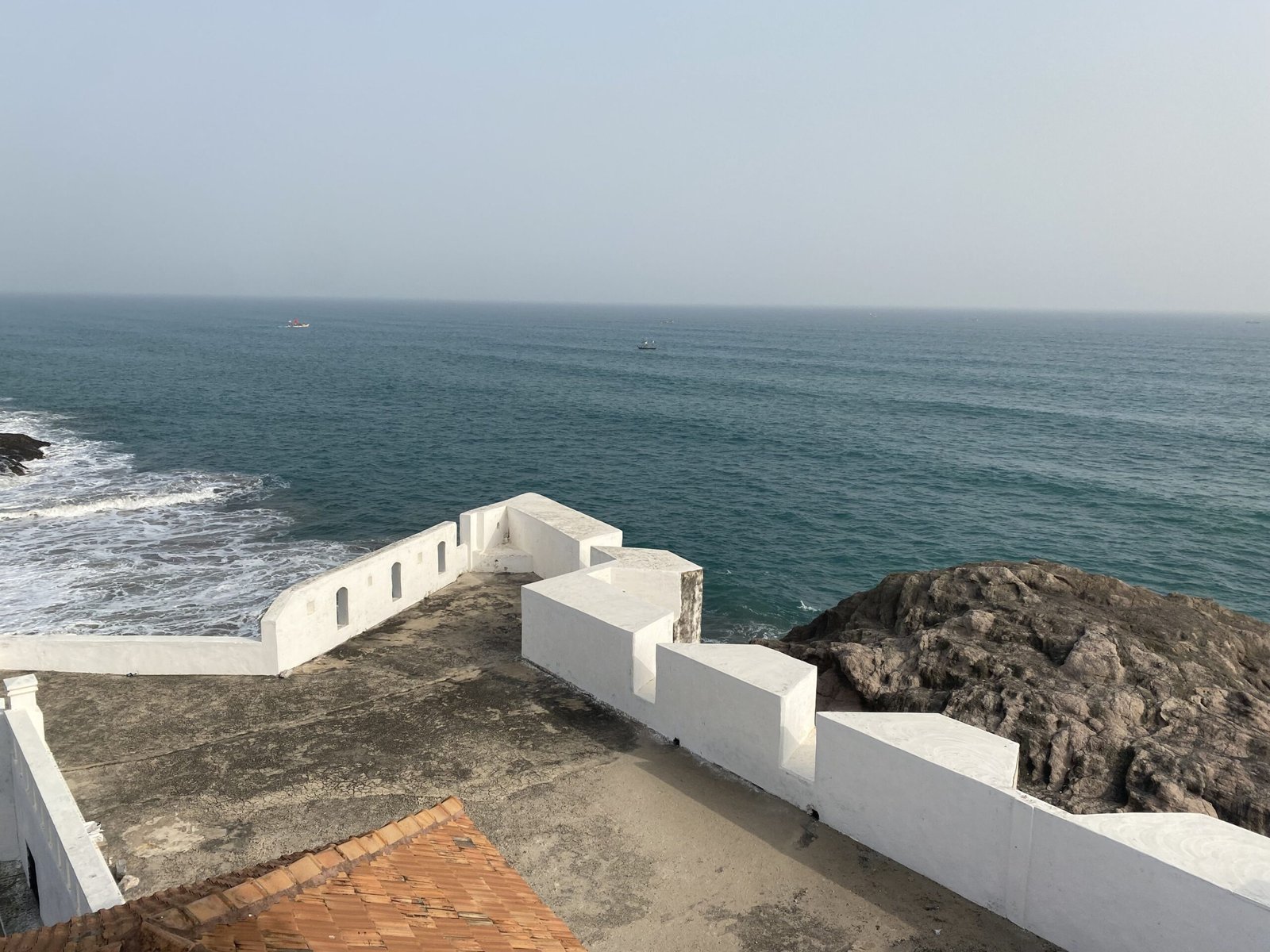
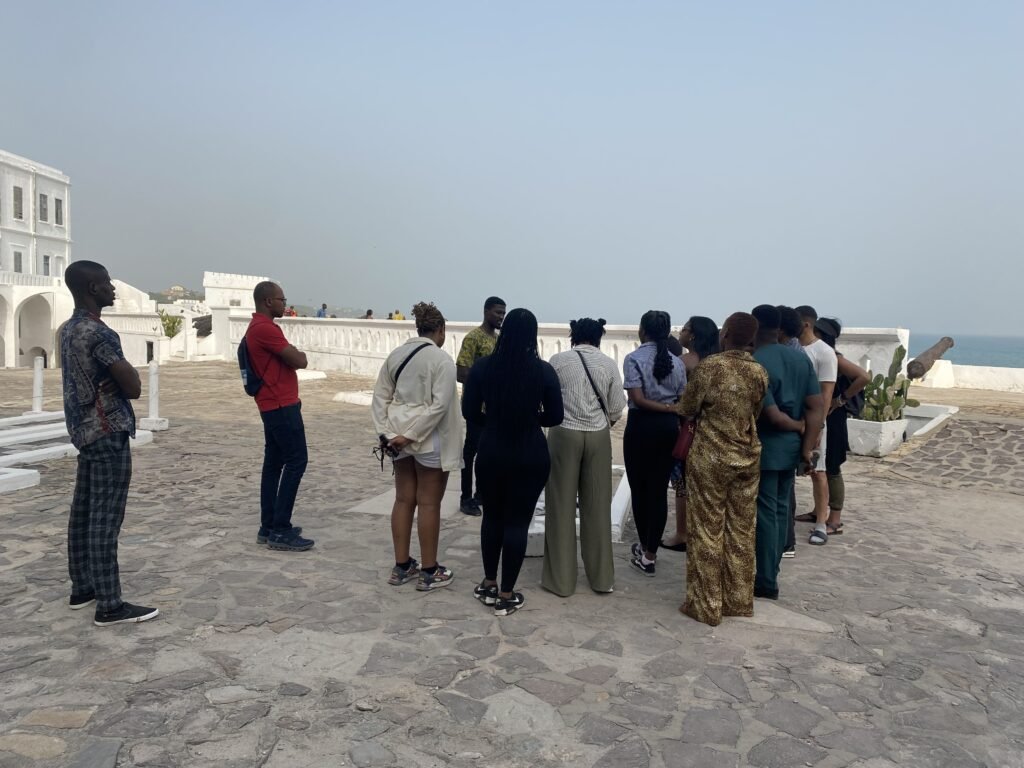
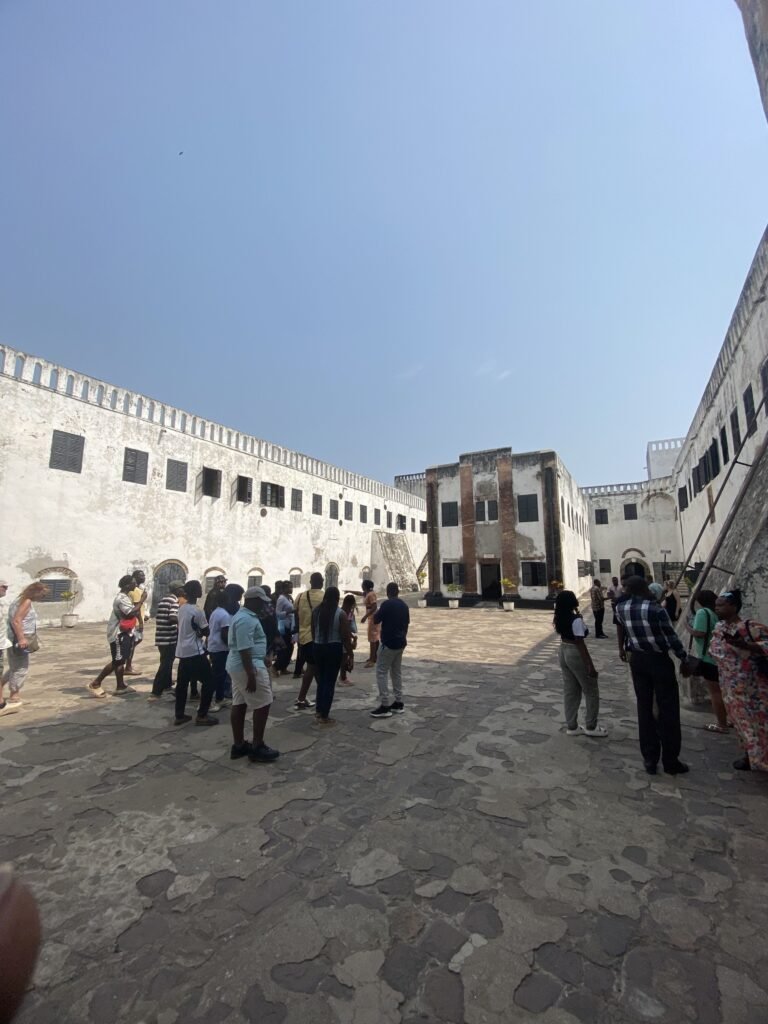
Ghana is widely recognized for its pivotal role in the history of the transatlantic slave trade. Visiting the coastal forts is a somber but necessary experience for many travelers. Cape Coast Castle and Elmina Castle offer a sobering look at the past, with guided tours that walk you through the dungeons and the Door of No Return. These sites are well-preserved and managed by national authorities. Entry fees typically range from 50 GHS to 100 GHS for foreign nationals, depending on the specific site. Always check if professional photography requires an additional permit, which can cost an extra 20-50 GHS. Furthermore, ensure you hire an official guide on-site to get the most accurate historical context for these important Ghana tourist attractions.
Ecotourism and nature spots considering places of interest in Ghana
Beyond the cities, Ghana boasts incredible natural wonders. The northern region is home to the country’s largest wildlife reserve, Mole National Park. Many visitors travel here to witness elephant herds and diverse bird species in their natural habitat. Park infrastructure includes walking safaris, which allow for a more intimate look at the flora and fauna. Infrastructure in remote parks can be basic. While some luxury lodges exist, others are rustic. Always confirm your accommodation booking in advance. Additionally, check for restroom availability before embarking on long safari drives, as facilities inside the park are limited. For those seeking coastal relaxation, the beaches in the Western Region offer a tranquil escape from the urban hustle.
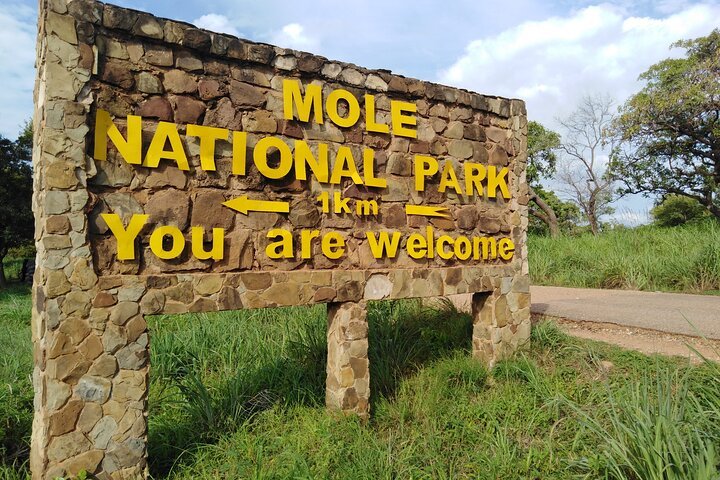
Experience the Best of Mole Park Wildlife Safari Mole Park Wildlife Safari is Ghana's largest game park, providing the ultimate…
Practical logistics and transport when it comes to places of interest in Ghana
Navigating Ghana requires a mix of patience and planning. For urban travel, ride-sharing apps like Uber or Bolt are reliable in Accra and Kumasi. For inter-city travel, the state-run bus services, such as the V.I.P. bus network, provide the most consistent and comfortable experience. They offer air-conditioned coaches that run between major hubs. For more remote locations, you might need to rely on local “tro-tros” or private taxi hires. While tro-tros are very affordable, they are often crowded and follow less predictable schedules. A private hire offers more control over your timeline and is safer for long-distance rural travel. Regarding accessibility, infrastructure remains a work in progress. Major hotels and newer attractions often have ramp access, but rural sites may be challenging for travelers with mobility limitations. You can find more information through the official Ghana Tourism Authority website regarding travel advice and registered operators.
When planning your trip, consider visiting our comprehensive Ghana travel planning guide for detailed itineraries. Proper preparation helps manage the reality of travel in West Africa, where local infrastructure varies significantly between urban centers and rural provinces.
Safety and emergency considerations
Ghana is widely regarded as one of the safest countries in West Africa. However, standard travel precautions should still be followed. Keep your belongings secure in busy markets and avoid traveling at night on remote roads. In case of an emergency, the general police contact number is 191, and ambulance services can be reached at 193. Health infrastructure is generally centralized in cities like Accra and Kumasi. If you are heading to remote areas, ensure your personal first-aid kit is well-stocked with basic medications and rehydration salts. Also, verify that your travel insurance covers emergency medical evacuation. Always notify your hotel or local guide of your travel plans when heading into remote areas, as mobile network coverage can be intermittent outside of major towns.

Experience the Cape Coast and Elmina Tour First, this Cape Coast and Elmina Slave Castle Tour provides a profound journey…
Frequently Asked Questions (FAQ) for places of interest in Ghana
The dry season, running from November to March, is generally the most pleasant time for travel as the roads are more accessible, the weather is cooler, and wildlife is easier to spot in the northern parks.
Yes, while some larger sites and hotels accept credit cards, it is highly recommended to carry enough GHS cash for entrance fees, transport, and small tips for local guides, as card terminals can sometimes be unreliable.
Most major heritage and national park sites have public restrooms. However, they are often basic. It is a good practice to carry your own toilet paper and hand sanitizer wherever you go.
Major sites are well-connected by bus, but remote nature reserves may require a combination of bus and private taxi for the final leg of the journey, as public transport options to remote areas can be limited.
Yes, a modest tip for a knowledgeable local guide is appreciated and is a common practice in the Ghanaian tourism sector. It serves as a great way to thank them for their time and expertise.
Accessibility varies greatly. Modern hotels and major museums in Accra are increasingly accessible, but many historic forts and remote nature trails have uneven terrain and limited ramp access, so inquire locally before departing.