TL;DR: The Adventurer’s Summary
Ghana is a welcoming West African destination for independent explorers. Always secure your visa in advance, opt for reputable bus services like VIP Jeoun for long-distance travel, and embrace local customs. Confirm all health requirements and vaccinations before booking your flights.
Planning your trip to West Africa requires careful preparation, especially when you consider all the nuances involved in how to successfully travel and Ghana in a way that is both safe and rewarding. Ghana stands out as a vibrant gateway to the continent, offering a blend of rich historical landmarks, bustling urban energy in Accra, and serene natural beauty. Whether you are seeking a deep dive into cultural heritage or a relaxing coastal getaway, understanding the logistics is the first step toward a seamless experience.
Essential Preparations: How to Travel and Ghana
Before you embark on your journey, navigating the administrative landscape is your top priority. Ghana tourism has become increasingly accessible, yet regulations regarding entry requirements can change with little notice. Most international visitors require a visa or an entry permit. Currently, the official Government of Ghana portal remains the most authoritative source for the latest information on e-visa processing times and costs, which typically range from $60 to $150 depending on the visa type and your nationality.
When planning your itinerary, consider the climate and the timing of your visit. The dry season, from November to March, is generally considered the best time for outdoor activities and travel safety in Ghana. During this period, the Harmattan wind brings cooler mornings and less humidity. Regardless of the season, always ensure you consult a travel clinic at least six weeks before departure to stay current on mandatory health documentation, such as the yellow fever vaccination certificate, which is strictly enforced at all ports of entry.
Navigating Local Transport: A Deep Dive
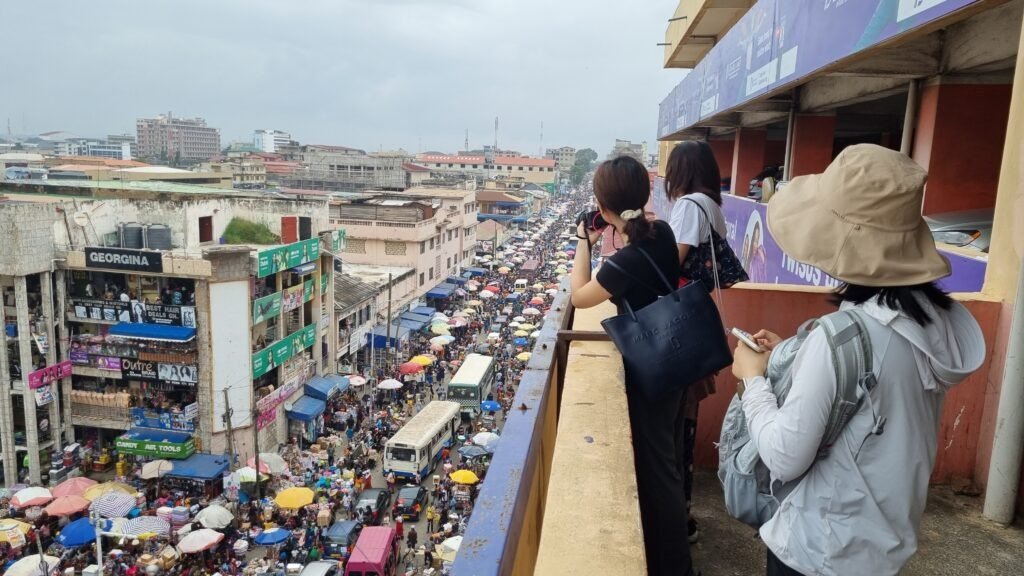
Mastering public transport is a rite of passage for many who travel and Ghana. In urban centers like Accra, the informal bus system known as ‘tro-tros’ functions as the city’s primary nervous system. These minivans are cost-effective, but they rarely follow a fixed schedule. To navigate them successfully, look for the main transport terminals or ‘stations’ where a GPRTU (Ghana Private Road Transport Union) official can guide you to the correct vehicle. If you are a novice, these hubs can be loud and chaotic; ask specifically for your destination to avoid boarding the wrong vehicle.
For longer journeys between major cities like Accra, Kumasi, and Tamale, skip the smaller vans and book your travel with reputable state-affiliated or premium private bus operators. Companies like VIP Jeoun provide air-conditioned, reliable service with defined schedules. You should aim to book your ticket at the station at least 24 hours in advance to guarantee a seat, especially during public holidays. For intra-city movement, ride-sharing applications have significantly improved the ease of Accra tourism. These apps provide transparent pricing, which helps prevent the common confusion associated with hailing standard street taxis, where fares are often negotiated upfront.
Cultural Etiquette and Local Interactions
Ghanaian culture is rooted in hospitality and respect. When you interact with locals, you will notice a strong emphasis on greetings. Taking a moment to acknowledge shopkeepers, neighbors, or fellow travelers is considered good manners. In rural regions, dressing modestly is advised to show respect for traditional values. This does not mean you must dress formally; rather, opt for breathable, loose-fitting clothing that covers your shoulders and knees. This is particularly relevant when visiting religious sites or participating in traditional community events.
Another vital part of the experience is food. The local culinary scene is diverse, centered around dishes like jollof rice, fufu, and light soup. For an authentic experience, visit local ‘chop bars’—small, informal eateries that serve traditional meals. While some travelers may be hesitant to eat at street stalls, popular spots with high turnover are generally safe and provide the best taste of local life. If you are looking for a more curated approach, you can explore our expertly curated travel guides to find reliable recommendations that match your comfort level.
Budgeting for your trip requires a balanced approach. While it is possible to travel on a shoestring, a daily budget of $60-$100 allows for greater flexibility, including access to comfortable air-conditioned transport, reliable guesthouses, and a variety of tours. Always carry a mix of physical cash and mobile money. While major hotels accept international credit cards, smaller vendors, markets, and rural businesses operate almost exclusively on cash. Having a local SIM card with active mobile money functionality is effectively a necessity for modern travel in the country.

Experience the Cape Coast and Elmina Tour First, this Cape Coast and Elmina Slave Castle Tour provides a profound journey…
Topical Insights for the Modern Traveler
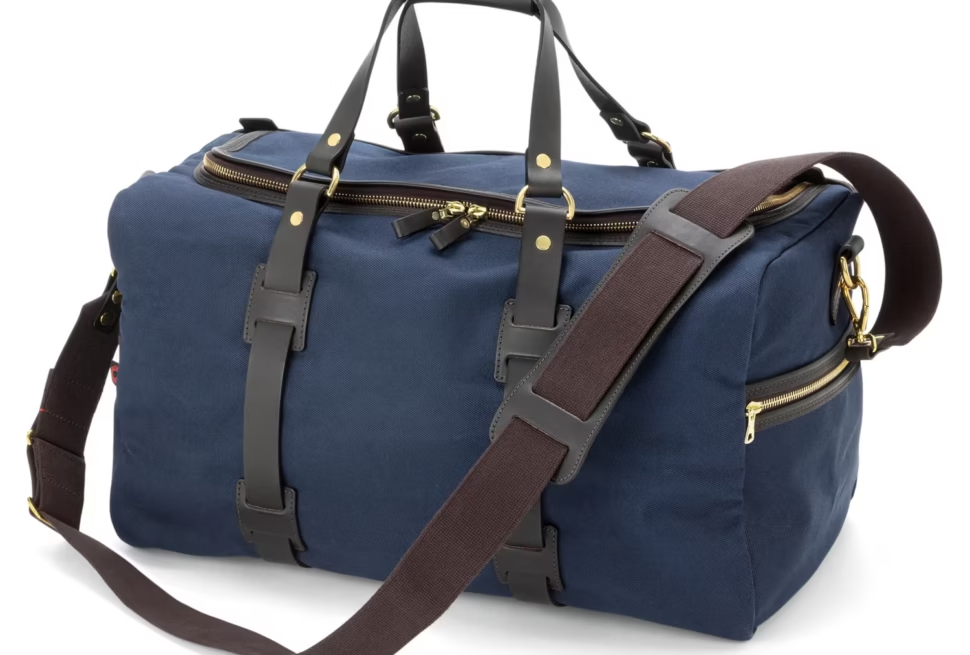
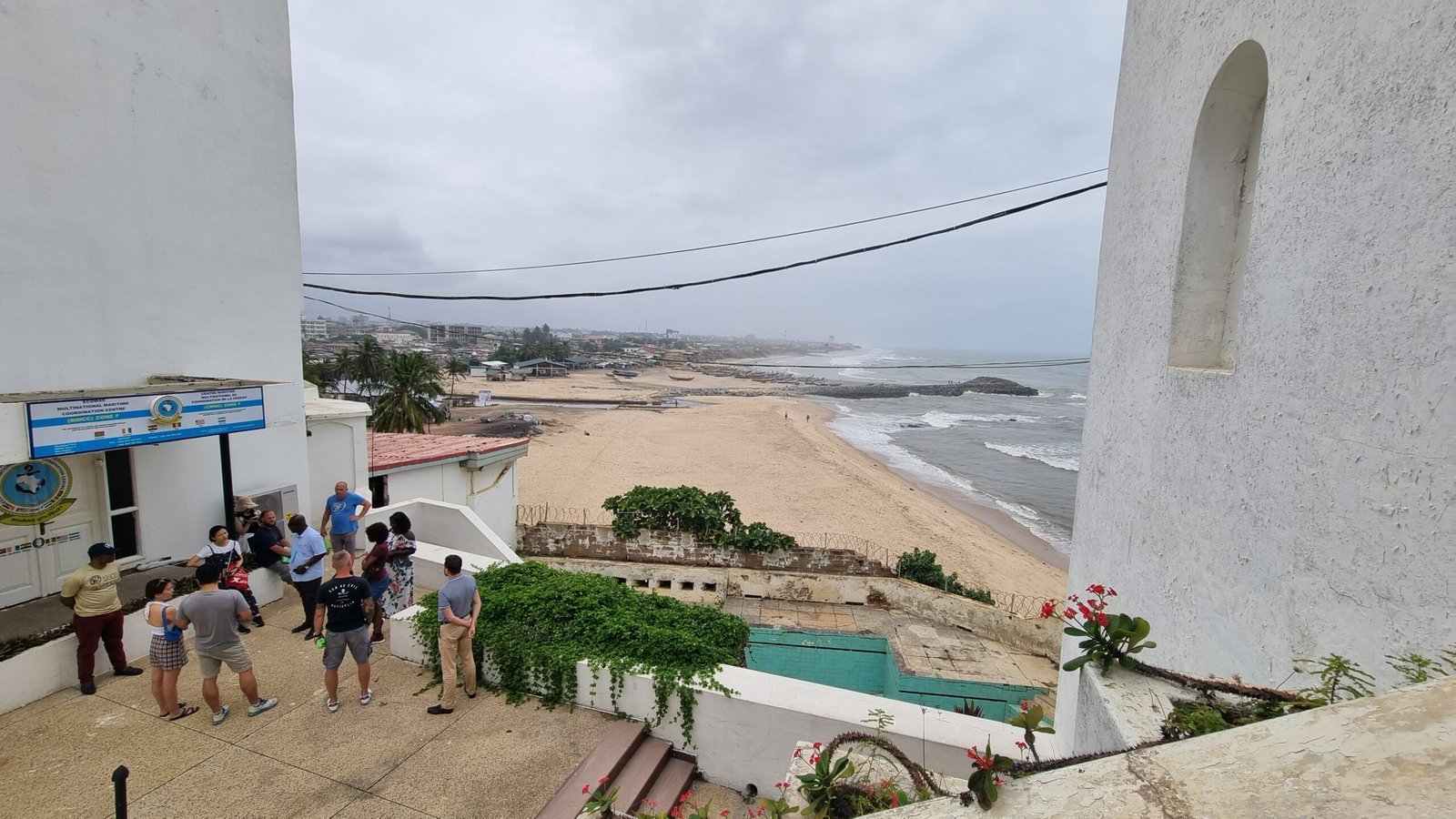
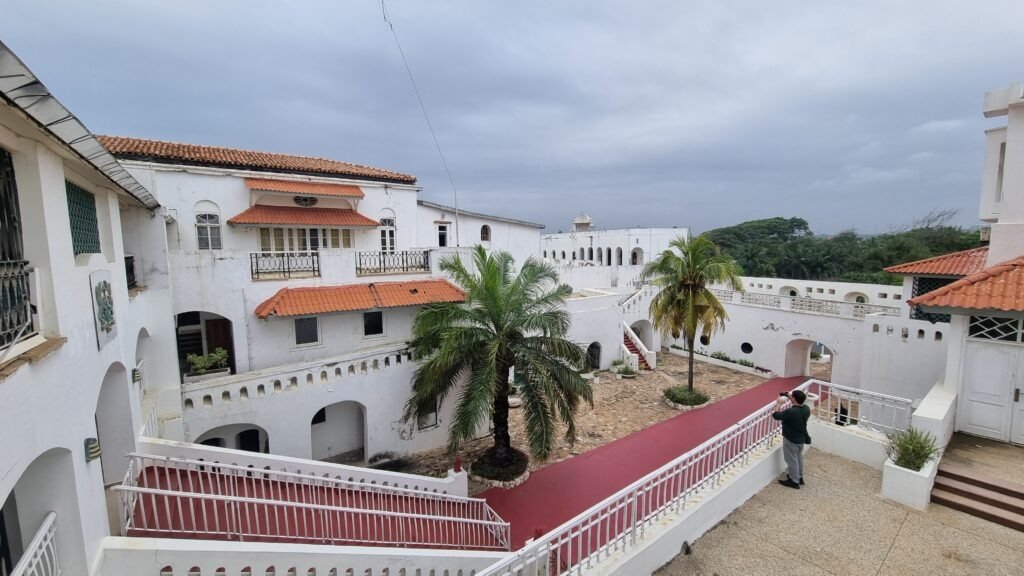
To ensure your experience is as smooth as possible, prioritize your personal safety. While Ghana is one of the most stable and friendly countries in West Africa, typical urban precautions apply. Use a cross-body bag in crowded areas, avoid displaying large amounts of cash, and utilize reputable transport methods after dark. When visiting historical sites like the Cape Coast and Elmina slave castles, consider hiring a registered local guide. Their expertise provides not just navigation, but a profound historical context that enhances your visit significantly. These sites are emotionally weighty, and having a guide helps you navigate the significance of these monuments with proper respect.
If you prefer a structured itinerary, working with local operators can save you hours of logistical planning. When choosing an operator, look for companies that have active, verifiable online reviews on platforms like TripAdvisor or Google Maps. Check that they provide a clear breakdown of costs, including entrance fees to attractions, fuel, and guide services. A professional operator will be transparent about the physical requirements for their tours, such as the moderate hiking involved in visiting the Wli Waterfalls or the canopy walk in Kakum National Park.
Finally, remember the concept of ‘Ghana time.’ It is a common cultural expression meaning that plans are fluid and start when the community or group is ready. Do not let this cause stress; instead, treat it as an opportunity to slow down and observe your surroundings. By embracing this pace, you allow yourself to actually experience the culture rather than just observing it from the sidelines. Your patience will be rewarded with deeper conversations and a more genuine connection to the people you meet.
Frequently Asked Questions (FAQ) for travel and Ghana
Yes, Ghana is generally safe for solo travelers. Use common sense, stick to well-traveled routes, use reputable long-distance bus operators, and avoid traveling between regions at night.
Most nationalities require a visa to enter Ghana. You should check the official government embassy website in your home country at least three months before your planned travel date to confirm the latest entry requirements.
While urban centers are becoming more digital, carry at least 300 to 500 GHS in local currency for daily expenses like food, water, and local transport. Keep your main reserves of cash and documents in a secure, hidden pouch.
A yellow fever vaccination certificate is mandatory. Other vaccinations such as typhoid and hepatitis A are highly recommended. Consult your physician for personalized medical advice based on your itinerary.
Use reputable bank ATMs in major cities for withdrawals. While credit cards work at large hotels, cash is the standard for most local transactions. Always have a backup plan, such as a second bank card kept separately.