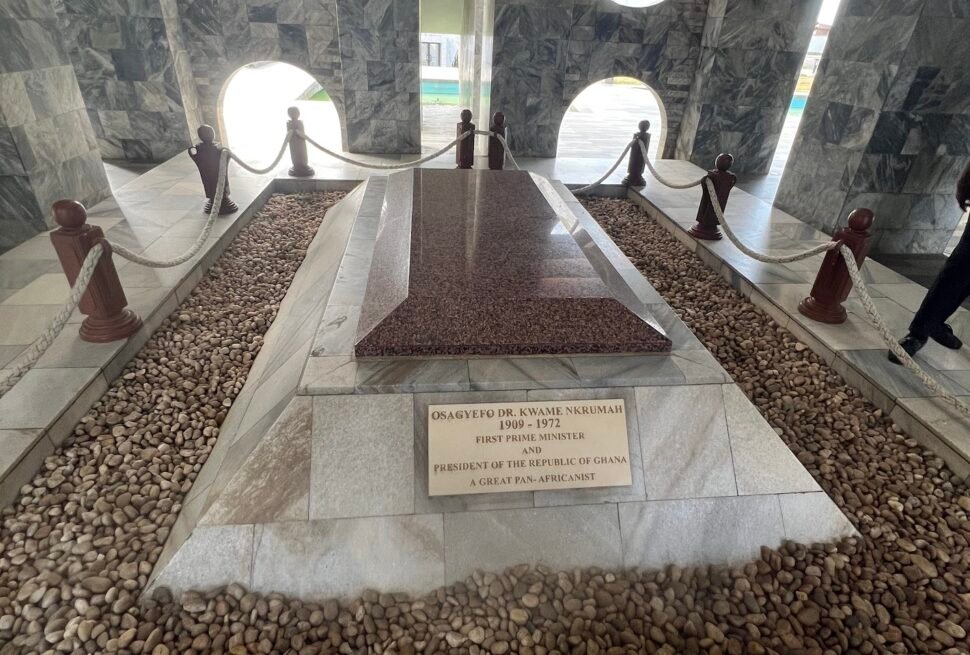

TL;DR: The Adventurer’s Summary
A travel warning does not always mean a country is closed. Instead, it serves as a risk-assessment tool. By monitoring government travel alerts, registering your trip with your local embassy, and maintaining situational awareness, you can manage risks effectively. Always keep digital copies of your travel documents and maintain a flexible, well-researched itinerary.
Planning a trip to West Africa is an exciting endeavor, but navigating a travel warning requires careful preparation and calm vigilance. Many travelers feel uneasy when encountering an official security notice, yet these tools are designed to provide nuance, helping you plan safer routes and make smarter choices while on the ground. Understanding how these systems function is the first, most vital step toward a successful and secure journey through this diverse region.

Understanding the Travel Warning System
Governments issue alerts based on specific data points, including political climate, health concerns, and regional instability. When you encounter a travel warning, take a moment to analyze the specifics. Is the alert for the entire country, or is it limited to a remote border zone? Most advisories distinguish clearly between major tourist hubs and high-risk frontiers, allowing for more targeted planning.
It is helpful to check the United States Department of State website for the most recent official country reports. These resources provide a detailed breakdown of current risk factors. By cross-referencing this data with local news, you build a clearer picture of the actual security landscape.
Assessing Your Destination Security Status
Every traveler should actively monitor their destination security status. This involves more than just checking a website before departure. Subscribe to email updates from your embassy and ensure your phone is set to receive local emergency notifications. If you are planning to visit multiple regions, consult our comprehensive safety guide for regional exploration to understand how different areas compare. Often, rural regions have different safety profiles than capital cities; distinguishing between these environments is essential for your personal security strategy.
Actionable Mitigation Strategies for High-Risk Areas
If you find yourself in a location where the security situation changes unexpectedly, you need a pre-established plan. First, remain calm, as panic rarely helps in a crisis. Next, contact your accommodation host or local partners. They usually have the most accurate, real-time pulse on the neighborhood. If you are already on the ground, maintain a low profile and avoid public gatherings or political demonstrations, even if they appear peaceful.
Carry a physical “go-bag” with essential documents. This should include your passport, relevant visas, vaccination records, insurance policy numbers, and a list of local emergency contacts. If internet access goes down, you must have these details on paper or saved securely on an offline device. Always keep your mobile phone charged and carry a reliable power bank to ensure you remain connected to emergency updates.
When crowdsourced data or local news suggests a potential issue, do not wait for official confirmation to take precautions. Adjust your travel schedule to be indoors before sunset and prioritize secure, pre-arranged transport over public transit. If you feel uncomfortable, prioritize your safety over any pre-booked itinerary. True adventure requires the wisdom to change direction when the circumstances demand it.

Discover Ada Nkyinkyim Museum Tour | Crocodile Island & Aqua Safari First, our Ada Nkyinkyim Museum Tour takes you on…
Navigating Border Crossing Requirements
Border areas are frequently highlighted in various travel advisory levels because they are often more volatile. If your itinerary involves overland travel, research the specific border crossing requirements well in advance. Some crossings may close without notice during periods of political tension. Always have a secondary transportation plan, such as a flight back to a major hub, should land borders become restricted or dangerous.
When preparing for these crossings, ensure your paperwork is organized in a waterproof folder. Having extra copies of your entry permits can save hours of frustration. Understand that border officials may be more cautious during periods of heightened security; remain polite, patient, and cooperative throughout the process.

Documenting Your Safety Plan and Insurance
Documentation is your best insurance policy. Before departure, scan your passport and visas, storing these files in a secure, encrypted cloud folder. Give a copy of your full itinerary to a trusted friend or family member at home to ensure someone always knows your location. This simple step is vital if communication channels are disrupted.
Review your travel insurance policy with a fine-tooth comb. Specifically, ask your provider if they cover medical evacuation and if coverage remains valid if a government issues a travel warning after you have already arrived. If your current policy has a “known event” exclusion that nullifies coverage, consider upgrading to a more flexible plan. Clarifying these clauses before you set foot in the region is essential for your financial and physical well-being.
Furthermore, consider how you might need to prove your legal status in an emergency. If you lose your passport, having a digital copy stored alongside a photo of your birth certificate or driver’s license can significantly speed up the replacement process at a local embassy. Always keep these digital assets backed up in two distinct, secure locations.

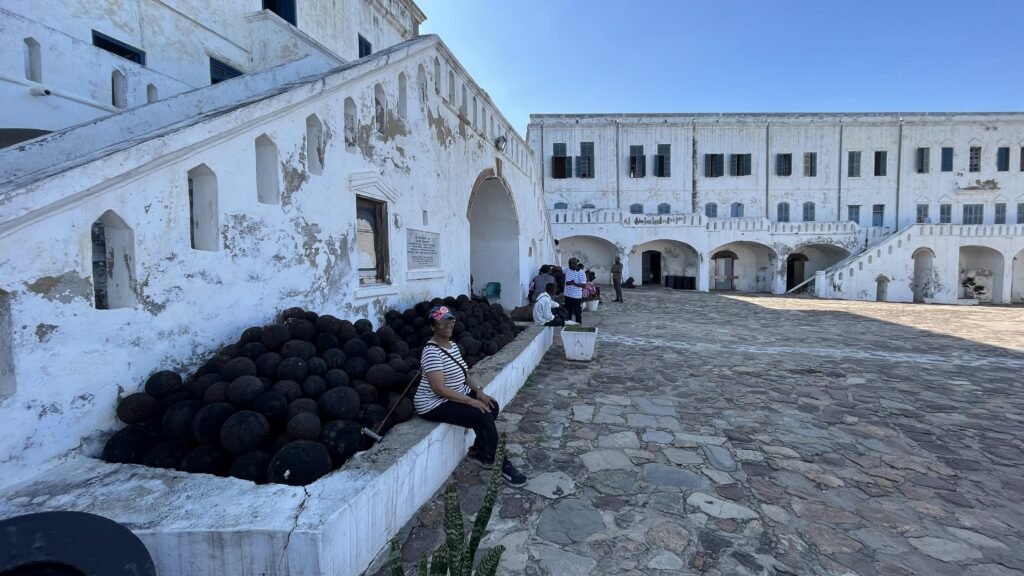
Discover Cape Coast Historical Tour First, three iconic landmarks—Cape Coast Castle, Elmina Castle, and Kakum National Park—weave compelling stories of…
Developing Your Personal Crisis Strategy
When traveling in areas with variable safety conditions, your strategy should evolve. Start by identifying your nearest embassy or consulate before you even arrive in the city. Map out their location and save their 24-hour emergency phone number in your contacts. It is also wise to join any traveler-tracking programs offered by your home country. These programs allow embassies to alert you immediately if a security event occurs in your immediate vicinity.
Maintain situational awareness. Avoid wearing expensive jewelry or displaying high-end photography gear in crowded public spaces. When moving through a city, use trusted transportation apps that track your route, rather than flagging random vehicles on the street. If you rely on local guides, ensure they are reputable and have a strong track record of safety. A good guide knows when to avoid certain neighborhoods and can steer you away from potentially volatile situations before they escalate into anything serious.
Financial flexibility is equally important. In times of uncertainty, cash is king. Keep a stash of local currency and a small amount of USD or EUR in a separate, hidden money belt. This ensures that if digital payment systems, credit card readers, or ATMs go offline, you still have the means to pay for food, lodging, or transport out of an area.
Frequently Asked Questions (FAQ) travel warning
First, remain calm and read the full text of the advisory. Often, these alerts apply to specific provinces rather than the entire country. Contact your nearest embassy for guidance and evaluate whether your current location remains secure or if you should relocate to a safer area nearby.
No, these levels are dynamic. Advisories are updated regularly based on evolving political, social, and security data. A region that is listed at a higher risk level one month might be lowered if the situation stabilizes. Always check the publication date of the notice to ensure you are viewing the most current assessment.
Use local news apps and monitor reliable social media accounts of local journalists. They are often the first to report on roadblocks, strikes, or local events that may not appear in international news cycles for several hours. Being part of local digital communities can provide early warnings that official channels might miss.
This depends heavily on the specific region. Generally, private transport is considered safer because it allows for more control over your route and schedule. Use reputable taxi or ride-sharing apps, avoid using random vehicles, and strictly avoid long-distance bus travel at night when visibility and situational awareness are lower.
Yes, absolutely. Most nations offer a voluntary traveler registration program. It allows your embassy to contact you directly if there is an emergency or if they need to coordinate an evacuation. This is an invaluable safety measure that takes only minutes to complete before you leave home.