TL;DR: The Adventurer’s Summary
Hospitality and tourism are two interconnected sectors focused on providing services to travelers. While hospitality centers on the guest experience and accommodation, tourism covers the movement, planning, and broader economic activities of travel. Together, they form a massive global engine for development and employment.
When professional travelers or aspiring industry experts ask, “what is hospitality and tourism,” they are inquiring about the two pillars of the global service economy. While often discussed as a single entity, these two sectors possess distinct functional roles that work in tandem to create the modern travel experience. Understanding these fundamentals is essential for anyone looking to enter the workforce, invest in the market, or simply better appreciate the logistics behind their own adventures. At its core, the intersection of these fields involves moving people from their home environments to new destinations and ensuring their physical, emotional, and social needs are met throughout the journey.
Defining What is Hospitality and Tourism
To differentiate these sectors, we must examine their primary objectives. Tourism is defined as the temporary movement of individuals from their usual place of residence to another location for business, leisure, or personal reasons. It is the “macro” view of the traveler journey. It encompasses the transportation network, the destination infrastructure, and the regulatory frameworks that make travel possible.
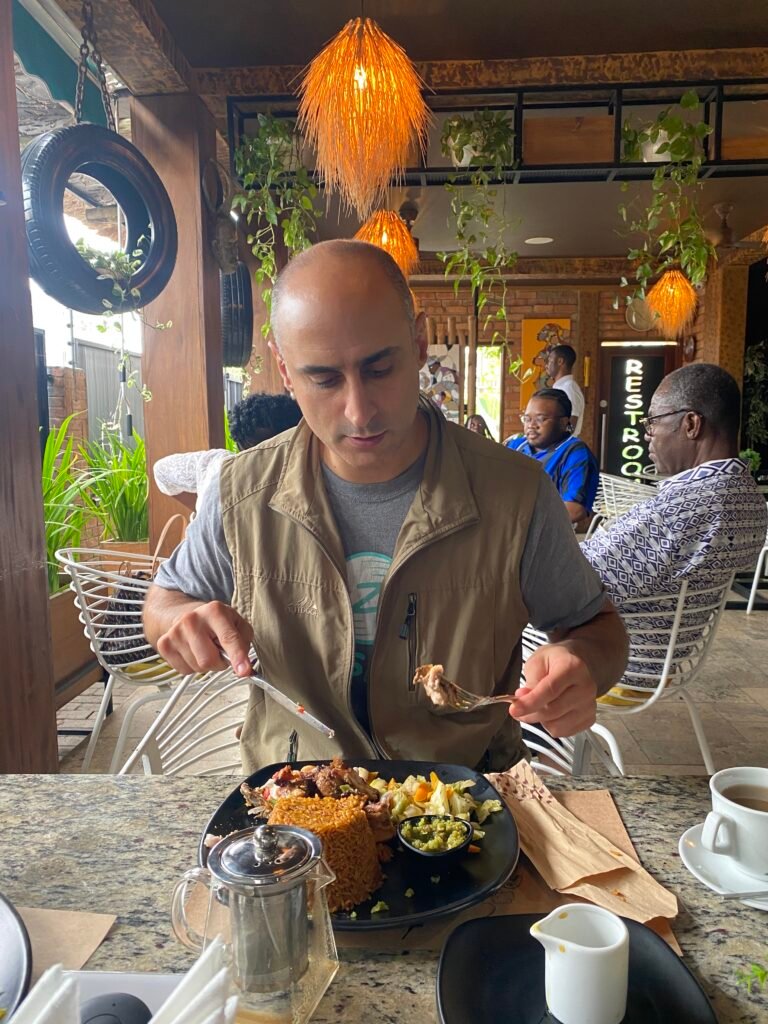
Hospitality, in contrast, is the “micro” view of the guest experience. It is the relationship between the provider and the traveler. Once the tourist arrives at a location, the hospitality sector takes over. This includes lodging, food and beverage, entertainment, and concierge-level services. If tourism is the vehicle that brings a guest to a destination, hospitality is the home they encounter upon arrival. When combined, these fields create the global tourism economy, a complex web of services designed to prioritize comfort and seamless transition.
The Core Sectors Driving the Industry
The industry is broken down into four distinct yet overlapping pillars. Transportation acts as the foundation of the tourism industry. Whether you are using commercial airlines, regional rail, or local charter buses, transit is the prerequisite for all tourism activity. Without efficient, safe, and accessible transportation, destinations remain isolated.
The second pillar is accommodation. Hotels, lodges, glamping sites, and peer-to-peer rentals form the core of the hospitality sector. This is where the guest spends the majority of their time, and it is here that service industry management really matters. Third is food and beverage. This ranges from street food vendors to five-star restaurants. It is an essential component of cultural immersion, often serving as a primary driver for regional tourism demand.
Finally, we have attractions and recreation. These are the “pull factors” that motivate a traveler to leave their home. Whether visiting a UNESCO-protected site or an amusement park, these attractions provide the core value of the trip. Every one of these sectors relies heavily on guest experience to maintain its reputation and economic viability.
Practical Realities and Career Paths
Aspiring professionals often ask about the reality of working in these fields. Hospitality career paths are diverse and demanding. Entry-level roles often focus on operational efficiency. For instance, a hotel front-desk agent must juggle complex reservation software while managing guest complaints, coordinating with housekeeping teams, and providing local concierge recommendations. This requires high levels of emotional intelligence and the ability to pivot when logistics fail.
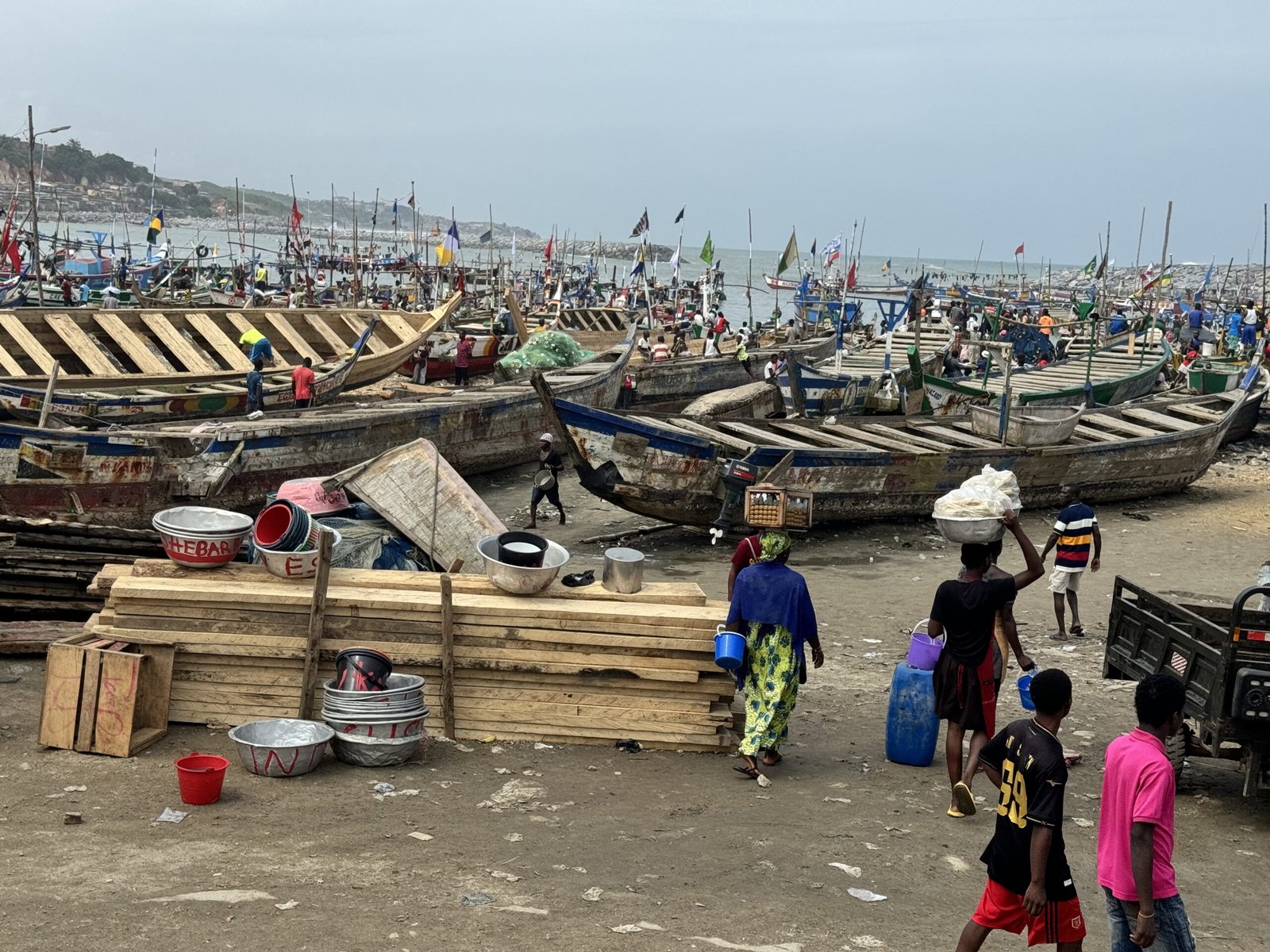
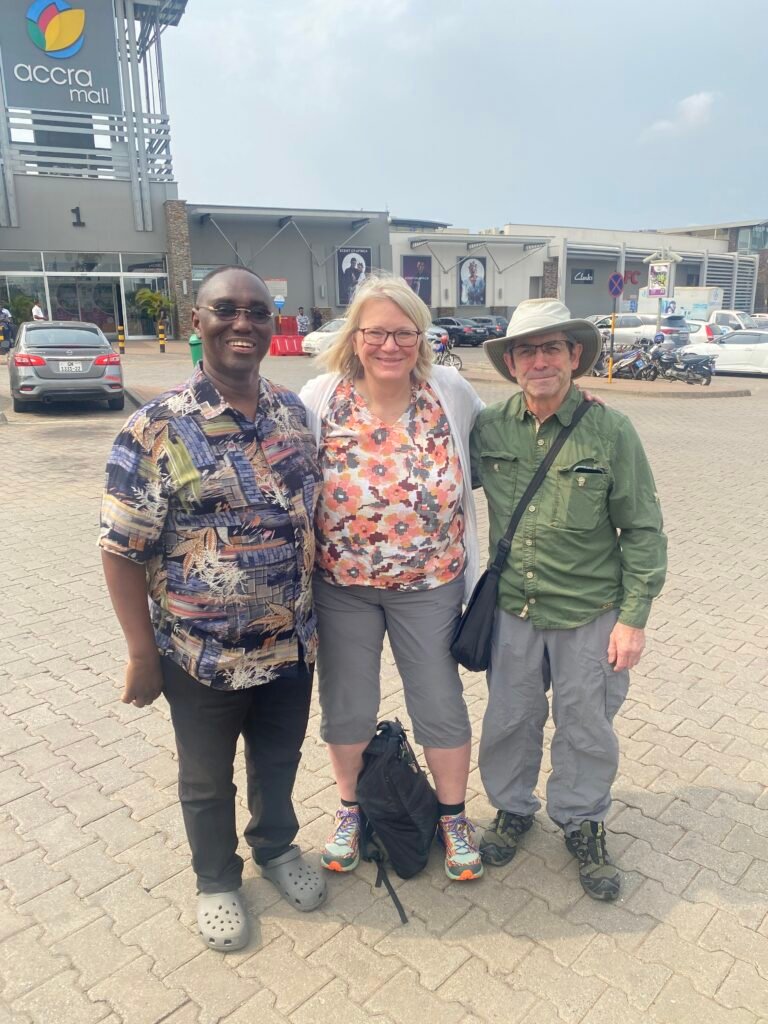
On the tourism side, tour operations require a blend of research and administrative skill. A tour guide in a city like Accra, Ghana, does more than talk about history. They manage the safety of their group, oversee strict time schedules, and negotiate with local service providers to ensure the itinerary runs without a hitch. The daily grind involves constant troubleshooting, whether that is re-routing around a blocked road or dealing with a sudden illness within the group. Success in these roles is defined by how effectively one manages expectations under pressure.

Volta Region Nature Tour, first, our team picks you up early at any location in Accra. Before starting the drive,…
Tech-Driven Travel vs. Traditional Models
The rise of digital technology has significantly altered the industry. Traditional models, which relied heavily on physical travel agencies and telephone-based booking, have been largely supplanted by sophisticated algorithms. Today, travelers expect instant confirmation, mobile check-ins, and AI-driven itinerary suggestions.
However, technology creates a new challenge: the loss of the human touch. Disruptive tech platforms allow for speed, but they often lack empathy. The most successful modern travel firms are those that use data to handle the heavy lifting of logistics, allowing their human staff to focus on high-value guest interactions. While a machine can book a flight, only a skilled hospitality professional can console a passenger whose flight was cancelled. This balance between automation and human connection is the new benchmark for excellence.
Regional Trends and Economic Impacts
In Africa, regional tourism demand is experiencing a dramatic shift. Travelers are moving away from “packaged” tours that feel manufactured. Instead, there is a surging interest in community-based tourism and sustainable travel. Travelers want to know that their presence benefits the local economy rather than depleting it. Local governments and private operators are responding by developing “boutique” lodging that highlights indigenous architecture, farm-to-table dining, and local cultural engagement.
Market data suggests that destinations prioritizing sustainability will capture the most growth over the next decade. For instance, according to the United Nations World Tourism Organization, there is an increasing shift toward value-based tourism. This means operators are pivoting away from high-volume, low-margin models toward smaller, premium experiences that prioritize long-term environmental and cultural preservation. This shift forces a change in how we think about hospitality management, as the goal is no longer just to fill beds, but to create a positive legacy.
For those interested in how these broad market shifts influence specific travel planning, you can find more details on how to navigate these evolving trends in our professional travel and itinerary consulting services.
Essential Skills for Industry Professionals
Success in this field requires a specific set of skills that go beyond traditional education. Emotional intelligence is perhaps the most important asset. Travelers are often stressed, tired, or out of their comfort zone. The ability to read a person’s mood and anticipate their needs before they express them is the mark of a seasoned professional. You are effectively acting as a facilitator for someone else’s life, which is a significant responsibility.
Furthermore, adaptability is vital. The travel industry is subject to uncontrollable variables—weather, politics, and health crises. A professional in this space must maintain a “problem-solving mindset.” When an itinerary falls apart, you do not just report the problem; you identify three possible solutions and present them to the client before they even realize the scope of the issue. Whether you are managing a boutique hotel or a regional adventure tour, your ability to remain composed in a crisis is what builds lasting trust.
The Future of Global Guest Services
As we look forward, the distinction between hospitality and tourism will likely continue to blur as consumers demand more integrated experiences. We are seeing the rise of “all-in-one” travel ecosystems where transportation, lodging, and local experiences are bundled into a single, seamless digital platform. However, the foundational elements of quality service remain unchanged. The industry will always be about people serving people. Despite the rise of AI and automation, the fundamental human desire for connection, safety, and novelty ensures that the demand for professional hospitality will continue to grow.
In conclusion, whether you are entering this field as a student, an entrepreneur, or a seasoned veteran, the key to success lies in understanding the synergy between the two sectors. By mastering both the logistics of tourism and the art of hospitality, you provide value that no algorithm can replicate. Keep learning, stay curious about global trends, and prioritize the guest experience above all else to thrive in this vibrant and essential industry.
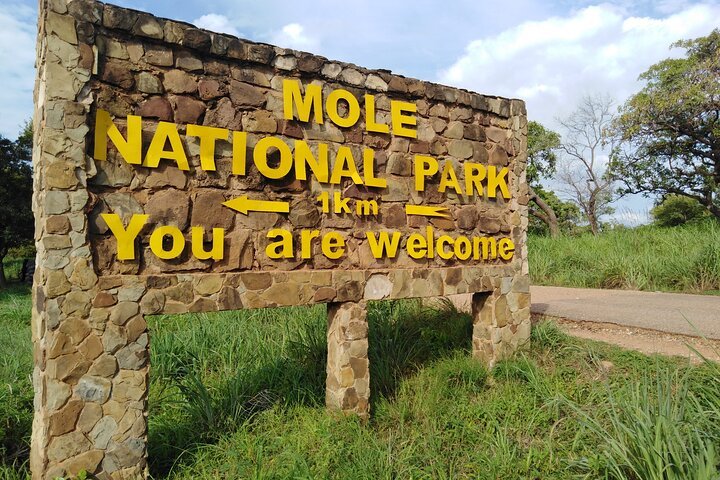
Experience the Best of Mole Park Wildlife Safari Mole Park Wildlife Safari is Ghana's largest game park, providing the ultimate…
Frequently Asked Questions (FAQ) for what is hospitality and tourism
Tourism focuses on the macro-level movement of people and the systems that enable travel, such as transportation and destination planning. Hospitality focuses on the micro-level experience of the guest, specifically the services provided such as lodging, dining, and local welcome.
While degrees in hotel management or tourism studies are beneficial for management roles, many successful professionals enter the industry through entry-level roles. Developing strong soft skills, such as emotional intelligence and problem-solving, is often more important for career progression.
Technology has automated many logistical and administrative tasks, such as check-ins and flight bookings. This shift requires travel professionals to move away from purely administrative tasks and focus more on human-centric roles, such as personalized consulting and complex issue resolution.
Sustainable travel is becoming a priority because modern travelers increasingly value authenticity and community impact. Destinations that preserve their natural and cultural assets are seeing higher visitor retention and stronger economic returns, forcing operators to adopt more eco-conscious practices.
Adaptability combined with emotional intelligence is critical. The industry is highly unpredictable, and the ability to solve problems quickly while keeping the guest calm is what separates a standard employee from a highly sought-after professional.